




Automotive Engineering - April 2014
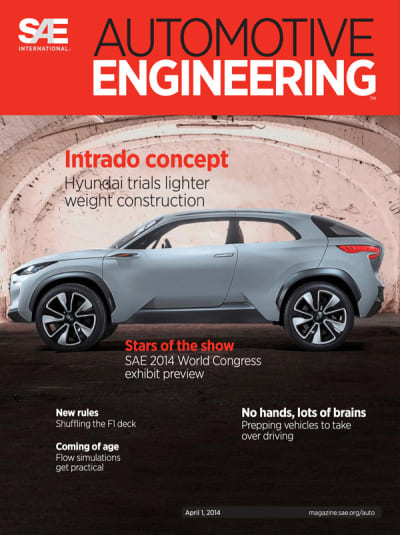
Inside this issue
Overview
The April 2014 issue of Automotive Engineering presents a comprehensive overview of the latest trends, technologies, and challenges in the automotive industry, with a particular focus on the implications of an aging population, advancements in vehicle technology, and insights from the SAE 2014 World Congress.
Addressing the Needs of an Aging Population
One of the key features of this issue is an in-depth Q&A with Marilyn Vala, HMI Lead at Chrysler and organizer of the “Mobility Issues for an Aging Population” technical session at the SAE 2014 World Congress. With over 75 million Baby Boomers in the U.S., the automotive industry faces the challenge of designing vehicles that cater to the unique needs of this demographic. Vala highlights that 52% of vehicles sold in 2012 were purchased by individuals over 55, and a 65-year-old is four times more likely to buy a new car than a 25-year-old.
Vala discusses several issues that automakers must address, including:
- Vision and Hearing Impairments: Older drivers often experience difficulties seeing clearly at night and may struggle with glare. They may also have trouble hearing horns, sirens, or even noises from their own vehicles.
- Slower Reaction Times: Aging affects physical capabilities, leading to slower reaction times and stiffer joints, which can hinder quick movements.
- Cognitive Challenges: Attention spans may shorten, making multitasking more difficult.
- Health Issues: Conditions such as Parkinson’s, stroke, and arthritis can interfere with driving ability, compounded by the increased use of medications that may cause side effects like drowsiness or reduced alertness.
To address these challenges, Vala points to design innovations, such as the rotary shifter in the Chrysler 200, which reduces the effort required for common vehicular tasks.
Innovations in Vehicle Technology
The issue also delves into the latest technological advancements in the automotive sector. A notable highlight is the exploration of autonomous driving technologies, which are rapidly evolving. The article titled "No hands, lots of brains" discusses the significant computing power required for vehicles to take over more driving tasks. This shift towards automation is expected to enhance safety and efficiency on the roads.
Additionally, the magazine covers the ongoing competition between communication protocols like FlexRay and Ethernet for their roles in safety systems. As vehicles become more connected, the need for reliable data sharing between systems becomes critical.
Lightweight Construction and Sustainability
Another significant topic in this issue is the trend towards lightweight vehicle construction. The Hyundai Intrado concept is showcased as an example of how manufacturers are experimenting with lighter materials to improve fuel efficiency and reduce emissions. This aligns with the industry's broader goal of meeting stringent emissions standards while maintaining performance.
The magazine also features insights from ZF’s CEO on the importance of lightweight applications in vehicle design, emphasizing that reducing weight is crucial for enhancing overall vehicle performance and sustainability.
Upcoming Events and Industry Insights
The issue provides a preview of the SAE 2014 World Congress, highlighting key sessions and topics that will be discussed, including the challenges and opportunities presented by the aging population. The event serves as a platform for industry leaders to share their insights and innovations, fostering collaboration and knowledge exchange.
Conclusion
In summary, the April 2014 issue of Automotive Engineering encapsulates the dynamic landscape of the automotive industry, focusing on the pressing need to accommodate an aging population, the rapid advancements in vehicle technology, and the ongoing push for sustainability through lightweight construction. As the industry navigates these challenges, the insights shared in this issue underscore the importance of innovation and adaptability in shaping the future of mobility.
This edition serves as a valuable resource for automotive professionals, providing them with the knowledge and tools necessary to address the evolving needs of consumers and the environment.
Features
-
Articles
DSPACE Enhances Environment for Electric Motor Controller Testing
CPT's Switched-Reluctance Motor-Generator Seen as Path to 48-V Systems
Ricardo’s Scalable TorqStor Flywheel System Promises FE Gains at Reduced Cost
FEV/DGE System Automates HMI Validation Process
New Sandvik Stainless Tubing Enables Higher-Pressure GDI
First Look: GM’s New Modular Ecotec Engines
Regulars
-
Global Vehicles
Mazda Hazumi B-Segment Concept Previews Mazda2
Hyundai Trials Lightweight Construction Techniques with Intrado Concept
PSA, Toyota JV Spawns a New City Car Model Range
-
Technology Reports
Titanium Auto Parts 3D-Printed from Low-Cost Metal Powders
SAE Committee to Work with VDA on R-744 A/C Standards
FlexRay, Ethernet Vie for Role as Safety Systems Share Data
ZF's CEO Talks About Lightweight Vehicle Applications
GM’s Nitz Gets New Dual Role of EV and Transmission Engineering Director
-
Product Briefs
Functional Rapid Prototype Parts
Color Multi-Material 3-D Printer
Polypropylene Rigid Honeycomb Board
Materials Data for Design and Simulation
Multidisciplinary Design Exploration
Stories
-
News
Advanced Aerodynamics Features Applied to Mustang
JLR’s Gaylard Offers Insights on Aerodynamics
EPA Finalizes Tier 3 Program for Lower Vehicle Emissions and Low-Sulfur Gasoline
Nissan Rearview Mirror Doubles as Rearview LCD Monitor
Supplier Makes the Case for Stamped-Aluminum Electronic-Module Case
Book Explores Use of Aerodynamics in Cars, Trucks, Trains
Porsche Ties Sportscar Label to Its New Macan SUV
Ford Moving Some Truck Assembly from Mexico to U.S.
New SAE Book on Engine Emissions and Testing Equipment
Next Steps for Fuel Cell Technology
Kia Pushes Energy-Density Frontier with Soul EV Battery
Audi to Increase Laser-Headlamp Applications, Says Technology Chief
Vetting a Better NASCAR Window Net Mounting System
Open-Source Race Team Looks for Public's Help to Develop Le Mans Entry
McLaren Upgrades 12C with 650S Performance Variant
Car Sticker Not a Good Indicator of Telematics Performance, Study Says
High-Efficiency Compression-Ignition Engine Technology
Tata Elxsi Focuses on ADAS as Bridge to Autonomy
Carbon and Stainless Steel Solutions
Book Examines Use of Lightweight Plastics in Automobiles
Denso Senior VP Offers Career Advice to Young Engineers
SAE Adopts Two Hydrogen-Fueling Standards to Advance Commercialization of Fuel-Cell Vehicles
GM Creates New Executive Position to Oversee Safety Globally
Jewel-Like Lens Highlights Ford F-150 LED Headlamp
Chrysler Names New Head of Transmission Powertrain
New Peugeot 3-Cylinder Gasoline Engine Family Optimizes Combustion
Inside Zytek’s New EV Propulsion System
Toyota Tilting Three-Wheeler Enters the 'Real World'
Wraith Offers Rolls-Royce’s Most Dynamic Driving Experience
Prodrive Process 'Clips' Carbon-Composite Costs by up to 40%
Mercedes Board Member Demonstrates Upgrades for New C-Class
Chinese Company's U.S. Arm Completes Acquisition of Fisker
Continental Advances Driver Assistance Towards Future Autonomy
SAE International Battery Committee Chair Defines the Value Proposition of Batteries (Video)
BorgWarner to Add 200 Jobs in Tech Center Expansion
NHTSA Mandates Rearview Camera Technology
Toyota Motorsport Pursues Le Mans Prize with 1000-PS All-Wheel-Drive Hybrid
GKN to Buy Williams' Motorsports-Proven Flywheel Technology
Top Stories
NewsSensors/Data Acquisition
 Microvision Aquires Luminar, Plans Relationship Restoration, Multi-industry Push
INSIDERRF & Microwave Electronics
 A Next Generation Helmet System for Navy Pilots
INSIDERWeapons Systems
 New Raytheon and Lockheed Martin Agreements Expand Missile Defense Production
NewsAutomotive
 Ford Announces 48-Volt Architecture for Future Electric Truck
INSIDERAerospace
 Active Strake System Cuts Cruise Drag, Boosts Flight Efficiency
ArticlesTransportation

Webcasts
Aerospace
 Cooling a New Generation of Aerospace and Defense Embedded...
Energy
 Battery Abuse Testing: Pushing to Failure
Power
 A FREE Two-Day Event Dedicated to Connected Mobility
Automotive
 Quiet, Please: NVH Improvement Opportunities in the Early Design Cycle
Electronics & Computers
 Advantages of Smart Power Distribution Unit Design for Automotive &...
Unmanned Systems
 Sesame Solar's Nanogrid Tech Promises Major Gains in Drone Endurance