




It Takes Two
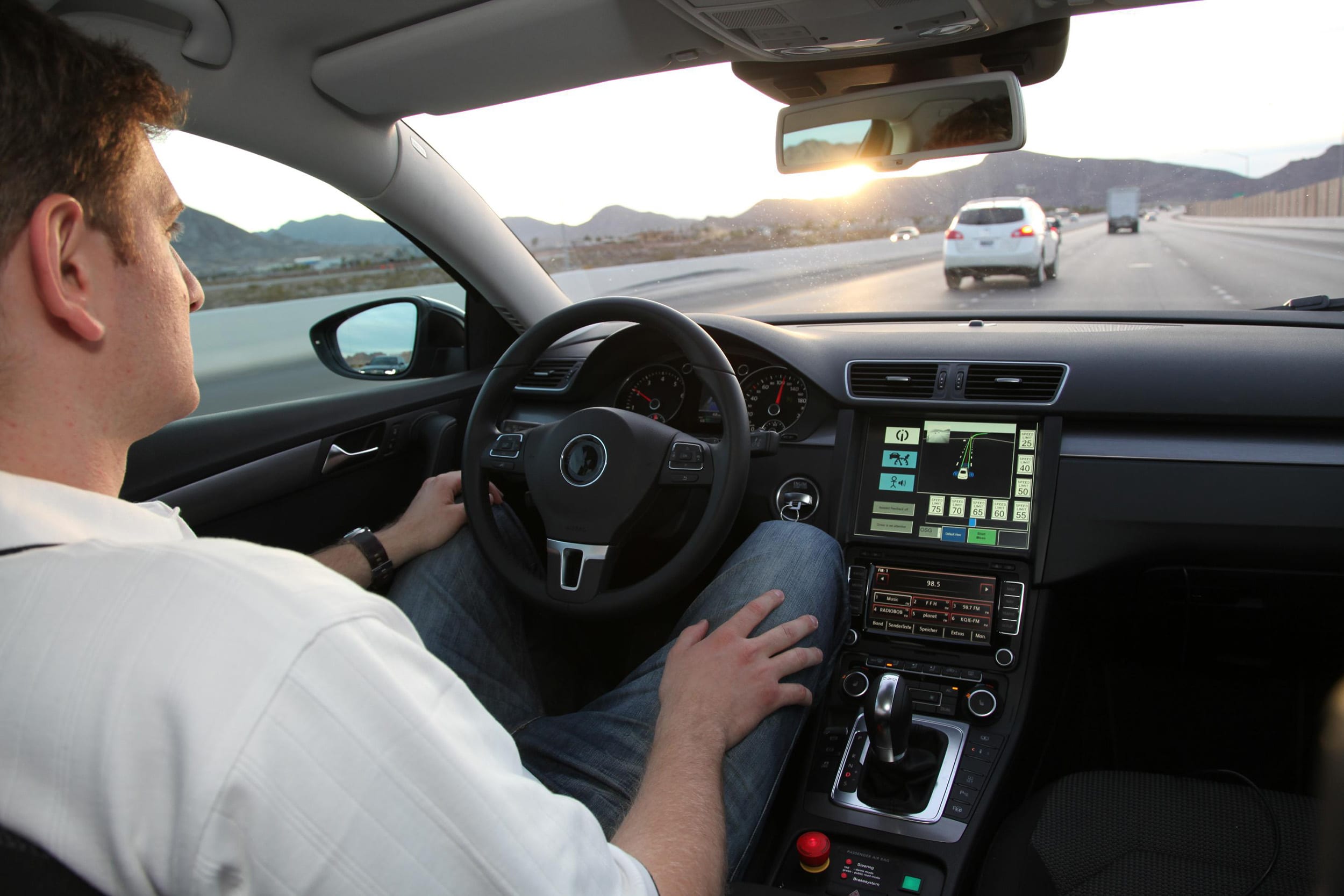
When electronic systems take control of an autonomous car, they need to perform perfectly every time. That’s prompting developers to build fault tolerance into systems.

The levels of redundancy will vary. If drivers are paying attention, they can act if a sensor fails. But when more autonomy leads to less driver interaction, engineers need to duplicate components to make systems fail-safe.
“The level of redundancy is coming out of the safety analysis and the safety goal,” said Steffen Linkenbach, Head of Systems & Technology at Continental Automotive North America. “We will definitely need more redundancies in power supply, actuators, and controllers than we have today.”
Without drivers, every facet of safety must be examined. Systems must constantly run diagnostics while they’re also performing their central role. If there are problems, the system must act to make sure accidents don’t happen.
“It’s not just redundant sensors, you need redundant power systems, communications, control units, and braking units,” said Erik Coelingh, Senior Technical Leader at Volvo Car Corp. “If something goes wrong, the car must detect that and put the vehicle into a safe state. It doesn’t have to continue with autonomous driving; it just needs to alert the driver and put the vehicle in the driver’s control.”
Keeping drivers in the loop is the simplest way to avoid the high cost of backup hardware. Many observers feel that it will take quite some time for the industry to move from semi-autonomous systems that rely on drivers to fully autonomous cars that let drivers do other tasks or sleep. Cost will be a huge factor in this progression.
“By eliminating the possibility of manual backup, these systems become very complex and therefore expensive,” said Brian Daugherty, Visteon’s Associate Director of Advanced Development and Intellectual Property.
In semi-autonomous vehicles that rely partially on drivers, it may be a challenge to keep them from becoming distracted. Strategists are already examining ways to ensure that they remain focused on the road, not the infotainment system.
“There are different ways to keep drivers involved,” said Kay Stepper, Regional Business Manager for Automated Driving at Robert Bosch Chassis Systems Control Division. “You can monitor the driver’s facial expression or eyes using a camera or you can require the driver to touch the steering wheel for a couple seconds. Automated trains require manual input so the machines knows the driver is still engaged.”
More From SAE Media Group
Automotive Engineering
‘Cruising Chauffeur’ Demos SAE Level 3 Autonomy
Automotive Engineering
Daimler and Uber Team up to Bring More Self-Driving Cars to the Road
Automotive Engineering
Google Goes Hands- and Feet-Free in Pursuit of Driverless Cars
Automotive Engineering
Continental Shows Next-Generation Highly Automated Car
Automotive Engineering
Continental Demonstrates New Sensing Technologies for SAE Level 4 Capability
Autonomous Vehicle Engineering
Why Car Washes Threaten Automated Vehicles
Automotive Engineering
Driver Still Has a Seat in Delphi's Automated-Driving Vision
Automotive Engineering
V2X Communications Face Many Challenges Before Deployment
Automotive Engineering
Nvidia’s New Level 2+ Autonomy Platform Is Making Cars Safer Today
Automotive Engineering
Nissan's ProPILOT Assist Is More Than Lane-Keeping
Automotive Engineering
Reality Check for Robot Cars
Automotive Engineering
JLR Prepares to Leave the Road — Autonomously
Automotive Engineering
Toyota Sticking with Measured, ‘Teammate’ Approach to Autonomous Development
Automotive Engineering
Self-Parking Vehicle Via Valeo Valet
Automotive Engineering
SAE Convergence 2016: Automakers, Suppliers Firm That Autonomous Driving Not Decades Away
Automotive Engineering
ZF and Hella Launch Sensor-Systems Development Partnership
Automotive Engineering
Ford Promises Full-Autonomous Car in 2021
Automotive Engineering
Google's Krafcik Talks Self-Driving Vehicle Development
Automotive Engineering
SAE Offers Free Summary Document on Levels of Vehicle Automation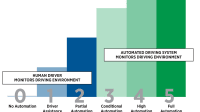

Automotive Engineering
Delphi Adds to Autonomy Arsenal
Automotive Engineering
Delphi Showcasing Next-Gen Autonomous System at CES 2017
Automotive Engineering
Autoliv, Seeing Machines Team up to Develop Driver Monitoring Systems
Automotive Engineering
Autonomous Vehicle Challenge Ramps up Competition at Convergence
Automotive Engineering
The Ever-Changing Mobility Landscape
Automotive Engineering
Congestion, Autonomy, and Connectivity Key Issues for MY 2054 Cars
Off-Highway Engineering
Peloton Develops a Level 4 Automated Platooning System, but Keeps the Driver in Charge
Automotive Engineering
WCX17: Former Transportation Secretary Warns Against Potential CAFE Pullback
Automotive Engineering
Nader: Are Glitch-Free Autonomous Vehicles Possible?
Automotive Engineering
Dassault Systèmes and AKKA Partner on Driverless-Vehicle Technology (Video)
Top Stories
INSIDERManufacturing & Prototyping
 How Airbus is Using w-DED to 3D Print Larger Titanium Airplane Parts
INSIDERManned Systems
 FAA to Replace Aging Network of Ground-Based Radars
NewsTransportation
 CES 2026: Bosch is Ready to Bring AI to Your (Likely ICE-powered) Vehicle
NewsSoftware
 Accelerating Down the Road to Autonomy
EditorialDesign
 DarkSky One Wants to Make the World a Darker Place
INSIDERMaterials
 Can This Self-Healing Composite Make Airplane and Spacecraft Components Last...
Webcasts
Defense
 How Sift's Unified Observability Platform Accelerates Drone Innovation
Automotive
 E/E Architecture Redefined: Building Smarter, Safer, and Scalable...
Power
 Hydrogen Engines Are Heating Up for Heavy Duty
Electronics & Computers
 Advantages of Smart Power Distribution Unit Design for Automotive...
Unmanned Systems
 Quiet, Please: NVH Improvement Opportunities in the Early Design...
