




DarkSky One Wants to Make the World a Darker Place
The car is designed around our principles for responsible outdoor lighting, which say to put the light where you need it, in the amount that you need it, not more, and turn it off when no one is around.”
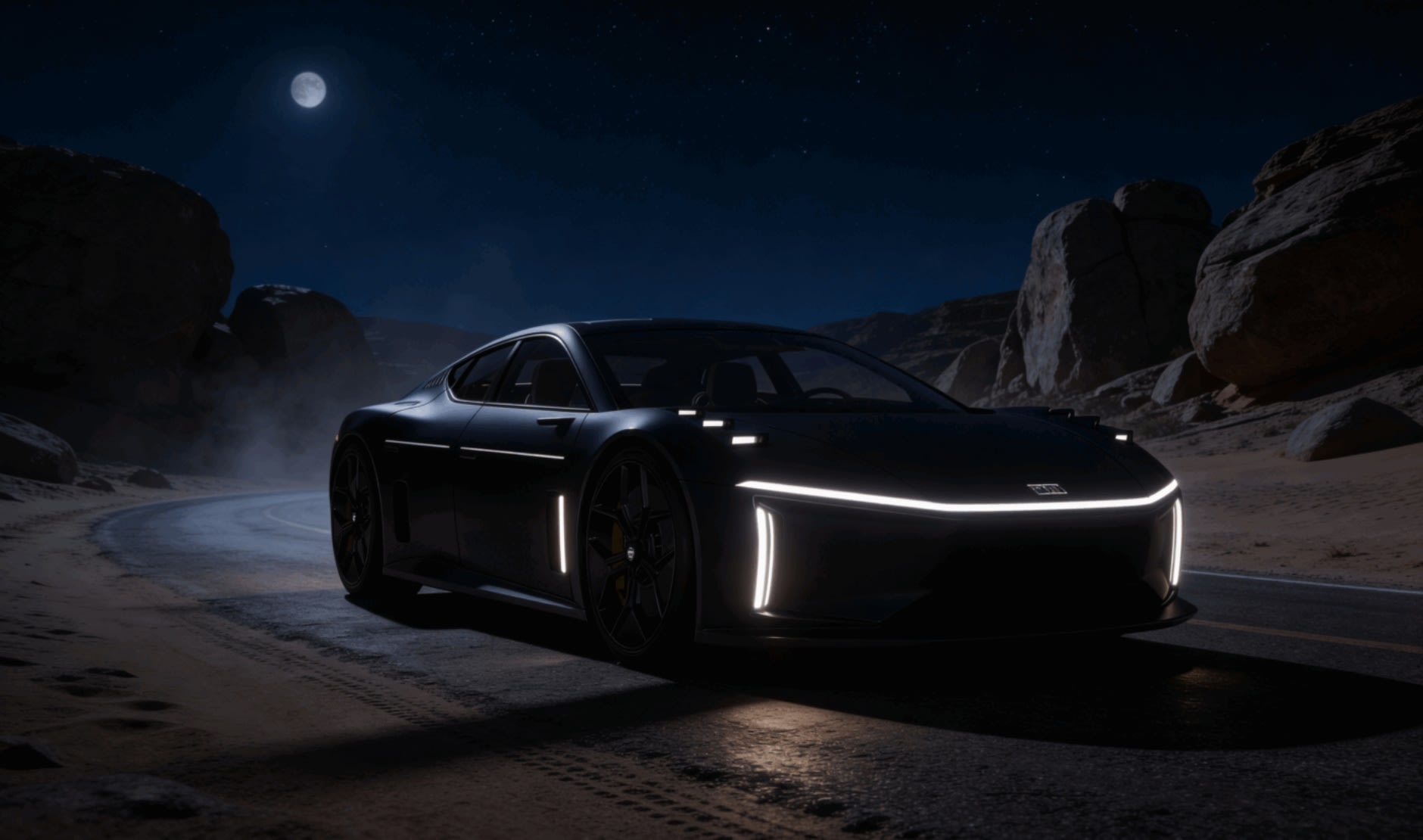
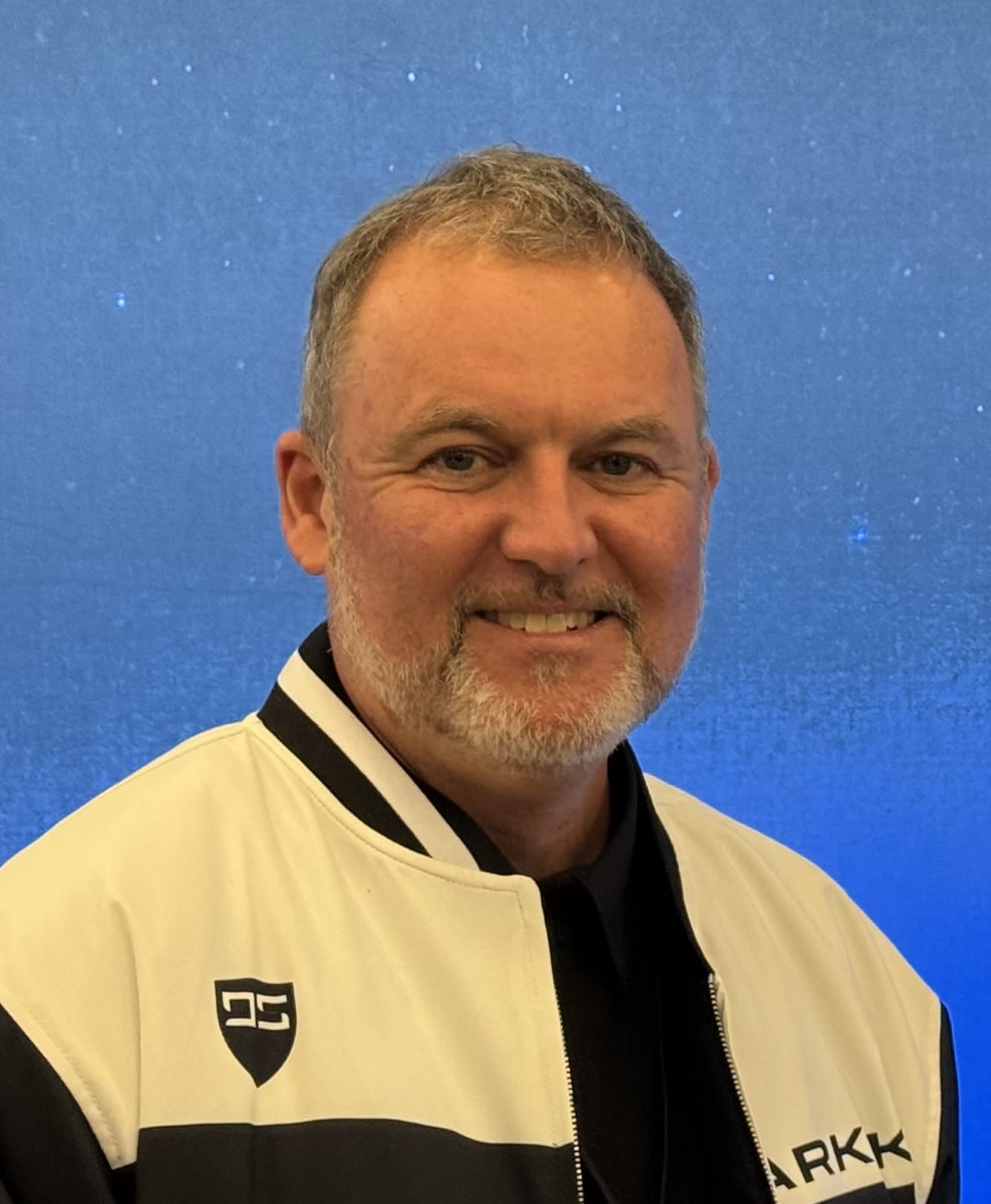
The DarkSky One is a concept of a concept car. It doesn’t physically exist, but a lot of thought went into the design, which was intended to create the first car with nighttime driving front-of-mind. SAE Media spoke with Ruskin Hartley, CEO and executive director of DarkSky International, the group behind the car, at the 2026 Detroit Auto Show, where the DS One was introduced.
What are some of the main ideas behind the DarkSky One?
People appreciate that darkness is something really special. It’s fragile. It’s something essential to all life on Earth. And, actually, just adding more light doesn’t make us see better all the time. Anyone who’s actually driven around on roads at night knows when a car’s coming towards you, the high beams these days, they’re getting brighter, they’re getting more glare and they’re actually creating hazards for lots of people out there. The concept here is to actually engage people in conversation about the value of natural darkness, of the critical role that design plays in having lighting that meets our needs as people, whilst also protecting and respecting the natural world around us, and using DarkSky Motors and DarkSky One as a vehicle to have that conversation.
What are some of the technologies on the car itself?
The car is designed around our principles for responsible outdoor lighting, which say to put the light where you need it, in the amount that you need it, not more, and turn it off when no one is around. So, how that is built into this car? If you’re driving down a road at 30 mph, your headlights don’t need to shine as far down the road as if you’re driving at 70 mph, right? It’s just physics and math. It’s about reducing glare, so the car is designed with black specular paint in mind and clever angles in all the optics and the glass to reduce the glare on the driver, so that the driver, as they’re driving around, can actually enjoy the nighttime environment more as well. Really, it’s a vehicle to have a conversation about lighting design.
There’s no a car here in Detroit, correct?
There is no car. There’s a video of the car. It’s designed by a Japanese concept car company, with the challenge to design for nighttime driving first. So it has a beautiful moon roof. It has Lidar and other sensors around it, so it reduces the need for visual. This is the conversation we want to have with the light design community.
How would autonomous technologies further improve things?
We’ve talked about it. The DarkSky Two has the potential to be a fully autonomous vehicle that will be integrated with the smart systems in our cities, so maybe when it’s driving along, when there are people there, the street lights turn on. I think as we’re developing these autonomous vehicles, are we developing them with the theory that they’re going to use visual sensors to see their way around, or are they going to start to look at non-visual sensors – the lidars, the infrared – so we could actually have vehicles that could see and feel their way around a city without necessarily having the light.
City is one thing. When you’re out in the natural world, maybe you’re driving to a dark sky park, do you really need to have your high beams on full intensity, as if you’re driving down an urban freeway? We know that’s impacting the wildlife. We need to start thinking about these things. We start thinking about the impact.
More From SAE Media Group
Lighting Technology
LRC Evaluates Safety Impacts of Advanced Car Headlight Systems

Photonics & Imaging Technology INSIDER
New Product Launches and Technologies to See at Photonics West 2025
Automotive Engineering
Gaze-Directed Headlights Could Be on Horizon
Automotive Engineering
MAGNA Say Some Hurdles of Seat-reconfiguration System to Be Addressed by OEMs
Lighting Technology
Light Your World With Solid-State Lighting
Automotive Engineering
Lights Communicate Hella's Autonomous Vehicle Messages
Photonics & Imaging Technology
Designing a Silicon Photonic MEMS Phase Shifter with Simulation
Photonics & Imaging Technology
Rice ‘Metalens’ Could Disrupt Vacuum UV Market
Automotive Engineering
AVSC Develops Best Practices for Traceable AV Safety Inspection Protocols
Electronics & Sensors INSIDER
Manufacturing the World's Tiniest Light-Emitting Diodes
Photonics & Imaging Technology INSIDER
A Compact, Mid-Infrared Pulse Generator
Motion Design INSIDER
Light-Powered Motor Fits Inside a Strand of Hair
Lighting Technology
LED Phosphor Application
Lighting Technology INSIDER
Wireless Occupancy Sensors

Lighting Technology
Covert Aircraft Landing Lights
Motion Design
Cat’s Eye-Inspired Vision System for Autonomous Robotics
Automotive Engineering
CES 2026: Bosch is Ready to Bring AI to Your (Likely ICE-powered) Vehicle
Photonics & Imaging Technology
Taking It to the Streets: Designing Streetlamp Optical Components
Automotive Engineering
Sony Honda Afeela Prototype 2026 Was the Easier Engineering Challenge
Autonomous Vehicle Engineering
Automated-Vehicle ‘Goiters’ Be Gone!
Photonics & Imaging Technology INSIDER
Photonic Crystals Bend Light as Though It Were Under the Influence of Gravity

Automotive Engineering
Designer Yin Meets Engineer Yang
Lighting Technology
LED Luminaires
Photonics & Imaging Technology
See Objects Hidden Around Corners
Top Stories
NewsSensors/Data Acquisition
 Microvision Aquires Luminar, Plans Relationship Restoration, Multi-industry Push
INSIDERRF & Microwave Electronics
 A Next Generation Helmet System for Navy Pilots
INSIDERWeapons Systems
 New Raytheon and Lockheed Martin Agreements Expand Missile Defense Production
NewsAutomotive
 Ford Announces 48-Volt Architecture for Future Electric Truck
INSIDERAerospace
 Active Strake System Cuts Cruise Drag, Boosts Flight Efficiency
ArticlesTransportation

Webcasts
Aerospace
 Cooling a New Generation of Aerospace and Defense Embedded...
Energy
 Battery Abuse Testing: Pushing to Failure
Power
 A FREE Two-Day Event Dedicated to Connected Mobility
Automotive
 Quiet, Please: NVH Improvement Opportunities in the Early Design Cycle
Electronics & Computers
 Advantages of Smart Power Distribution Unit Design for Automotive &...
Unmanned Systems
 Sesame Solar's Nanogrid Tech Promises Major Gains in Drone Endurance