




Reshaping the Mobile-hydraulic Ecosystem
Off-highway equipment is steadily shifting away from piecemeal systems and toward integrated, intelligent power architectures that maximize efficiency across the entire vehicle
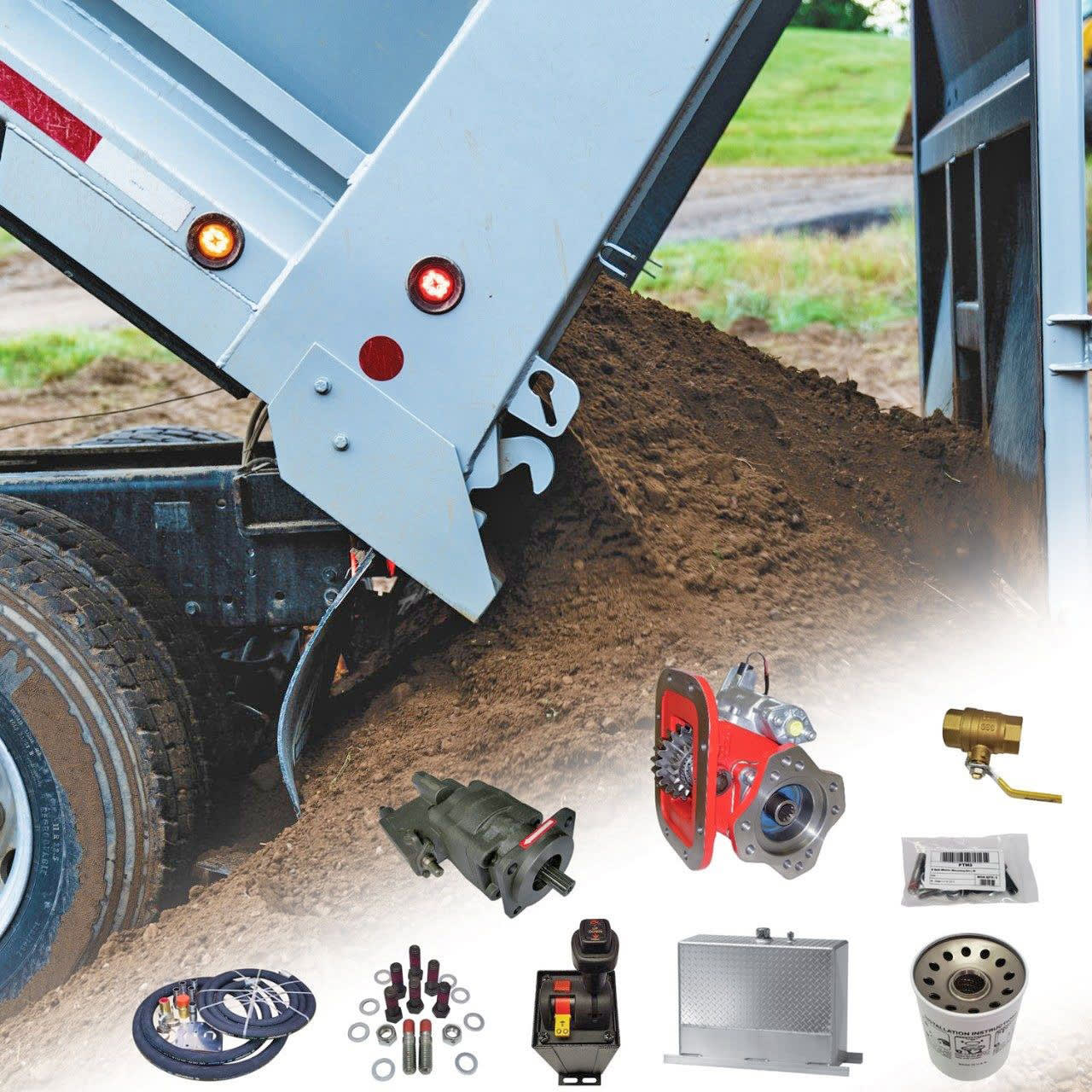
Off-highway equipment operates in an environment defined by extremes – extreme loads, extreme duty cycles, extreme temperatures and extreme expectations. OEMs and fleet operators face mounting pressure to deliver more power, more uptime and more precision from platforms that are becoming increasingly compact, intelligent and complex. Whether the task is hauling, lifting, dumping, clearing or moving materials, the equipment must deliver consistent, reliable performance without compromise.
This pressure is reshaping the mobile-hydraulic ecosystem. The industry is steadily shifting away from piecemeal systems and toward integrated, intelligent power architectures that maximize efficiency across the entire vehicle. Leaders in this space, Eaton among them, demonstrate how a system-level approach to PTOs, hydraulic pumps and control valves is enabling a new generation of off-highway innovation.
Integration matters more than ever
Traditionally, upfitters and OEMs selected power take-offs, pumps and directional control valves independently, focusing on immediate availability or legacy specification preferences. That approach is rapidly becoming outdated. Modern applications demand:
- Higher pressure and flow for faster cycle times
- Smooth, controlled PTO engagement that protects driveline components
- Modular, configurable valve systems capable of managing multiple functions simultaneously
- Systemwide durability in extreme-duty environments.
A modular but integrated power system ensures every component – from the PTO to the pump to the valve stack – works in harmony, reducing mechanical shock, improving thermal stability and lowering total cost of ownership.
PTO innovation
The PTO has evolved from a simple mechanical interface to an engineered control point that shapes safety, driveline longevity and operator experience. Recent advancements, such as hot-shift engagement for automatic and automated transmissions, are transforming how equipment functions in the field.
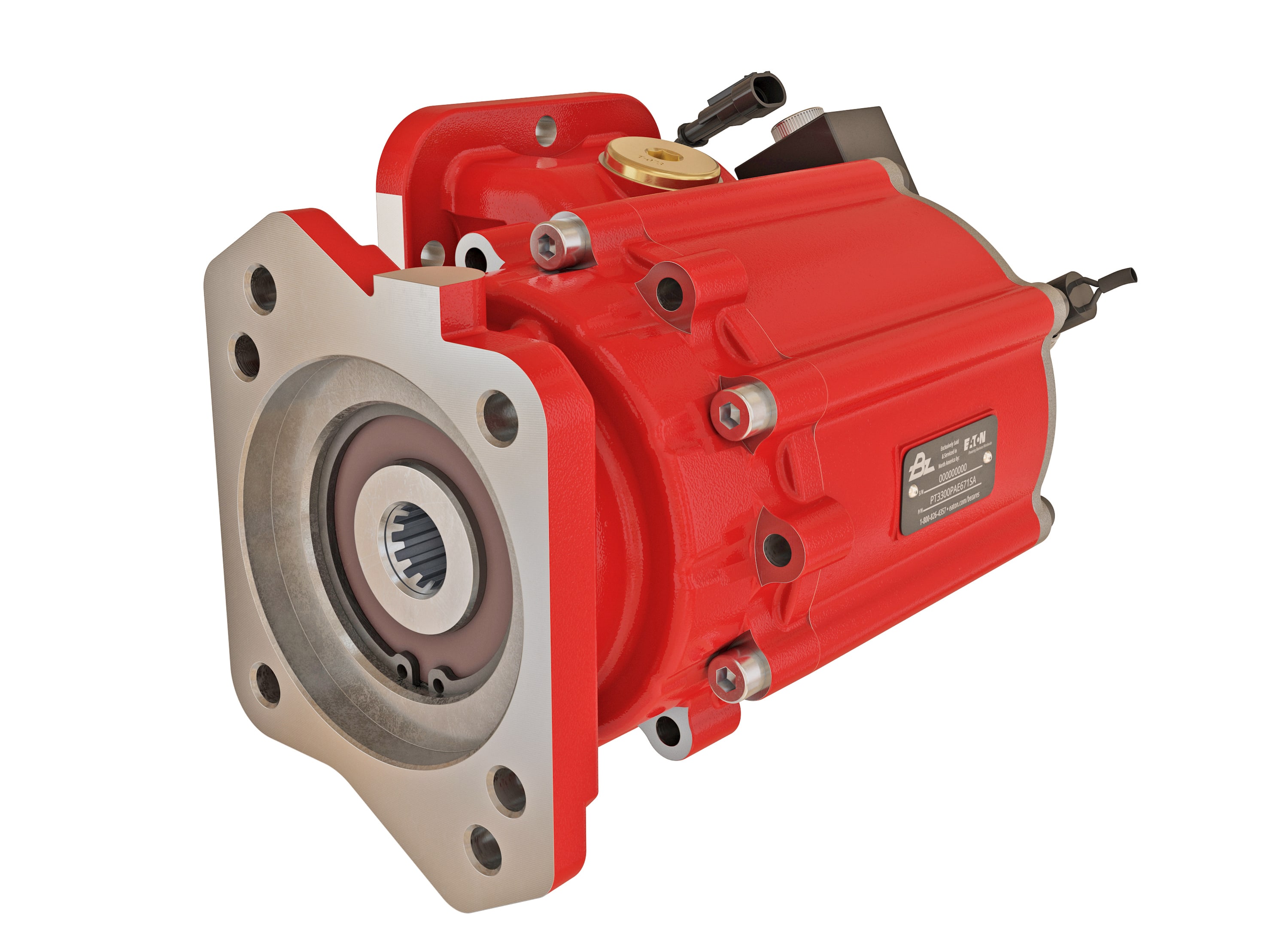
Hot-shift PTOs allow operators to engage auxiliary hydraulics without stopping the vehicle or shifting to neutral. In applications like tow and recovery, fire and rescue, municipal utility work or landscaping, the difference is measured not just in convenience but in response time, safety and uptime. Smooth, pulse-width-modulated clutch engagement reduces shock loads, helping fleets extend component life and avoid premature failures.
Higher-performance pumps
Hydraulic pumps are seeing dramatic innovation as well. New pump designs – many shifting away from traditional roller-bearing construction – are enabling higher working pressures with less weight. That combination delivers real-world advantages:
- Faster dump cycles
- Higher payload efficiency
- Reduced overall vehicle weight
- Improved reliability under sustained high pressure.
Bushing-style dump pumps, for example, now routinely exceed 3,000 psi (207 bar), far surpassing the limits of older designs. For applications such as end-dump trailers, walking-floor haulers and refuse operations, these advancements translate directly into productivity gains and reduced operating costs.
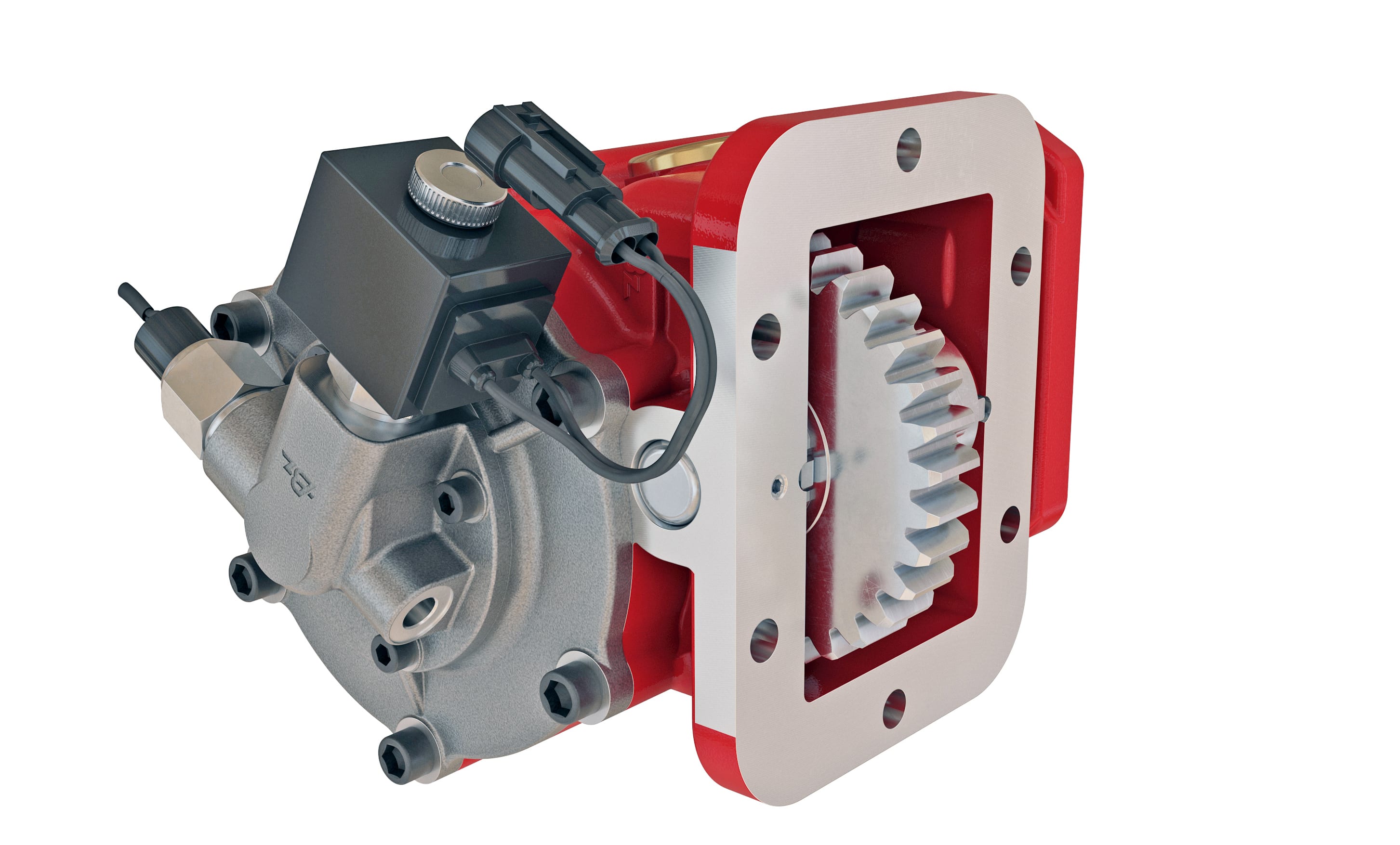
Variable-displacement piston pumps add another layer of intelligence by enabling precise flow control across changing load conditions. For agriculture, construction and industrial machinery, this means operators can fine-tune hydraulic output to the task, boosting both performance and fuel efficiency.
Intelligent control valves
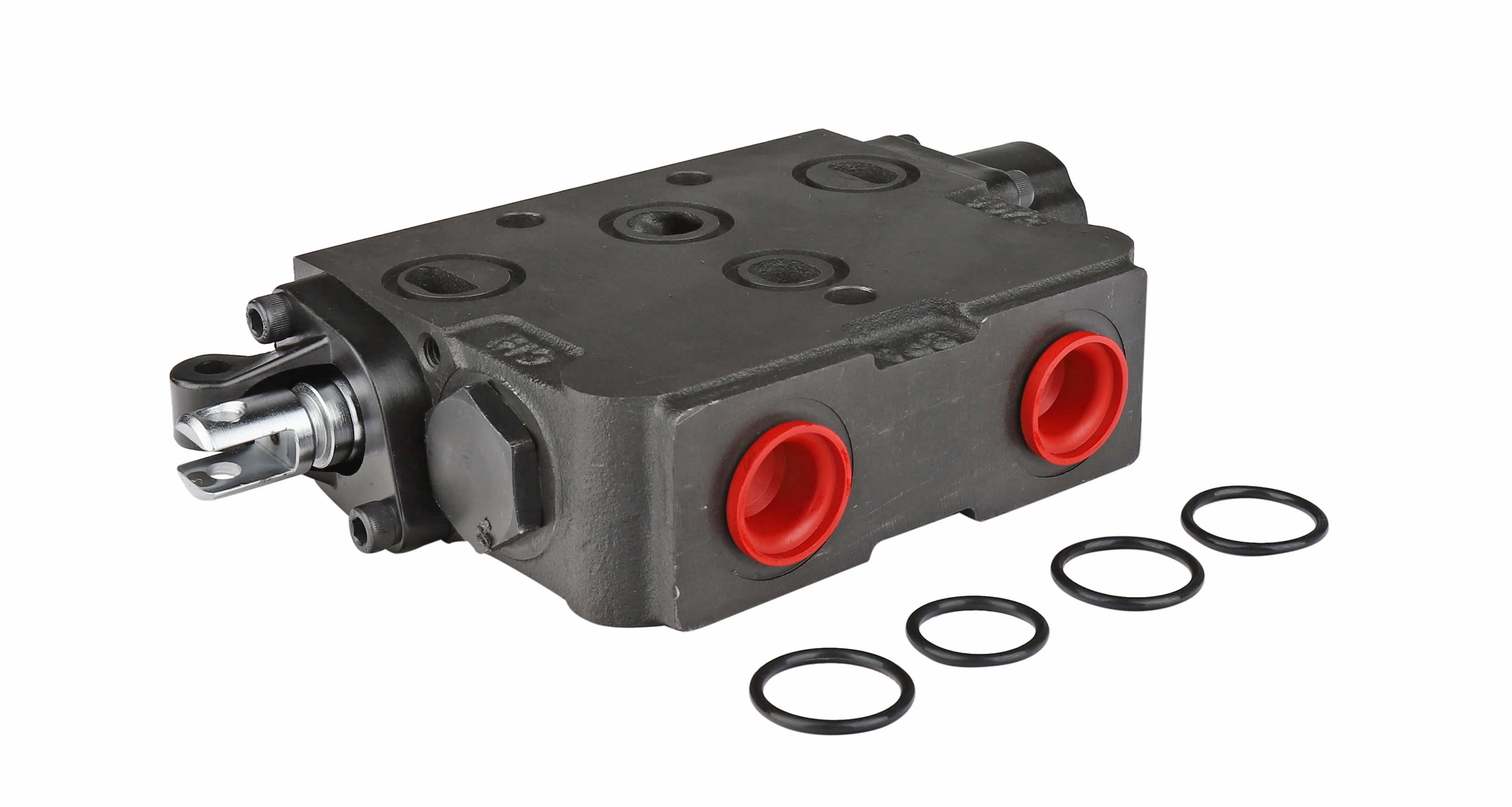
As hydraulic systems grow more capable, so does the need for smarter flow management. Modern sectional valve systems provide the flexibility to prioritize, divide or redirect flow based on application needs. Direct-replacement valve families that align with legacy Parker/Gresen/Commercial Intertech portfolios simplify upgrades and reduce installation friction, an important consideration for fleets with mixed equipment.
The most forward-thinking valve architectures allow OEMs and upfitters to customize a stack from individual components or choose pre-engineered assemblies tailored to specific system functions. This modularity directly reduces downtime, simplifies repairs and enhances operator control.
A fully engineered system
Where the industry is heading, the conversation is no longer about standalone components. It is about complete, integrated mobile-power ecosystems capable of meeting the demands of:
- End-dump and walking-floor trailers requiring high-pressure pumps for fast, controlled unloading
- Refuse and recycling trucks where space is limited and reliability is paramount
- Utility and service trucks that depend on responsive hydraulics for cranes, compressors and auxiliary systems
- Agricultural and landscaping equipment that must adapt to constantly changing loads and tasks.
In each of these environments, real productivity gains come from minimizing driveline stress, reducing cycle times and ensuring that every hydraulic movement is predictable, efficient and safe.
What comes next
As the off-highway sector advances toward more electrification, automation and smart-equipment ecosystems, the expectations placed on hydraulic power systems will only increase. Future-ready platforms will prioritize:
- System-level durability
- High-pressure efficiency
- Intelligent flow control
- Reduced maintenance demand
- Compatibility with next-generation vehicle architectures.
Manufacturers that adopt an integrated mindset – leveraging coordinated PTO, pump and valve technologies – will be best positioned to lead the next era of off-highway productivity.
In a landscape where every minute of uptime matters and every cycle counts, the industry’s mission is clear: build smarter, stronger, more connected power systems that keep the world’s hardest-working equipment moving.
Corneliu Bogdan, director, Aftermarket Sales, Eaton’s Mobility Group, wrote this article for SAE Media Group.
More From SAE Media Group
Off-Highway Engineering
Pumping Up Hydraulic Capabilities
Off-Highway Engineering
Electrohydraulic Power Steering Pursued for Heavy-Duty Vehicles
Off-Highway Engineering
Miserly Power Systems
Automotive Engineering
Valve Cuts NVH in GDI Engines
Off-Highway Engineering
High-Flow Motors
Automotive Engineering
The Inside Story on Thermal Management
Off-Highway Engineering
Dana Rexroth Completes Validation Testing on R2 HVT
Off-Highway Engineering
Volvo CE’s New Short Swing Radius Excavator
Off-Highway Engineering
FEV Simplifies Off-Highway Electrification
Automotive Engineering
JLR's All-New 2015 Modular Engines Feature Roller-Bearing Cams, Balance Shaft
Off-Highway Engineering
Komatsu Augments Intelligent Machine Control in New Excavator
Off-Highway Engineering
Deere Tier 4 Final Construction-Class Dozers Feature New Electrohydraulic System
Automotive Engineering
Inside the Bolt EV
Automotive Engineering
Flywheel Hybrids Offer New Efficiency Potential
Off-Highway Engineering
Axial Piston Pumps
Off-Highway Engineering
Operator Safety, Productivity Focus of Volvo CE's Crawler Excavator

Off-Highway Engineering
Cat Designs Its 336F L XE Hybrid Excavator with Building-Block Technologies
Off-Highway Engineering
Variable Transmission Platform
Automotive Engineering
More Gears, More Challenges
Automotive Engineering
Slick Solutions for Friction Reduction
Off-Highway Engineering
Daimler Trucks' Lessons Learned from SuperTruck Program
Off-Highway Engineering
Gearshift Actuator Dynamics in a Dual Clutch Transmission
Motion Design
Making the Jump to Electric
Off-Highway Engineering
On the Verge of the Digital Age
Automotive Engineering
Dana Opens New Chapter on CVTs
Off-Highway Engineering
Komatsu America Adds to Intelligent Machine Lineup

Off-Highway Engineering
WABCO Introduces New Compressors
Off-Highway Engineering
Engineers at Cape Optimize Test-rig Performance for Roof-crush Testing
Top Stories
NewsRF & Microwave Electronics
 Microvision Aquires Luminar, Plans Relationship Restoration, Multi-industry Push
INSIDERAerospace
 A Next Generation Helmet System for Navy Pilots
INSIDERDesign
 New Raytheon and Lockheed Martin Agreements Expand Missile Defense Production
INSIDERMaterials
 How Airbus is Using w-DED to 3D Print Larger Titanium Airplane Parts
NewsPower
 Ford Announces 48-Volt Architecture for Future Electric Truck
ArticlesAR/AI

Webcasts
Defense
 Cooling a New Generation of Aerospace and Defense Embedded...
Power
 Battery Abuse Testing: Pushing to Failure
Connectivity
 A FREE Two-Day Event Dedicated to Connected Mobility
Automotive
 Quiet, Please: NVH Improvement Opportunities in the Early Design Cycle
Electronics & Computers
 Advantages of Smart Power Distribution Unit Design for Automotive &...
Energy
 Sesame Solar's Nanogrid Tech Promises Major Gains in Drone Endurance