




Automotive Engineering - July 2015
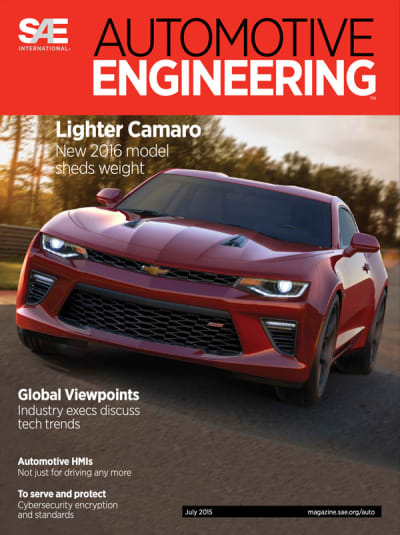
Inside this issue
Overview
The July 2015 issue of Automotive Engineering presents a comprehensive overview of the latest trends and innovations in the automotive industry, focusing on advancements in vehicle technology, safety, and efficiency.
Key Highlights:
-
Lighter Camaro: The issue features the new 2016 Chevrolet Camaro, which has transitioned from GM's Zeta architecture to the Alpha platform. This change has resulted in a significant reduction in weight, enhancing performance and efficiency. The Camaro is positioned as a competitor to the Ford Mustang, emphasizing its sporty characteristics and improved handling.
-
Automotive Human-Machine Interfaces (HMIs): As vehicles become increasingly automated, the role of HMIs is evolving. The magazine discusses how these interfaces are not just for driving anymore; they are being designed to facilitate a seamless transition between driving and other activities, such as work or entertainment, as autonomous driving technology becomes more prevalent.
-
Cybersecurity in Automotive: With the rise of connected vehicles, cybersecurity has become a critical concern. The issue highlights the industry's efforts to implement encryption and standards to protect vehicle controls from unauthorized access. This focus on cybersecurity is essential to ensure the safety and integrity of modern vehicles.
Wireless Charging Technology: A significant feature of this issue is a detailed analysis of wireless charging technology for electric vehicles. The article discusses the collaborative efforts of major automakers to develop conductive and wireless charging solutions, emphasizing the importance of establishing technical standards for safety and interoperability. The publication, authored by Dr. In-Soo Suh and a team of experts, provides insights into the current status and future prospects of wireless power transfer technology in road transportation.
-
Industry Trends and Future Directions: The magazine includes a section on global viewpoints, where industry executives discuss emerging technology trends. Topics include the future of internal combustion engines (ICEs) beyond 2025, the evolution of vehicle autonomy, and the need for open platforms in the automotive sector. These discussions highlight the industry's response to changing consumer demands and regulatory pressures.
-
Innovations in Materials and Manufacturing: The issue also covers advancements in materials, such as the use of aluminum frame rails and new alloy castings by Alcoa, which contribute to weight reduction in vehicles. This focus on lightweight materials is crucial for improving fuel efficiency and reducing emissions in the automotive sector.
-
Research and Development Investments: The magazine reports on Johnson Controls' investment in research and development, particularly in the area of energy solutions. This investment reflects the industry's commitment to innovation and sustainability, as companies seek to develop more efficient and environmentally friendly technologies.
-
Future Mobility Solutions: The issue features insights from experts on the future of mobility, including the potential for driverless and shared vehicles in urban environments. The discussions emphasize the need for the automotive industry to adapt to changing transportation paradigms and consumer preferences.
-
Subscription and Membership Information: The magazine provides details on subscription options for readers, including pricing for both members and non-members of SAE International. It also highlights the benefits of membership, such as access to exclusive content and discounts on publications.
In summary, the July 2015 issue of Automotive Engineering encapsulates the dynamic changes occurring in the automotive industry, driven by technological advancements, safety concerns, and evolving consumer expectations. The focus on lightweight materials, cybersecurity, and innovative charging solutions reflects a broader trend towards sustainability and efficiency in vehicle design and manufacturing. As the industry navigates these challenges, the insights and analyses presented in this issue serve as a valuable resource for professionals and enthusiasts alike, providing a glimpse into the future of automotive engineering.
Features
-
Articles
Future ICEs: What Comes After 2025?
Plotting the Vehicle Autonomy Revolution
It’s ‘Do-or-Die Time’ to Plan for Open Platforms
Regulars
-
Global Vehicles
2016 Camaro: GM Unleashes Its Lighter, Faster Mustang Competitor
-
Technology Reports
Audi Evolves the Miller Cycle in Its New 2.0-L Spark-Ignition Engine
Johnson Controls Invests in LTU Research Lab
Aluminum Frame Rails, New Alloy Castings from Alcoa Help Cut 2500 Lb from Tractor-Trailers
-
Product Briefs
Electromechanical Joining System
Stories
-
News
Gaze-Directed Headlights Could Be on Horizon
Connectivity Forces Business Model Changes
Haptic Feedback Is Key to Continental’s New Anti-Distraction Touch Screen
Controlling Engines with Virtual Sensors
Mitsubishi Puts NVH in 2016 Outlander's Crosshairs
Faster, Lighter: Lotus Reveals Its Quickest Road Car Yet
Ford Expands ‘Split-View’ Camera Applications in SUVs, Trucks
Stability Control Boosts Motorcycle Safety
Jaguar Turns Marketing Speak into Engineering Reality for XE
Top Stories
NewsSensors/Data Acquisition
 Microvision Aquires Luminar, Plans Relationship Restoration, Multi-industry Push
INSIDERRF & Microwave Electronics
 A Next Generation Helmet System for Navy Pilots
INSIDERWeapons Systems
 New Raytheon and Lockheed Martin Agreements Expand Missile Defense Production
NewsAutomotive
 Ford Announces 48-Volt Architecture for Future Electric Truck
INSIDERAerospace
 Active Strake System Cuts Cruise Drag, Boosts Flight Efficiency
ArticlesTransportation

Webcasts
Aerospace
 Cooling a New Generation of Aerospace and Defense Embedded...
Energy
 Battery Abuse Testing: Pushing to Failure
Power
 A FREE Two-Day Event Dedicated to Connected Mobility
Automotive
 Quiet, Please: NVH Improvement Opportunities in the Early Design Cycle
Electronics & Computers
 Advantages of Smart Power Distribution Unit Design for Automotive &...
Unmanned Systems
 Sesame Solar's Nanogrid Tech Promises Major Gains in Drone Endurance