




Defense Tech Briefs - October 2009
Inside this issue
Supplements
Overview
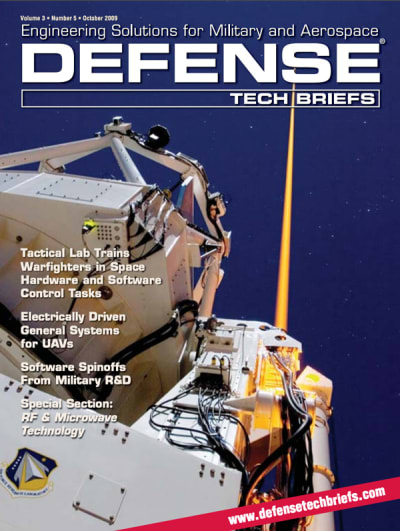
The October 2009 edition of Defense Tech Briefs and RF & Microwave Technology presents a comprehensive overview of advancements in military technology, focusing on various innovative systems and methodologies that enhance operational effectiveness. This issue is particularly relevant for professionals in defense, engineering, and technology sectors, as it highlights the latest trends and developments in military applications.
Key Highlights:
-
Tactical Training for Warfighters in Space: The magazine opens with an exploration of how modern training programs are adapting to prepare military personnel for operations in space. As space becomes an increasingly critical domain for national security, the need for specialized training that incorporates both tactical and technical skills is paramount. The article discusses various training methodologies and technologies that are being implemented to ensure that warfighters are equipped to handle the complexities of space operations.
-
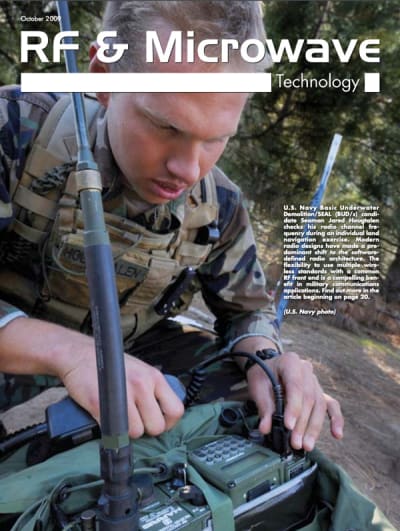
Software-Defined Radio Architecture: A significant portion of the issue is dedicated to the evolution of radio communications within the military. The shift towards software-defined radio (SDR) architecture is highlighted as a transformative change in military communications. SDR allows for the flexibility to utilize multiple wireless standards through a common radio front end, which is essential for interoperability among different military branches and allied forces. The article emphasizes the benefits of SDR, including enhanced adaptability, reduced costs, and improved performance in dynamic operational environments.
-
Innovations in UAV Systems: The magazine features a special section on unmanned aerial vehicles (UAVs), detailing the latest advancements in hardware and software that are driving the evolution of these systems. UAVs are increasingly being used for reconnaissance, surveillance, and combat missions, and the integration of advanced technologies is making them more effective. The discussion includes insights into the development of autonomous systems, improved sensor technologies, and the role of UAVs in modern warfare.
RF & Microwave Technology: The issue also delves into the realm of RF and microwave technology, which is crucial for various military applications, including radar, communications, and electronic warfare. Articles in this section cover the latest research and development efforts aimed at enhancing the performance and capabilities of RF systems. Topics include advancements in materials, design techniques, and the integration of RF technologies into existing military platforms.
-
Software Spinoffs from Military R&D: Another intriguing aspect of this edition is the exploration of software spinoffs that emerge from military research and development. The article discusses how innovations initially developed for military purposes often find applications in civilian sectors, leading to advancements in technology that benefit society as a whole. This cross-pollination of ideas underscores the importance of military R&D in driving technological progress.
-
Case Studies and Real-World Applications: Throughout the magazine, various case studies illustrate the practical applications of the technologies discussed. These real-world examples provide readers with a clearer understanding of how innovations are being implemented in the field and the impact they have on military operations. The case studies also highlight the challenges faced by military organizations in adopting new technologies and the strategies employed to overcome these obstacles.
-
Future Trends and Challenges: The issue concludes with a forward-looking perspective on the future of military technology. It addresses emerging trends, such as the increasing reliance on artificial intelligence and machine learning in defense applications, and the challenges that come with integrating these technologies into existing systems. The discussion emphasizes the need for ongoing research, collaboration, and investment to ensure that military forces remain at the forefront of technological advancements.
Conclusion:
The October 2009 edition of Defense Tech Briefs and RF & Microwave Technology serves as a vital resource for understanding the current landscape of military technology. By covering a wide range of topics, from tactical training in space to the latest in RF and microwave innovations, the magazine provides valuable insights for professionals in the defense sector. The emphasis on real-world applications and future trends makes this issue not only informative but also essential for those looking to stay ahead in the rapidly evolving field of military technology.
Overall, this edition encapsulates the dynamic nature of defense technology and the critical role it plays in ensuring national security and operational effectiveness in an increasingly complex global environment.
Features
-
Tech Transfer Reports
Web-Based Software Uses Patient Data to Diagnose Cancer
Information Technology Helps Users Monitor Power Consumption
Tech Briefs
-
Bio-Medical
-
Electronics & Computers
-
Information Sciences
Method for Detecting Planar Surfaces in Outdoor Urban Environments
-
Software
Medical Information Network Decision Support System
Multi-Agent Software for Airspace Control in the Combat Zone
-
Applications
Top Stories
INSIDERDefense
 New Raytheon and Lockheed Martin Agreements Expand Missile Defense Production
NewsAutomotive
 Ford Announces 48-Volt Architecture for Future Electric Truck
INSIDERManufacturing & Prototyping
 Active Strake System Cuts Cruise Drag, Boosts Flight Efficiency
ArticlesTransportation
 Accelerating Down the Road to Autonomy
INSIDERMaterials
 How Airbus is Using w-DED to 3D Print Larger Titanium Airplane Parts
Road ReadyTransportation

Webcasts
Electronics & Computers
 Cooling a New Generation of Aerospace and Defense Embedded...
Power
 Battery Abuse Testing: Pushing to Failure
Connectivity
 A FREE Two-Day Event Dedicated to Connected Mobility
Automotive
 Quiet, Please: NVH Improvement Opportunities in the Early Design Cycle
Transportation
 Advantages of Smart Power Distribution Unit Design for Automotive &...
Aerospace
 Sesame Solar's Nanogrid Tech Promises Major Gains in Drone Endurance