




Modular Mission Computer Upgrades for the Air Force C-17 Globemaster III Fleet
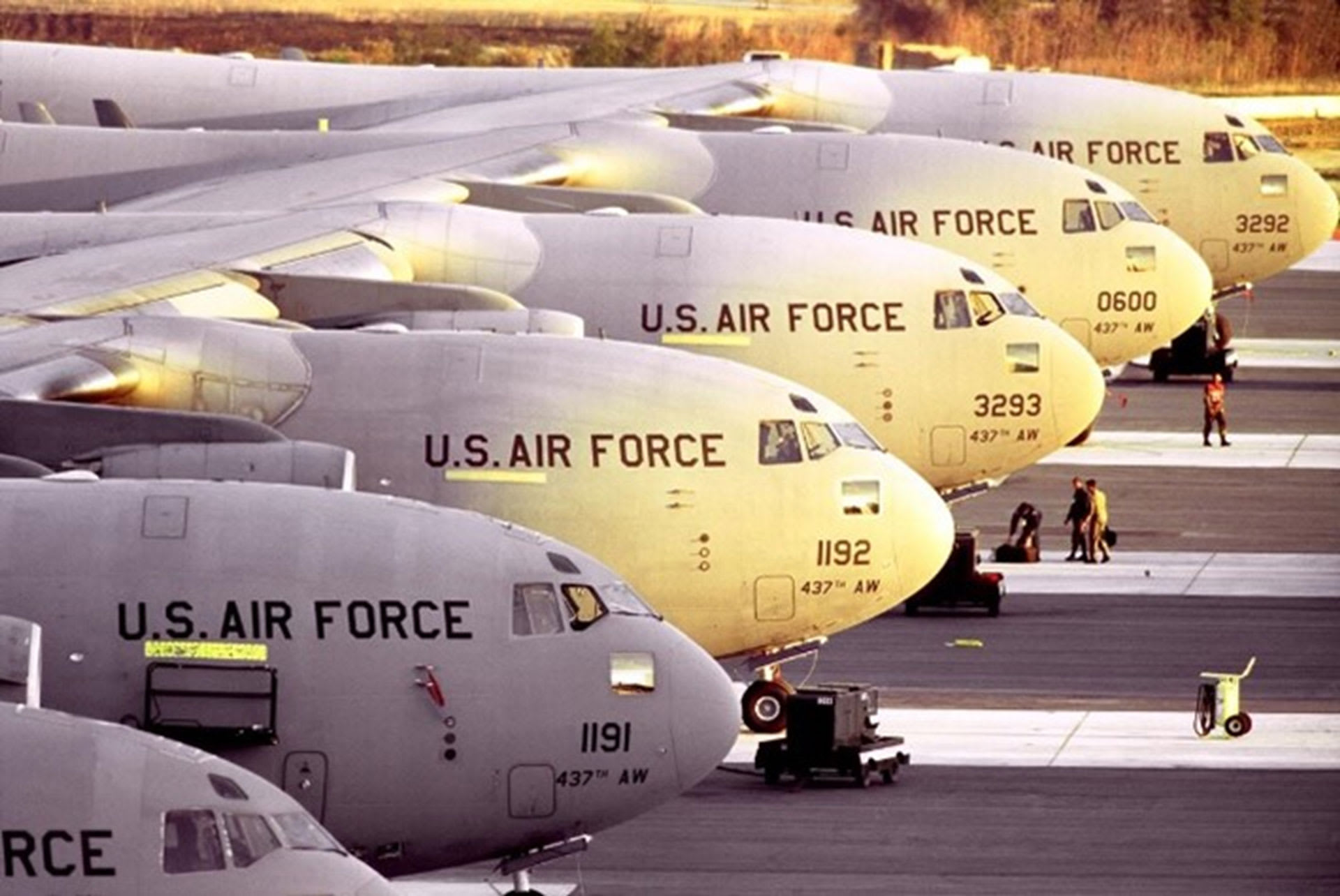
Boeing has selected Curtiss‑Wright Corporation to supply a new generation of Modular Open Systems Approach (MOSA)‑aligned mission computers for the U.S. Air Force’s C‑17 Globemaster III fleet . The upgrade is part of the C‑17 Flight Deck Obsolescence and Technology Refresh program, an effort intended to resolve aging avionics components while enabling future capability insertion across the aircraft’s remaining service life.
Originally flown in 1991, the four‑engine C‑17 remains the Air Force’s primary strategic and theater airlift platform, supporting global mobility, rapid troop deployment, and outsized cargo transport. The new mission computers are engineered to deliver higher‑performance processing, increased digital throughput, and an open‑architecture backbone that supports rapid integration of emerging technologies.
According to Boeing, the MOSA‑based design will introduce plug‑and‑play modularity, allowing the Air Force to field new mission applications, software updates, sensors, and cockpit enhancements more quickly and affordably. The architecture also provides a scalable path for avionics upgrades shaped by evolving operational needs, cybersecurity requirements, and international partner interoperability.
“The C‑17A has been the backbone of global air mobility for over three decades,” said Travis Williams, Vice President of United States Air Force Mobility & Training Services at Boeing. “With the U.S. Air Force requirement to keep the C‑17A viable through 2075, we already have a clear and achievable roadmap to support their needs, and the needs of our international partners around the globe. By resolving avionics obsolescence and introducing MOSA, we’re preserving a proven, highly dependable heavy airlifter and keeping it at the forefront of performance and efficiency for decades to come.”
Between 1993 and 2015, Boeing delivered 275 C‑17A aircraft, including 222 for the U.S. Air Force and 53 for international operators, forming a globally integrated sustainment enterprise across nine partner nations. The mission computer modernization forms a key element of keeping this coalition fleet supportable and technically aligned over the long term.
With MOSA‑enabled computing as the foundation, the C‑17 modernization effort is expected to enhance lifecycle affordability, reduce obsolescence risk, and ensure the airlifter can continuously adopt new capabilities.
More From SAE Media Group
Aerospace & Defense Tech Briefs
From the Editor: New Year, New Editor
Aerospace INSIDER
AFMC Completes First Ever Flight of F-35 with F-22 Software
Aerospace & Defense Tech Briefs
UAV Ground Control Station
Aerospace & Defense Tech Briefs
Flight Computer
Aerospace & Defense Tech Briefs
Avionics Upgrade for U.S. Forest Service: Sherpa Aircraft
Aerospace & Defense Tech Briefs
Militaries Choose Marvin Test Solutions MTS-3060A with Enhanced Flight-Line Test Capabilities, Cybersecurity
Aerospace & Defense Tech Briefs
Japan Signs on for Second Boeing KC-46 Military Tanker and Transport Aircraft
Aerospace & Defense Tech Briefs
Boeing Wins $2.9B for 18 KC-46A Military Tanker Aircraft Based on 767 Jet Airliner
Aerospace INSIDER
Lockheed Martin Delivers 500th C-130J Super Hercules Airlifter
Aerospace & Defense Tech Briefs
Boeing's Pegasus Makes First Refueling Flight
Aerospace INSIDER
Northrop Grumman to Modernize Black Hawk Cockpit for U.S. Army
Aerospace & Defense Tech Briefs
Eurofighter Common Radar System Upgrade
Aerospace INSIDER
AI Algorithms Fly Uncrewed XQ-58A Valkyrie Drone for Three Hour Sortie
Aerospace INSIDER
Boeing to Develop Two New E-7 Variants for US Air Force
Aerospace INSIDER
Air Force to Inspect KC-135 Fleet for Non-Conforming Tail Pins
Aerospace & Defense Tech Briefs
Modified USAF T-1A Aircraft
Aerospace INSIDER
L3Harris Starts Low Rate Production Of New F-16 Viper Shield
Aerospace INSIDER
Helsing Unveils New Autonomous Fighter Jet 'CA-1 Europa'
Aerospace INSIDER
A Next Generation Helmet System for Navy Pilots
Aerospace INSIDER
EA-37B Compass Call: The US Air Force's New Electronic Attack Aircraft
Aerospace INSIDER
F-22 Pilot Controls Drone With Tablet
Aerospace INSIDER
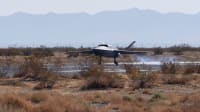
NASA’s Quiet Supersonic Demonstrator Jet Completes First Flight
Aerospace INSIDER
Honeywell Develops Cooling System Upgrade for F-35 Engine
Aerospace INSIDER
First F-15Es Equipped With EPAWSS Ready for Flight
Aerospace & Defense Tech Briefs
The B-52’s New Active Electronically Scanned Array Radar System
Aerospace & Defense Tech Briefs
Flight Testing Microvanes and Riblets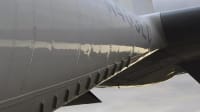
Top Stories
INSIDERManufacturing & Prototyping
 How Airbus is Using w-DED to 3D Print Larger Titanium Airplane Parts
NewsUnmanned Systems
 Microvision Aquires Luminar, Plans Relationship Restoration, Multi-industry Push
INSIDERAerospace
 A Next Generation Helmet System for Navy Pilots
ArticlesTransportation
 CES 2026: Bosch is Ready to Bring AI to Your (Likely ICE-powered) Vehicle
Road ReadyTransportation
 2026 Nissan Sentra Review: Putting the Pieces Together
NewsTransportation

Webcasts
Automotive
 Hydrogen Engines Are Heating Up for Heavy Duty
Automotive
 Advantages of Smart Power Distribution Unit Design for Automotive...
Automotive
 Quiet, Please: NVH Improvement Opportunities in the Early Design...
Energy
 Battery Abuse Testing: Pushing to Failure
Internet of Things
 A FREE Two-Day Event Dedicated to Connected Mobility
Defense
 SiPhog Technology: Enabling GPS‑Independent Flight for Uncrewed Aerial...