




Air Force Begins 3D Printing Nonstructural Aircraft Parts
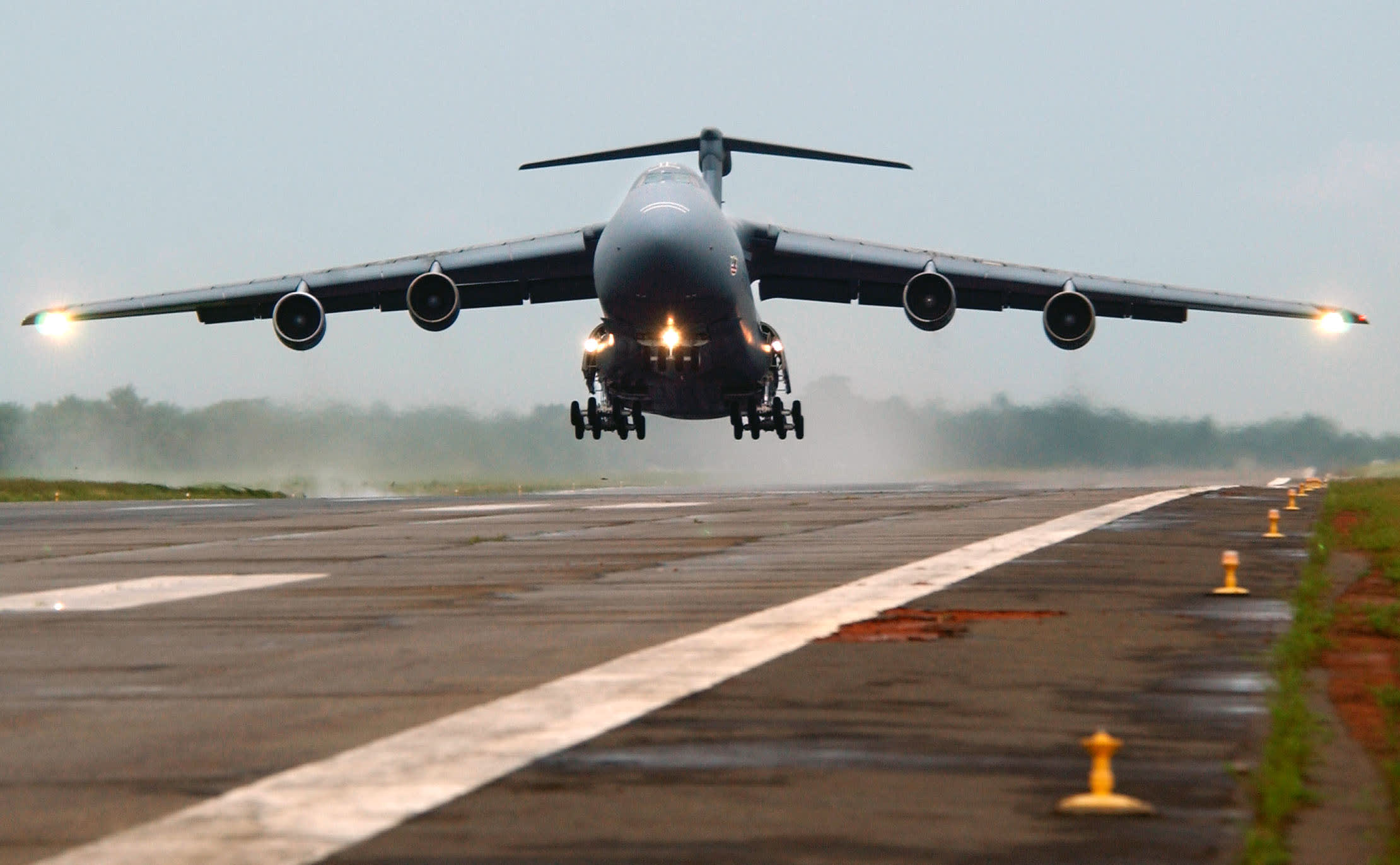
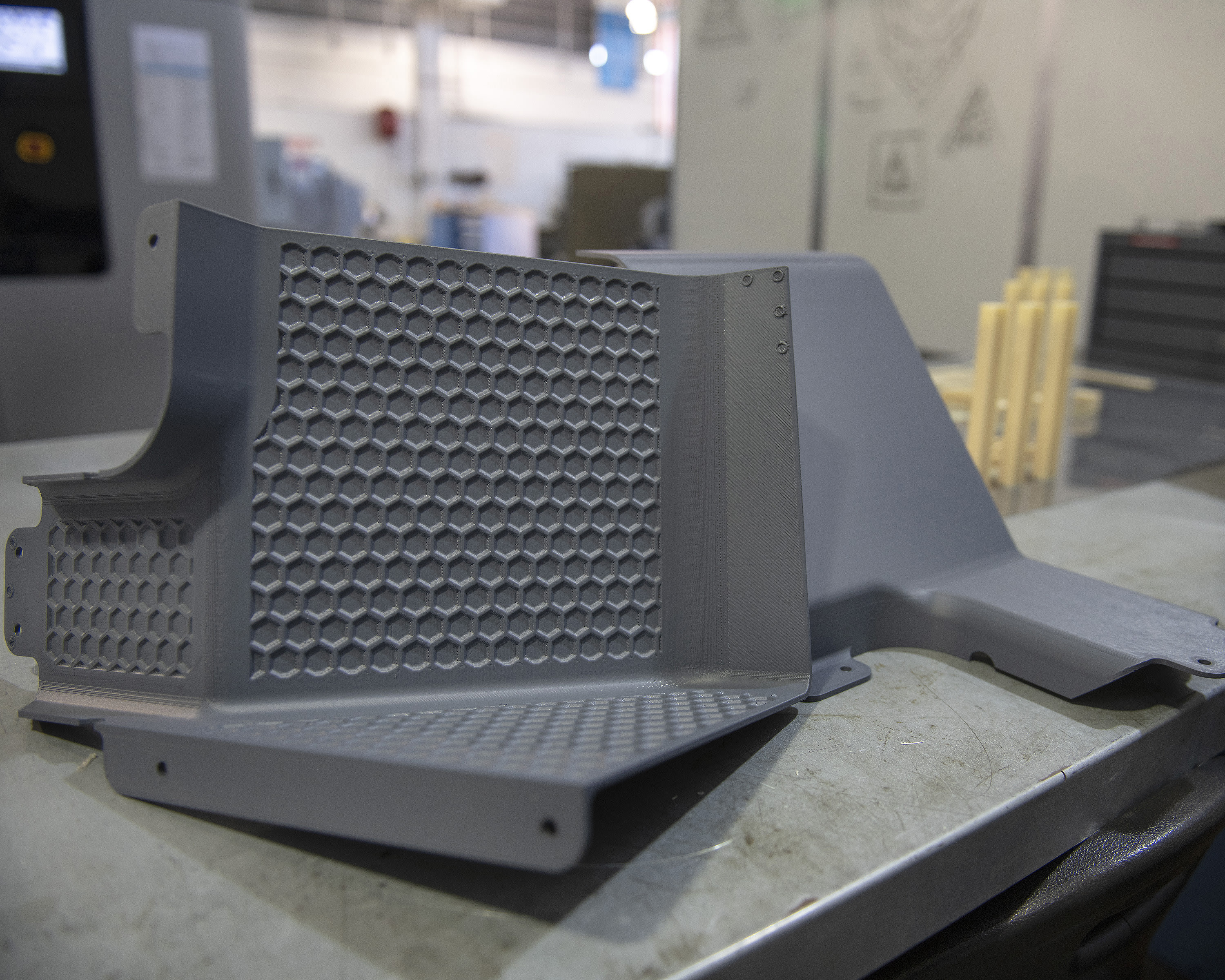
The 60th Maintenance Squadron (60th MXS) at Travis Air Force Base in Fairfield, California, is the first field unit in the United States Air Force to produce approved nonstructural aircraft parts using 3D printing – an additive manufacturing technique. The first parts: latrine covers on the Lockheed C-5M Super Galaxy strategic airlifter.
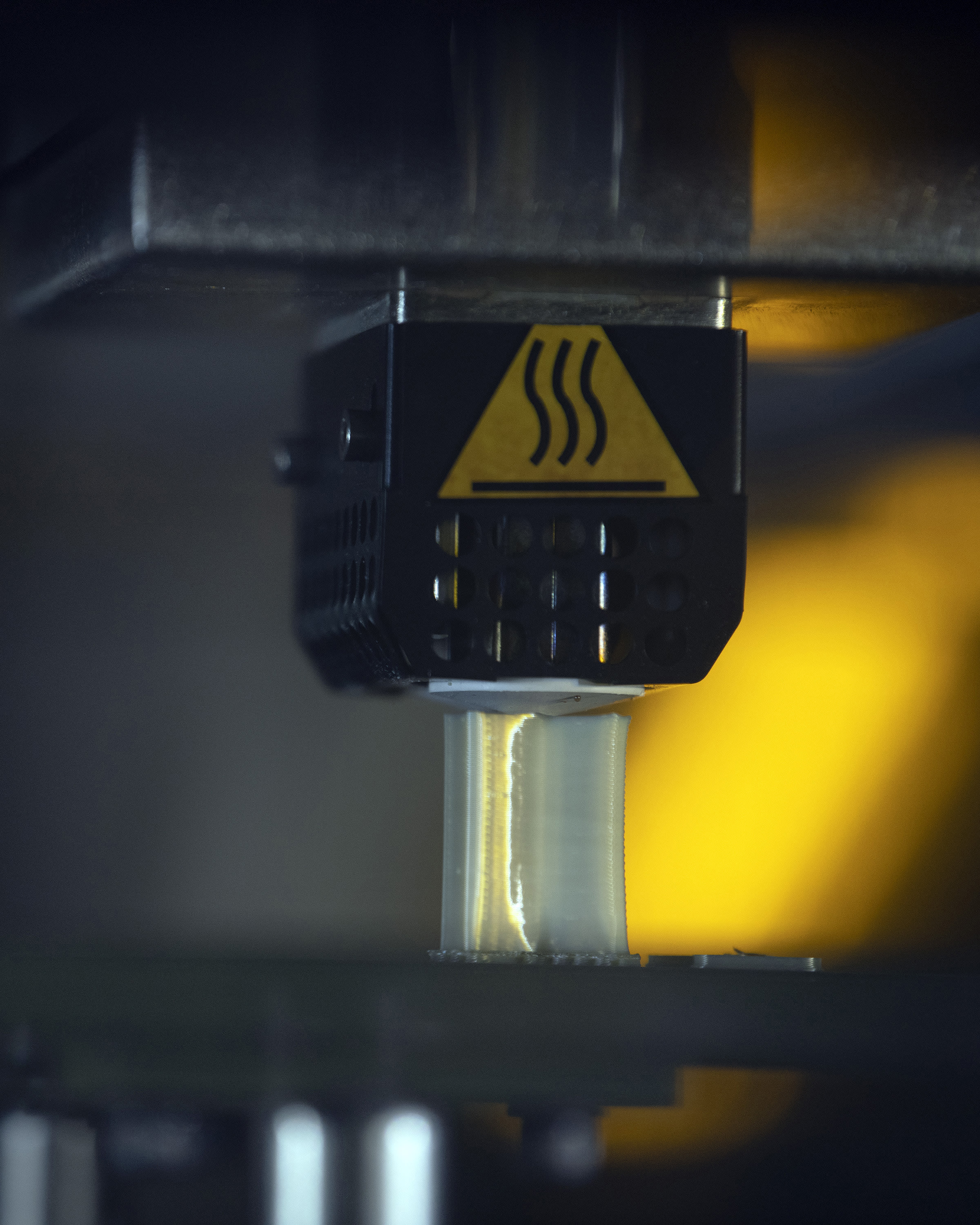
Initially three maintainers in the squadron were trained and certified with Stratasys F900 industrial-sized 3D printer which prints parts up to 36-by-24-by-36 inches in Ultem 9085 thermoplastic – a material ideal for aerospace applications based on its flexibility, density, strength, weight, and flame retardant properties. The printer itself is certified by the Federal Aviation Administration and the Air Force Advanced Technology and Training Center and prints from an online database of parts developed by the University of Dayton Research Institute .
“The Joint Engineering Data Management Information Control System is where we go to download already approved blueprints,” says Master Sergeant John Higgs, 60th MXS aircraft metals technology section chief. “Now, the University of Dayton Research Institute is working with the engineers to get those parts they developed into JEDMICS.”
“It brings us a capability that we’ve never had before,” continues Higgs, referring to the opportunities to create needed parts while saving time and money. “There’s so many possibilities available to us right now. We’re just scratching the surface.”
Read more: Collins Aerospace provides avionics for C-130H modernization program
While latrine covers may not seem like vital, mission critical components, its because they’re not. And typically, these types of parts don’t have as high as a priority for replacement.
“The latrine covers we just printed usually take about a year from the time they’ve been ordered to the time they’ve been delivered,” says Higgs. “We printed two of the covers in 73 hours.”
While the turnaround time for additively manufactured components might have shortened, establishing the capability was a lengthy process which included eight months of system setup including facility prep, installation, and certification.
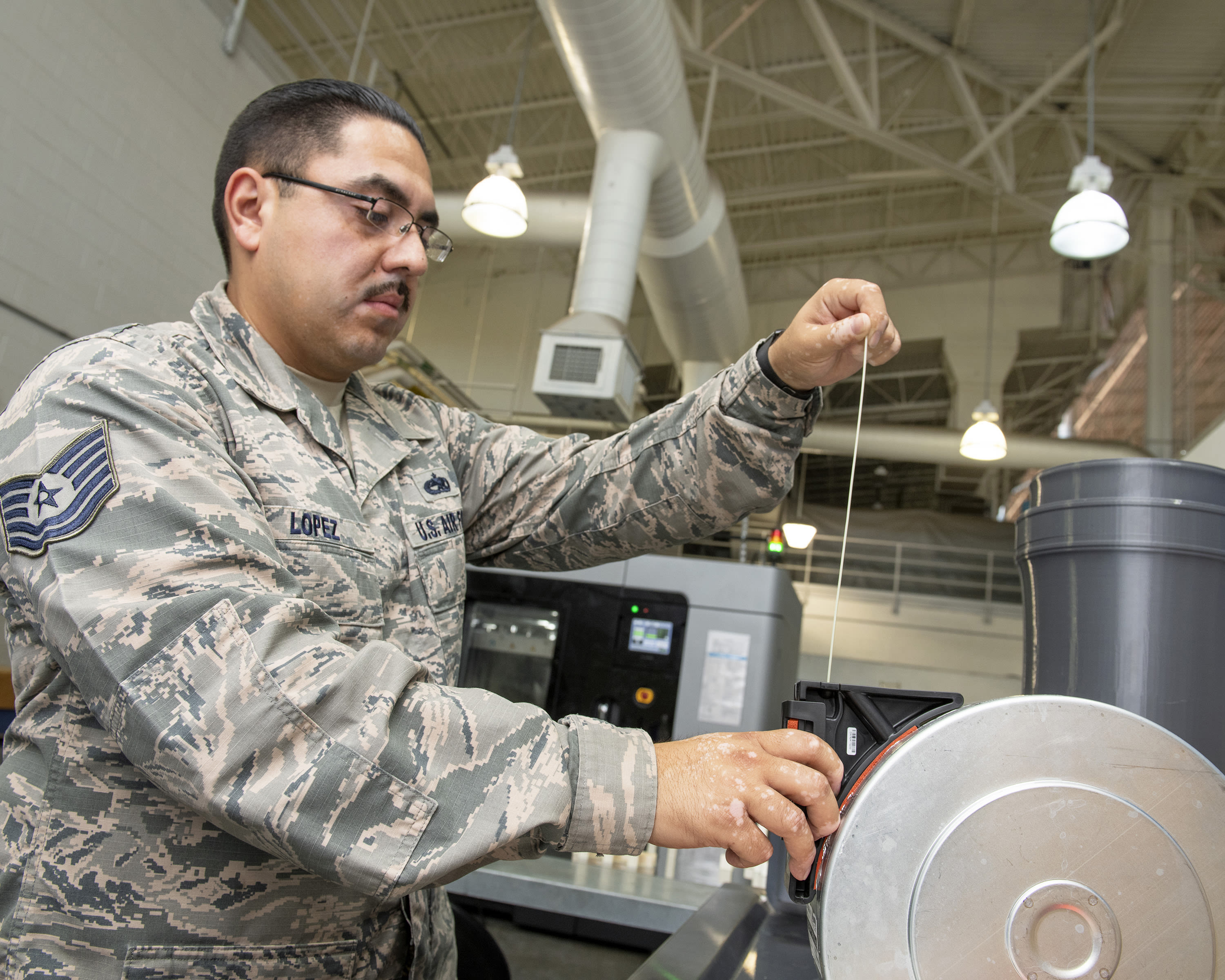
“UDRI has not trained or certified anyone else at the field level except the three of us here at Travis Air Force Base,” says Technical Sergeant Rogelio Lopez, 60th MXS assistant aircraft metals technology section chief, one of the three certified maintainers. “Now that we’re signed off on our training records, we’re the only ones who can operate, maintain and print on the Stratasys F900.”
Now with parts in production, there’s a new sense of urgency within the organization and requests from outside the organization are already coming in. But ultimately, the maintenance shop wants to use the printer for more than just aircraft parts.
Check out SAE International’s Additive Manufacturing Bundle
“We already have a list from the Air Force level to help them print and to backfill some supplies. This will ensure other bases can replace items sooner than expected with our help,” says Higgs, “We have the capability to print parts on a production scale for a lot more customers. The overall goal is to generate products for every organization to support whatever needs they may have.”
This story was originally reported by Louis Briscese, 60th Air Mobility Wing Public Affairs.
William Kucinski is content editor at SAE International, Aerospace Products Group in Warrendale, Pa. Previously, he worked as a writer at the NASA Safety Center in Cleveland, Ohio and was responsible for writing the agency’s System Failure Case Studies. His interests include literally anything that has to do with space, past and present military aircraft, and propulsion technology.
Contact him regarding any article or collaboration ideas by e-mail at
More From SAE Media Group
Aerospace & Defense Tech Briefs
Lockheed Martin and Arconic Collaborate on 3D Printing and Advanced Aerospace Materials
Aerospace & Defense Tech Briefs
Collins Aerospace Provides Avionics for C-130H Modernization Program
Aerospace & Defense Tech Briefs
Lockheed Martin Flies FireHerc Firefighting Variant of C-130J Turboprop in Farnborough
Aerospace & Defense Tech Briefs
Old Bird Learns New Tricks
Aerospace & Defense Tech Briefs
Maintainers Design a $400 Maintenance Fixture to save the U.S. Air Force $500k per Year
Aerospace & Defense Tech Briefs
L3 Makes Its C-130 Modernization Package Available to Global Operators
Aerospace & Defense Tech Briefs
Boeing's Latest Contract Secures New Wings for Remaining A-10 Fleet
Aerospace & Defense Tech Briefs
GA-ASI Maximizes Fuel Capacity for MQ-25 Entry
Aerospace & Defense Tech Briefs
Parker Aerospace and GKN Aerospace to Develop Passive Cooling Solutions for Next-Generation Aircraft Engines
Aerospace & Defense Tech Briefs
Honeywell Wins $1.04 Billion U.S. Air Force Power Systems Contract
Aerospace & Defense Tech Briefs
Ahead of USAF T-X Decision, Leonardo Finds Market for T-100’s Little Brother – the Single-Engine Aermacchi M-345
Aerospace & Defense Tech Briefs
Rockford Xellerix to Support Pilatus PC-24 Electrification
Aerospace & Defense Tech Briefs
Aitech Defense Will Provide Data Interface Technology for Boeing’s Unmanned MQ-25 Refueling Platform
Aerospace & Defense Tech Briefs
Boeing KC-46 Program Completes Flight Testing Required for First Delivery to U.S. Air Force
Aerospace & Defense Tech Briefs
Flight Testing Microvanes and Riblets
Aerospace & Defense Tech Briefs
First F-35 Crash; Pilot Safe
Aerospace & Defense Tech Briefs
Collins Aerospace Brings Next Gen Avionics to Portuguese C-130s
Aerospace & Defense Tech Briefs
Etihad and Eos Partner to Develop 3D-Printed Cabin Interiors
Aerospace & Defense Tech Briefs
J-10B Fighter Aircraft Debuts Chinese Thrust Vectoring Technology
Aerospace & Defense Tech Briefs
Canada’s Future Search and Rescue Aircraft Get Its First Set of Eyes
Aerospace & Defense Tech Briefs
General Atomics Plans First Trans-Atlantic Flight of Medium-Altitude, Long-Range Remotely Piloted Aircraft
Aerospace & Defense Tech Briefs
Additive Manufacturing Adoption Up, Growing Rapidly in Aerospace
Aerospace & Defense Tech Briefs
The Air Force’s New Unmanned Wingmate Completes Inaugural Flight
Aerospace & Defense Tech Briefs
OA-X Phase Two Kicks Off

Aerospace & Defense Tech Briefs
The F-22 Raptor Gets Its First Metallic 3D-Printed Part
Automotive Engineering
T-X Competition to End in September with Selection of New USAF Trainer Aircraft
Aerospace & Defense Tech Briefs
Boeing Wins $2.9B for 18 KC-46A Military Tanker Aircraft Based on 767 Jet Airliner
Aerospace & Defense Tech Briefs
SAE International Issues First Technical Standards for Aerospace Additive Manufacturing
Aerospace & Defense Tech Briefs
AIA Predicts Flying Air Taxis, Supersonic Air Travel, and Space Industry for 2050
Top Stories
NewsSensors/Data Acquisition
 Microvision Aquires Luminar, Plans Relationship Restoration, Multi-industry Push
INSIDERRF & Microwave Electronics
 A Next Generation Helmet System for Navy Pilots
INSIDERWeapons Systems
 New Raytheon and Lockheed Martin Agreements Expand Missile Defense Production
NewsAutomotive
 Ford Announces 48-Volt Architecture for Future Electric Truck
INSIDERAerospace
 Active Strake System Cuts Cruise Drag, Boosts Flight Efficiency
ArticlesTransportation

Webcasts
Aerospace
 Cooling a New Generation of Aerospace and Defense Embedded...
Energy
 Battery Abuse Testing: Pushing to Failure
Power
 A FREE Two-Day Event Dedicated to Connected Mobility
Automotive
 Quiet, Please: NVH Improvement Opportunities in the Early Design Cycle
Electronics & Computers
 Advantages of Smart Power Distribution Unit Design for Automotive &...
Unmanned Systems
 Sesame Solar's Nanogrid Tech Promises Major Gains in Drone Endurance