




Citroen C4 Cactus

Its birth may have been way back in 1955, but any mention among auto-industry technology aficionados of Citroën’s then startlingly radical DS will generate a sigh of admiration that echoes the sighs of the car's radical hydropneumatic suspension and the velvety ride it delivered.
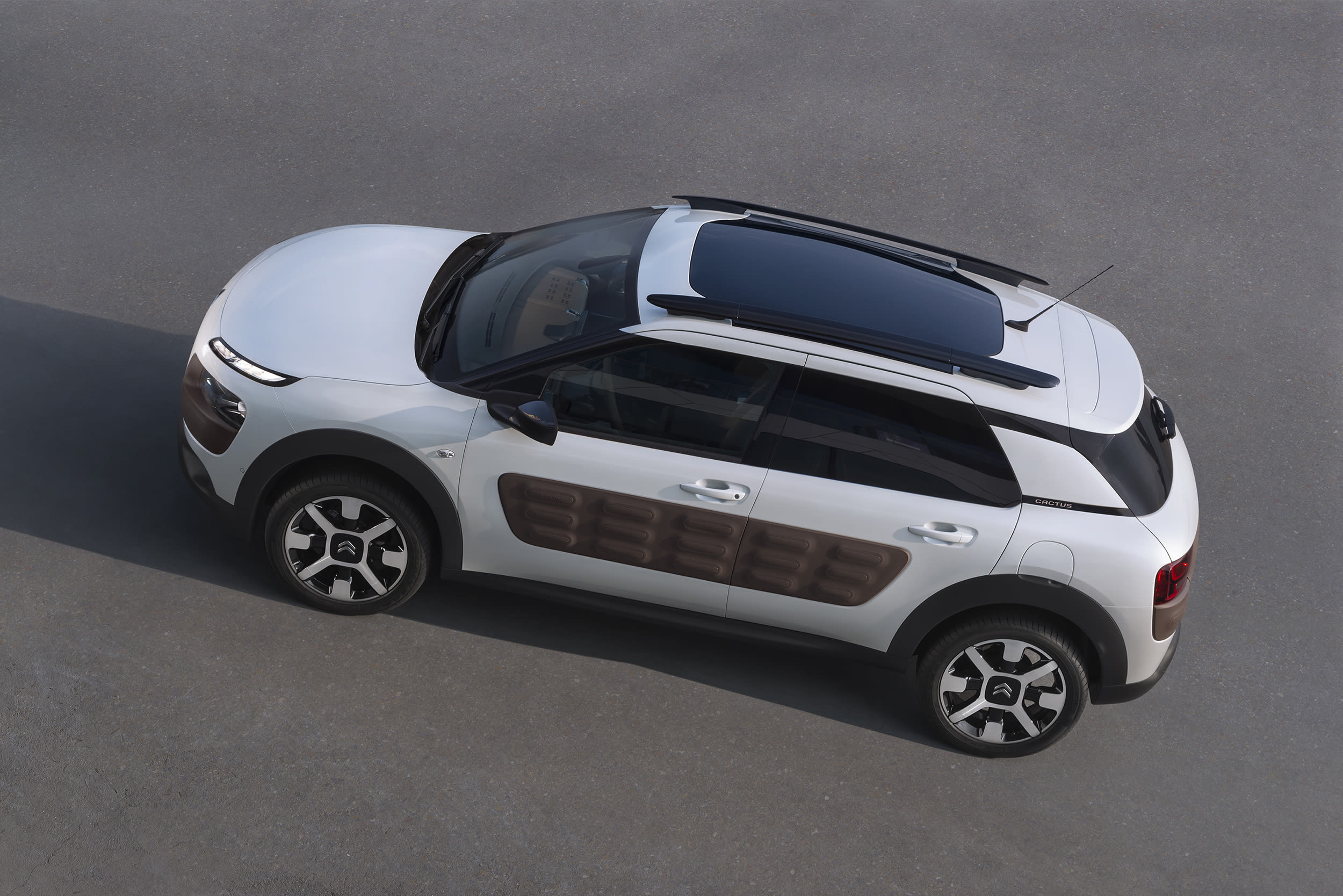
Now, Citroen's mid-term update for the funky C4 Cactus has been given at least a soupçon of that technology with its use of what the company terms “progressive hydraulic cushions."
Citroën worked with supplier KYB Suspensions Europe (based in Spain) to develop an alternative to conventional shock absorber bump stops and introduce new standards of compression and rebound (see earlier story here ). Some 20 technology patents were filed by Citroën’s parent, PSA. Sampling the system's competency was keenly anticipated, not just for its motorway ride but its performance on poorly-surfaced secondary roads. The UK has a plethora of the latter, promising a tough test of Citroën’s claim the system provides a “flying carpet” effect.

The results were mixed. Complemented by new, wider seats with added foam density and textured foam near the surface, the Cactus provides a fine immediate impression of comfort and the occupants are well-isolated
On main highways, the suspension can feel slightly floaty, a little like American sedans of yesteryear; it is not unpleasant, just surprising. However, it isn’t the gentle, almost lulling, insulated high-speed cruise sensation that the Citroën DS, and later CX, hydropneumatically-sprung cars were able to provide on long journeys across Europe.
But the Cactus’ suspension does not pretend to be that sophisticated. On minor roads, lateral ridges, small potholes and rough surfaces are generally dealt with effectively. But when hurried on winding roads, roll is noticeable. However, this does not detract from roadholding in general and in a curious way harks back at least a little to Citroën’s delightful, softly sprung 2CV and Dyane models, both of which could assume extraordinary roll angles—yet end up delivering tenacious grip. On narrow-rim, Michelin X-shod wheels, this could surprise bystanders even more than passengers unfamiliar with the Citroën way of doing things on these quirky models.
The Cactus, too, copes well—but far less dramatically! Overall, the new suspension is a good try, with the technology expected to be developed further and used on forthcoming models.
The latest Cactus also gets styling changes, including a move of its distinctive “Airbump” thermoplastic polyurethane exterior cladding—designed to give protection against minor damage —to a more discreet locale on the lower section of the doors.
More From SAE Media Group
Automotive Engineering
Multimatic ‘Legs’ for Ferrari’s New Thoroughbred
Automotive Engineering
Raptor 4-Door-Only for 2021; R Version Coming Next Year
Automotive Engineering
Tenneco Opens Engineering, Simulation Center in Poland
Off-Highway Engineering
No Fear of Loading: Driving the 2025 Ram Heavy Duty
Automotive Engineering
Brembo’s New Octyma Brakes Provide 8 Reasons for Better Deceleration
Automotive Engineering
Raptor Tops Fully Redesigned 2024 Ford Ranger Lineup
Automotive Engineering
Cadillac Pulls the Wraps off Two New V-Series Sedans
Automotive Engineering
Nissan Kicks Entry-Level CUV Makes Its U.S. Debut
Automotive Engineering
Hyundai Bears down on EV Charging, Sustainability
Automotive Engineering
What We’re Driving: 2018 Chrysler 300 S AWD

Automotive Engineering
New-Generation Nissan Versa Breaks for Higher Ground
Automotive Engineering
Systems-engineering a New 4x4 Benchmark
Automotive Engineering
What We’re Driving: Mercedes-AMG E 53 4Matic+
Automotive Engineering
Balancing the Scales in Dakar
Automotive Engineering
A Consumer’s View: Perry Parts 3D-Printed Bump Stops
Automotive Engineering
Tested: 2025 Mercedes-Benz G 580 Spins up a Winner
Automotive Engineering
2018 Lexus LS500
Automotive Engineering
More Details Emerge of Citroën's New “Hydraulic Cushion” Suspension
Automotive Engineering
2019 Toyota Tundra TRD Pro
Automotive Engineering
Riding on Air: Activated Carbon Aims at Autos
Automotive Engineering
2018 Ford Fiesta Active
Automotive Engineering
Civic Type R Is Honda’s Technology Showcase
Automotive Engineering
Hyundai’s Uni Wheel Creates Space for EV Powertrains
Automotive Engineering
2025 Ford Bronco Sport Proves Sasquatch Fits on Smaller SUV
Automotive Engineering
Altair Honors Lightweight Advances
Automotive Engineering
What We’re Driving: 2020 BMW X3 M Competition
Automotive Engineering
Engineering the Chevrolet Corvette's First-Ever Mid-Engine Architecture
Automotive Engineering
Ford’s Max Mustang Brings ‘World Class’ into the Sports Coupe Conversation
Aerospace & Defense Tech Briefs
Air Force Begins 3D Printing Nonstructural Aircraft Parts
Top Stories
INSIDERManufacturing & Prototyping
 How Airbus is Using w-DED to 3D Print Larger Titanium Airplane Parts
INSIDERManned Systems
 FAA to Replace Aging Network of Ground-Based Radars
NewsTransportation
 CES 2026: Bosch is Ready to Bring AI to Your (Likely ICE-powered) Vehicle
NewsSoftware
 Accelerating Down the Road to Autonomy
EditorialDesign
 DarkSky One Wants to Make the World a Darker Place
INSIDERMaterials
 Can This Self-Healing Composite Make Airplane and Spacecraft Components Last...
Webcasts
Defense
 How Sift's Unified Observability Platform Accelerates Drone Innovation
Automotive
 E/E Architecture Redefined: Building Smarter, Safer, and Scalable...
Power
 Hydrogen Engines Are Heating Up for Heavy Duty
Electronics & Computers
 Advantages of Smart Power Distribution Unit Design for Automotive...
Unmanned Systems
 Quiet, Please: NVH Improvement Opportunities in the Early Design...
