




What We’re Driving: 2020 BMW X3 M Competition
BMW’s max-performance compact SUV provides stunning thrust, but with a severe ride-quality penalty.
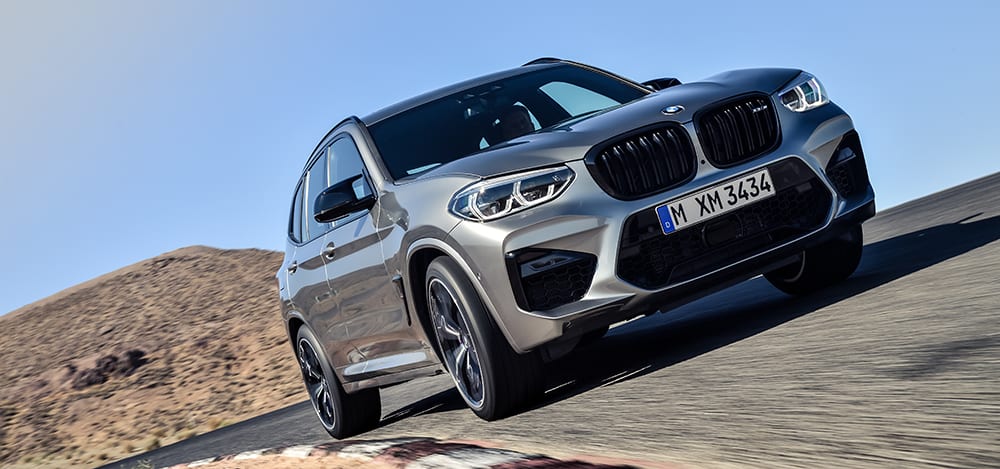
The concept of the high-performance SUV (more appropriately, “crossover”) can be difficult to reconcile. I understand that everyone currently wants an SUV body style and performance brands have to answer that demand or else it’s a sale potentially lost. But the notion of SUVs or crossovers that are “tuned” for performance is perplexing because SUVs and crossovers exist because of their supposed utility and/or off-road capability. That usually implies long-travel suspension and heightened ground clearance – chassis aspects typically at odds with hot racetrack lap times.
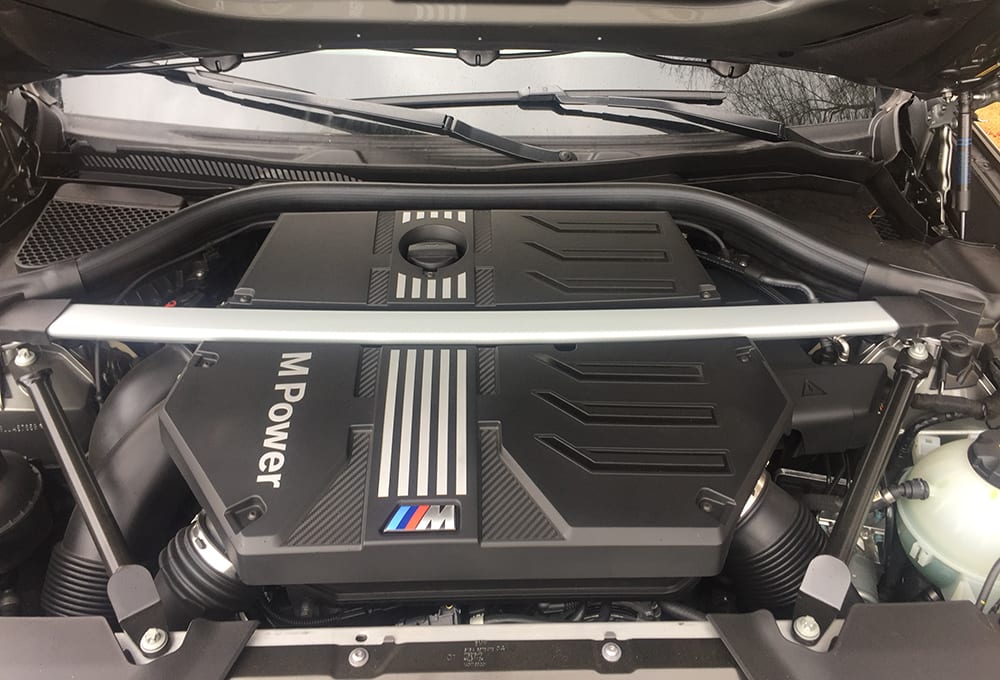
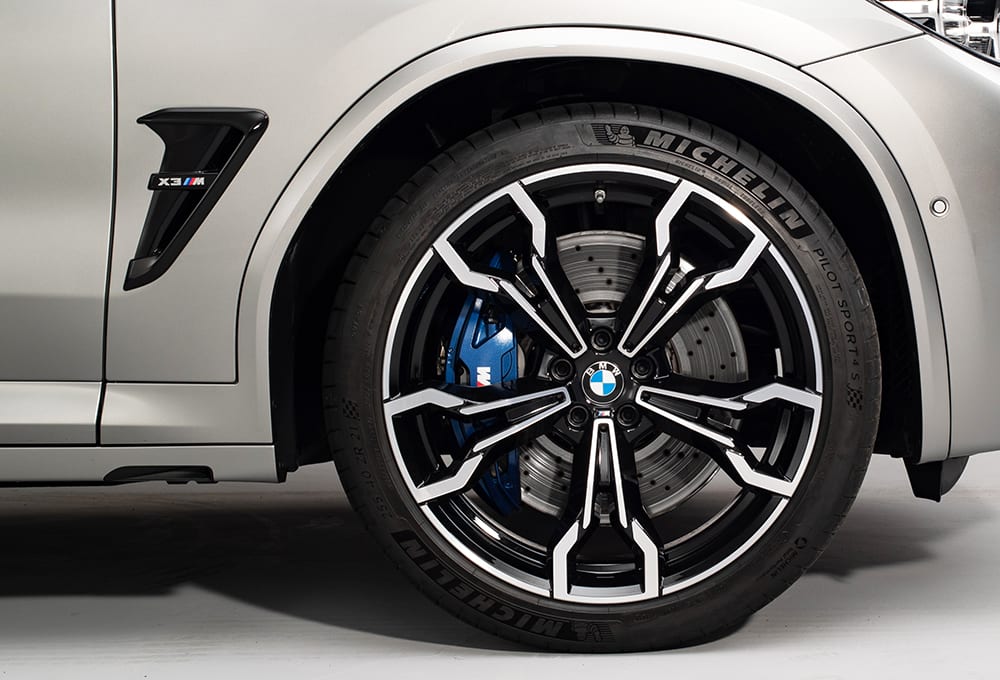
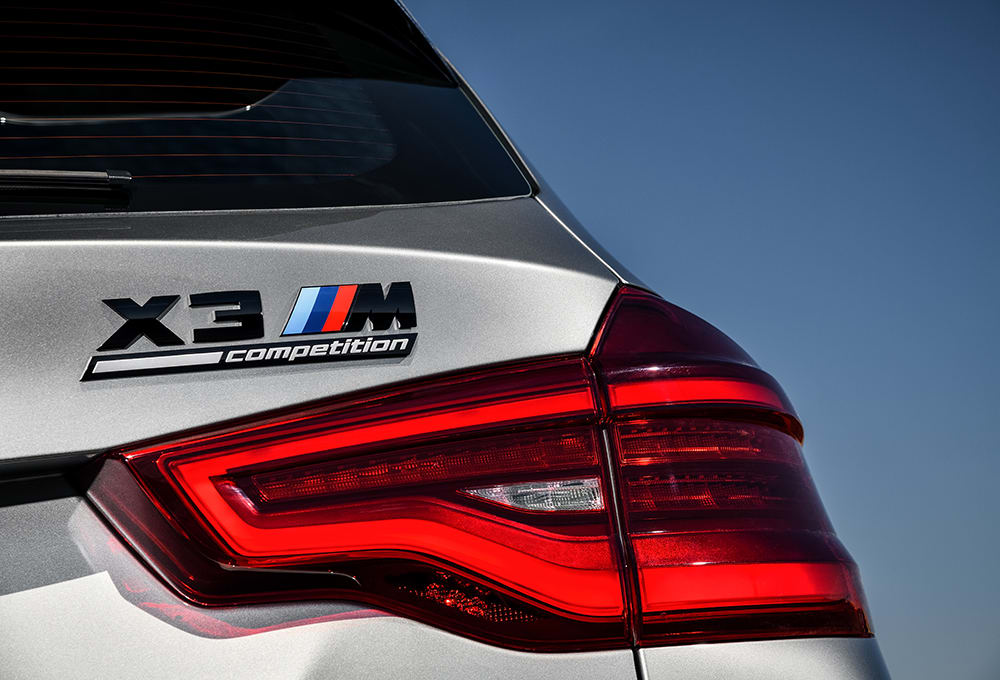
In no vehicle I’ve driven has the performance-SUV dichotomy been more butt-blisteringly obvious than BMW’s X3 M Competition. Its stupendous accelerative performance comes with the most abysmal ride quality I can recall. Driving on the “Comfort” setting of the fancy Adaptive M Suspension electronically controlled dampers, the ride is so relentlessly brittle I thought perhaps the adjustment was malfunctioning.
But ratcheting up to the Sport and Sport + settings, did, astoundingly, find a way to make the ride harsher yet. Accelerating moderately over a low, rolled curb while tightening the steering angle produced a suspension response so violent it jerked the wheel from my hands. I don’t know how much suspension travel the adaptive dampers and the M’s revised suspension pieces deliver, but it feels like zero. If you don’t relish constant head toss from your $80,000 compact crossover, the X3 M Competition ain’t the choice for you.
But if you want the maximum expression of the company’s still-wondrous turbocharged inline six-cylinder, then this is place. The most-powerful-ever iteration of the turbocharged S58 3.0-L I-6 is magnificent: tuned to a 503-hp, 442 lb-ft (599-Nm) fare-thee-well yet revving to 7300 rpm, it’s V8 muscle and Mad Max-perfect exhaust menace all slathered over with that renowned inline-six butter.
It’s hard to imagine what BMW could do to make this engine more satisfying or more expressive (apart from upping the 14 mpg city/19 highway rating). A more appropriate transmission to support it would be BMW’s dual-clutch automated manual rather than the adequate but surprisingly slurry 8-speed torque-converter automatic. The dual-clutch handles X3 M Competition-type torque in other M models.
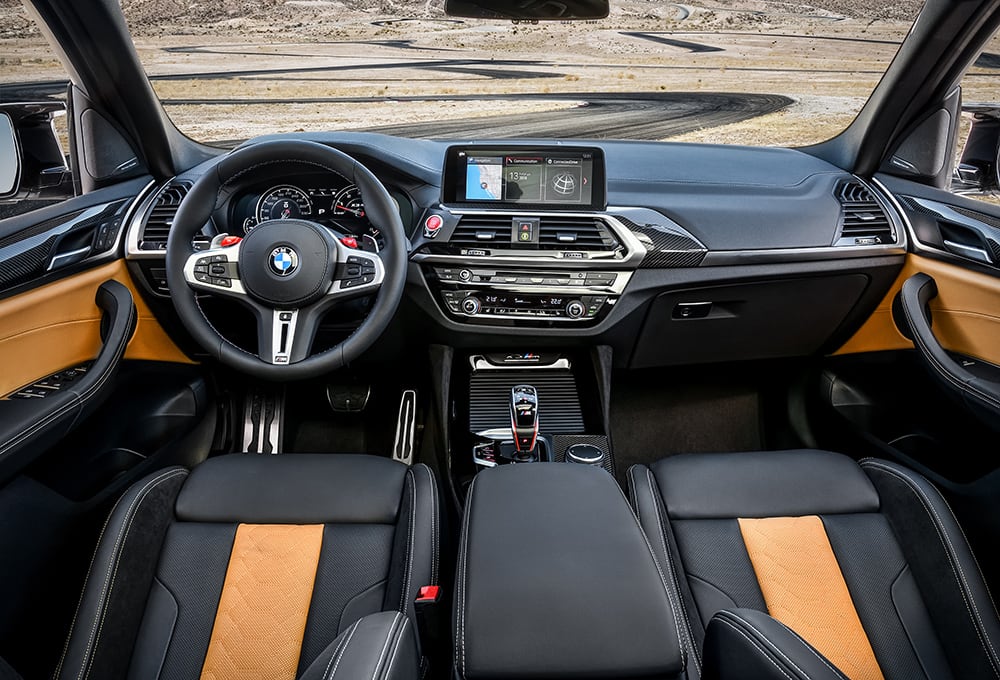
The X3 M’s interior is beautifully executed and trimmed, with the 14-way adjustable M sport seats being a particular treat. The digital instrumentation is a little cold for a performance machine, but everything is assembled so tightly and robustly – all X3s are built in BMW’s Spartanburg, SC, assembly plant – the cabin somehow feels as if it will survive the lifetime pounding the suspension is designed to inflict.
2020 BMW X3 M Competition
Base price: $76,900
As tested: $82,695
Highs: Thunderous I-6 with revs galore; no-nonsense brakes; exquisite seats
Lows: Deplorable ride quality; “wrong” automatic transmission; outlandish price
Takeaway: Dialing up the “performance SUV” formula to 11
More From SAE Media Group
Automotive Engineering
Toyota Muscles-Up 4-Cylinder for Revised 2022 GR 86 Coupe
Automotive Engineering
What We’re Driving: 2020 Range Rover Sport HST
Automotive Engineering
2019 Hyundai Veloster R-Spec
Automotive Engineering
Lincoln Unveils Redesigned 2024 Nautilus SUV
Automotive Engineering
2018 Lexus LS500
Off-Highway Engineering
No Fear of Loading: Driving the 2025 Ram Heavy Duty
Automotive Engineering
Mazda’s 2024 CX-90 Offers Turbo I-6, PHEV Propulsion
Automotive Engineering
What We’re Driving: 2020 Kia Telluride
Automotive Engineering
Volkswagen Unveils New-Generation Golf R
Automotive Engineering
2019 Volkswagen Jetta GLI
Automotive Engineering
2019 Genesis G70 RWD
Automotive Engineering
2019 Hyundai Kona Ultimate AWD
Automotive Engineering
First Drive: 2026 Hyundai Palisade
Automotive Engineering
What We’re Driving: 2020 Kia Seltos SX
Automotive Engineering
Suzuki Vitara 1.4 Turbo SZ5 Allgrip
Automotive Engineering
2018 Ford EcoSport
Automotive Engineering
2020 Toyota Supra Launch Edition
Automotive Engineering
NAIAS 2022: Seventh-Generation of Ford Mustang Is Highest Performer Yet
Automotive Engineering
2019 Chevrolet Blazer: Sharply Styled and Right-Sized for the Voracious SUV Market
Automotive Engineering
2020 Toyota Camry TRD
Automotive Engineering
2025 Kia Carnival MPV Hybrid Brings Unplugged PHEV Power
Automotive Engineering
What We’re Driving: 2019 Toyota Corolla Hatchback
Automotive Engineering
What We’re Driving: 2020 Volvo V60 T5 Cross Country
Automotive Engineering
What We’re Driving: 2020 BMW X1 XDrive28i
Automotive Engineering
2020 Supra: Toyota's Japanese Spin on German Engineering
Automotive Engineering
2022 Toyota Tundra: V8 Out, Twin-Turbo Hybrid Takes Over
Automotive Engineering
What We’re Driving: 2020 Mazda3 Premium AWD
Automotive Engineering
2019 Suzuki Jimny
Automotive Engineering
2025 Nissan Murano: Variable Compression to the Mpg Rescue
Automotive Engineering
What We’re Driving: 2018 BMW M5
Top Stories
NewsSensors/Data Acquisition
 Microvision Aquires Luminar, Plans Relationship Restoration, Multi-industry Push
INSIDERRF & Microwave Electronics
 A Next Generation Helmet System for Navy Pilots
INSIDERWeapons Systems
 New Raytheon and Lockheed Martin Agreements Expand Missile Defense Production
NewsAutomotive
 Ford Announces 48-Volt Architecture for Future Electric Truck
INSIDERAerospace
 Active Strake System Cuts Cruise Drag, Boosts Flight Efficiency
ArticlesTransportation

Webcasts
Aerospace
 Cooling a New Generation of Aerospace and Defense Embedded...
Energy
 Battery Abuse Testing: Pushing to Failure
Power
 A FREE Two-Day Event Dedicated to Connected Mobility
Automotive
 Quiet, Please: NVH Improvement Opportunities in the Early Design Cycle
Electronics & Computers
 Advantages of Smart Power Distribution Unit Design for Automotive &...
Unmanned Systems
 Sesame Solar's Nanogrid Tech Promises Major Gains in Drone Endurance