




Hyundai’s Uni Wheel Creates Space for EV Powertrains
By rethinking how a wheel works, Hyundai can eliminate the CV joints and reduce the lengths of the drive shafts to pack more batteries in an EV, for example.
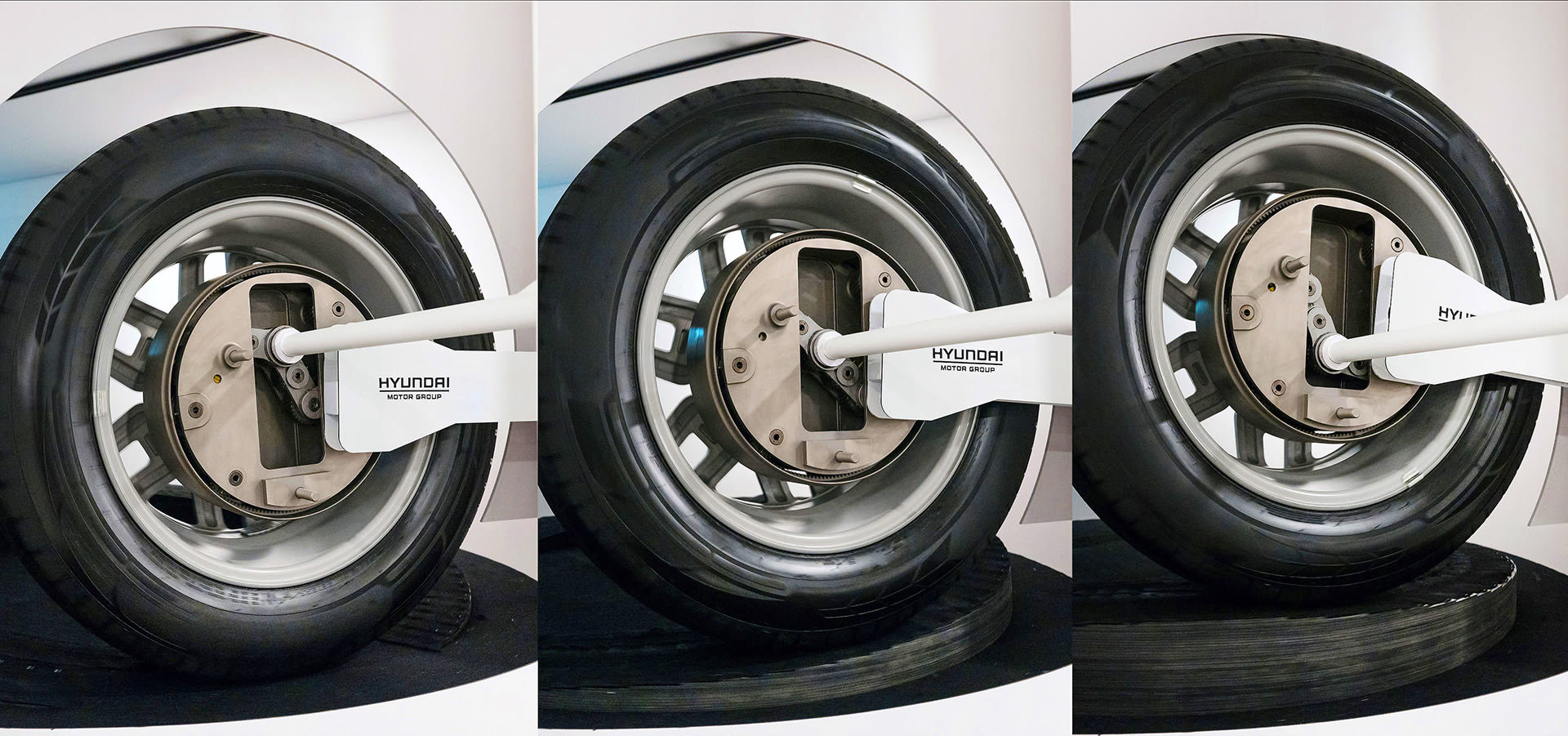
Hyundai Motor Group’s visual design team has been on a roll in creating unusual and attractive passenger vehicles. Now, the automaker’s engineering team has come up with its own unique creation: the Universal Wheel Drive System.
The Uni Wheel is a significant development for both Hyundai Motor Company and the Kia Corporation, which jointly unveiled the device at a “Uni Wheel Tech Day” in Seoul, South Korea, in November. The Uni Wheel is not a hub motor, but it does move some of the main drive system components to the available room inside the wheel hub.
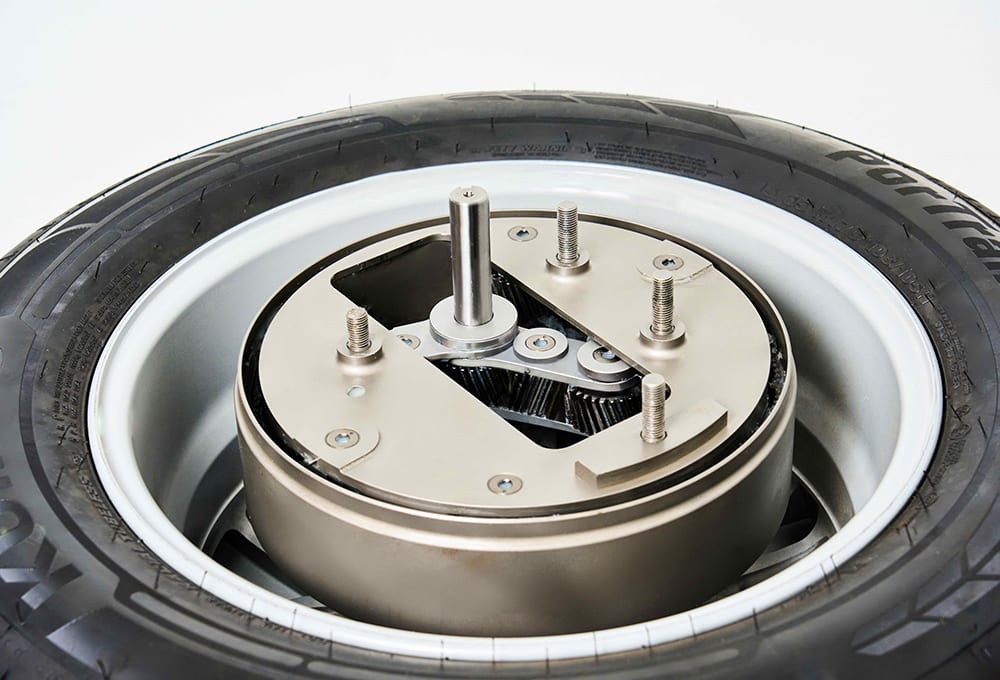
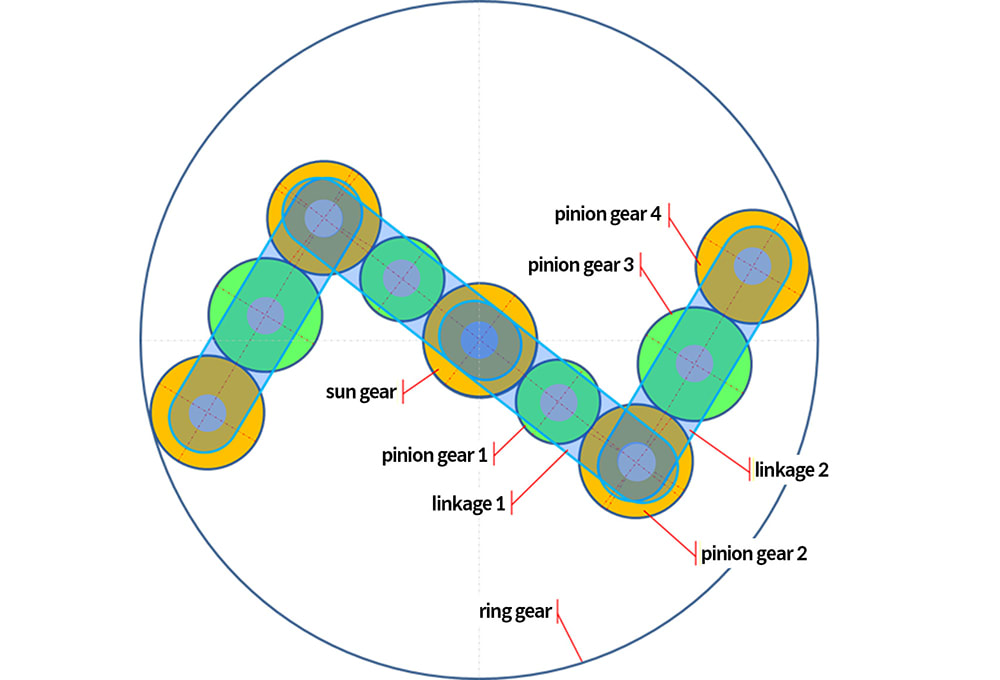
Hyundai calls the Uni Wheel a “functionally integrated wheel drive system.” The Uni Wheel has a newly designed planetary gear configuration made up of a central sun gear and four surrounding pinion gears. These all sit inside a ring gear that makes up the outside of the Uni Wheel and then rotates the tire. The pinion gears are arranged so that, with their multi-link connections, they enable “Uni Wheel’s multi-axis movement to allow a wide range of suspension articulation,” the company said.
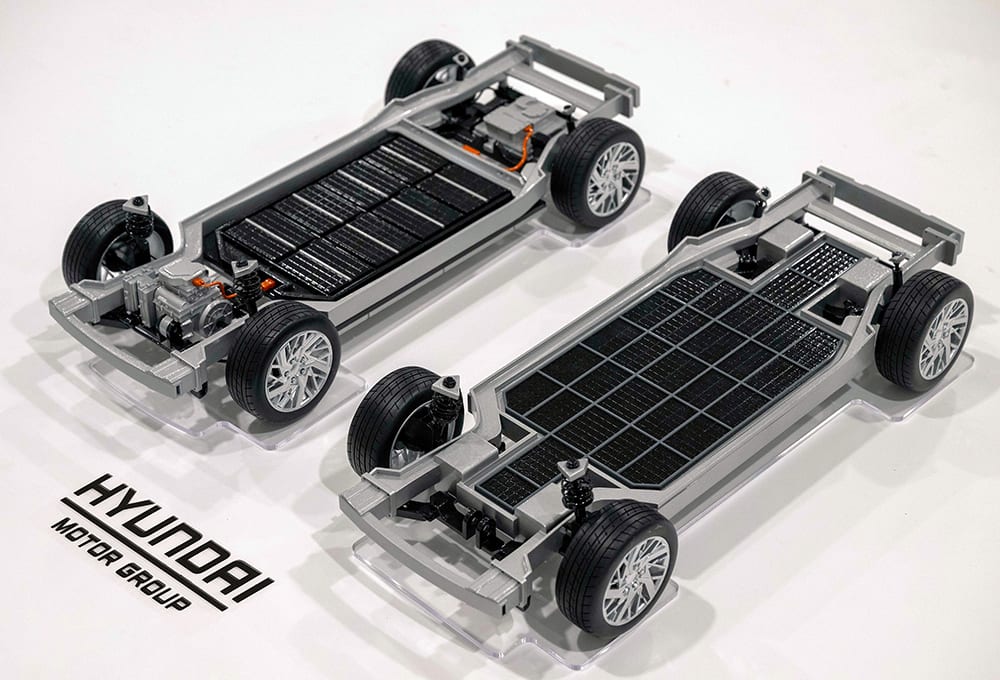
The Uni Wheel also does away with traditional CV joints to transfer power from the motor to the wheel at a constant speed. CVs themselves found a home in EVs because they have long been used with ICE powertrains, but Hyundai wanted to use some of the space near the wheels for other components. To do this, engineers put small, individual motors near each wheel and moved the reduction gear to inside the wheel hub. They also reduced the length of the drive shafts.
Finding room
One of the reasons Hyundai wanted to invent the Uni Wheel was to create more room in an EV’s interior, either for powertrain components, more cargo space or a larger flat-floor configuration. The space benefits are real, but many questions remain about the Uni Wheel’s durability, effects on unsprung weight, issues with heat dissipation and potential repair costs.
A Hyundai spokesperson told SAE Media that it’s too early to discuss these aspects in detail but said that price competitiveness is not one of the ways the Uni Wheel will distinguish itself. “If the Uni Wheel is applied to replace the CV joint and the reducer that make up the existing system, there will be no significant difference in cost,” the spokesperson said.
Hyundai Motor and Kia have applied for or registered eight patents related to Uni Wheel globally, including in South Korea, the U.S. and Europe.
More From SAE Media Group
Automotive Engineering
Elaphe Readies In-Wheel Motors for OEM EVs After 2030
Automotive Engineering
Hub-Motoring in Lordstown’s Novel Endurance
Off-Highway Engineering
EV Startup Prepares to Enter Commercial Market with Novel EAxle
Automotive Engineering
Mercedes Proposes “In-Drive Brakes” for Better EVs
Automotive Engineering
Schaeffler Heads Back to CES with New Acquisition, Capabilities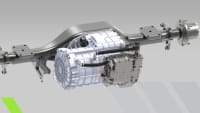
Automotive Engineering
Tuning the 2024 Corvette E-Ray for Exceptional Drivability
Automotive Engineering
Engineering Flexibility into EV Powertrains
Automotive Engineering
2025 Hyundai Ioniq 5 Brings All the Right Updates
Automotive Engineering
Mercedes-Benz Product Boss: Europe, North America EVs, EV Charging to Rapidly Get Better
Automotive Engineering
Electrification Brings Supplier Value Closer to Home
Automotive Engineering
Tremec-Trification
Automotive Engineering
Electrification Forces Fresh Perspectives on Vehicle NVH
Automotive Engineering
Elevate: Hyundai’s New Four-Wheel Drive, Four-Legged Off-Road Vehicle
Automotive Engineering
Horsepower and Kilowatts Compete at 2019 Geneva Motor Show
Automotive Engineering
Slate and SK Executives on Bringing the Inexpensive EV to Market

Automotive Engineering
2025 Hyundai Ioniq 5 N Makes E-Shift Feel Real
Automotive Engineering
Q&A: What It Takes to Add an E-Axle
Automotive Engineering
Hyundai Details First EV-Dedicated Vehicle Architecture
Off-Highway Engineering
Blue Arc Amps up for EV Production
Automotive Engineering
Williams Debuts New Flexible Platform for BEVs and FCVs
Automotive Engineering
Bollinger Motors Reveals Second-Gen Class-3 EV Prototypes
Automotive Engineering
ICE and Hybrid-Electric Propulsion Show Staying Power
Automotive Engineering
BEV-Agnostic’ Systems Require Attention
Automotive Engineering
Making the Case for In-Wheel Motors
Automotive Engineering
All-Electric Nissan Ariya Handles Ultra-Cold Temps on Pole to Pole Trek
Off-Highway Engineering
Mercedes-Benz Details All-New Platform for EV Vans
Automotive Engineering
Converting Classic Cars Is Just Step One of This Mission
Automotive Engineering
Nissan Leaf Gets Updates – and Stays the Same – Where It Matters Most
Automotive Engineering
Active Roll Stabilization Introduced for Audi’s Large Crossovers
Top Stories
NewsSensors/Data Acquisition
 Microvision Aquires Luminar, Plans Relationship Restoration, Multi-industry Push
INSIDERRF & Microwave Electronics
 A Next Generation Helmet System for Navy Pilots
INSIDERWeapons Systems
 New Raytheon and Lockheed Martin Agreements Expand Missile Defense Production
NewsAutomotive
 Ford Announces 48-Volt Architecture for Future Electric Truck
INSIDERAerospace
 Active Strake System Cuts Cruise Drag, Boosts Flight Efficiency
ArticlesTransportation

Webcasts
Aerospace
 Cooling a New Generation of Aerospace and Defense Embedded...
Energy
 Battery Abuse Testing: Pushing to Failure
Power
 A FREE Two-Day Event Dedicated to Connected Mobility
Automotive
 Quiet, Please: NVH Improvement Opportunities in the Early Design Cycle
Electronics & Computers
 Advantages of Smart Power Distribution Unit Design for Automotive &...
Unmanned Systems
 Sesame Solar's Nanogrid Tech Promises Major Gains in Drone Endurance