




Elevate: Hyundai’s New Four-Wheel Drive, Four-Legged Off-Road Vehicle
“Slowing to a crawl” may soon become possible with Hyundai’s latest electric vehicle concept
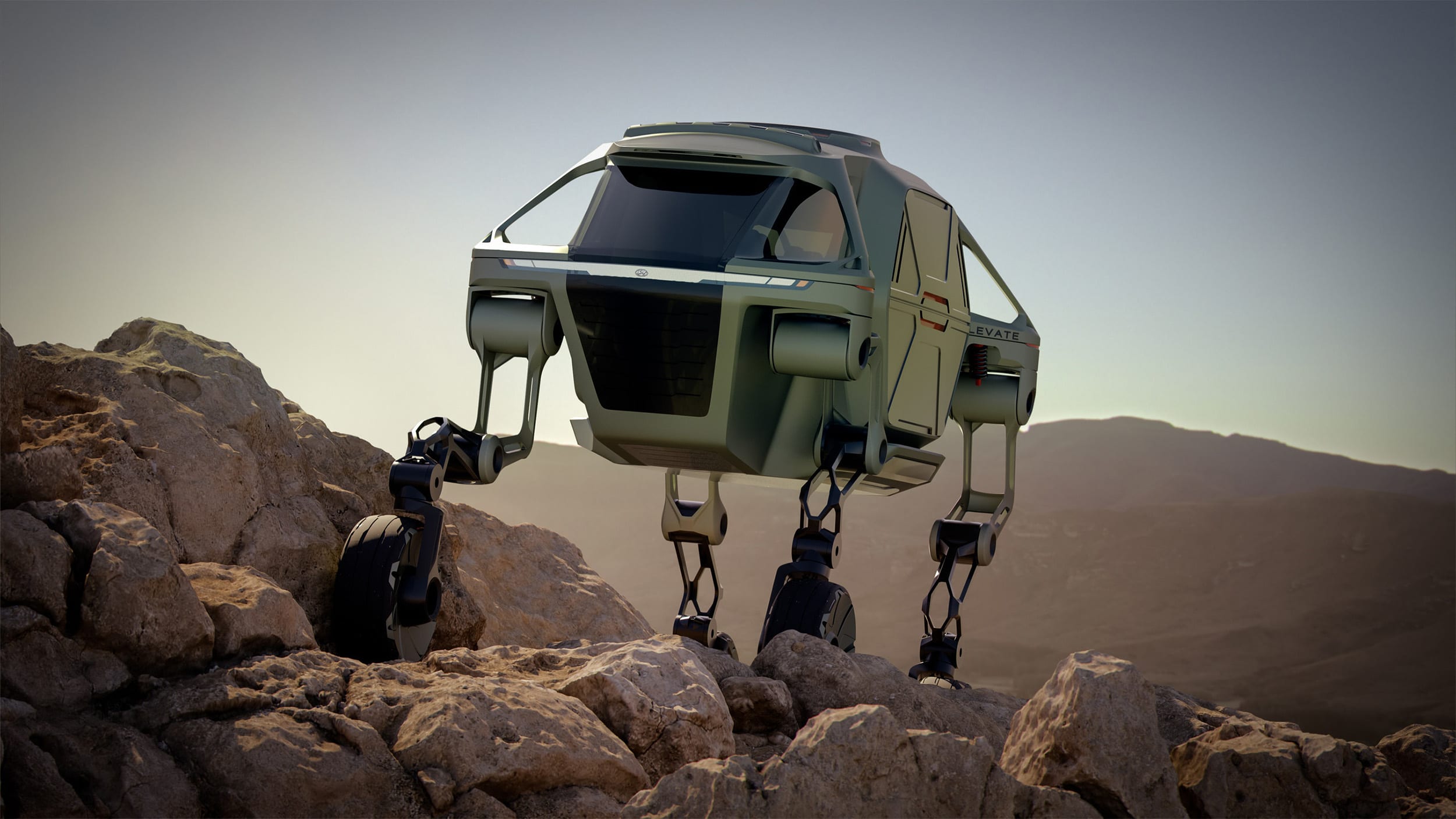
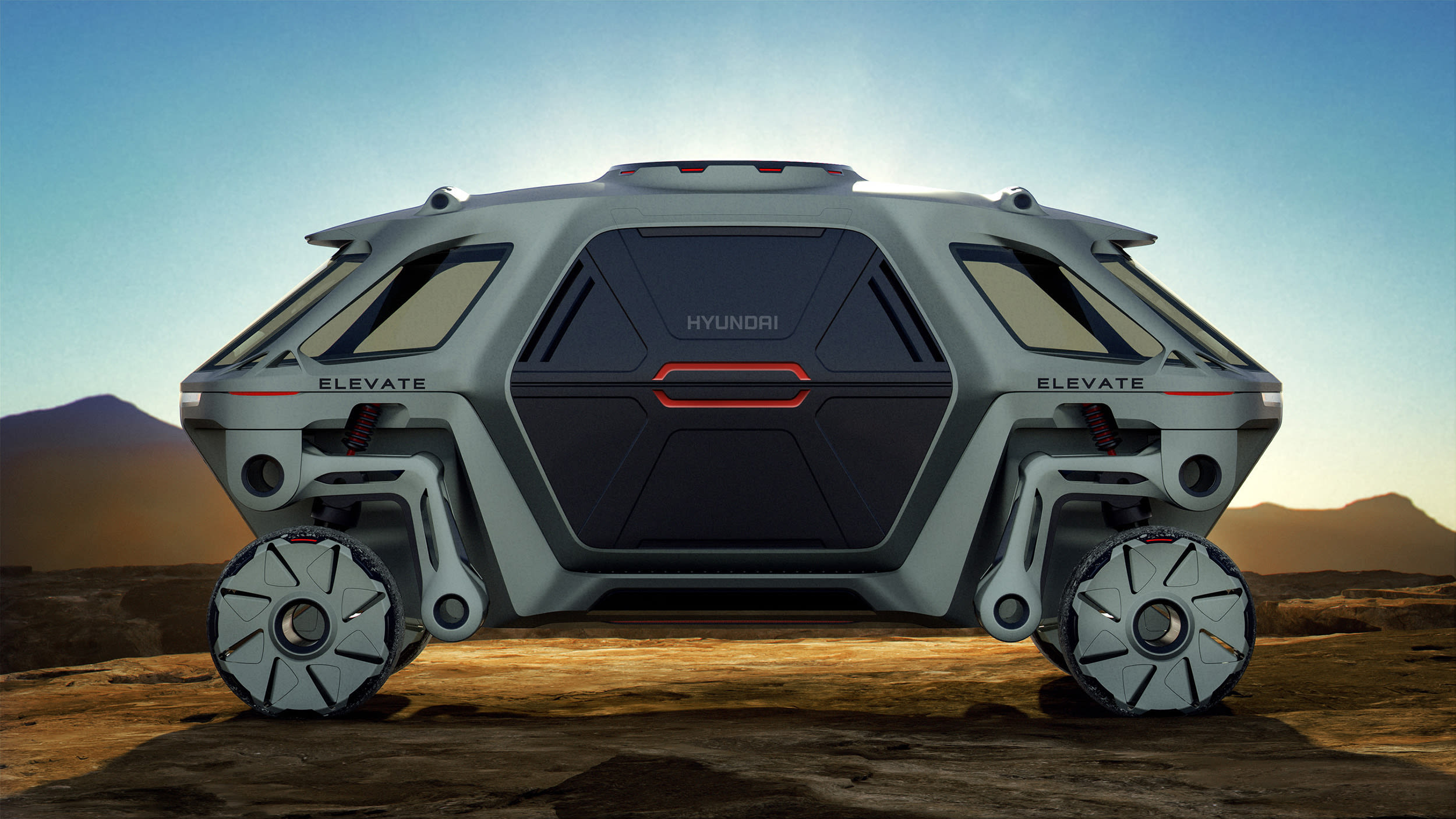
As dozens of aerospace and automotive companies converge on the urban air mobility (UAM) revolution, Seoul-based Hyundai Motor Company (Hyundai) is going in a different direction. During Consumer Electronics Show (CES) 2019 in Las Vegas, Hyundai debuted its “Elevate” concept: a modular electric vehicle (EV) that can transition between driving on flat surfaces and “walking” over treacherous terrain.
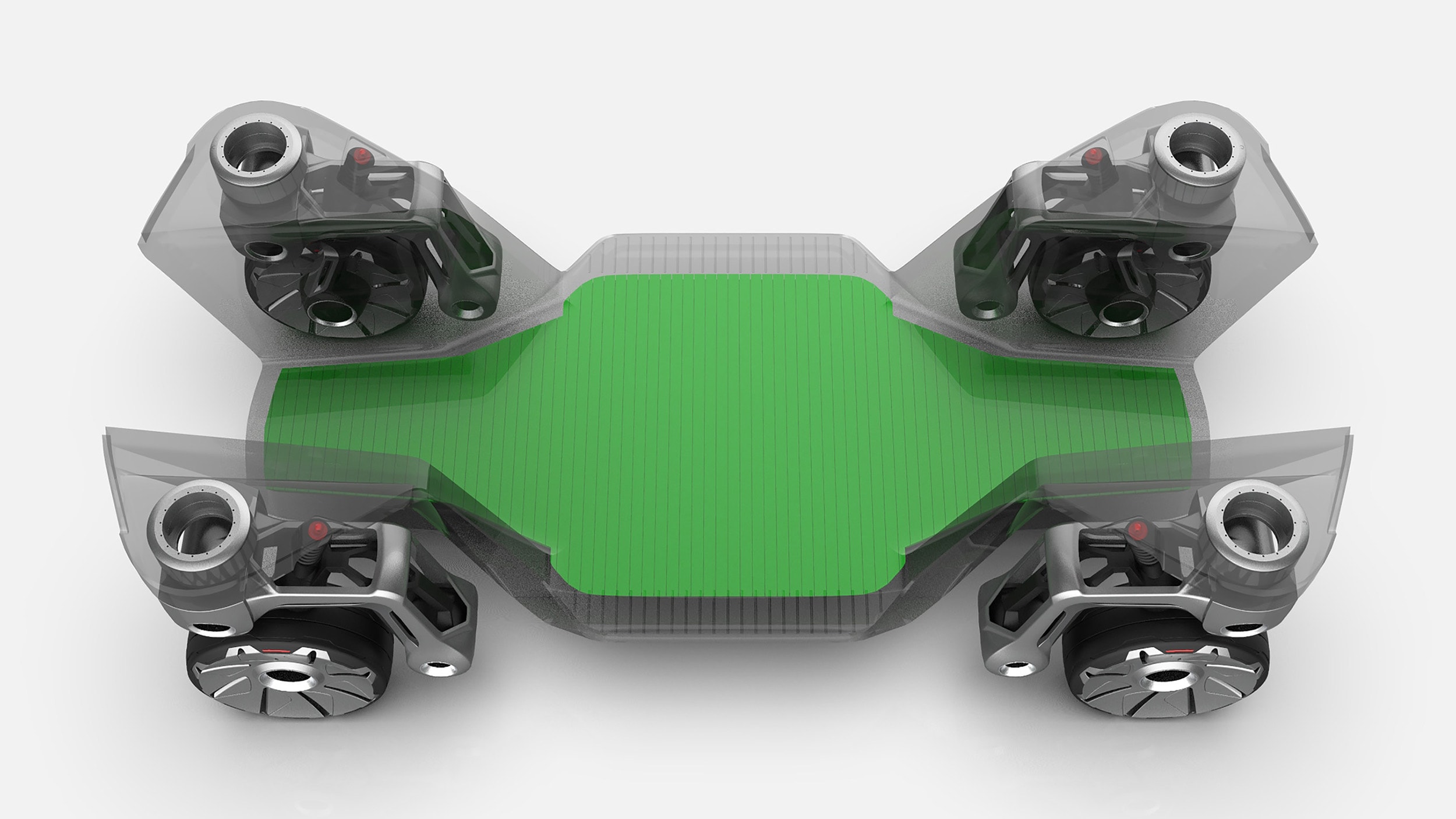
Hyundai is calling Elevate the first “ultimate mobility vehicle” (UMV). Its propulsion system blends automotive and robotic technology, allowing it to traverse terrain beyond the limitations of modern off-road vehicles.
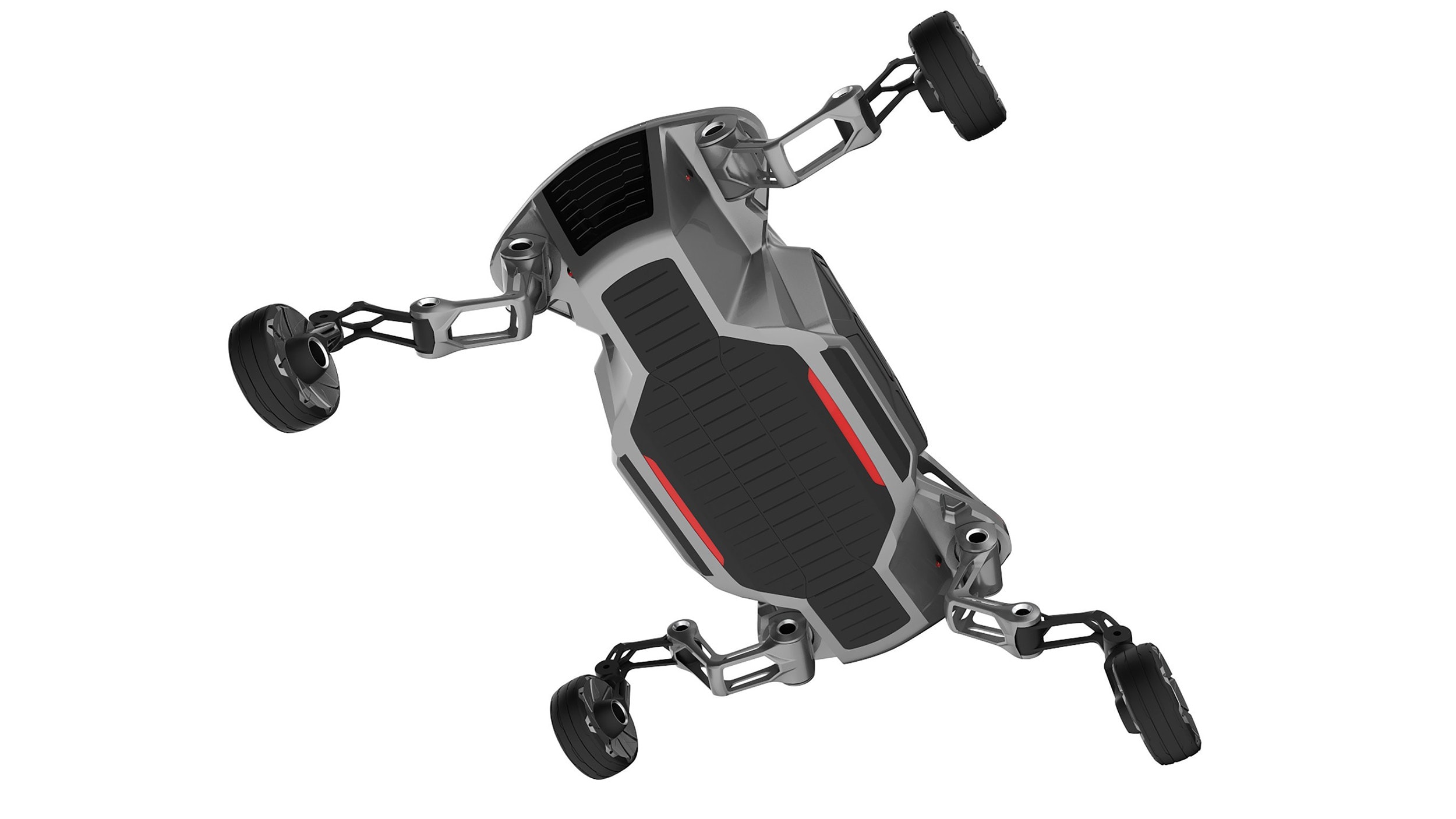
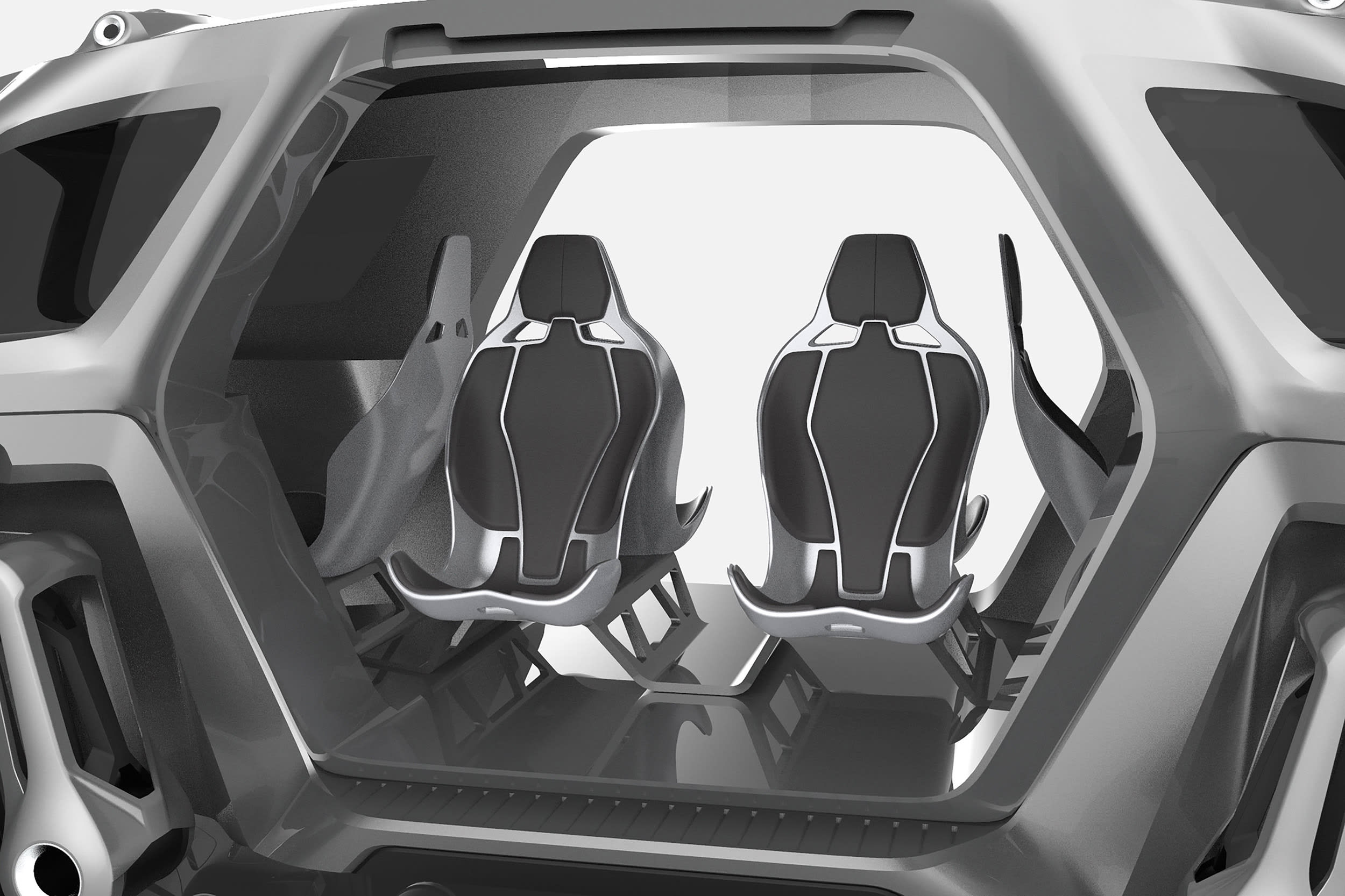
Elevate’s robotic leg architecture utilizes the latest in electric actuator technology. Each of its four legs has five degrees of freedom plus a wheel hub propulsion motor. In total, the entire Elevate vehicle itself has six degrees of freedom and is capable of omnidirectional movement. The design is capable of both mammalian and reptilian walking gaits or a mix of the two. Hyundai states that Elevate can climb a five-foot vertical wall and step over a five-foot gap using its legs, while maintaining passenger comfort inside the cabin.
Learn more: Application Development of Electric Vehicles and Hybrid Electric Vehicles: Balancing Economic Objectives and Technical Requirements
In drive-mode, the legs can fold up into a stowed configuration, where power to the joints is cut and the use of an integrated passive suspension system maximizes battery efficiency. The platform is capable of highway speeds while in this configuration. Non-back drivable actuators enable the legs to lock in any position, which allows for the combination of wheeled motion with unique dynamic driving postures and torsional control at the end of each leg.
Hyundai is marketing the Elevate to first responders, search and rescue crews, and – as hinted to by the company’s marketing collateral – military operators, as a vehicle that can overcome environmental obstacles after a natural disaster.
Learn more: Advanced Hybrid and Electric Vehicle Powertrains
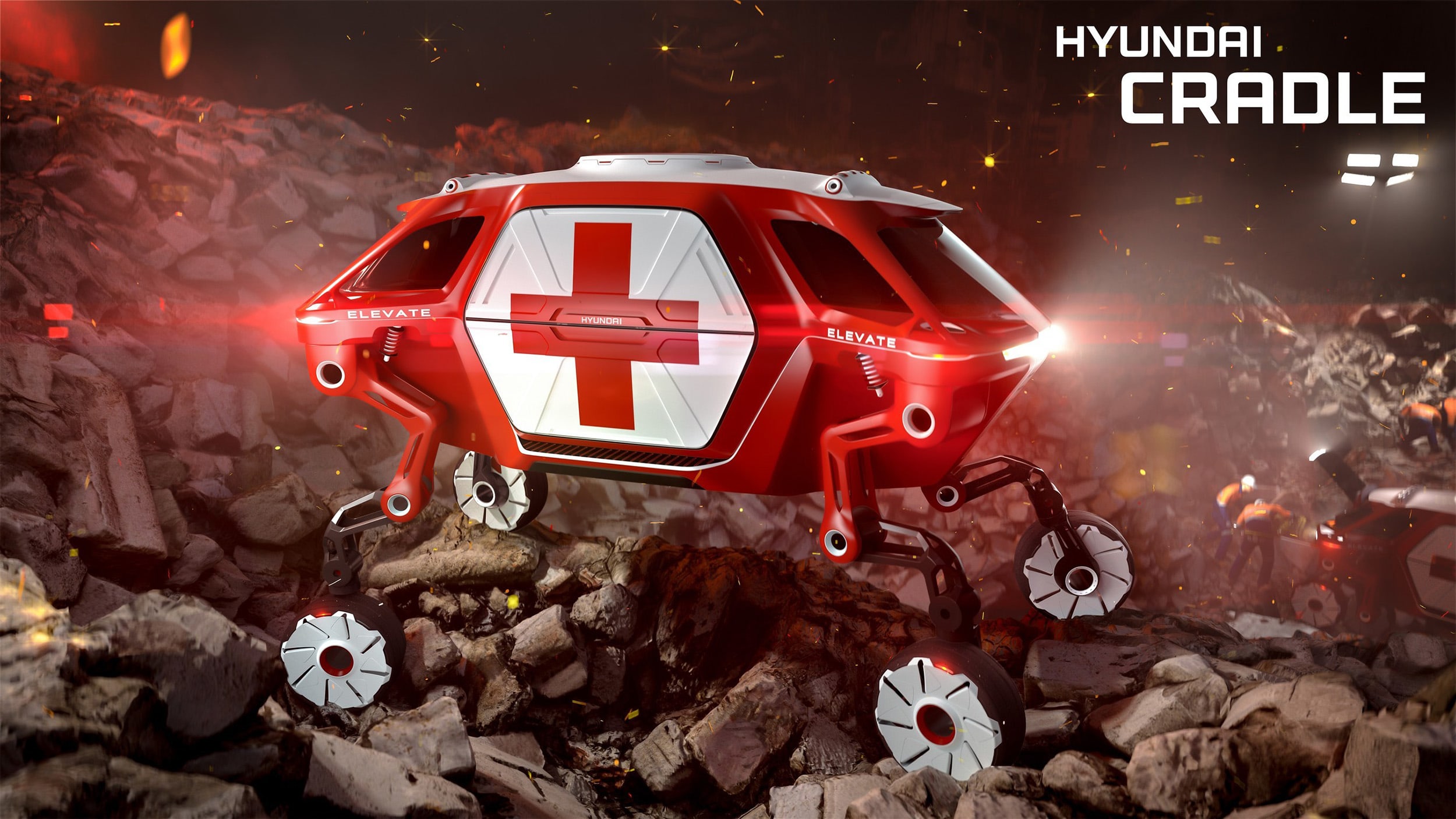
"When a tsunami or earthquake hits, current rescue vehicles can only deliver first responders to the edge of the debris field. They have to go the rest of the way by foot. Elevate can drive to the scene and climb right over flood debris or crumbled concrete," says John Suh, Hyundai vice president and head of Hyundai Center for Robotic-Augmented Design in Living Experiences (CRADLE).
CRADLE is Hyundai's corporate venturing and open innovation business, which partners and invests extensively in prominent global startups to accelerate the development of advanced future automotive technologies and “disruptive innovations.”
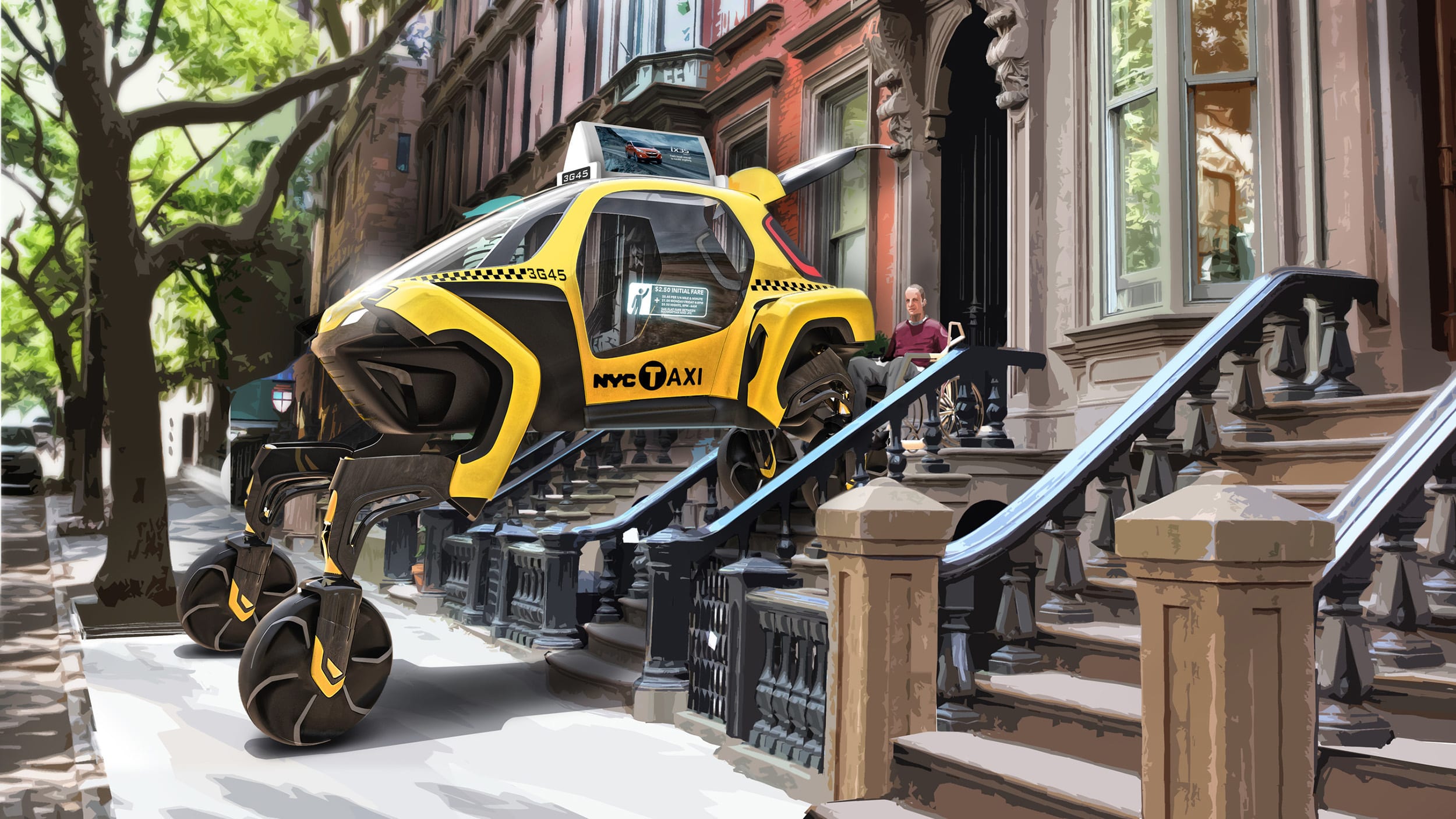
"This technology goes well beyond emergency situations – people living with disabilities worldwide that don't have access to an [Americans with Disabilities Act] ramp could hail an autonomous Hyundai Elevate that could walk up to their front door, level itself, and allow their wheelchair to roll right in – the possibilities are limitless," continues Suh.
Elevate may also find value in humanitarian aid missions, where remote locations may be inaccessible to conventional off-road vehicle designs.
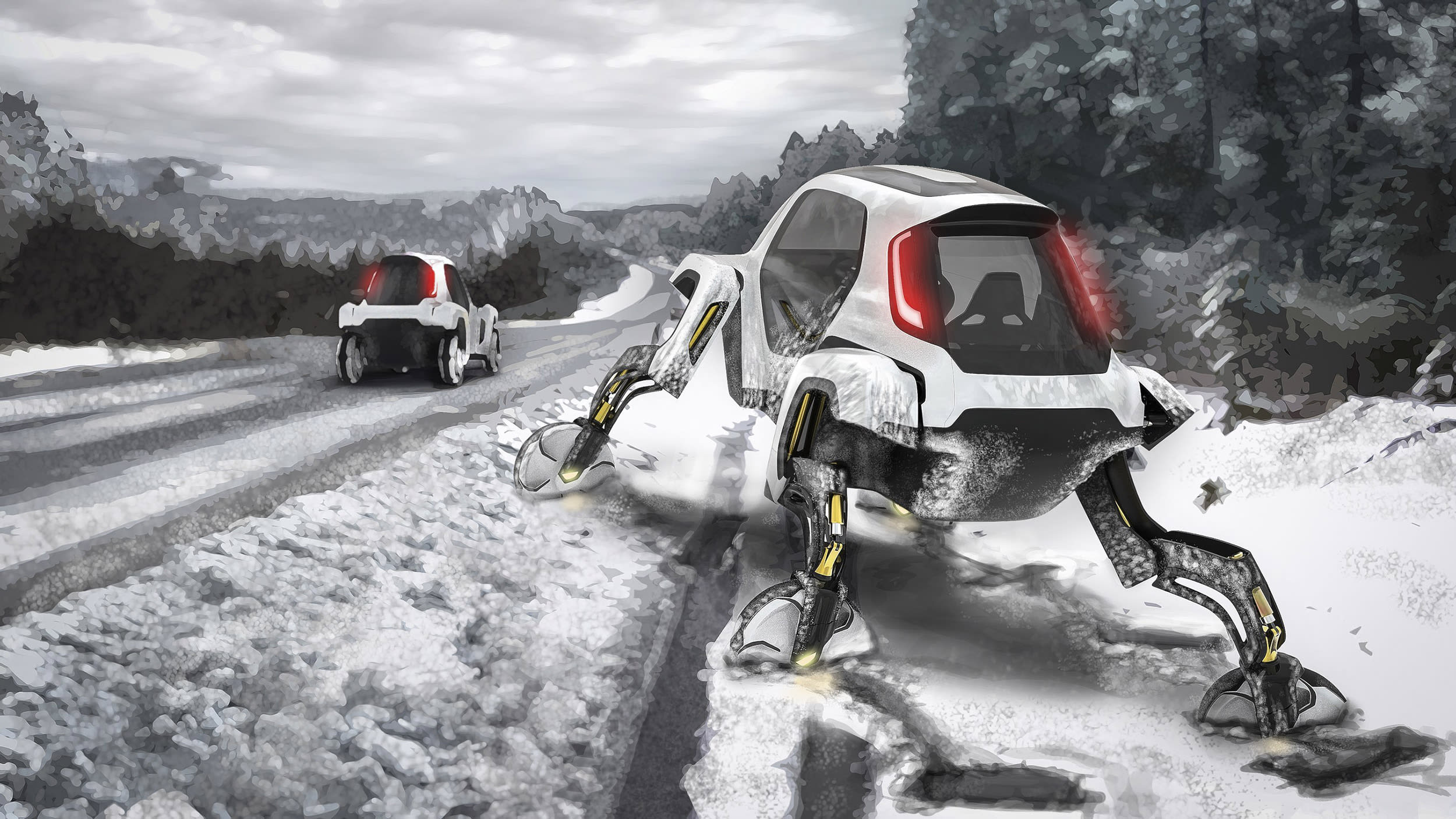
"By combining the power of robotics with Hyundai's latest EV technology, Elevate has the ability to take people where no car has been before, and redefine our perception of vehicular freedom," says David Byron, design manager at Detroit-based Sundberg-Ferar . "Imagine a car stranded in a snow ditch just 10 feet off the highway being able to walk or climb over the treacherous terrain, back to the road potentially saving its injured passengers – this is the future of vehicular mobility."
William Kucinski is content editor at SAE International in Warrendale, Pa. Previously, he worked as a writer at the NASA Safety Center in Cleveland, Ohio and was responsible for writing the agency’s System Failure Case Studies. His interests include literally anything that has to do with space, past and present military aircraft, and propulsion technology.
Contact him regarding any article or collaboration ideas by e-mail at
More From SAE Media Group
Automotive Engineering
Actuating Hybrid and EV Efficiency
Aerospace & Defense Tech Briefs
Rolls-Royce to Work with Airframe Manufacturers, Seek Partners for EVTOL Project
Automotive Engineering
Ferrari Reveals SF90, First-Ever Plug-In Hybrid
Automotive Engineering
Elaphe Readies In-Wheel Motors for OEM EVs After 2030
Aerospace & Defense Tech Briefs
Air Racing Is Going Electric
Aerospace & Defense Tech Briefs
Personal Air Transport Drives Need for Advanced VTOL Technologies, Standards
Automotive Engineering
Hyundai Reveals Market-Sized 2022 Tucson SUV
Automotive Engineering
First Electrified Dodge Arrives for 2023 MY
Aerospace & Defense Tech Briefs
Bell Nexus Full-Scale Air Taxi Design Debuts, Taps Novel VTOL, Hybrid Propulsion, Energy Storage, and Avionics Technologies
Automotive Engineering
All-Electric Nissan Ariya Handles Ultra-Cold Temps on Pole to Pole Trek
Automotive Engineering
Tuning the 2024 Corvette E-Ray for Exceptional Drivability
Aerospace & Defense Tech Briefs
SAE International Extends Call for Abstracts, Seeks Submissions for AeroTech Conference
Automotive Engineering
Schaeffler Heads Back to CES with New Acquisition, Capabilities
Automotive Engineering
Tremec-Trification
Aerospace & Defense Tech Briefs
Industry Invited to Participate in AeroTech Aerospace and Defense Technical Program
Aerospace & Defense Tech Briefs
Air Mobility Innovations Take Center Stage at Aerospace Systems and Technology Conference
Automotive Engineering
Hub-Motoring in Lordstown’s Novel Endurance
Automotive Engineering
ICE and Hybrid-Electric Propulsion Show Staying Power
Automotive Engineering
Engineering Flexibility into EV Powertrains
Off-Highway Engineering
Quantron Launches 12-M Battery-Electric Bus; Fuel-Cell Variant to Follow
Off-Highway Engineering
Deutz Equips Telehandlers with Hybrid and Fully Electric Powertrains
Aerospace & Defense Tech Briefs
SAE International Issues, Revises Technical Reports for Aerospace Engineering

Off-Highway Engineering
Nikola Producing Battery-Electric Trucks, Fuel-Cell EVs Coming
Off-Highway Engineering
Electric Mobile Machines Won’t Abandon Hydraulics
Automotive Engineering
Williams Debuts New Flexible Platform for BEVs and FCVs
Autonomous Vehicle Engineering
BMW 7-Series Drives Itself Through Own Assembly
Automotive Engineering
Suppliers Prepare for a Drop in EV Market Share
Automotive Engineering
Hyundai’s Uni Wheel Creates Space for EV Powertrains
Automotive Engineering
Sourcing the Multi-Energy Platform
Transcript
00:00:16 (dramatic music playing)
Top Stories
NewsRF & Microwave Electronics
 Microvision Aquires Luminar, Plans Relationship Restoration, Multi-industry Push
INSIDERAerospace
 A Next Generation Helmet System for Navy Pilots
INSIDERDesign
 New Raytheon and Lockheed Martin Agreements Expand Missile Defense Production
INSIDERMaterials
 How Airbus is Using w-DED to 3D Print Larger Titanium Airplane Parts
NewsPower
 Ford Announces 48-Volt Architecture for Future Electric Truck
ArticlesAR/AI

Webcasts
Electronics & Computers
 Cooling a New Generation of Aerospace and Defense Embedded...
Automotive
 Battery Abuse Testing: Pushing to Failure
Power
 A FREE Two-Day Event Dedicated to Connected Mobility
Unmanned Systems
 Quiet, Please: NVH Improvement Opportunities in the Early Design Cycle
Automotive
 Advantages of Smart Power Distribution Unit Design for Automotive &...
Energy
 Sesame Solar's Nanogrid Tech Promises Major Gains in Drone Endurance