




Aerospace & Defense Technology - August 2020
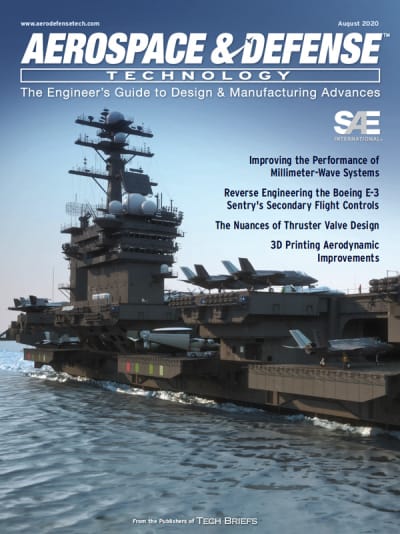
Inside this issue
Overview
The August 2020 issue of Aerospace & Defense Technology presents a comprehensive exploration of various advancements and technologies in the aerospace and defense sectors. This issue features a range of articles that delve into critical topics, including avionics, aerospace alloys, propulsion systems, aerodynamics, and RF & microwave technology.
Key Features:
-
Avionics:
- One of the standout articles focuses on the reverse engineering of the Boeing E-3 Sentry's secondary flight controls. This piece examines the complexities involved in understanding and replicating the systems that contribute to the aircraft's operational capabilities. The analysis highlights the importance of such engineering efforts in enhancing safety and performance in military aviation.
-
Aerospace Alloys:
- The issue also discusses vanadium, a green metal that is becoming increasingly critical in aerospace and clean energy applications. The article outlines the properties of vanadium that make it suitable for high-performance alloys, emphasizing its role in reducing weight and improving the efficiency of aerospace components. This focus on sustainable materials aligns with the industry's shift towards greener technologies.
-
Propulsion Systems:
- Another significant feature is dedicated to the nuances of thruster valve design in space propulsion systems. This article provides insights into the engineering challenges and innovations that drive the development of efficient thruster systems, which are essential for maneuvering spacecraft in the harsh environment of space. The discussion includes the impact of design choices on performance and reliability.
-
Aerodynamics:
- The magazine explores the application of 3D printing in achieving aerodynamic improvements. This article discusses how additive manufacturing techniques can be utilized to create complex geometries that enhance airflow and reduce drag. The integration of 3D printing in aerospace design represents a transformative approach, allowing for rapid prototyping and customization of components.
RF & Microwave Technology:
- The issue features an article on cryogenic-capable isolators that improve the performance of millimeter-wave systems by lowering noise levels. This technology is crucial for enhancing communication and radar systems, particularly in defense applications where signal integrity is paramount. The advancements in RF and microwave technology are vital for maintaining a competitive edge in modern warfare.
-
Detection with Quantum Radar:
- Another intriguing topic covered is the potential of quantum radar technology. This article discusses how quantum principles can be applied to radar systems to improve detection capabilities, particularly in challenging environments where traditional radar may struggle. The exploration of quantum radar represents a significant leap forward in surveillance and reconnaissance technologies.
Tech Briefs:
In addition to the feature articles, the issue includes several tech briefs that provide concise updates on various innovations and research findings in the aerospace and defense fields. These briefs serve as a quick reference for professionals looking to stay informed about the latest developments and emerging technologies.
Editorial Insights:
The editorial team, led by Joseph T. Pramberger, emphasizes the importance of innovation in the aerospace and defense sectors, particularly in light of the ongoing challenges posed by global events. The magazine aims to provide its readers with valuable insights that can inform their work and inspire new ideas in engineering and technology.
Subscription Information:
The magazine is published by Tech Briefs Media Group, an SAE International Company, and is available in both print and digital formats. Subscriptions are free for qualified subscribers, with options for non-qualified subscribers available at a nominal fee. The publication is released eight times a year, ensuring that readers receive timely updates on industry trends and technological advancements.
Conclusion:
The August 2020 issue of Aerospace & Defense Technology is a rich resource for professionals in the aerospace and defense industries. With its in-depth articles and updates on cutting-edge technologies, the magazine serves as a vital tool for staying informed and engaged with the latest developments. Whether exploring the intricacies of avionics, the potential of new materials, or the future of radar technology, readers will find valuable insights that can enhance their understanding and application of aerospace and defense technologies.
Features
-
Application Briefs
41 Telemetry Processing Systems
41 Electro-Optical Missile System
-
Articles
4 Reverse Engineering the Boeing E-3 Sentry's Secondary Flight Controls
12 Vanadium: A Green Metal Critical to Aerospace and Clean Energy
17 Thrust in Space - The Nuances of Thruster Valve Design
Tech Briefs
-
DAQ, Testing & Sensors
31 Bore Elevation and Azimuth Measurement System (Beams)
33 Correlational Analysis of Speech Intelligibility Tests and Metrics for Speech Transmission
37 sUAS-Based Payload Development and Testing for Quantifying Optical Turbulence
39 Development and Verification of Body Armor Target Geometry Created Using Computed Tomography Scans
Products
-
62 New Products
Top Stories
INSIDERDefense
 New Raytheon and Lockheed Martin Agreements Expand Missile Defense Production
NewsAutomotive
 Ford Announces 48-Volt Architecture for Future Electric Truck
INSIDERManufacturing & Prototyping
 Active Strake System Cuts Cruise Drag, Boosts Flight Efficiency
ArticlesTransportation
 Accelerating Down the Road to Autonomy
INSIDERMaterials
 How Airbus is Using w-DED to 3D Print Larger Titanium Airplane Parts
Road ReadyTransportation

Webcasts
Electronics & Computers
 Cooling a New Generation of Aerospace and Defense Embedded...
Power
 Battery Abuse Testing: Pushing to Failure
Connectivity
 A FREE Two-Day Event Dedicated to Connected Mobility
Automotive
 Quiet, Please: NVH Improvement Opportunities in the Early Design Cycle
Transportation
 Advantages of Smart Power Distribution Unit Design for Automotive &...
Aerospace
 Sesame Solar's Nanogrid Tech Promises Major Gains in Drone Endurance