




GM CEO Barra Promises $30K EV SUV by Fall 2023; Automated Driving by Mid-Decade
Scaling its new battery and EV platforms, GM intends to offer its 2024 Equinox EV compact SUV at a mainstream price point.
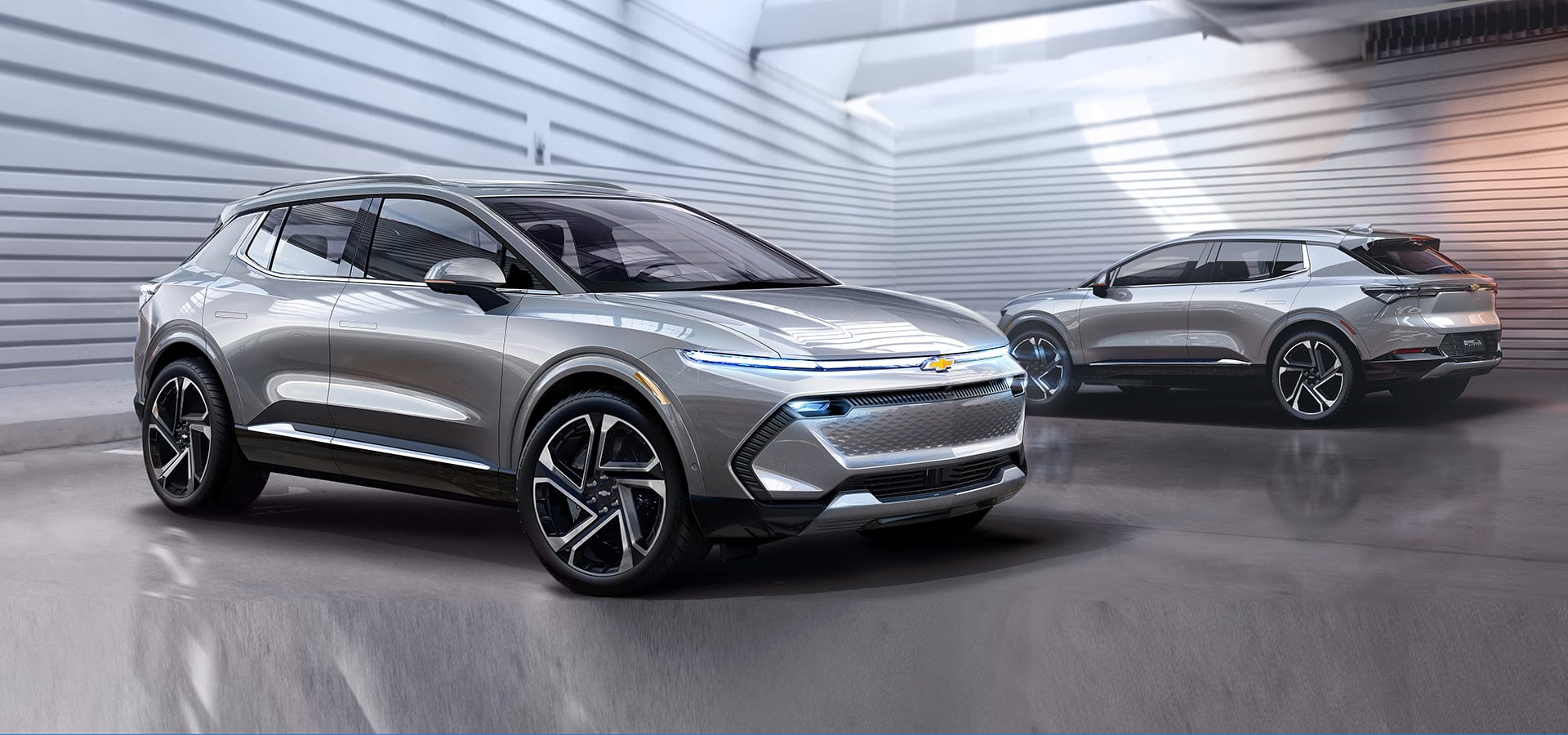
In a January 5 keynote presentation at CES 2022, General Motors CEO Mary Barra did more than unveil an electric version of one of the company’s profit powerhouses, the Chevrolet Silverado pickup truck. She also pledged GM will build an EV variant of Chevy’s Equinox compact SUV that will be in showrooms by fall 2023 for a base MSRP of “around $30,000.”
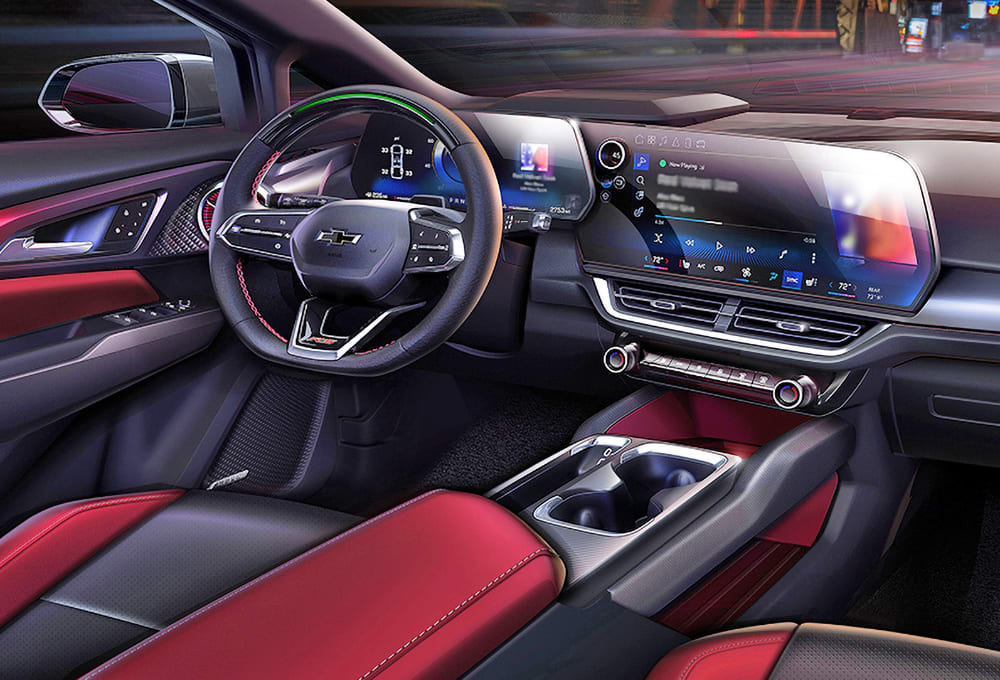
That price point that would make the 2024 Equinox EV only marginally more expensive than today’s conventionally powered model, which starts at $26,995. “As our most popular vehicle brand,” Barra said, “Chevy will be front and center in our mission to provide EVs for everyone. We’re at the tipping point of electrification and we expect this to be a massive year for Chevrolet’s EV future.”
The 2024 Equinox EV’s projected starting price suggests GM projects considerable cost-efficiency from scaling its Ultium lithium-ion battery architecture, as well as vehicle platforms optimized to use the new battery technology. The company currently has large Ultium manufacturing sites under construction in Ohio and Tennessee, in collaboration with partner LG Chem. Barra also confirmed GM will build an EV variant of the Blazer SUV which will precede the Equinox EV by coming to market in Spring 2023. The company has pledged to have 30 EV models available globally by 2025 and transform its entire light-duty vehicle lineup to EVs by 2035.
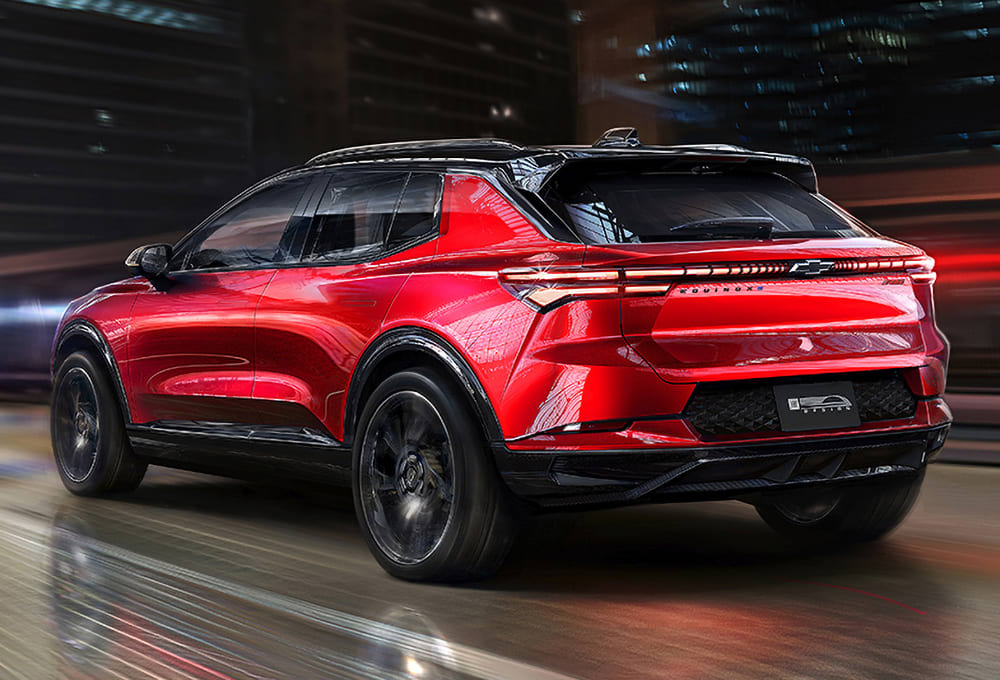
She also detailed the Cadillac luxury unit’s ambitions to offer a range of premium, expressive EVs that include the “hand-built and hand-crafted” Celestiq – and presumably an eventual EV variant of the brand’s signature Escalade fullsize SUV. “No other automaker today matches the depth and range of GM’s EV portfolio,” Barra asserted, adding about the company’s ambitious strategy: “Make no mistake – this is a movement.”
Barra didn’t stop with electrification. Speaking of GM’s ongoing and varied initiatives to develop high-level (SAE Level 3-4) driving automation. “We are looking further down the road at opportunities to extend fully-autonomous vehicle technology to personal transportation with the safety and quality our consumers expect.” She said GM and Cruise – the company’s unit developing high-level driving automation for rideshare or “robo-taxi” applications – “are gaining significant technological expertise and experience. We are working to be fastest to market with a retail personal autonomous vehicle. In fact, we aim to deliver our first personal autonomous vehicles as soon as the middle of this decade.”
Barra said today’s efforts and the subsequent automated models targeted for both commercial and personal use will help create economies of scale to help lower the cost and increase the quality of rideshare experiences and bring the advance of driving automation “to a much larger audience.” Teams from GM and Cruise, she added, will continue to work together to create a range of personal autonomous vehicles.
More From SAE Media Group
Automotive Engineering
GM Deploying Electricals of the Future
Automotive Engineering
Seeking More Traction in Budding EV Market, VW Adds AWD to ID.4
Autonomous Vehicle Engineering
Amending the Automated-Driving ‘Constitution’
Automotive Engineering
Preview: SAE 2021 WCX
Automotive Engineering
GM Unveils 2024 Chevrolet Silverado EV
Automotive Engineering
New Ultium Battery System Underpins GM’s EV Future
Automotive Engineering
Cadillac Reveals Lyriq Electric Vehicle
Automotive Engineering
Engineering ‘Electron Guzzlers’
Automotive Engineering
CASE Struggles to Fulfil Expectations
Automotive Engineering
GM Pushes for Industry Standards as It Readies More EVs, AVs
Automotive Engineering
GM and Honda to Jointly Develop Honda’s Electric Vehicles
ADAS & Autonomous Vehicle Engineering
The Road to Zero Prototypes
Off-Highway Engineering
Volkswagen ID.Buzz All-electric Vans Combine Iconic Styling With Modern Technology
Automotive Engineering
Removing Bumps on the Path to Fully Automated Driving
Autonomous Vehicle Engineering
Making the Strategic Move into AV Testing
Automotive Engineering
The Navigator: Traversing the Autonomous Trust Gap
Automotive Engineering
All-Electric Nissan Ariya Handles Ultra-Cold Temps on Pole to Pole Trek
Automotive Engineering
WCX 2024: The Technologies That Will Define Future Mobility
Automotive Engineering
Honda and Nissan Merger Plans Could Accelerate EV R&D
Automotive Engineering
Volvo’s Electric High-Wire Act
Autonomous Vehicle Engineering
The Future of Automated Vehicle Cabins
Autonomous Vehicle Engineering
BMW 7-Series Drives Itself Through Own Assembly
Automotive Engineering
Battery Leasing Spurs VinFast’s EV Offensive
Automotive Engineering
SAE WCX 2022: OEM Learnings from Level 2 ADAS
Automotive Engineering
Innovative ‘Afreecar’ Wins SAE’s 2021 Create the Future Design Award
Off-Highway Engineering
GM Defense Adapts Hummer EV for Military Concept Vehicle
Automotive Engineering
Cadillac Reveals Vistiq EV for 2026 Model Year
Automotive Engineering
Industry Vet: Rapid Change Required to Catch up to Chinese EV Maker
Automotive Engineering
Preparing for the New, Faster EV Product Cadence
Automotive Engineering
Mercedes Kicks off Dedicated EV Lineup with Flagship EQS
Top Stories
NewsSensors/Data Acquisition
 Microvision Aquires Luminar, Plans Relationship Restoration, Multi-industry Push
INSIDERRF & Microwave Electronics
 A Next Generation Helmet System for Navy Pilots
INSIDERWeapons Systems
 New Raytheon and Lockheed Martin Agreements Expand Missile Defense Production
NewsAutomotive
 Ford Announces 48-Volt Architecture for Future Electric Truck
INSIDERAerospace
 Active Strake System Cuts Cruise Drag, Boosts Flight Efficiency
ArticlesTransportation

Webcasts
Aerospace
 Cooling a New Generation of Aerospace and Defense Embedded...
Energy
 Battery Abuse Testing: Pushing to Failure
Power
 A FREE Two-Day Event Dedicated to Connected Mobility
Automotive
 Quiet, Please: NVH Improvement Opportunities in the Early Design Cycle
Electronics & Computers
 Advantages of Smart Power Distribution Unit Design for Automotive &...
Unmanned Systems
 Sesame Solar's Nanogrid Tech Promises Major Gains in Drone Endurance