




GM and Honda to Jointly Develop Honda’s Electric Vehicles
Honda’s next-gen EVs, pegged for MY2024, will be based on a GM architecture and powered by its new Ultium battery design.
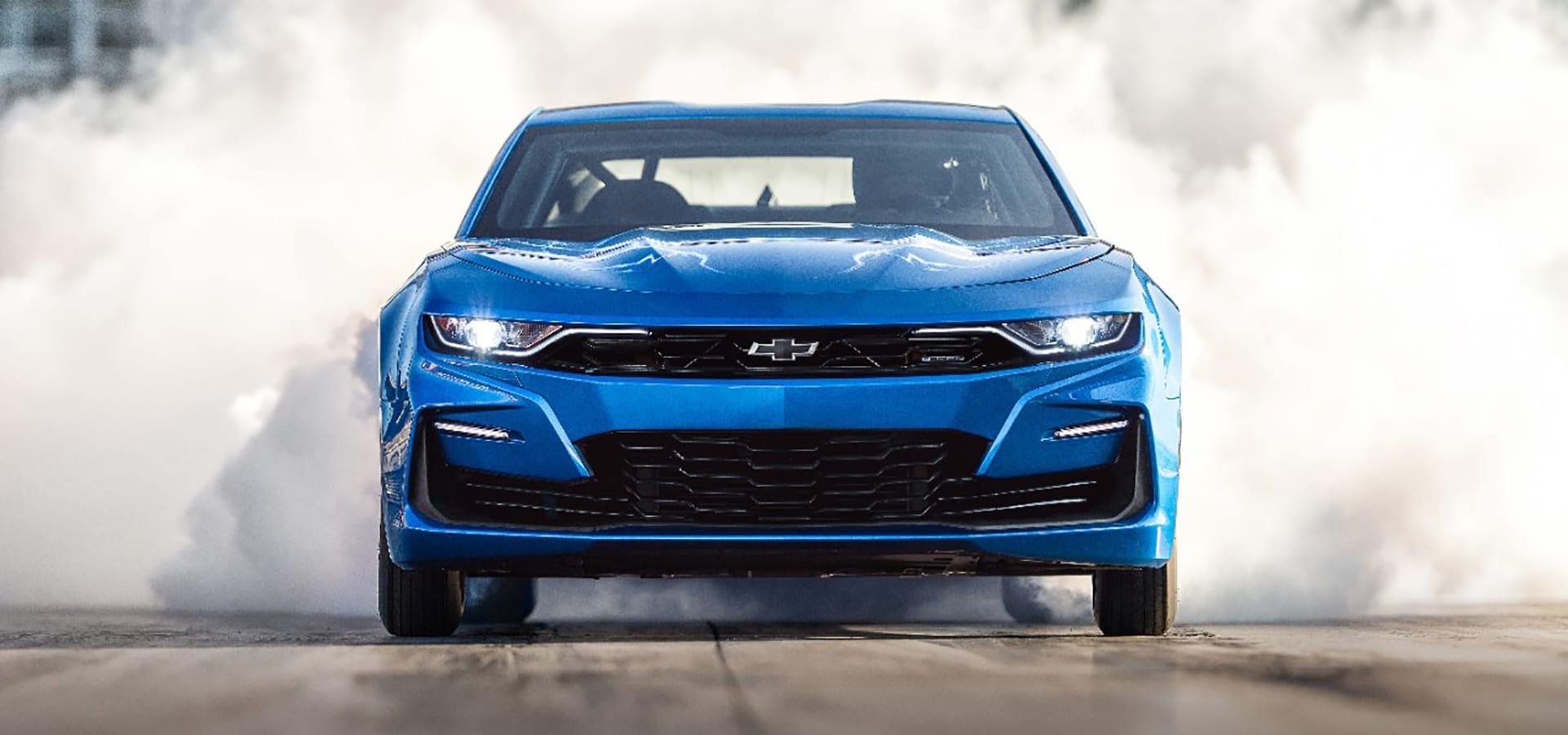
General Motors and Honda announced on April 2, 2020 that Honda’s next generation of electric vehicles (EVs) will be jointly developed by the two companies, but will be “based on GM’s highly flexible global EV platform” and powered by the Ultium lithium-ion battery design that GM recently revealed. Honda will execute exterior design and interiors of two Honda-badged EVs and said in a statement that “the platform will be engineered to support Honda’s driving character.” Sales of the Honda EVs are slated to begin in 2024.
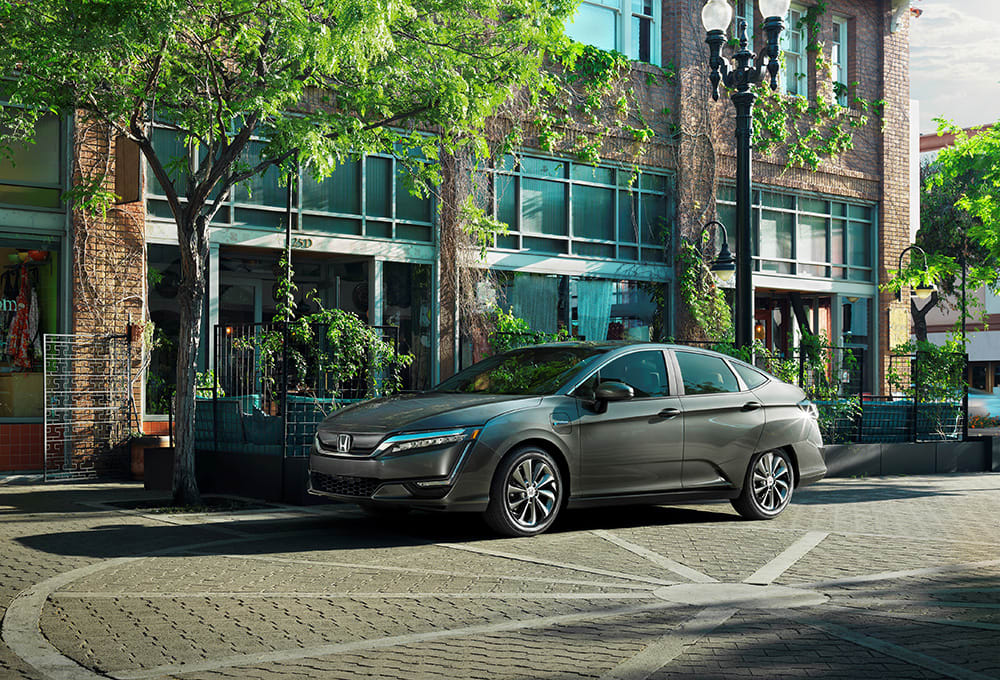
Additionally, the companies confirmed that Honda plans to "make GM’s hands-free advanced driver-assist technology available." That system currently is marketed by GM as Super Cruise.
The announcement was not wholly unexpected. The two companies have an extensive history of technology-sharing agreements and currently are jointly involved in research and development of hydrogen fuel-cell systems. And in recent months, various Honda executives affirmed the company’s reluctance to heavily commit to EVs for the U.S. market as American consumers continue to prefer large pickup trucks and SUVs and vehicle charging infrastructure remains immature.
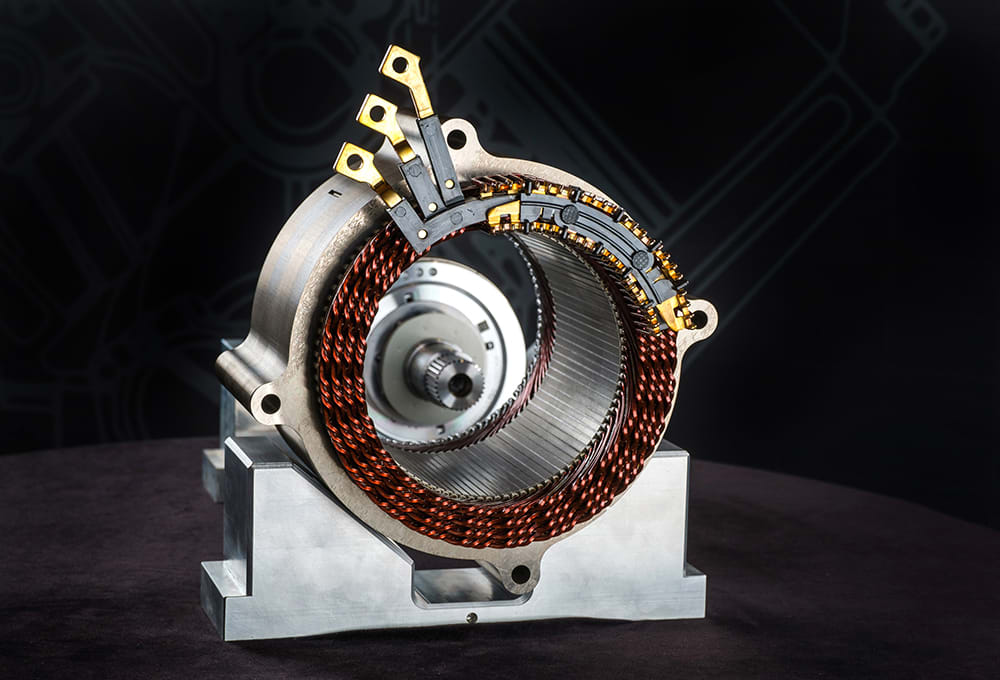
Honda confirmed in early March that it would no longer sell the EV variant of its Clarity sedan in the U.S. It earlier said that despite widespread European acclaim for its just-released Honda E compact EV, it does not intend to offer the Honda E in the U.S. market, so the collaboration with GM presumably will give Honda the ability to sell EVs with comparatively minimal investment – or risk.
“This collaboration will put together the strength of both companies, while combined scale and manufacturing efficiencies will ultimately provide greater value to customers,” said Rick Schostek, executive vice president of American Honda Motor Co., Inc., in a statement. “This expanded partnership will unlock economies of scale to accelerate our electrification roadmap and advance our industry-leading efforts to reduce greenhouse gas emissions.”
Profitability in the driver’s seat
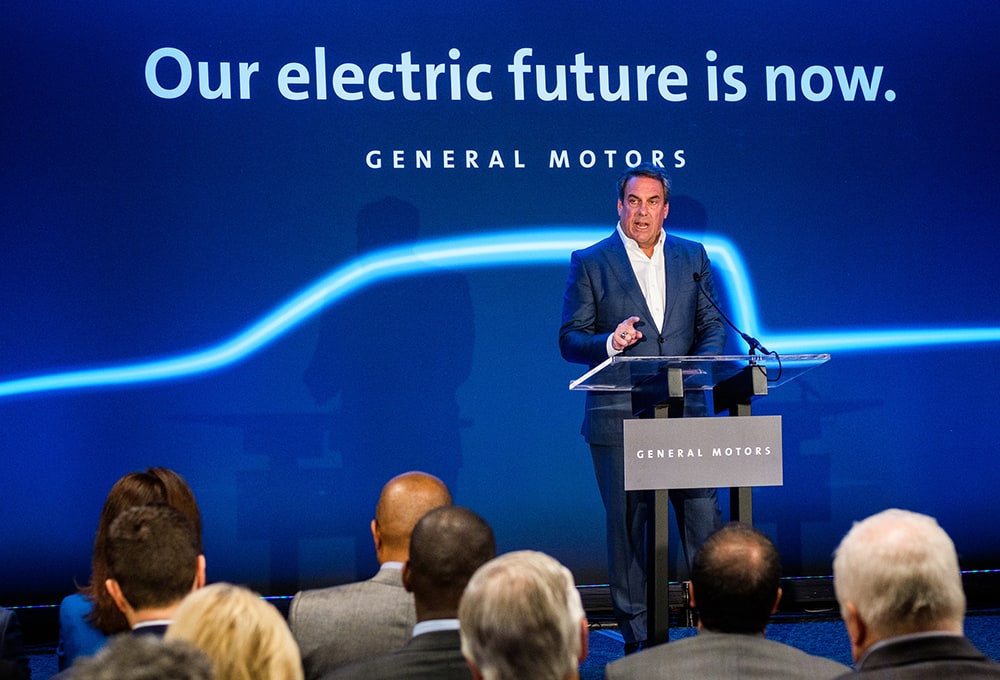
Manufacturing scale often is mentioned as vital to laying the foundation of volume EV sales in the U.S. market. Without scale that can reduce manufacturing costs, many automakers are wary of committing to EVs that cost markedly more than internal-combustion-powered equivalents. That is why GM president Mark Reuss raised eyebrows early in 2020 when he insisted that the company’s Detroit-Hamtramck assembly plant – GM’s first plant fully dedicated to production of EVs – will be profitable from the start.
The two companies confirmed in the initial announcement that “will be manufactured at GM plants in North America,” but did not specifically name the Detroit-Hamtramck plant as the likely site for the manufacture of the Honda EVs. Sales are expected to begin in 2024 model year.
In a statement, Doug Parks, GM executive vice president of Global Product Development, Purchasing and Supply Chain, said the GM-Honda teamup “is another step on our journey to an all-electric future and delivering a profitable EV business through increased scale and capacity utilization. We have a terrific history of working closely with Honda and this new collaboration builds on our relationship and like-minded objectives.”
One cryptic statement in the release is likely to generate extensive speculation: “We are in discussions with one another regarding the possibility of further extending our partnership,” said Honda’s Schostek. One critical element for the Detroit Three automakers is the need to capably merge EV propulsion within the packaging of fullsize pickups, the Detroit automakers’ chief profit machines. Reuss confirmed that GM intends to begin building its first battery-electric pickups in 2021 and could be studying avenues to generate maximum early demand.
More From SAE Media Group
Automotive Engineering
Engineering ‘Electron Guzzlers’
Automotive Engineering
EV Battery Manufacturing Commitments Surge in U.S.
Automotive Engineering
New Ultium Battery System Underpins GM’s EV Future
Off-Highway Engineering
Daimler Launches New EV Truck Brand for U.S. Market
Automotive Engineering
All-Electric Nissan Ariya Handles Ultra-Cold Temps on Pole to Pole Trek
Off-Highway Engineering
ZF, Freudenberg Developing Integrated Fuel-Cell and E-Drive System
Automotive Engineering
GM’s Ultium Battery System Future-Proofed
Automotive Engineering
Architecting GM’s New EV Batteries
Automotive Engineering
New GM, LG Chem Joint Venture to Build EV Battery Plant in U.S.
Automotive Engineering
Cadillac to Launch 2023 Lyriq EV Months Earlier Than Planned
Off-Highway Engineering
Bigger Barrier to CBEVs: Batteries or Infrastructure?
Automotive Engineering
Tension and the Electric Takeover
Off-Highway Engineering
Mercedes-Benz Goes Long with EActros 600 Electric Truck
Off-Highway Engineering
Nikola Producing Battery-Electric Trucks, Fuel-Cell EVs Coming
Automotive Engineering
The Haters Go After Toyota
Automotive Engineering
The Battle over EV Value-Add Has Begun
Off-Highway Engineering
Next Steps Toward Battery-Electric Class 8 Trucks
Off-Highway Engineering
BEV Truck Manufacturers Charge Ahead at 2022 NTEA Show
Automotive Engineering
The EV Tech of BMW’s Neue-Klasse IX3
Off-Highway Engineering
Hydrogen ‘Inevitable’ for Commercial Vehicles
Off-Highway Engineering
Truck OEMs Invested in Infrastructure
Automotive Engineering
Mercedes-Benz Concept CLA Class Updates VISION EQXX Tech for a 466-Mile EV
Off-Highway Engineering
Lightning EMotors Announces EChassis for Commercial EVs
Off-Highway Engineering
Brownout for Commercial-Vehicle Electrification?
Off-Highway Engineering
Battery of Issues Surrounds Large-Vehicle Electrification
Automotive Engineering
Honda Pioneering New Manufacturing Tech for Zero Electrified Platform
Automotive Engineering
Slate and SK Executives on Bringing the Inexpensive EV to Market
Off-Highway Engineering
Cummins and Isuzu Announce Battery-electric Truck Collaboration
Automotive Engineering
BMW Engineers for the EV-Transition Reality
Automotive Engineering
Hercules Readies Alpha Electric Pickup Prototypes
Top Stories
NewsSensors/Data Acquisition
 Microvision Aquires Luminar, Plans Relationship Restoration, Multi-industry Push
INSIDERRF & Microwave Electronics
 A Next Generation Helmet System for Navy Pilots
INSIDERWeapons Systems
 New Raytheon and Lockheed Martin Agreements Expand Missile Defense Production
NewsAutomotive
 Ford Announces 48-Volt Architecture for Future Electric Truck
INSIDERAerospace
 Active Strake System Cuts Cruise Drag, Boosts Flight Efficiency
ArticlesTransportation

Webcasts
Aerospace
 Cooling a New Generation of Aerospace and Defense Embedded...
Energy
 Battery Abuse Testing: Pushing to Failure
Power
 A FREE Two-Day Event Dedicated to Connected Mobility
Automotive
 Quiet, Please: NVH Improvement Opportunities in the Early Design Cycle
Electronics & Computers
 Advantages of Smart Power Distribution Unit Design for Automotive &...
Unmanned Systems
 Sesame Solar's Nanogrid Tech Promises Major Gains in Drone Endurance