




SAE WCX 2022: OEM Learnings from Level 2 ADAS
Drivers and automakers are learning the parameters of automated driver assist technologies.
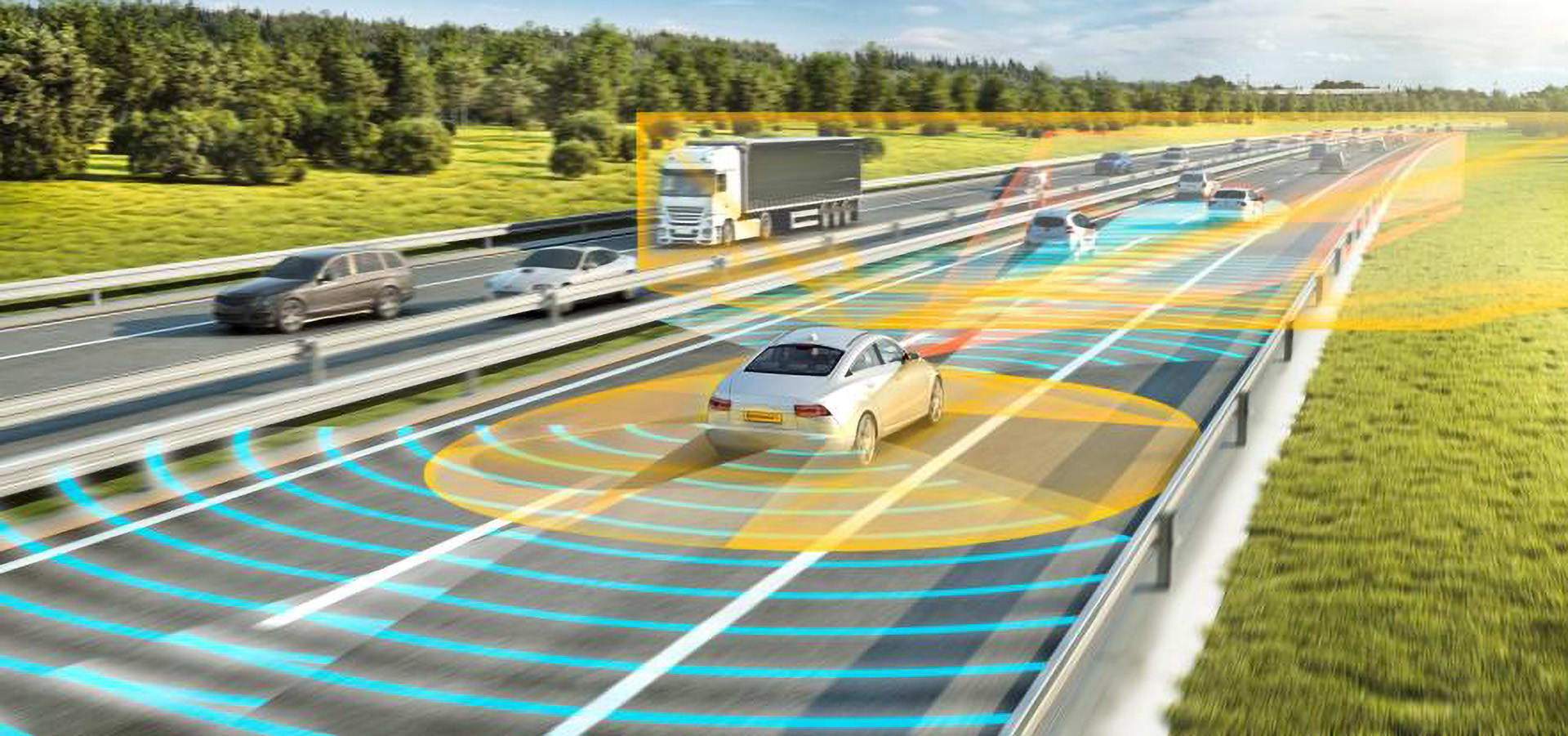
Drivers behave differently when a driver assist technology is engaged. They tend to drive faster, look away from the road more often and for longer periods of time, and they engage in distracting behaviors more often during automated driving time versus full-on manual driving. Those are the key findings from a research project spearheaded by the Insurance Institute for Highway Safety (IIHS) and the Massachusetts Institute of Technology (MIT) Advanced Vehicle Consortium.
“It’s absolutely imperative that the driver be paying attention all the time in order to use these systems safely,” said David Zuby, executive VP and chief research officer for IIHS. Zuby’s assessment set the stage for the April 5 Leadership Summit panel discussion at SAE WCX 2022 , addressing SAE Level 2 driving automation.
Driver assistance technologies are becoming more commonplace on new vehicles. Ford’s BlueCruise hands-free driving system is currently available on the Ford F-150 and Mach-E. The system, which builds off intelligent adaptive cruise control with stop and go, lane centering and speed sign recognition, is tailored for so-called BlueZones that encompass 130,000 miles (209,215 km) of divided highway across America. BlueCruise “is a driver assistance feature. This is not autonomous driving. This is a driver as part of the driving process,” said Emily Frascaroli, global director of Ford’s Automotive Safety Engineering Office.

To help educate drivers on using driver assist systems, Ford relies on a variety of information venues, including personnel at dealerships, videos on Ford.com, and vehicle owner guides. “Once consumers have a baseline understanding of what technology does, then it’s less confusing for them,” Frascaroli said.
Getting drivers to use new vehicle technology correctly usually requires more than a slight nudge, noted Steven Gehring, executive director of North American Safety Regulations and Policy for Hyundai Motor North America. Decades ago, when ABS started to become commonplace on passenger cars, many drivers failed to understand that pumping the brakes was a no-no. “With any technology, there’s always going to be a learning challenge,” said Gehring.
With more than 40 SAE Level 1 and Level 2 technologies in its product portfolio, BMW is seeing a demand for more. “This keeps us innovative, creative,” said Dominik Schuster, VP of Vehicle Safety for the BMW Group. Drivers tend to view driver assist technologies from a specific perspective. “With automatic cruise control, BMW customers might use it 50 percent of the time while driving on highways. But they’re not using the system because they want to drive safe, they’re using it because they want to be more comfortable,” Schuster said.

Nick Sitarski, VP of integrated vehicle systems at Toyota Motor North America R&D, said the automaker’s Level 2 systems were designed for convenience and reduced driver fatigue. “But components that make up the Level 2 system do, on their own, provide a safety benefit,” Sitarski said. In the future, Sitarski expects existing driver assist technologies to be further refined.
That product refinement correlates to technology relevance for years to come. A looming challenge, however, will be when Level 2 and Level 3 automation levels [see chart, below] combine in the same vehicle, according to BMW’s Schuster. While engineers might understand what a specific driver assist system can and can’t do, other individuals will need to be educated on proper usage.
More From SAE Media Group
Autonomous Vehicle Engineering
Purpose, Perceptions for Driver-Assist Tech Solidify
Automotive Engineering
SAE 2020 Government/Industry Meeting: Level-2 Driver Assistance Systems May Be Working
Autonomous Vehicle Engineering
Making the Strategic Move into AV Testing
Off-Highway Engineering
ADAS Features Expand Role, V2V Looms
Autonomous Vehicle Engineering
Amending the Automated-Driving ‘Constitution’
Autonomous Vehicle Engineering
AV and ADAS Testing from out of the Box
Autonomous Vehicle Engineering
Honda, Toyota Intro More-Advanced Driver-Assistance Systems
Automotive Engineering
Toyota Reinvesting in Collaborative Safety Research
Automotive Engineering
Seeking a Common Language for Vehicle Automation
Autonomous Vehicle Engineering
'Level 2+': Making Automated Driving Profitable, Mainstream
Automotive Engineering
ACM President and Michigan DOT Director Steudle Keynote Kicks off SAE ADAS Event
Autonomous Vehicle Engineering
GM Announces Door-To-Door Ultra Cruise ADAS
Automotive Engineering
Autonomous Future Will Require New Product Development Approaches
Automotive Engineering
The Navigator: Traversing the Autonomous Trust Gap
Automotive Engineering
SAE Rolls out Introduction to Automated Vehicle Safety in Shanghai
Autonomous Vehicle Engineering
The Future of Automated Vehicle Cabins
Autonomous Vehicle Engineering
Navigating the Language of Vehicle Autonomy
ADAS & Autonomous Vehicle Engineering
AV Life After Argo AI
Autonomous Vehicle Engineering
Waymo, GM and Ford Pegged as Autonomous “Leaders” by Latest Navigant Report
Automotive Engineering
Automated Vehicles Not an 'If' but a 'When'
ADAS & Autonomous Vehicle Engineering
Automated Driving’s Journey: One Step Forward…
Automotive Engineering
Mercedes Reveals Its Experimental Safety Vehicle 2019 – Mobile Robot Included
ADAS & Autonomous Vehicle Engineering
Inner Visions
Automotive Engineering
Taking ‘Eyes-Off’ the ADAS Future
Automotive Engineering
WCX 2019: Mobileye’s Quest for Super-Human Perception
Automotive Engineering
New-Mobility Visionary Burns: Automated Driving ‘Getting Close’
Autonomous Vehicle Engineering
BMW 7-Series Drives Itself Through Own Assembly
Automotive Engineering
Volvo Safety Guru Lotta Jakobsson on AV Crash Tech
Off-Highway Engineering
Knorr-Bremse Puts the Brakes on Automated Driving
Automotive Engineering
Nvidia’s New Level 2+ Autonomy Platform Is Making Cars Safer Today
Top Stories
NewsRF & Microwave Electronics
 Microvision Aquires Luminar, Plans Relationship Restoration, Multi-industry Push
INSIDERAerospace
 A Next Generation Helmet System for Navy Pilots
INSIDERDesign
 New Raytheon and Lockheed Martin Agreements Expand Missile Defense Production
INSIDERMaterials
 How Airbus is Using w-DED to 3D Print Larger Titanium Airplane Parts
NewsPower
 Ford Announces 48-Volt Architecture for Future Electric Truck
ArticlesAR/AI

Webcasts
Electronics & Computers
 Cooling a New Generation of Aerospace and Defense Embedded...
Automotive
 Battery Abuse Testing: Pushing to Failure
Power
 A FREE Two-Day Event Dedicated to Connected Mobility
Unmanned Systems
 Quiet, Please: NVH Improvement Opportunities in the Early Design Cycle
Automotive
 Advantages of Smart Power Distribution Unit Design for Automotive &...
Energy
 Sesame Solar's Nanogrid Tech Promises Major Gains in Drone Endurance