




GM Deploying Electricals of the Future
The Global B architecture will underpin nearly all newly developed GM vehicle platforms, enabling advanced digital capabilities that include OTA functionality.
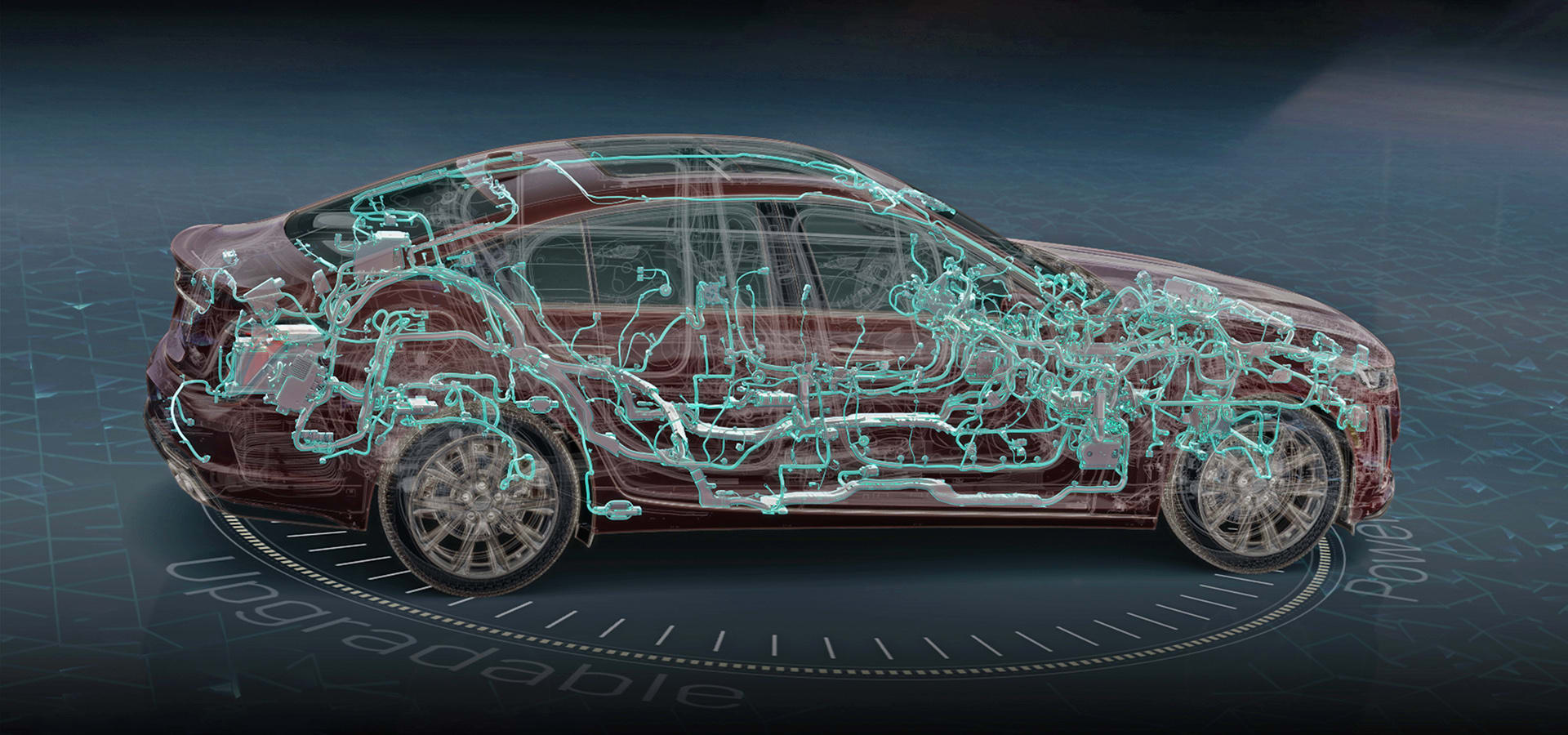
General Motors recently offered media a deeper look at the company’s all-new vehicle electrical architecture that was first confirmed in mid-2019, saying the vehicle-wide electrical system is associated with more than 100 new patents. The advanced “digital vehicle platform,” known internally as Global B debuted with the 2020 Cadillac CT5 sedan. It serves as the electrical foundation for the 2020 Chevrolet Corvette Stingray and the 2021 Chevrolet Tahoe and Suburban, GM Yukon and Cadillac Escalade.
Gary Bandurski, executive director of Global Electronic Components and Subsystems said the new electrical architecture has approximately five times the processing capacity of GM’s current systems – enough to move 4.5 terabytes per hour, the equivalent data of 980 digitized movies or nearly a mile-and-half of books on a shelf. In addition to multiples of speed and functionality, the advanced electrical system also greatly bolsters cybersecurity strength, Bandurski added.
But more noticeably for vehicle owners, he said, the advanced architecture will provide for a wide spectrum of over-the-air (OTA) software-update functionality and enhanced driver-assistance and safety capabilities. Apparent dynamic aspects will include faster brake response, smoother and more accurate accelerations and decelerations while using adaptive cruise control and the increasingly sophisticated versions of GM’s Super Cruise SAE Level 2 driver-assistance system, while all onboard cameras now display high-resolution images (to now, a mix of analog and digital has been employed), all with at least 1 megapixel resolution.
“Our new digital vehicle platform and its eventual successors will underpin all our future innovations across a wide range of technological advancements, including EVs and expanded automated driving,” summarized GM President Mark Reuss in the company’s initial release announcing the new electrical system.
Saving material, weight

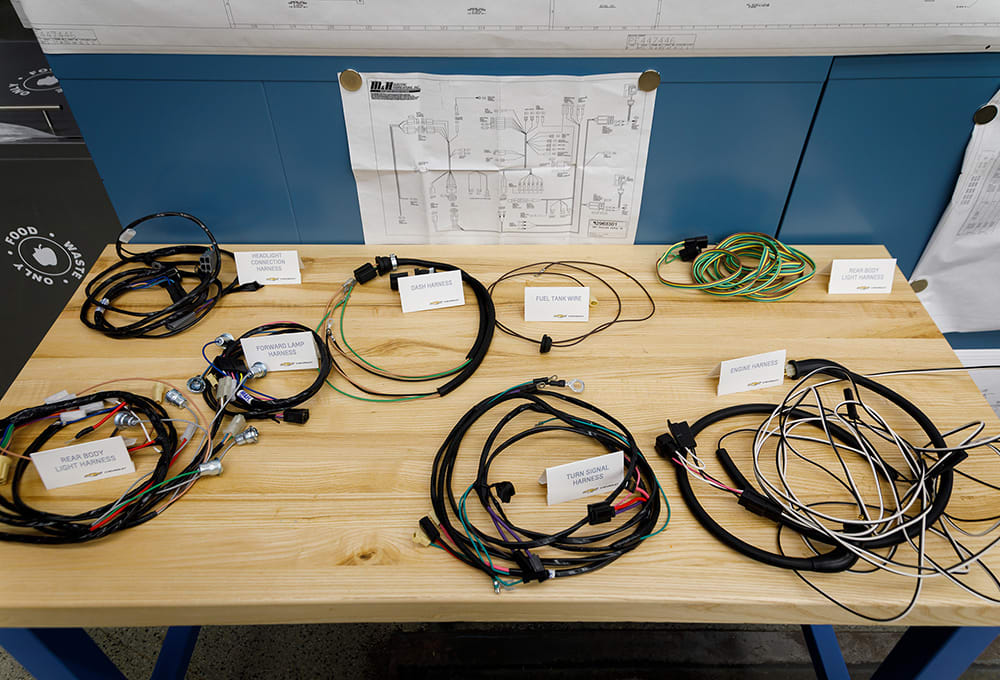
Bandurski said the new electrical platform reduces the amount of wires and other hardware and brings corresponding packaging advantages, although the company has yet to specify how much material or weight can be saved. The system also provides greater bill-of-material sharing between internal-combustion-powered vehicles and its coming generation of fully electric vehicles.
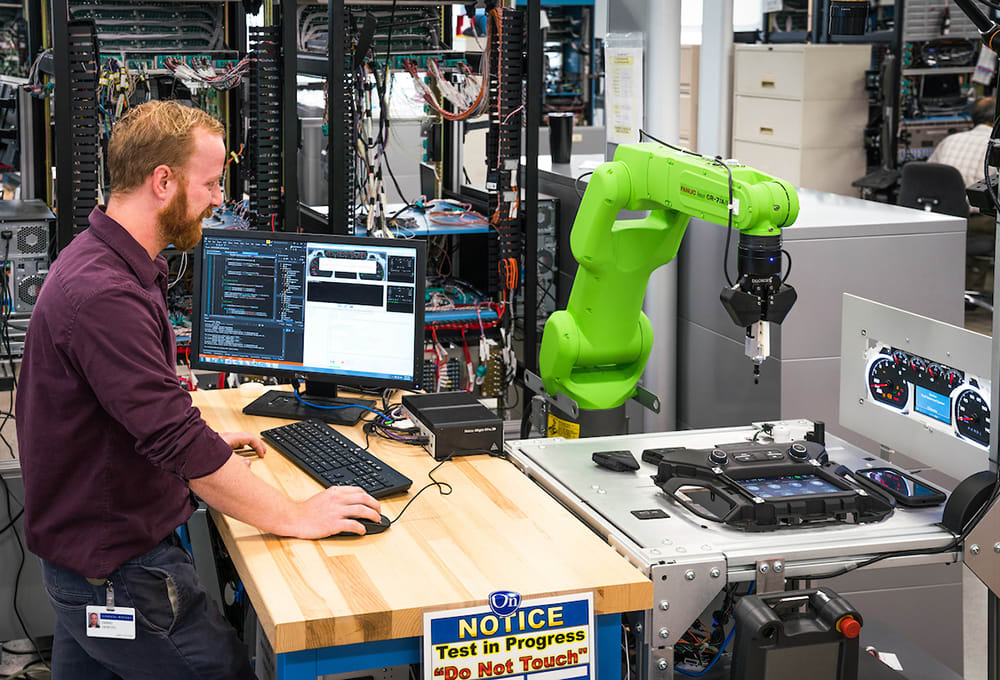
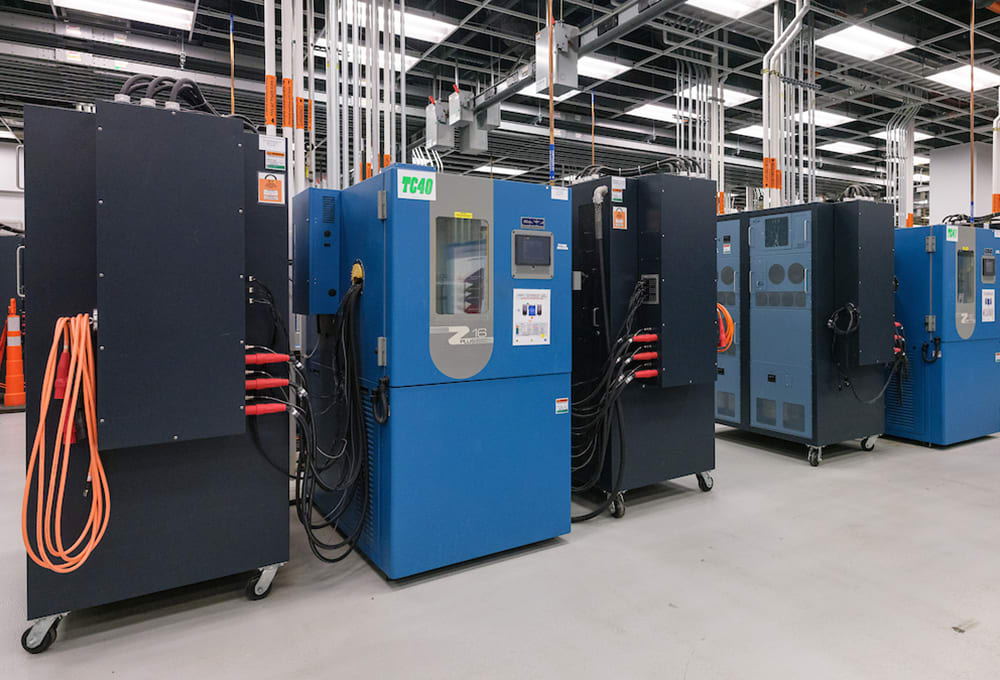
The company said the new system lends itself to more intensive validation methods that come with increased digitization of all systems. Knowledge from past system designs was used to internally validate with a mixture of laboratory and road work that includes a 100,000-sq.ft. validation lab and a high degree of automation in the testing process.
A full-system test bench, an active safety bench and a harness verification frame are used in the validation lab to assure comprehensive and safe testing. Meanwhile, a specially outfitted lab tests up to 90% of current combinations of the new system’s infotainment functions; one part of the lab features a robotic testing rig that runs 24-hours-a-day to mimic user actions to identify potential functionality or compatibility issues. The lab also includes a station dedicated to validating Bluetooth and wi-fi connectivity for a spectrum of current mobile phones and upcoming models.
More From SAE Media Group
Automotive Engineering
Technology Time-Warp
Off-Highway Engineering
Freightliner’s Medium-Duty Makeover
Autonomous Vehicle Engineering
Purpose, Perceptions for Driver-Assist Tech Solidify
Automotive Engineering
GM Readies Comprehensive New Vehicle-Software Platform
Autonomous Vehicle Engineering
Amending the Automated-Driving ‘Constitution’
Off-Highway Engineering
Blue Arc Amps up for EV Production
Off-Highway Engineering
Ford Expands EV Lineup with E-Transit Cargo Van
Autonomous Vehicle Engineering
Ford Gets in the ‘Hands-Free’ Game with BlueCruise
ADAS & Autonomous Vehicle Engineering
Finding Range Through Compute Efficiency
Automotive Engineering
Automated Vehicle Safety Series Addresses Design, Testing, Verification, and Validation
Automotive Engineering
Snapdragon Ride Flex Puts Safety, Infotainment onto Single Chip
Autonomous Vehicle Engineering
Waymo, GM and Ford Pegged as Autonomous “Leaders” by Latest Navigant Report
Off-Highway Engineering
WCX 2021: Top Engineers Talk Industry Transformation
ADAS & Autonomous Vehicle Engineering
The Road to Zero Prototypes
Autonomous Vehicle Engineering
AV and ADAS Testing from out of the Box
Automotive Engineering
All-New 2021 Chevrolet Tahoe, Suburban Get IRS, Inline-6 Diesel
Automotive Engineering
ACM President and Michigan DOT Director Steudle Keynote Kicks off SAE ADAS Event
ADAS & Autonomous Vehicle Engineering
Mercedes-Benz Architecting Its Own Operating System
Automotive Engineering
GM CEO Barra Promises $30K EV SUV by Fall 2023; Automated Driving by Mid-Decade
Automotive Engineering
SAE 2020 Government/Industry Meeting: Level-2 Driver Assistance Systems May Be Working
Off-Highway Engineering
Knorr-Bremse Puts the Brakes on Automated Driving
Autonomous Vehicle Engineering
BMW 7-Series Drives Itself Through Own Assembly
ADAS & Autonomous Vehicle Engineering
AV Life After Argo AI
Automotive Engineering
Vinfast Needs to Stop Digging
Automotive Engineering
NAIAS 2019: Three-Row Cadillac XT6 SUV Makes Global Debut
Automotive Engineering
The Navigator: Traversing the Autonomous Trust Gap
Automotive Engineering
Umlaut Benchmarks Vehicle Connectivity: Who’s on Top?
Autonomous Vehicle Engineering
Honda, Toyota Intro More-Advanced Driver-Assistance Systems
Off-Highway Engineering
Peloton Develops a Level 4 Automated Platooning System, but Keeps the Driver in Charge
Autonomous Vehicle Engineering
GM Announces Door-To-Door Ultra Cruise ADAS
Top Stories
NewsRF & Microwave Electronics
 Microvision Aquires Luminar, Plans Relationship Restoration, Multi-industry Push
INSIDERAerospace
 A Next Generation Helmet System for Navy Pilots
INSIDERDesign
 New Raytheon and Lockheed Martin Agreements Expand Missile Defense Production
INSIDERMaterials
 How Airbus is Using w-DED to 3D Print Larger Titanium Airplane Parts
NewsPower
 Ford Announces 48-Volt Architecture for Future Electric Truck
ArticlesAR/AI

Webcasts
Electronics & Computers
 Cooling a New Generation of Aerospace and Defense Embedded...
Automotive
 Battery Abuse Testing: Pushing to Failure
Power
 A FREE Two-Day Event Dedicated to Connected Mobility
Unmanned Systems
 Quiet, Please: NVH Improvement Opportunities in the Early Design Cycle
Automotive
 Advantages of Smart Power Distribution Unit Design for Automotive &...
Energy
 Sesame Solar's Nanogrid Tech Promises Major Gains in Drone Endurance