




RT LTA Develops an Improved Bladder Material for Lighter-Than-Air SkyStar Aerostats
The improved material will allow all SkyStar aerostats to fly consecutively for a whole week and will dramatically reduce the helium leakage.
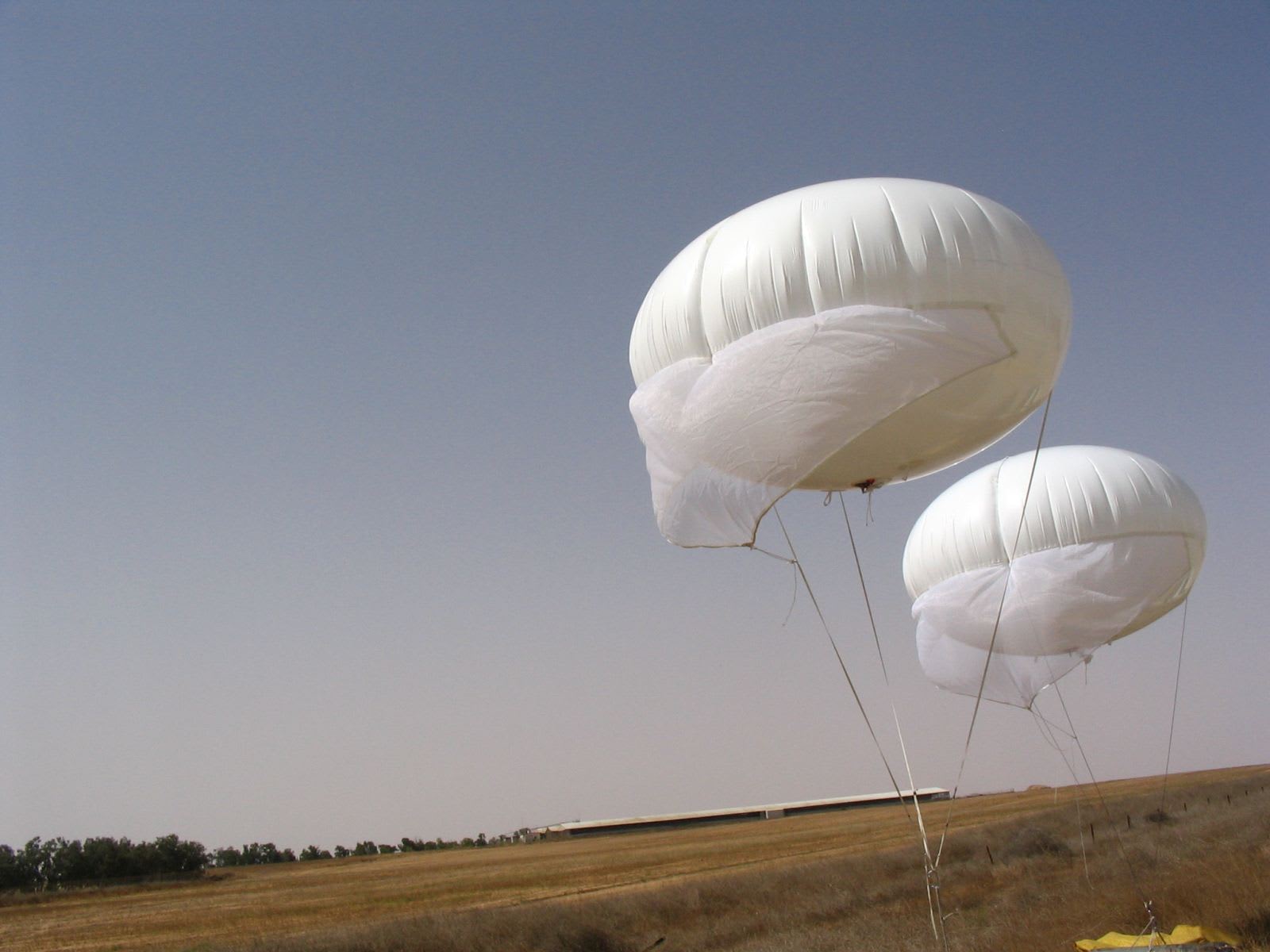
Israel-based aerostat company RT LTA Systems Ltd. completed the development of an improved light-weight elastic material for aerostat bladders. These new bladders increase SkyStar aerostat system’s ability to hold helium gas and increase system endurance by more than 100%, enabling SkyStars to fly continuously for up to 150 hours.
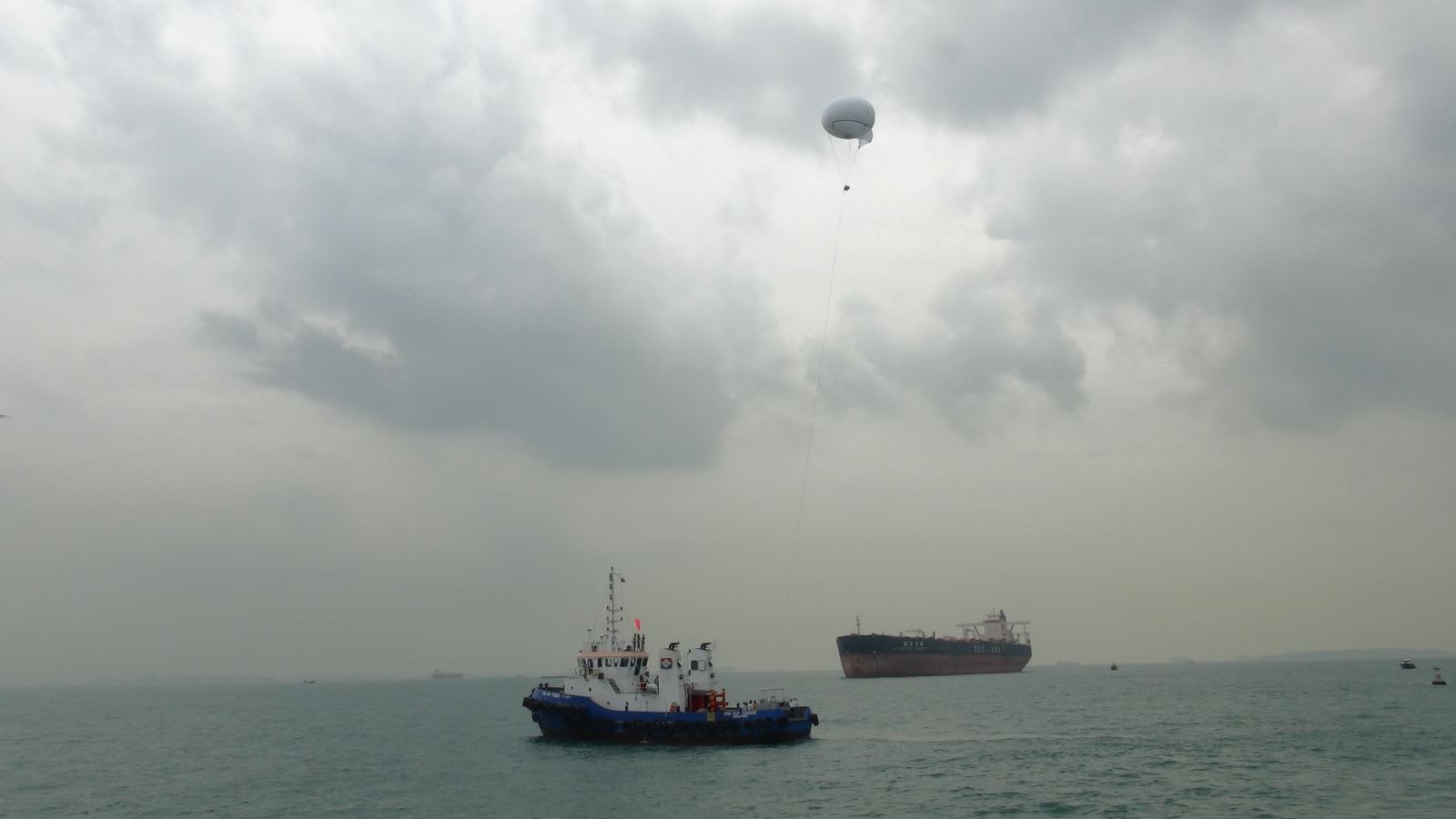

Aerostats – or lighter-than-air aircraft – achieve lift with the use of buoyant gas. Modern aerostats almost exclusively use helium, which is nearly as light as hydrogen, but is neither toxic nor flammable.
The SkyStar aerostats are a self-contained, versatile, and transportable systems, used primarily for defense, border security, and public safety missions. They provide wide areas of intelligence, surveillance, reconnaissance, and communications coverage.


The improved UV proof bladder material minimizes helium leak and extends the lifespan of the bladder.
After an extensive year and a half of research and development, RT has successfully completed field testing, and is ready for integration into all SkyStar aerostat systems.
“We have just finished 6 months of field tests, which have proved that the improved material leads to a dramatic reduction of helium leak from the aerostat bladder,” says Rami Shmueli, CEO of RT and AERO-T.


Alongside the development of the improved material, RT has also completed the development of a helium recycling system, that saves up to 90% of the aerostat's helium volume in case users need to change the aerostat bladder during an extended operation.
The helium recycling system will prove useful to operators flying SkyStar systems continuously at the same site for more than six months at a time.
“The extension of the systems' endurance is of high importance for our defense and [homeland security] customers, which are using RT's aerostats for operational needs. The lower operational costs allow us and our clients to invest more resources in developing new and sophisticated payloads to be carried by the aerostats. Altogether, we are happy to offer an even more cost-effective aerostat systems with high abilities and an extended endurance,” adds Scmueli.
The SkyStar systems have accumulated more than 1,500,000 military and civilian operational hours worldwide.
William Kucinski is content editor at SAE International, Aerospace Products Group in Warrendale, Pa. Previously, he worked as a writer at the NASA Safety Center in Cleveland, Ohio and was responsible for writing the agency’s System Failure Case Studies. His interests include literally anything that has to do with space, past and present military aircraft, and propulsion technology.
Contact him regarding any article or collaboration ideas by e-mail at
More From SAE Media Group
Aerospace & Defense Tech Briefs
Lockheed Martin and Arconic Collaborate on 3D Printing and Advanced Aerospace Materials
Aerospace & Defense Tech Briefs
Honeywell Acquires TruTrak and Expands General Aviation Avionics Portfolio
Aerospace & Defense Tech Briefs
AdaCore Boosts Support of Open Avionics Environments, Standards with FACE Consortium
Aerospace & Defense Tech Briefs
Abaco’s FORCE2 Flight Computer Enables National and International Ground Control Station Certification
Aerospace & Defense Tech Briefs
Astro’s Elroy Urban Air Mobility Vehicle to Get a New Stablemate This Summer
Aerospace & Defense Tech Briefs
Air Force Begins 3D Printing Nonstructural Aircraft Parts
Aerospace & Defense Tech Briefs
GE Aviation’s AiRXOS Launches New Air Mobility Portfolio and Management Tools Purpose Built for the Urban Air Mobility Market
Aerospace & Defense Tech Briefs
Air Force Tests Fully Autonomous UAS Control System
Aerospace & Defense Tech Briefs
Battery Technology Is Still the Key Barrier to Better Urban Air Mobility
Aerospace & Defense Tech Briefs
F-35 and F-16 Ground Collision Avoidance Software Team Takes Collier Trophy
Aerospace & Defense Tech Briefs
National Space Council Receives Report on Human Spaceflight in Low-Earth Orbit
Aerospace & Defense Tech Briefs
Impossible Aerospace US-1 Makes Long-Distance Flight over Nevada Salt Flats
Aerospace & Defense Tech Briefs
Dragonfly Will Be NASA’s Next Solar System Explorer
Aerospace & Defense Tech Briefs
The F-35 Is Getting Life-Saving Automatic Ground Collision Avoidance Systems from the F-16
Aerospace & Defense Tech Briefs
L3 Makes Its C-130 Modernization Package Available to Global Operators
Aerospace & Defense Tech Briefs
Parker Aerospace and GKN Aerospace to Develop Passive Cooling Solutions for Next-Generation Aircraft Engines
Aerospace & Defense Tech Briefs
NASA Partners with ONERA on Low-Boom Supersonic Flight

Aerospace & Defense Tech Briefs
New Boeing Facility Will Improve V-22 Quality, Safety
Aerospace & Defense Tech Briefs
Bell V-280 Valor, V-247 Vigilant Will Be Engined by Rolls-Royce
Aerospace & Defense Tech Briefs
Raytheon, UTC Merger Will Direct $8B R&D Budget Toward Hypersonics, Cybersecurity, AI, and Next-Gen Connected Aircraft
Aerospace & Defense Tech Briefs
Flight Testing Microvanes and Riblets
Aerospace & Defense Tech Briefs
New Satellite Connectivity for Air Force Research Aircraft
Aerospace & Defense Tech Briefs
Like a Good Neighbor, Impossible Aerospace Flew over to a Nearby Construction Fire to Help Locate Hotspots for First Responders
Aerospace & Defense Tech Briefs
Hybrid Air Vehicles, Collins Aerospace, and University of Nottingham to Develop Electric Propulsion for Airlander 10
Aerospace & Defense Tech Briefs
SAE International Extends Call for Abstracts, Seeks Submissions for AeroTech Conference
Aerospace & Defense Tech Briefs
USAF Take Rates Continue to Drop Despite Retainment Bonuses
Aerospace & Defense Tech Briefs
Explainable-AI Image Recognition Is the Next Step for U.S. Air Force Unmanned Aircraft
Aerospace & Defense Tech Briefs
UAV Turbines Designs Purpose-Built Microturbine Engine for Class 3 and 4 UAVs
Aerospace & Defense Tech Briefs
Maintainers Design a $400 Maintenance Fixture to save the U.S. Air Force $500k per Year
Transcript
No transcript is available for this video.
Top Stories
INSIDERManufacturing & Prototyping
 How Airbus is Using w-DED to 3D Print Larger Titanium Airplane Parts
INSIDERManned Systems
 FAA to Replace Aging Network of Ground-Based Radars
NewsTransportation
 CES 2026: Bosch is Ready to Bring AI to Your (Likely ICE-powered) Vehicle
NewsSoftware
 Accelerating Down the Road to Autonomy
EditorialDesign
 DarkSky One Wants to Make the World a Darker Place
INSIDERMaterials
 Can This Self-Healing Composite Make Airplane and Spacecraft Components Last...
Webcasts
Defense
 How Sift's Unified Observability Platform Accelerates Drone Innovation
Automotive
 E/E Architecture Redefined: Building Smarter, Safer, and Scalable...
Power
 Hydrogen Engines Are Heating Up for Heavy Duty
Electronics & Computers
 Advantages of Smart Power Distribution Unit Design for Automotive...
Unmanned Systems
 Quiet, Please: NVH Improvement Opportunities in the Early Design...
