




The F-35 Is Getting Life-Saving Automatic Ground Collision Avoidance Systems from the F-16
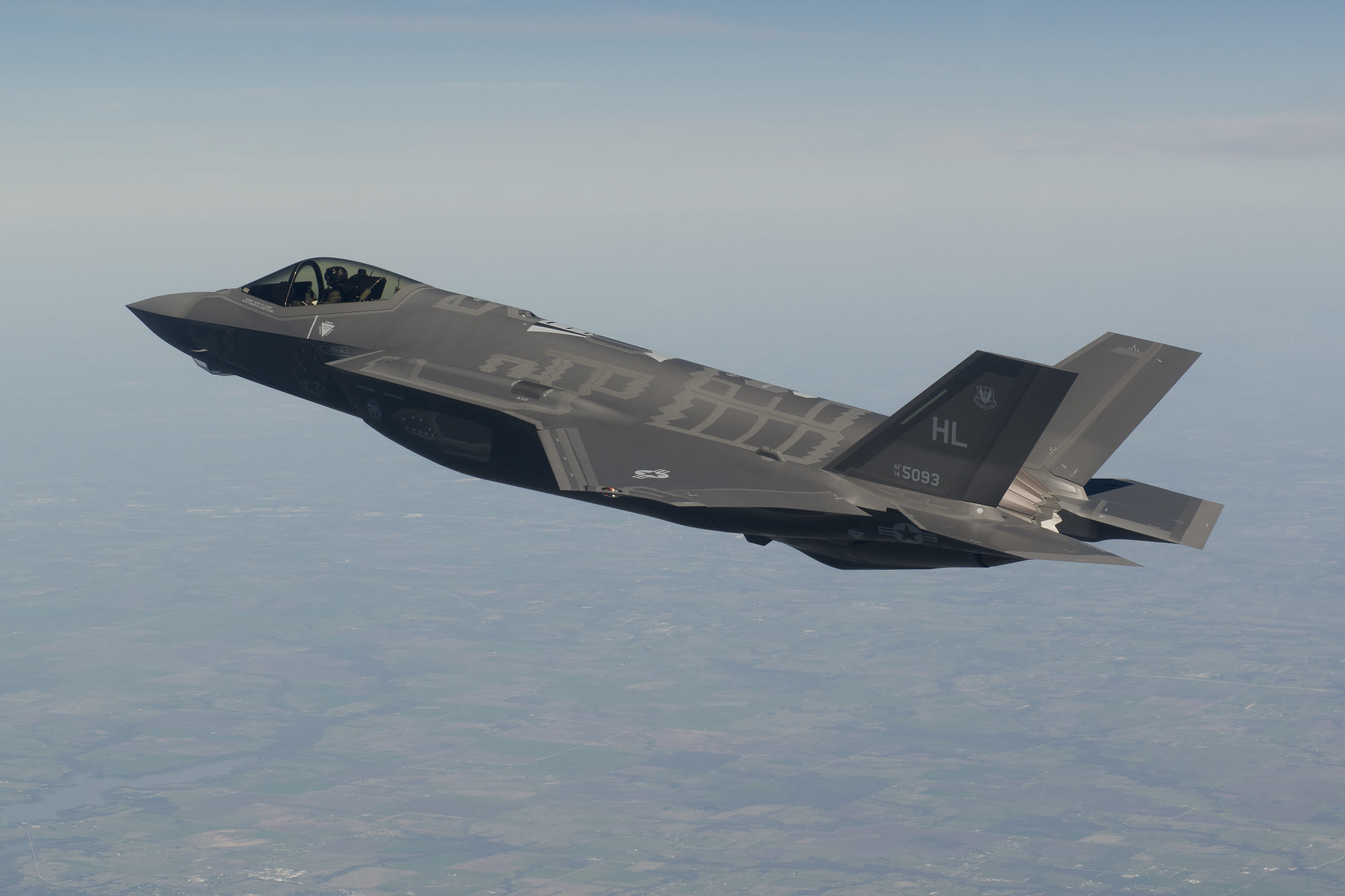
The fifth-generation Lockheed Martin F-35 Lighting II stealth multirole fighter is now a safer aircraft to fly thanks to collision avoidance technology originally developed by NASA and the Air Force Research Laboratory for the fourth-generation F-16 Fighting Falcon . The F-35 Joint Program Office , U.S. Air Force , and Lockheed Martin Aeronautics are currently integrating life-saving Automatic Ground Collision Avoidance Systems (Auto-GCAS) on USAF F-35As.
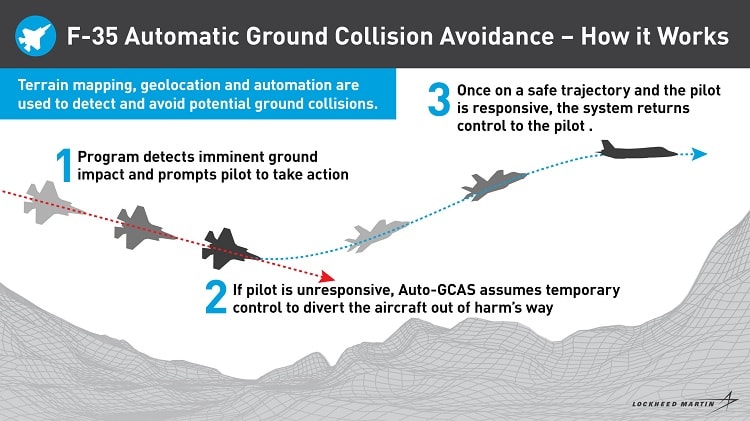
Auto-GCAS uses terrain mapping, geolocation, and automation to detect and avoid potential ground collisions in case of pilot spatial disorientation. When the program recognizes imminent impact, it prompts the pilot to take action. If the pilot is unresponsive, Auto-GCAS assumes temporary control and performs emergency maneuvers to avoid ground collision – returning control to the pilot once the aircraft is on a safe trajectory.
William Kucinski is content editor at SAE International, Aerospace Products Group in Warrendale, Pa. Previously, he worked as a writer at the NASA Safety Center in Cleveland, Ohio and was responsible for writing the agency’s System Failure Case Studies. His interests include literally anything that has to do with space, past and present military aircraft, and propulsion technology.
Contact him regarding any article or collaboration ideas by e-mail at
More From SAE Media Group
Aerospace & Defense Tech Briefs
F-35 and F-16 Ground Collision Avoidance Software Team Takes Collier Trophy
Aerospace & Defense Tech Briefs
GE Aviation’s AiRXOS Launches New Air Mobility Portfolio and Management Tools Purpose Built for the Urban Air Mobility Market
Aerospace & Defense Tech Briefs
The Air Force’s New Unmanned Wingmate Completes Inaugural Flight
Aerospace & Defense Tech Briefs
When It Comes to Fifth-Generation Assets, Air Force Values Virtual Training over Live Flying
Aerospace & Defense Tech Briefs
Bell Incorporates Bird-Deterring Lights as Standard Equipment on Bell 407 Helicopters
Aerospace & Defense Tech Briefs
General Atomics Plans First Trans-Atlantic Flight of Medium-Altitude, Long-Range Remotely Piloted Aircraft
Aerospace & Defense Tech Briefs
First F-35 Crash; Pilot Safe
Aerospace & Defense Tech Briefs
L3 Makes Its C-130 Modernization Package Available to Global Operators
Aerospace & Defense Tech Briefs
Old Bird Learns New Tricks
Aerospace & Defense Tech Briefs
Boeing, SparkCognition Partner on Safe Integration of Autonomous Air Vehicles in Airspace
Aerospace & Defense Tech Briefs
Maintainers Design a $400 Maintenance Fixture to save the U.S. Air Force $500k per Year
Aerospace & Defense Tech Briefs
Battery Technology Is Still the Key Barrier to Better Urban Air Mobility
Aerospace & Defense Tech Briefs
Air Force Tests Fully Autonomous UAS Control System
Aerospace & Defense Tech Briefs
Connect Them All
Aerospace & Defense Tech Briefs
MTSI’s Latest Project Gives Fixed-Wing Aircraft Vertical Cargo Lift Capabilities
Aerospace & Defense Tech Briefs
Aitech Defense Will Provide Data Interface Technology for Boeing’s Unmanned MQ-25 Refueling Platform
Aerospace & Defense Tech Briefs
J-10B Fighter Demonstrates Thrust-Vectoring Supermaneuverability at Airshow China
Aerospace & Defense Tech Briefs
Like a Good Neighbor, Impossible Aerospace Flew over to a Nearby Construction Fire to Help Locate Hotspots for First Responders
Aerospace & Defense Tech Briefs
NASA Crash Landing Is a Complete Success
Aerospace & Defense Tech Briefs
USAF Take Rates Continue to Drop Despite Retainment Bonuses
Aerospace & Defense Tech Briefs
Abaco’s FORCE2 Flight Computer Enables National and International Ground Control Station Certification

Aerospace & Defense Tech Briefs
NASA Partners with ONERA on Low-Boom Supersonic Flight
Aerospace & Defense Tech Briefs
Lockheed Martin Announces Latest Hypersonic Progress at Le Bourget
Aerospace & Defense Tech Briefs
Curtiss-Wright Will Provide Data Technology Support for Boeing’s MQ-25 Unmanned Air Refueling Platform
Aerospace & Defense Tech Briefs
NASA’s Next X-Plane Passes Major Review
Off-Highway Engineering
How Can Engineers Help Ensure the Safety, Reliability of Automated Vehicles?
Aerospace & Defense Tech Briefs
AirMap and Skyguide Deploy Swiss National Flight Information Management System for Drones
Aerospace & Defense Tech Briefs
ANSYS Will Help Airbus Develop AI-Enabled Flight Controls for the FCAS Program’s Autonomous Wingmen
Aerospace & Defense Tech Briefs
Lockheed Martin’s Next-Gen, 360-Degree Vision System Flies on the Bell V-280 Valor
Top Stories
INSIDERManufacturing & Prototyping
 How Airbus is Using w-DED to 3D Print Larger Titanium Airplane Parts
INSIDERManned Systems
 FAA to Replace Aging Network of Ground-Based Radars
NewsTransportation
 CES 2026: Bosch is Ready to Bring AI to Your (Likely ICE-powered) Vehicle
NewsSoftware
 Accelerating Down the Road to Autonomy
EditorialDesign
 DarkSky One Wants to Make the World a Darker Place
INSIDERMaterials
 Can This Self-Healing Composite Make Airplane and Spacecraft Components Last...
Webcasts
Defense
 How Sift's Unified Observability Platform Accelerates Drone Innovation
Automotive
 E/E Architecture Redefined: Building Smarter, Safer, and Scalable...
Power
 Hydrogen Engines Are Heating Up for Heavy Duty
Electronics & Computers
 Advantages of Smart Power Distribution Unit Design for Automotive...
Unmanned Systems
 Quiet, Please: NVH Improvement Opportunities in the Early Design...
