




FEV to Open "Mission-Critical" Test Facility in 2018
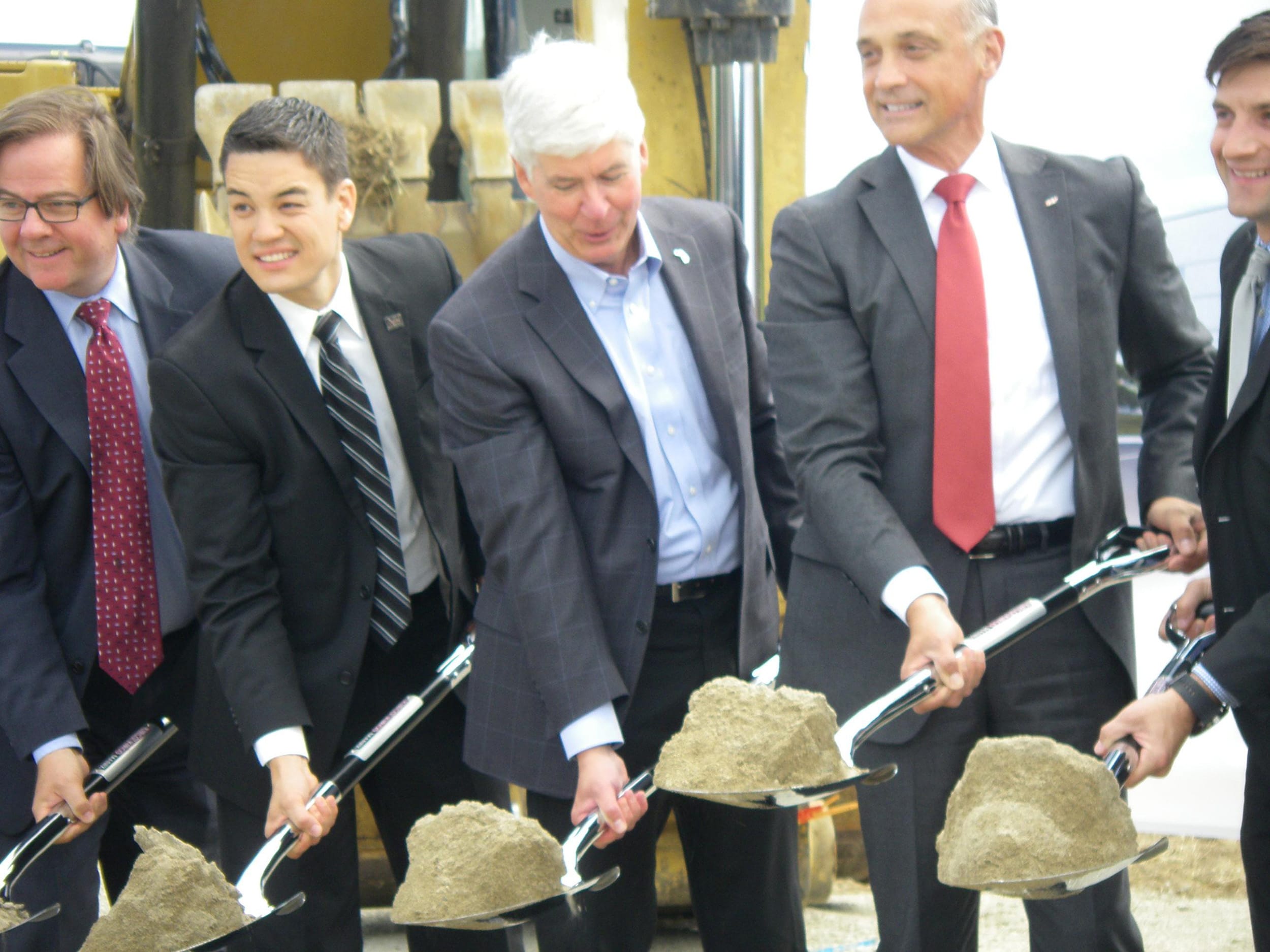
Engineering services company FEV will expand its vehicle-emissions capability next year with the opening of a new vehicle test center, its third facility in Auburn Hills, MI.
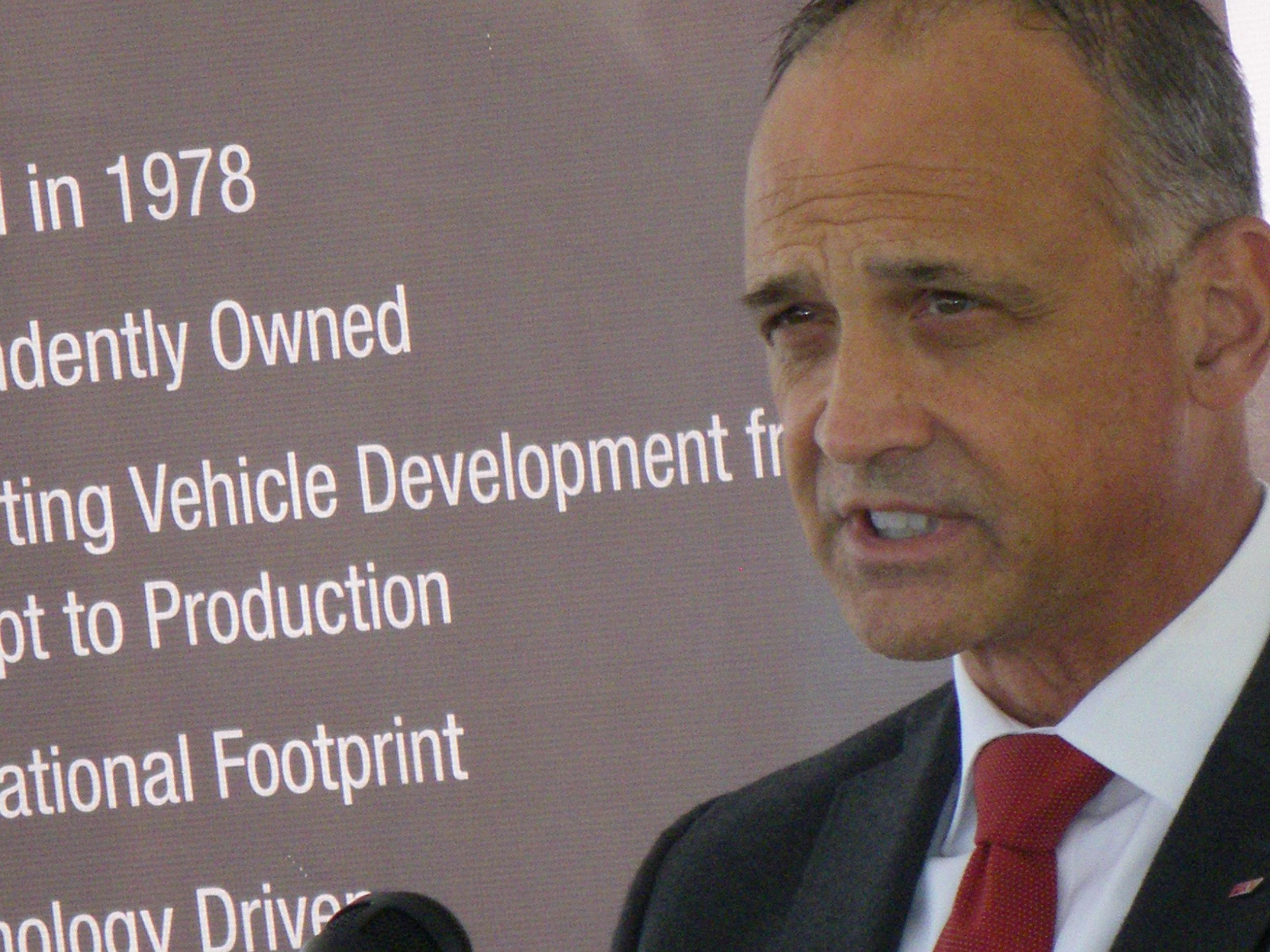
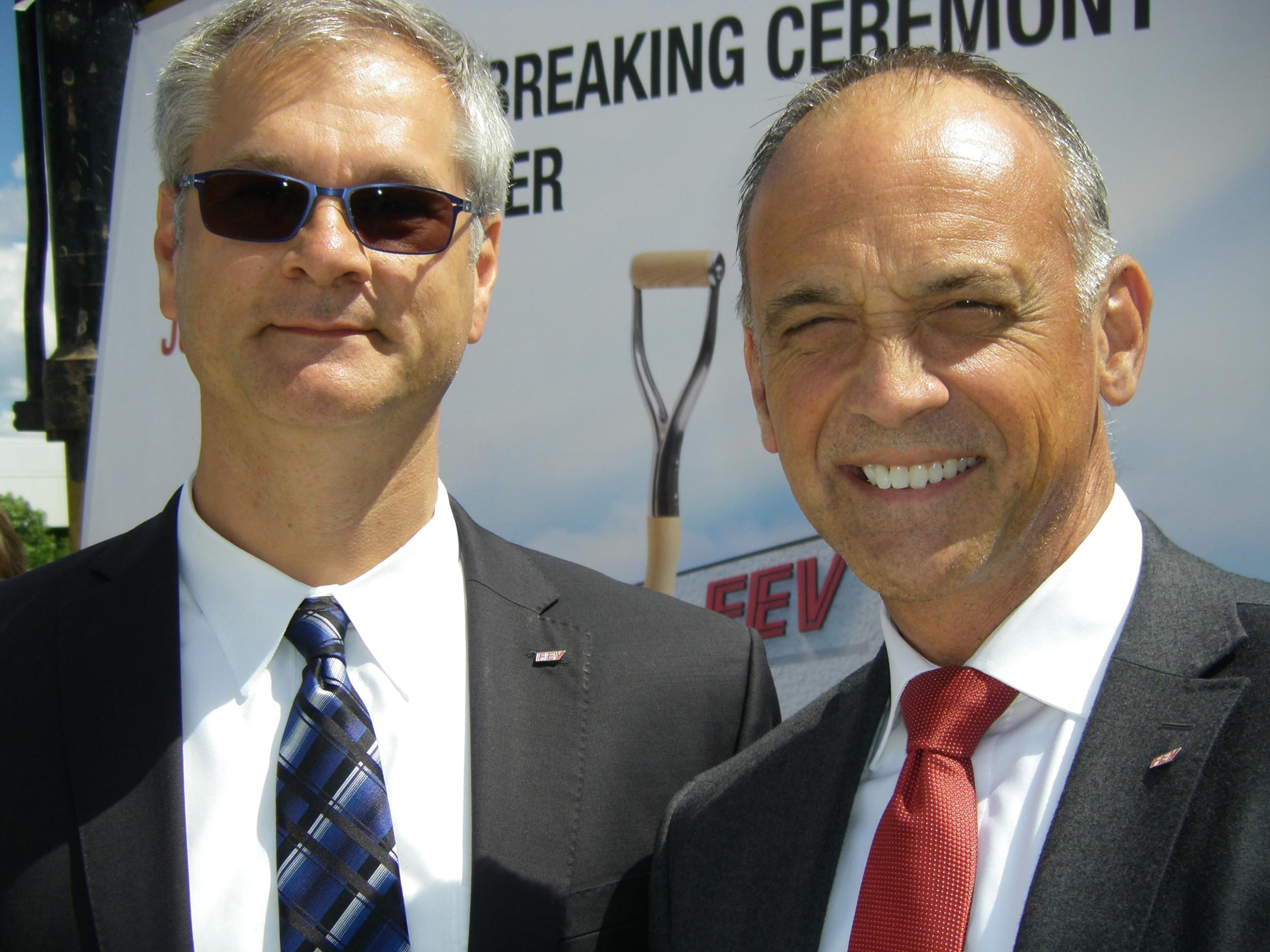
“When our new vehicle test center is operational in mid-2018, it will have as its centerpiece a vehicle emissions chassis dynamometer. We view that as a very critical, almost a mission-critical resource for our business,” declared Dr. Patrick Hupperich, President and CEO of FEV North America.
Hupperich and Dr. Dean Tomazic, FEV North America’s Executive Vice President, Chief Technical Officer, spoke with Automotive Engineering prior to the June 26 groundbreaking ceremony for the 25,600 ft2 (2378 m2) facility.
FEV’s approximate $27 million investment will bolster its testing capabilities for development programs and project certifications, including U.S. EPA Tier 3 and California LEV III emissions requirements. The new 4WD dynamometer will handle light-duty passenger cars and other vehicles up to 14,000 lb (6350 kg). Dr. Tomazic added that FEV will also use the facility to conduct the majority of its benchmarking activities.
The company’s current 500-person workforce in Auburn Hills will gain an additional 250 engineers and technical specialists with the new test center.
More From SAE Media Group
Tech Briefs
Videos of the Month
Battery & Electrification Technology
Putting a New ‘Charge’ in EV Recharging
Autonomous Vehicle Engineering
Volvo Leads the Shift to ‘Driver Understanding’
Off-Highway Engineering
Mellor Bus Stresses Lightweight Construction for New Midsized Battery-Electric Buses
Automotive Engineering
Dana Inaugurates Tech Center in India

Automotive Engineering
Making over the World’s Leading Hybrid
Automotive Engineering
Engineering ‘Electron Guzzlers’
Tech Briefs
Rising Star Awards 2025 Judges
Automotive Engineering
Fuel-Economy and Greenhouse-Gas Emissions Rules Debated
Automotive Engineering
Faraday Future Unveils Exotic “Testbed” for New Range of EVs
Automotive Engineering
Big Changes, and Challenges, Ahead for Automotive Industry


Off-Highway Engineering
OBD Evolves for ICE and Zero-emission Propulsion Systems
Off-Highway Engineering
Arctic Autonomy
Automotive Engineering
SAE WCX 2022: OEM Learnings from Level 2 ADAS
Automotive Engineering
Volvo’s Electric High-Wire Act
Automotive Engineering
The Soft Underbelly of The EV Transition
Off-Highway Engineering
Cummins and Isuzu Announce Battery-electric Truck Collaboration
Automotive Engineering
Urban Concept Vehicle
Automotive Engineering
MY2012 Was Record-Breaking for Fuel Economy and CO2 Emissions
Tech Briefs
Future Cars Learn to Prevent Motion Sickness
Tech Briefs
RISING STAR AWARDS 2024 JUDGES
Automotive Engineering
Aisin Opens New North American Tech Center, Will Add Engineers
Tech Briefs
Autonomous Race Cars Hit the Road

Tech Briefs
Converting an Old Truck into an EV
Top Stories
INSIDERDefense
 New Raytheon and Lockheed Martin Agreements Expand Missile Defense Production
NewsAutomotive
 Ford Announces 48-Volt Architecture for Future Electric Truck
INSIDERManufacturing & Prototyping
 Active Strake System Cuts Cruise Drag, Boosts Flight Efficiency
ArticlesTransportation
 Accelerating Down the Road to Autonomy
INSIDERMaterials
 How Airbus is Using w-DED to 3D Print Larger Titanium Airplane Parts
Road ReadyTransportation

Webcasts
Electronics & Computers
 Cooling a New Generation of Aerospace and Defense Embedded...
Power
 Battery Abuse Testing: Pushing to Failure
Connectivity
 A FREE Two-Day Event Dedicated to Connected Mobility
Automotive
 Quiet, Please: NVH Improvement Opportunities in the Early Design Cycle
Transportation
 Advantages of Smart Power Distribution Unit Design for Automotive &...
Aerospace
 Sesame Solar's Nanogrid Tech Promises Major Gains in Drone Endurance