




Fostering Innovation Via System Integration
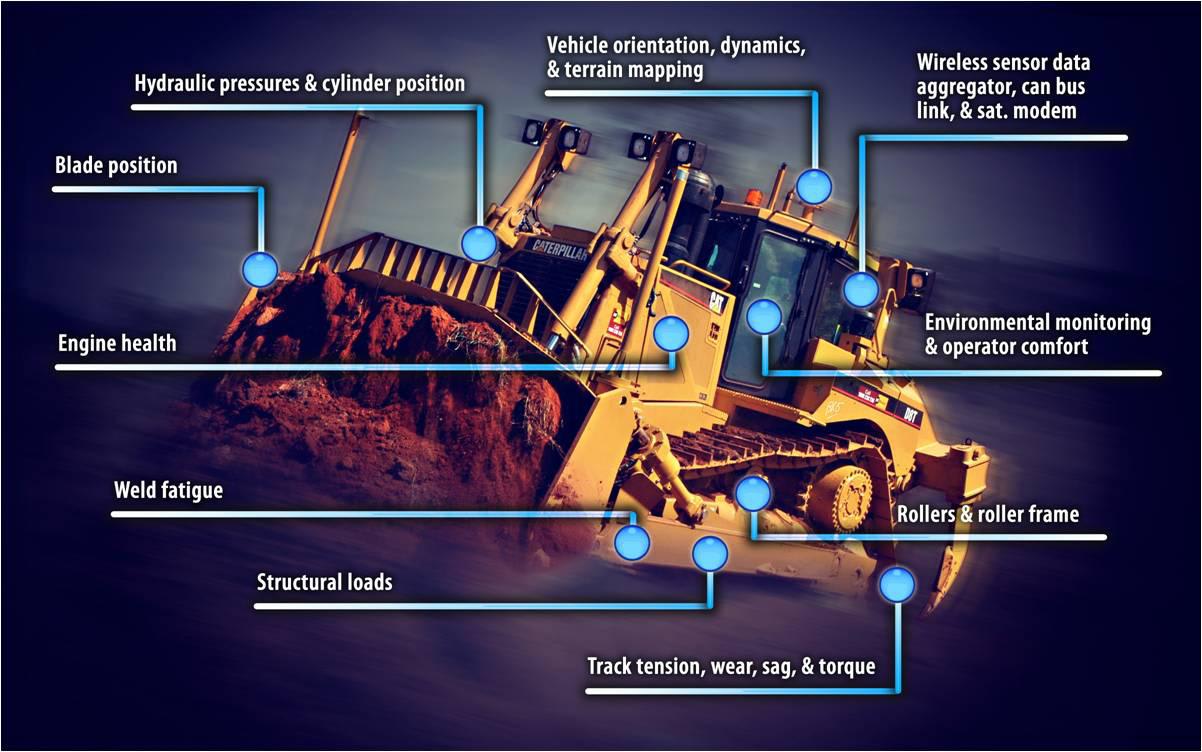
Wanting a better product at a lower cost is not a new phenomenon in the off-highway industry. However, there is definitely a push today for improving machine productivity with the goal of greater reliance on data coming from key systems. This trend calls for advanced technology and automation without dramatically increasing equipment cost.

While challenging, this transition is driven by the impact of today’s consumer experience. As consumer technologies become more prevalent in modern life, and as operators are increasingly performing less operation and more monitoring of equipment, OEMs are challenged to provide more comfort features.
Consumer electronics and automobiles drive the demand for vehicle interface, networked communication, and interior fit-finish expectations. Such features include touch screens, integration with consumer electronics, voice control, and a quiet/comfortable and safe operating environment. All of these demands place unique constraints on the OEM equipment manufacturer and create new challenges for the entire industry. Key factors that must be considered include increased automation and software-based optimization; improved battery technology; lightweighting of new materials/assembly technology; and deeper vehicle systems integration including the penetration of sensors, communication, and control into more vehicle components.
As if these challenges aren’t enough, OEMs will be challenged to meet stricter government regulations on environment and personal health/safety, which will continue to drive the development in areas such as more fuel-efficient propulsion systems. Such regulations will force OEMs to improve their vehicles with solutions such as hybrid or electric engines, better human ergonomics, active safety systems, operator assistance technologies, and more. These challenges can drive up costs in the midst of a market seeking a lower cost of ownership.

To meet all of these challenges, there is increasing interest in the use of automated systems that can react, adjust, and optimize to changing operating conditions. Integration of electro-mechanical and sensing technologies has already proven to be a viable solution. As machines use more automation and control, up to and including becoming autonomous, sensors enable the operator to obtain feedback on vehicle performance and conditions that would have had previously been needed to be perceived directly, somewhat later, by the operator. Such “smart” components and systems are capable of monitoring and optimizing their own performance.
Those wanting to compete in the industrial market must expand their expertise beyond components to system-level design. This involves developing a strong understanding of electrical, electro-mechanical, sensing, and control systems. For a technology and manufacturing firm like Lord—a company with a 90 year history of developing adhesives, coatings and motion management devices—these changes have required investment in people and technologies.
Lord has a long history of passive devices in the industrial, aerospace, military, electronics, and other markets, but recognizes it is now necessary to integrate systems and control competencies that complement our hardware expertise since sensing is such an important part of the evolution of today’s machinery. Key to our success has been our ability to quickly identify and address competency gaps via acquisition of two sensing companies in the last 18 months as well as internal development of magneto-rheological and active noise control technologies. Developing strong partnerships with both customers and suppliers and integrating them earlier on projects is necessary to create an environment that fosters innovation.
Andrew J. Winzenz, Director, Global New Ventures, Business Development and Strategy for the Oil & Gas and Industrial Equipment industry group at Lord Corp., wrote this article for SAE Off-Highway Engineering.
More From SAE Media Group
Automotive Engineering
Pour Your Next EV Battery?
Off-Highway Engineering
Engine Developers Increase Efforts to Decrease Fuel Usage
Off-Highway Engineering
CAN Controller
Off-Highway Engineering
Switches Under Pressure?
Automotive Engineering
‘Zonal’ for the Win
Automotive Manufacturing and Machining
Manufacturing Systems Get Smart, Self Heal
Off-Highway Engineering
A Secure Technology Future Underscores U.S. Army's R&D Work
Automotive Engineering
Hella's Vehicle-Damage Detection Technology Moves Toward Production
Off-Highway Engineering
ABS Ramps up Commercial-Vehicle Battery-Pack Assembly
Automotive Engineering
Scope Technology Partners with Microsoft to Advance Connected Car Solutions
Automotive Engineering
Novelis Creates First Aluminum Sheet Battery Enclosure for Mass Electric Vehicle Production
Aerospace & Defense Tech Briefs
Boeing Extends Use of Siemens’ Mentor Graphics Technology for Electrical Systems and Electronics Design, Mechanical Analysis
Off-Highway Engineering
Additive Manufacturing Is Transforming Mobility Engineering, Driving the Factory of the Future
Off-Highway Engineering
Chipping away at Power Module Temperatures
Automotive Engineering
GM Prognostics Use 4G for Data Acquisition, Cloud Analysis
Off-Highway Engineering
Rotary Speed Sensor
Automotive Engineering
Haptic Feedback Is Key to Continental’s New Anti-Distraction Touch Screen
Off-Highway Engineering
Relieving the Pressure on Fleet Managers, Installers
Off-Highway Engineering
Shunt Resistors
Tech Briefs
2025 Award Finalists
Automotive Engineering
Q&A: Print Your Next Wiring Harness
Off-Highway Engineering
Smart Sensors Drive Automated Systems in Off-Highway

Automotive Engineering
Audi Becomes First Automotive OEM to Join SEMI
Automotive Engineering
Elevate: Hyundai’s New Four-Wheel Drive, Four-Legged Off-Road Vehicle
Aerospace & Defense Tech Briefs
Industry Invited to Participate in AeroTech Aerospace and Defense Technical Program
Automotive Engineering
Developing High-Energy-Density Batteries for EVs
Automotive Engineering
Nano Dimension Creates the First Printed Circuit Boards with Side-Mounted Features
Off-Highway Engineering
Moving Hydraulics Forward with Smarter Machinery
Top Stories
INSIDERManufacturing & Prototyping
 How Airbus is Using w-DED to 3D Print Larger Titanium Airplane Parts
INSIDERManned Systems
 FAA to Replace Aging Network of Ground-Based Radars
NewsTransportation
 CES 2026: Bosch is Ready to Bring AI to Your (Likely ICE-powered) Vehicle
NewsSoftware
 Accelerating Down the Road to Autonomy
EditorialDesign
 DarkSky One Wants to Make the World a Darker Place
INSIDERMaterials
 Can This Self-Healing Composite Make Airplane and Spacecraft Components Last...
Webcasts
Defense
 How Sift's Unified Observability Platform Accelerates Drone Innovation
Automotive
 E/E Architecture Redefined: Building Smarter, Safer, and Scalable...
Power
 Hydrogen Engines Are Heating Up for Heavy Duty
Electronics & Computers
 Advantages of Smart Power Distribution Unit Design for Automotive...
Unmanned Systems
 Quiet, Please: NVH Improvement Opportunities in the Early Design...
