




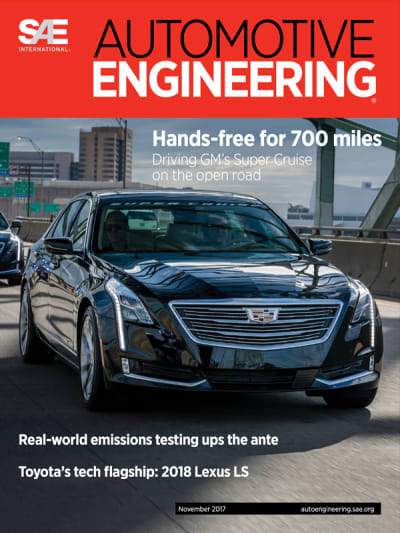
Automotive Engineering - November 2017
Inside this issue
Supplements
Overview
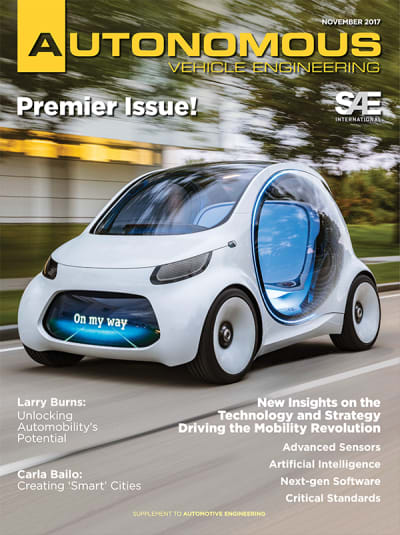
The November 2017 issue of "Automotive Engineering" serves as a premier supplement focused on the transformative technologies and strategies shaping the future of mobility. This issue highlights key advancements in various domains, including advanced sensors, artificial intelligence, next-generation software, and critical standards that are pivotal in the automotive industry.
Key Themes and Insights:
-
Mobility Revolution: The editorial emphasizes the ongoing mobility revolution, driven by technological innovations that are reshaping how vehicles are designed, manufactured, and operated. The issue explores how these advancements are not only enhancing vehicle performance but also contributing to the development of smarter cities.
-
Advanced Sensors: A significant focus is placed on the role of advanced sensors in modern vehicles. These sensors are crucial for enabling features such as autonomous driving, enhanced safety systems, and improved user experiences. The magazine discusses the latest developments in sensor technology, including their integration into vehicle systems and the implications for vehicle design and functionality.
-
Artificial Intelligence: The integration of artificial intelligence (AI) in automotive engineering is another critical topic. AI is being utilized to analyze vast amounts of data generated by vehicles, leading to smarter decision-making processes in real-time. The issue delves into how AI is enhancing vehicle automation, predictive maintenance, and personalized user experiences.
Next-Gen Software: The magazine highlights the importance of next-generation software in the automotive sector. As vehicles become more connected, the software that powers them must evolve to handle increased complexity and provide seamless user interfaces. The issue discusses trends in software development, including the shift towards over-the-air updates and the need for robust cybersecurity measures.
-
Critical Standards: The establishment of critical standards is essential for ensuring safety and interoperability in the automotive industry. The issue addresses the ongoing efforts to create and implement standards that govern new technologies, particularly in the context of autonomous vehicles and connected infrastructure.
-
Expert Contributions: The issue features insights from industry leaders, including Larry Burns, who discusses unlocking the potential of automobility, and Carla Bailo, who focuses on the creation of smart cities. Their contributions provide valuable perspectives on the future of transportation and the collaborative efforts required to achieve these ambitious goals.
-
Editorial Team: The editorial team, led by Bill Visnic, includes various contributors who bring diverse expertise to the publication. The team encourages reader engagement and feedback, emphasizing the importance of community input in shaping the magazine's content.
-
Reader Engagement: The magazine invites readers to share their thoughts and feedback, highlighting the importance of community interaction in the automotive engineering field. This engagement fosters a collaborative environment where ideas and innovations can be shared and discussed.
In summary, the November 2017 issue of "Automotive Engineering" provides a comprehensive overview of the current trends and future directions in the automotive industry. It emphasizes the critical role of technology in driving the mobility revolution and the importance of collaboration among industry stakeholders to navigate the challenges and opportunities ahead. The insights shared by industry experts and the focus on emerging technologies make this issue a valuable resource for professionals in the automotive engineering field.
Features
-
Articles
Autonomy Testing: Simulation to the Rescue
‘Cruising Chauffeur’ Demos SAE Level 3 Autonomy
Regulars
-
SAE Standards News
-
What We're Driving
-
Technology Reports
-
Product Briefs
Lightweight Constant Velocity Joint
Secure Automotive Gigabit Ethernet Switch
Modular Drive Wall-Mounting Kits
Stories
-
News
Yanfeng Shows Autonomous Vehicle Interior Concepts
GKN Readies New 2-Speed E-Axle for 2020
Volvo’s Polestar Unveils 600-Hp Performance Hybrid
ADAS: Functional Safety and Freedom from Unacceptable Risk
Jumping from Ferrari to Drive Aston Martin's Technology Future
Conti's New CAirS Air Suspension Employs Hydraulic Principles
Top Stories
NewsSensors/Data Acquisition
 Microvision Aquires Luminar, Plans Relationship Restoration, Multi-industry Push
INSIDERRF & Microwave Electronics
 A Next Generation Helmet System for Navy Pilots
INSIDERWeapons Systems
 New Raytheon and Lockheed Martin Agreements Expand Missile Defense Production
NewsAutomotive
 Ford Announces 48-Volt Architecture for Future Electric Truck
INSIDERAerospace
 Active Strake System Cuts Cruise Drag, Boosts Flight Efficiency
ArticlesTransportation

Webcasts
Aerospace
 Cooling a New Generation of Aerospace and Defense Embedded...
Energy
 Battery Abuse Testing: Pushing to Failure
Power
 A FREE Two-Day Event Dedicated to Connected Mobility
Automotive
 Quiet, Please: NVH Improvement Opportunities in the Early Design Cycle
Electronics & Computers
 Advantages of Smart Power Distribution Unit Design for Automotive &...
Unmanned Systems
 Sesame Solar's Nanogrid Tech Promises Major Gains in Drone Endurance