




Digital Tech a Las Vegas Headliner
With the rise of AI and other new digital technologies on the horizon, ACT Expo 2026 will be a crucial intersection for industry leaders to map out the route ahead.
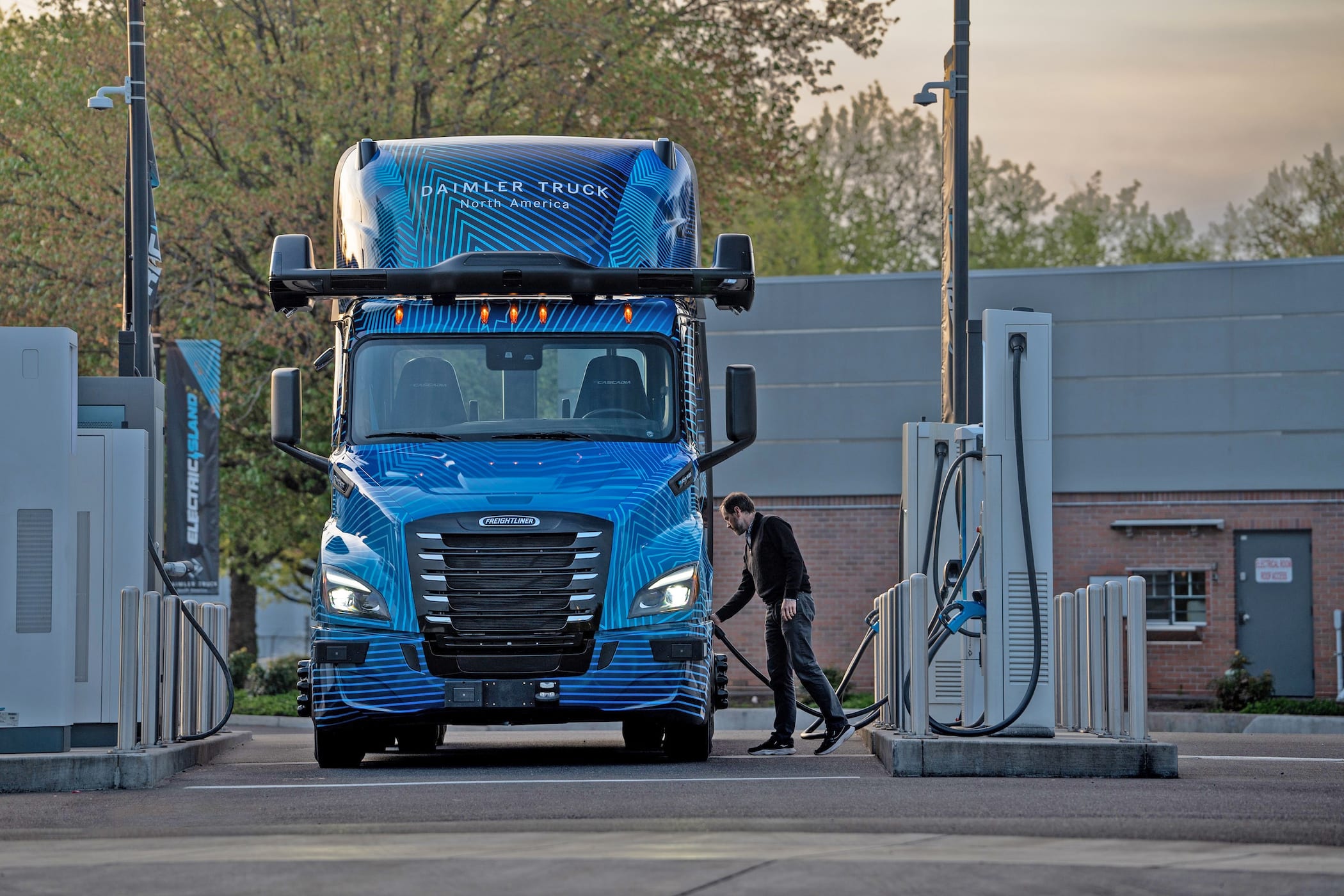
Since 2011, ACT Expo has served as a meeting point of technology and business discussions for the commercial vehicle industry. The 2026 show in Las Vegas (https://www.actexpo.com/) is shaping up to be another important waypoint for the industry as it continues to grapple with new technologies, regulations and other significant challenges.
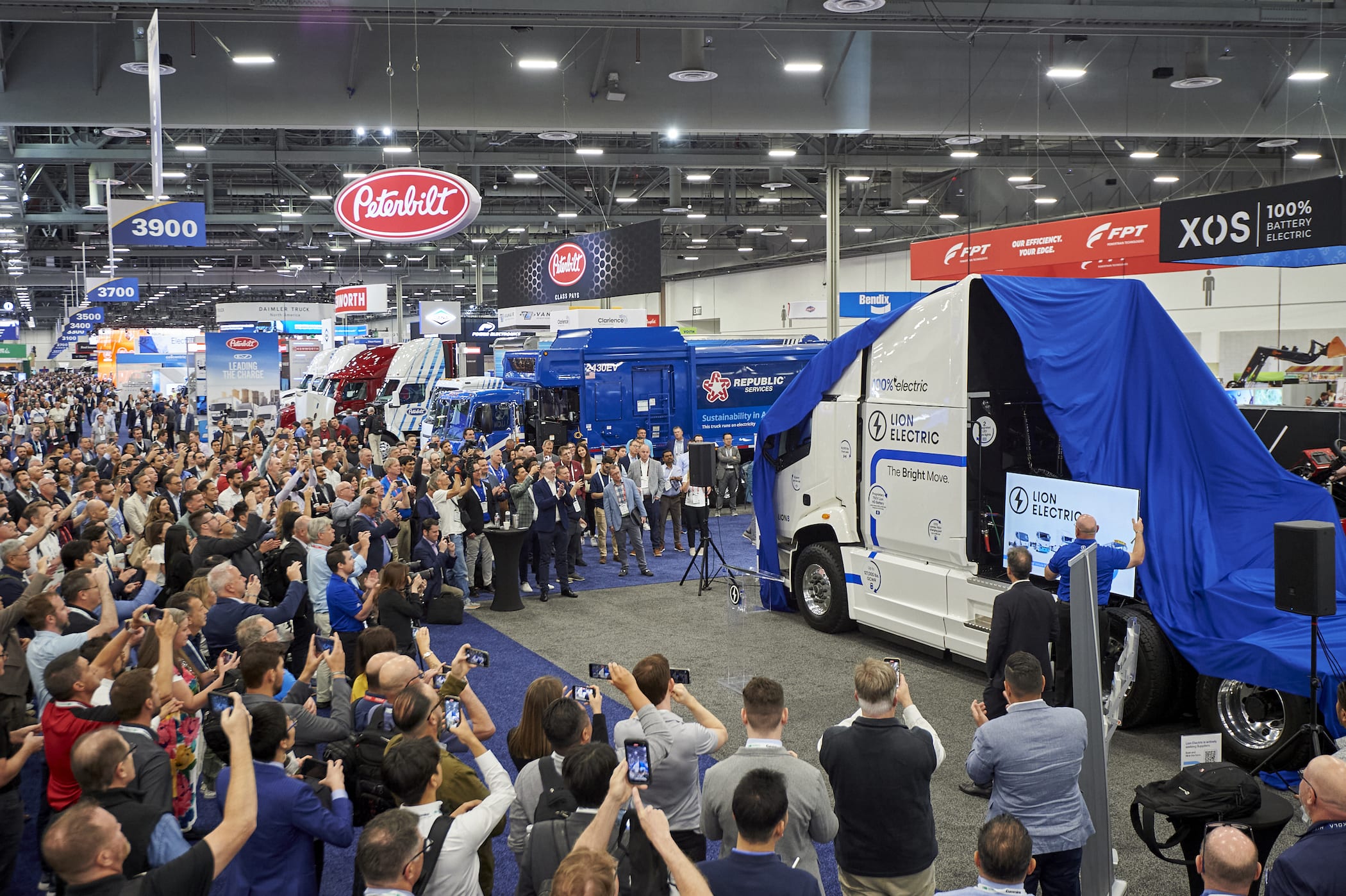
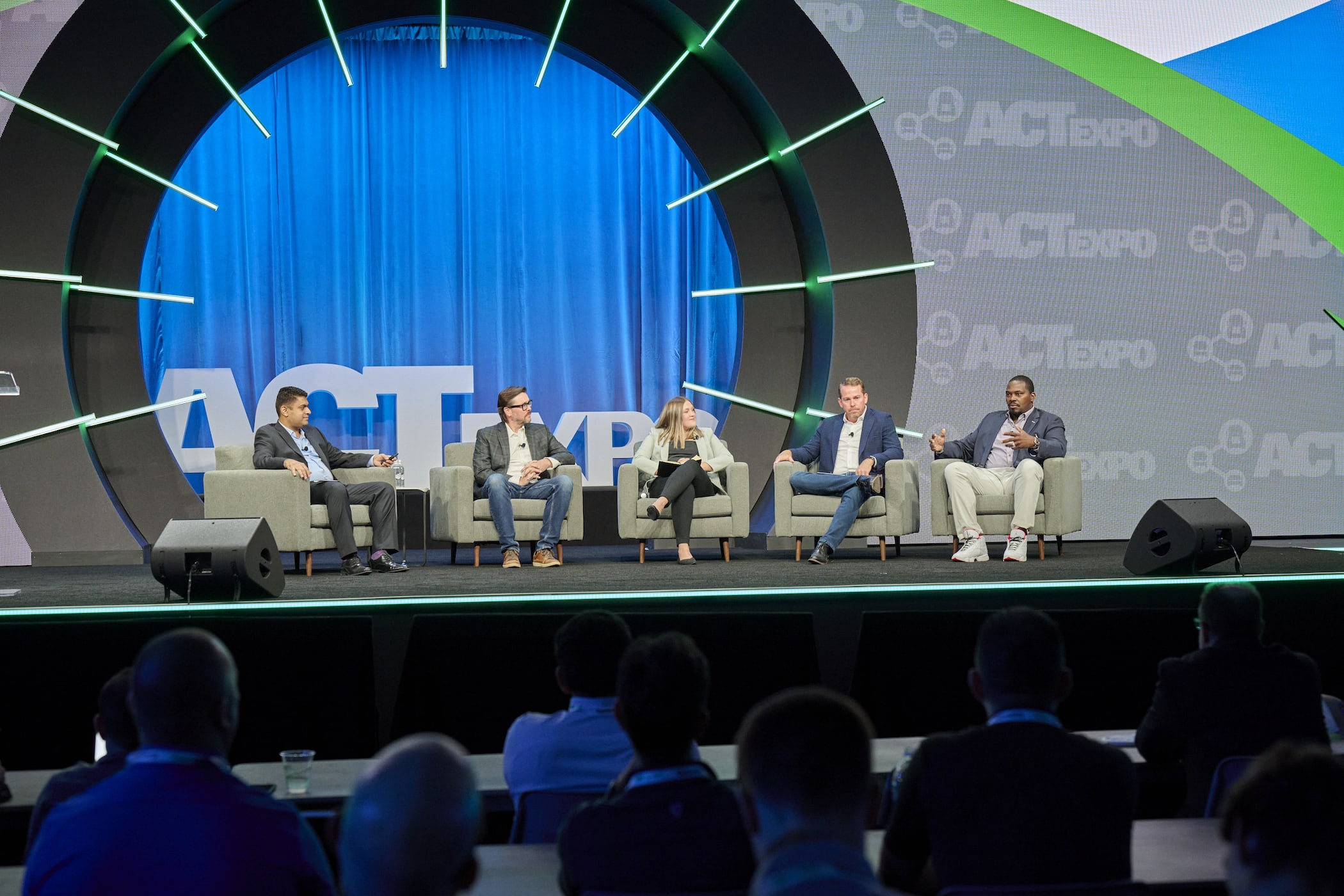
This year’s agenda program builds on ACT Expo’s long-established emphasis on clean transportation and places an increased focus on the digital frontier, including AI, autonomy, connectivity and software-defined vehicles. SAE Media interviewed Erik Neandross, president of the Clean Transportation Solutions group at TRC, about what topics are emerging as the main trends heading into 2026 and what he thinks will be some of the most important themes of the upcoming convention.
What do you think the major discussion points will be for ACT Expo 2026?
“Digital strategies, digital solutions and digital tech. For about the past decade, we have been covering autonomy, telematics and other forms of digital tech. But until last year, we had never brought these topics to the main stage. When we do bring something to the main stage, that’s indicative of the trend in the industry being very ripe and ready for prime time. That’s really allowed us to continue that pivot in 2026 and expand our focus in these digital tech areas. So at a high level, I think that’s going to be one of the real core themes. Right now, AI is in a very mythical, smoky stage for the industry. Most in the industry are asking questions like, ‘what is it? How does it work? What’s the value proposition for me?’”
What have been hot topics during ACT Expo’s history and how relevant are they today?
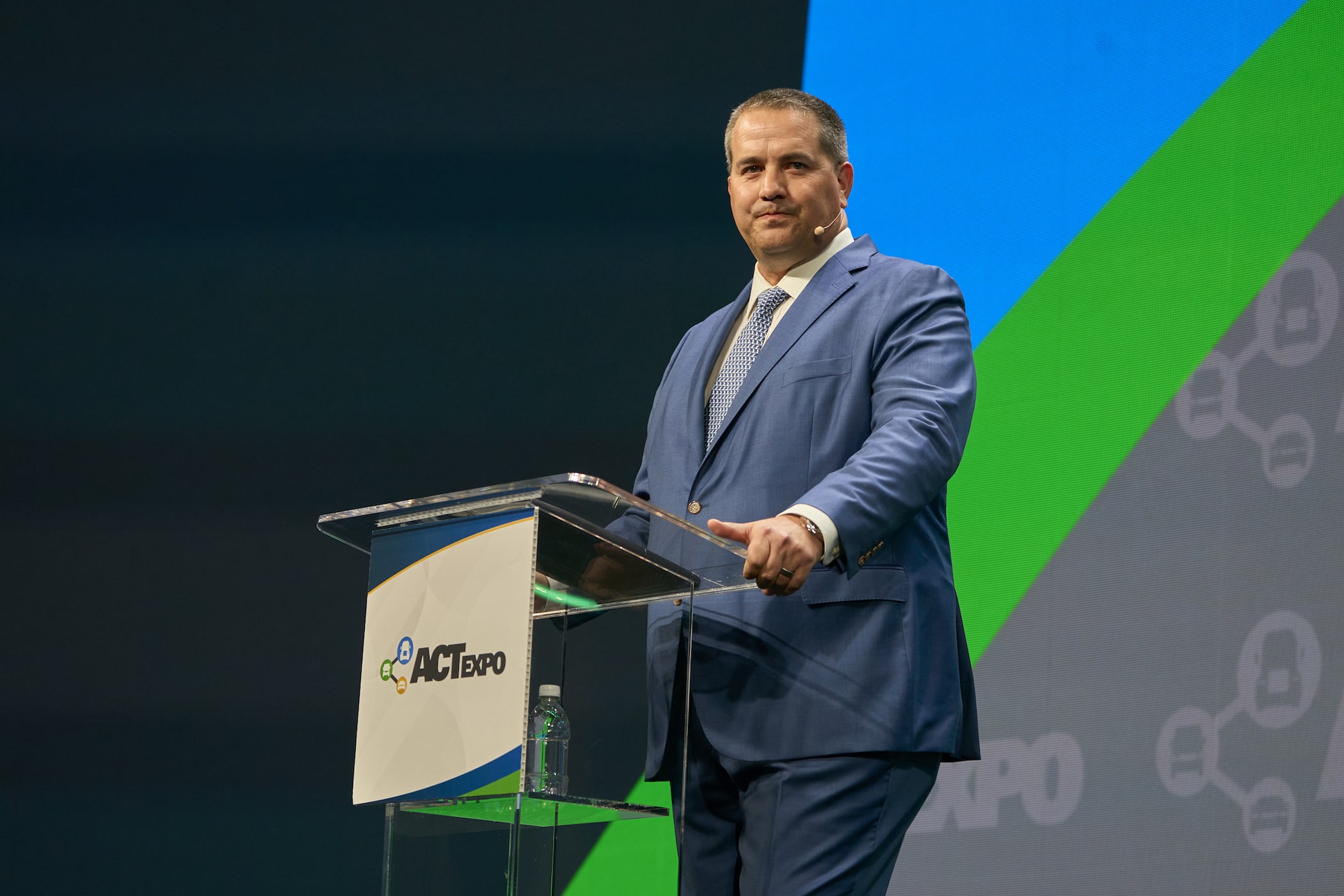
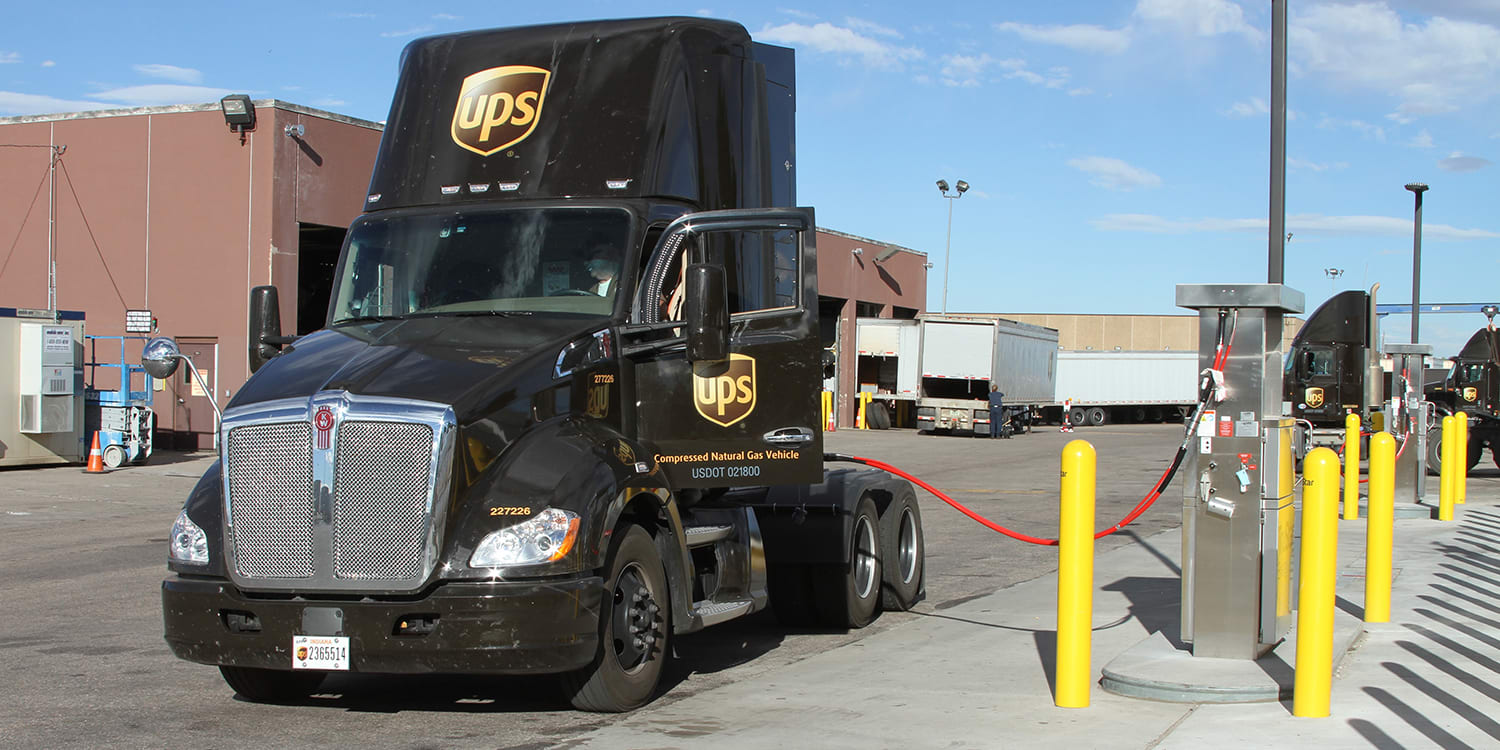
“When we launched ACT in 2011, the big topic was natural gas. The world was losing their minds because oil was up at $130 [USD] a barrel and natural gas was like two bucks a gallon. So everyone was convinced the world is going to run on natural gas. Everyone came to say, ‘alright, what the heck is the natural gas truck?’ Aside from Waste Management or UPS, not many people really had a lot of experience. Then we moved into the EV zone around 2016 to 2018. Regardless of what the theme du jour is, I think ACT’s role is about what the technology really is, how people are using it and what stage of development we’re in. We also help answer questions like who are the key suppliers? How are others in my industry using this tech? Is it ready to scale? If so, how do I scale it?
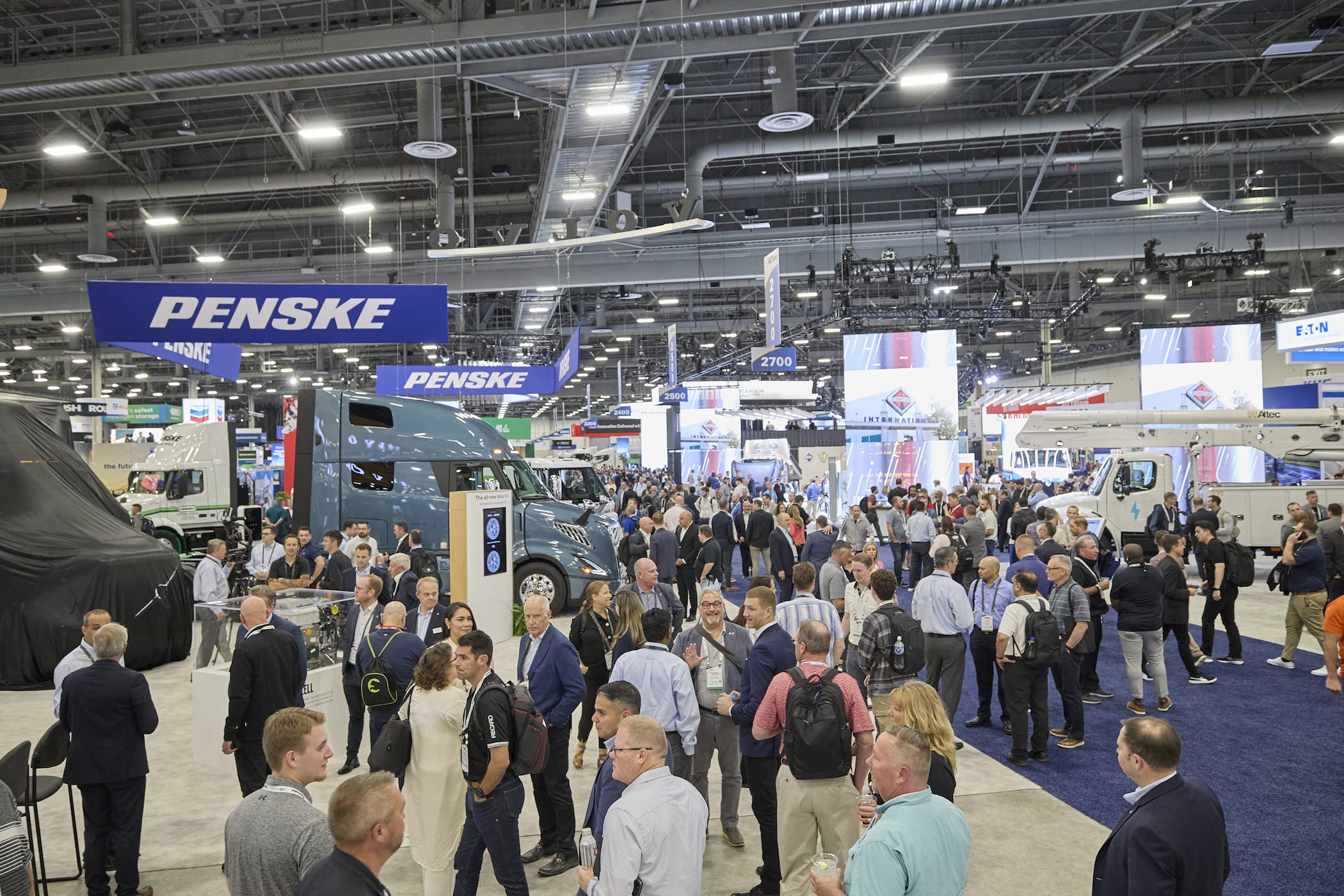
It’s a much more holistic set of questions in terms of how to scale it, and ultimately, no matter the tech, no matter the strategy, no matter the fuel, the ultimate question everyone is trying to answer is the ROI and TCO there and does this make business sense? We always talk about the sustainability part of the business, but if it doesn’t make financial sense, you’re not going to get the scale. It’s just that simple. So all those questions apply more than ever to this wild west digital frontier.”
What is your take on ADAS and autonomous driving tech in the commercial transportation industry?
“We have a committee of about 50 to 60 fleets that we talk to every month and use as our steering committee. School bus operators, refuse operators, over-the-road trucking, regional haul, we’ve got them all. And for years I’ve been asking if autonomy was ready for prime time. And the answer was usually along the lines of ‘it’s interesting, but not really.’
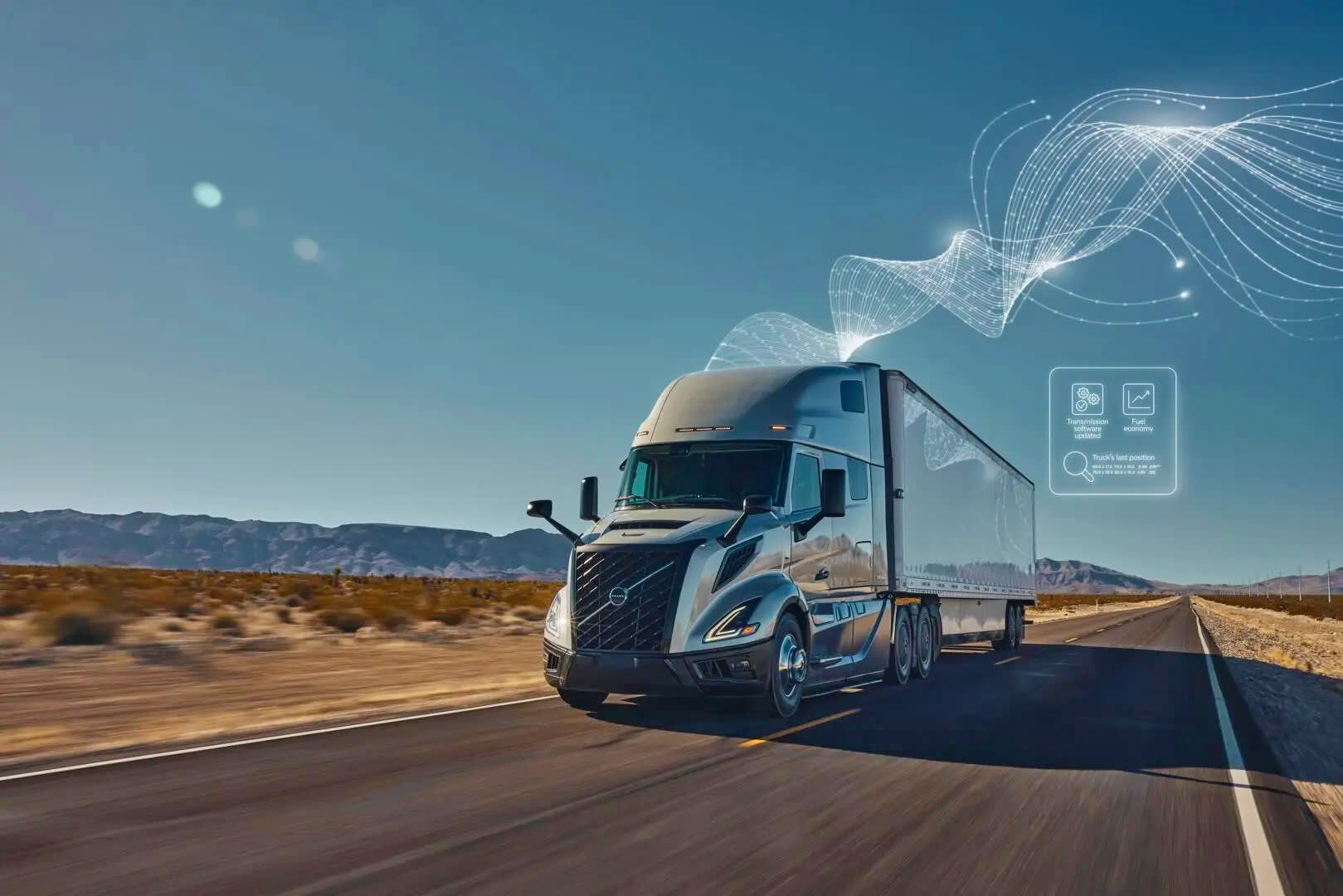
Now though, it feels like the answer is ‘yes, we’re there.’ We’ve got Waymos and other rideshare companies out there in commercial use, and we’re starting to see more demos and pilots on the heavy-duty side. So it seems like we’re ready. But autonomy is just one piece of the puzzle. Massive amounts of data are coming off of modern commercial vehicles these days and nobody really knows what to do with it.
That’s where AI comes in, but people are still asking how exactly we process all of this. There’s a whole world of data that can be processed in a constructive, functional way without requiring someone on the team to read 100,000 lines of it every day. So the question becomes how do we use AI to effectively process all of this data?”
How do you think the implementation of AI will impact the average fleet operator?
“It’ll be very interesting to see what your average fleet operator will make of all this. They definitely want to utilize the technology, but they don’t quite know how yet. And I think in the next nine to 18 months we’re going to get a much better answer on that. But right now, it’s definitely murky in terms of what it’s all going to mean to your average fleet owner. I think the entire transportation sector is very much in the same boat in terms of figuring out how to use these tools. You need people that understand that this stuff exists, how to navigate it and how to find the right solutions.
The big over-the-road firms like Swift, Knight, JB Hunt and UPS are obviously very well resourced and can hire data scientists and whole new departments. But that’s a very small percentage of the commercial fleet world. So it’s that small, mid-size operator that I think really is going to need extra help to figure this out. Because those are the folks that are spec’ing and buying the trucks and dispatching by day. They don’t necessarily have the time to dedicate to doing a dive deep into this whole world.”
How do you think all this new technology will affect the sales or ordering process for new commercial vehicles?
“If you look at the OEM sites for light vehicles and go spec up a car, certain high-end vehicles have tons of options. Every little thing can be spec’d. Commercial vehicles are starting to look the same way. If you’re spec’ing up a truck and decide to check all 100 boxes because you decide you want it all, that’s fine. But fleet owners need to decide or need help deciding what it is they really need and what makes sense. It all costs money, none of this stuff is free. If you check all the boxes, suddenly your $100,000 truck is a $250,000 truck. That probably isn’t going to work for everyone.”
Is there any resistance in the industry to all the new tech?
“We’ve definitely seen a bit of a counterculture pop up that is rejecting this technology and not really wanting anything to do with it. It will be interesting to see where the tug-of-war lands between those schools. Conversely, the industry has a new natural-gas platform that seems to be working pretty well. The 2027 diesel regulations are a little bit of a mess right now, but that’s going to get figured out and that technology will be very clean and very efficient. We’ve also got an interesting resurgence of hybridization.
We think there’s going to be a lot more hybrid discussion and technology at ACT this year. So, we’ve got all those usual things in addition to mpg efficiency improvements and now you layer on all of the digital technology on top of it like telematics, connectivity, advanced safety systems and the subscription services that they’re trying to sell along with this tech. It’s just a lot that fleets have to invest in and a lot of them are wondering if they really need the latest and greatest widget.
A lot of [fleets] are thinking these things sound really cool on the drawing board, but they’re going to cost us a lot of money to develop and commercialize and anytime you commercialize something, it’s a massive investment. There’s a lot of testing and validation that goes into these systems. So what we’re thinking might happen is the fleets will help the OEMs prioritize where they focus their engineering and investment resources.
We just saw the announcement from Ford on the Lightning [EV truck]. That was something like a $20 or $30 billion write-off. I was talking to someone about it yesterday and his observation was ‘well, there you go, that’s the cost of innovation.’ For a company like Ford to bring a new electrified vehicle to market costs 20 billion dollars. And that’s no joke, right? Even for Ford. So like I said, it’ll be very interesting to see where the tug-of-war lands.”
What are some emerging under-the-radar topics for ACT Expo 2026?
“There have been a few things that have popped up that we never would have thought about. One that got brought up recently came from a meeting with one of the big OEMs a couple weeks ago, they raised the topic of keys. One of their customers is a big national fleet and every truck they own has the same key. From a management perspective, it’s easy to do it that way. Everyone gets the same key, they can go into any truck, they can drive any truck, it’s simple and it’s mechanical. Well, now as trucks become increasingly digitized, they have key fobs that are unique to that vehicle. The fleet managers are saying ‘wait a second, I didn’t ask for this. This is a nightmare, and it’s expensive because the driver has already lost a key for the twelfth time at 600 bucks a pop.’
It’s an interesting dynamic, because it’s that intersection of advanced technology and legacy operations. You have the OEMs and their platoons of engineers that are designing these really cool whiz-bang systems with the idea being the driver or whoever has the key is just going to walk up to the truck, the door is going to open and the truck’s going to get itself ready. Then you have the customers that want nothing to do with the whole idea. They want the traditional key that they can get a replacement for at the hardware store.
The other topic we’ve heard discussed a lot in the background is over-the-air updates. Again, from the OE perspective, they see value there. But from the customer perspective, they’re saying ‘wait a second, I didn’t want half of my fleet updated last night.’ So that’s another thing we’re going to have to figure out how to meet in the middle on. It’s very cool technology that has tangible value-add use cases, but it has to be done in a way that meets the needs of the operator and doesn’t impact their business.
There’s so much convergence happening. And I don’t think a lot of it is necessarily thought about in a holistic way. You’ve got entire teams working on ADAS and other advanced safety systems and then you’ve got other teams that are working on integrated dashboards and telematics as well as software-defined vehicles and over-the-air updates. Then, you’ve got another team that’s working on the use of data, predictive performance analytics and dynamic maintenance. I’m not sure those teams are always getting together every week to ask how all this technology impacts the customer.
There’s no question that there’s going to be hiccups and little speed bumps that pop up that will be interesting to talk about. Our hope is that ACT Expo can help play a role to identify those things and send everyone back to the lab to figure out how to make it better for next year’s model.”
More From SAE Media Group
Off-Highway Engineering
Stoneridge Innovation Truck Envisions a Digital-vision Future
Automotive Engineering
Mobileye Ready to Meet FMVSS 127 with Vision-Only System
Autonomous Vehicle Engineering
Hopeful but Closer Scrutiny for SAE Level 4 Automation
Off-Highway Engineering
New Mercedes-Benz Actros Loaded with ADAS, Active Safety Tech
Automotive Engineering
Riding Along With Mercedes and Its in-city Driver Assistance System
Automotive Engineering
The Future of “Core” Vehicle Systems
Automotive Engineering
Ford Approved for Hands-Off Driving on German Autobahn

Off-Highway Engineering
Mahindra Launches New Blazo Heavy-Truck Series with FuelSmart Multi-Drive
Automotive Engineering
CES 2026: Bosch is Ready to Bring AI to Your (Likely ICE-powered) Vehicle
Tech Briefs
How Mercedes and NVIDIA Handle City Driving
Autonomous Vehicle Engineering
Truck Platoons on the Move
Automotive Engineering
Engineering at the Crossroads
Off-Highway Engineering
Freightliner’s Medium-Duty Makeover
Autonomous Vehicle Engineering
Detecting Pedestrians

Autonomous Vehicle Engineering
Autonomy for the Masses
Motion Design INSIDER
Autonomous Bus Sounds: It’s All About When, Not How
Automotive Engineering
Nvidia’s New Level 2+ Autonomy Platform Is Making Cars Safer Today
Off-Highway Engineering
Fuel-Saving KERS for Big-Rig Trucks
Automotive Engineering
MAGNA Say Some Hurdles of Seat-reconfiguration System to Be Addressed by OEMs
Off-Highway Engineering
Iveco Pursues Natural Gas in Stralis NP Models
Autonomous Vehicle Engineering
We Finally Have Some Data on ADAS!
Automotive Engineering
Tier 1s Tout Newest Mobility Tech at CES 2020
Automotive Engineering
Engineers Balance Today’s Programs with Tomorrow’s Mobility Future
Autonomous Vehicle Engineering
The ‘Buzz’ in Driverless Shuttling
Off-Highway Engineering
Miserly Power Systems
Automotive Engineering
Taking Aim at the Drowsy-driver Threat
Autonomous Vehicle Engineering
BMW 7-Series Drives Itself Through Own Assembly
Top Stories
NewsRF & Microwave Electronics
 Microvision Aquires Luminar, Plans Relationship Restoration, Multi-industry Push
INSIDERAerospace
 A Next Generation Helmet System for Navy Pilots
INSIDERDesign
 New Raytheon and Lockheed Martin Agreements Expand Missile Defense Production
INSIDERMaterials
 How Airbus is Using w-DED to 3D Print Larger Titanium Airplane Parts
NewsPower
 Ford Announces 48-Volt Architecture for Future Electric Truck
ArticlesAR/AI

Webcasts
Electronics & Computers
 Cooling a New Generation of Aerospace and Defense Embedded...
Automotive
 Battery Abuse Testing: Pushing to Failure
Power
 A FREE Two-Day Event Dedicated to Connected Mobility
Unmanned Systems
 Quiet, Please: NVH Improvement Opportunities in the Early Design Cycle
Automotive
 Advantages of Smart Power Distribution Unit Design for Automotive &...
Energy
 Sesame Solar's Nanogrid Tech Promises Major Gains in Drone Endurance