




Scaling Precision: Designing and Manufacturing the Army's Next-Generation Strike Missile
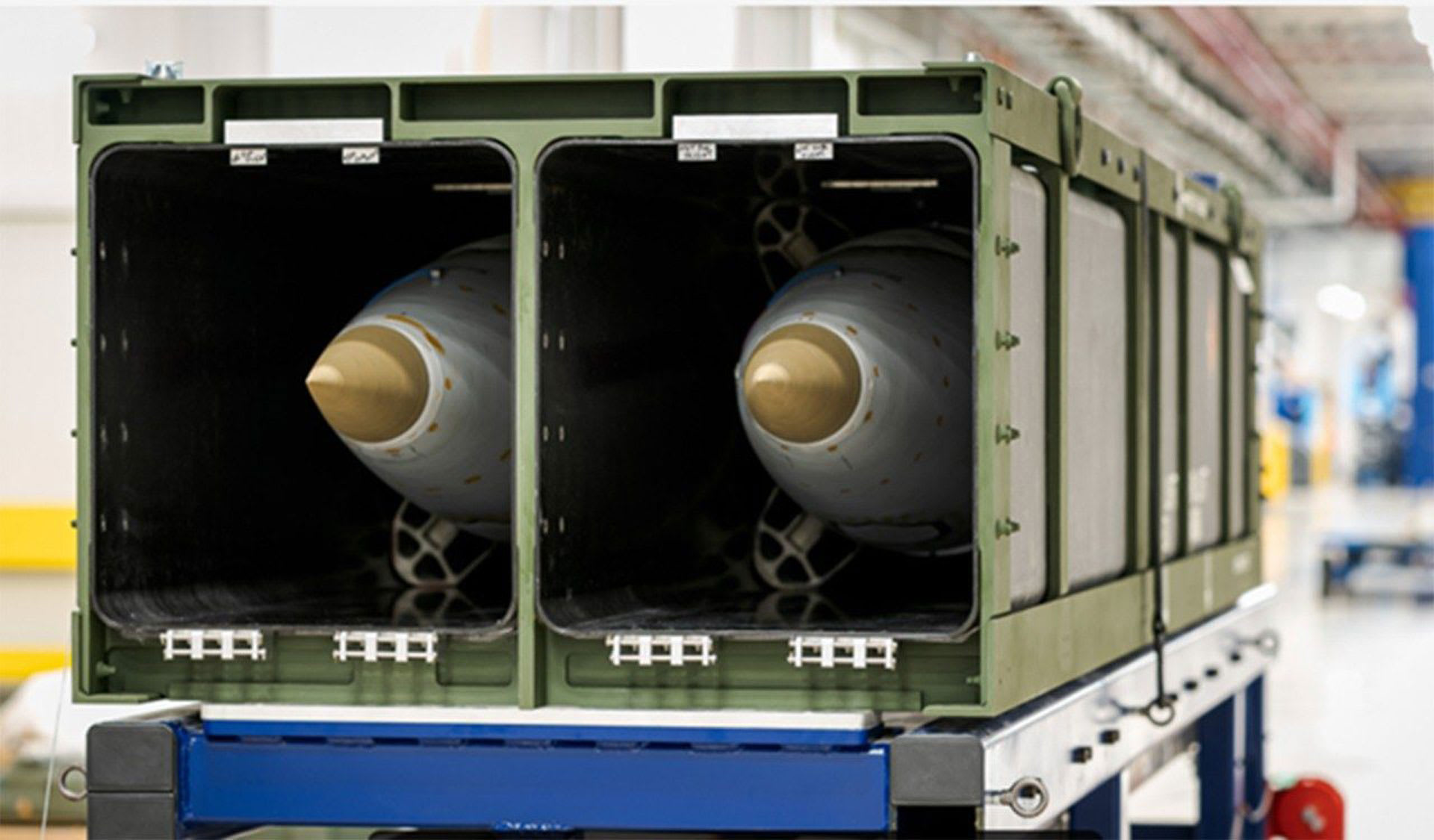
As the U.S. Army transitions into a new era of modernization, its Precision Strike Missile program is a powerful example of how innovation at scale can deliver strategic capability. Designed to succeed the legacy Army Tactical Missile System (ATACMS), PrSM features extended range, improved lethality and platform versatility, enabled by mission integration and digital engineering across industry and government.
In July 2025, the Army granted Milestone C approval for PrSM, signaling readiness for full production and deployment. Just a few months earlier, Lockheed Martin sealed a $ 4.94 billion contract to rapidly transition from prototypes to large-scale manufacturing, with Early Operational Capability missiles already flowing downrange – and production targeting 400 units annually.
Manufacturing leaders emphasize that this momentum reflects a new industrial era: model-based design, digital twin technology and a net-centric, data-driven production environment. These tools offer real-time integration, simulation-based testing and automated quality assurance – enabling a production surge without sacrificing reliability. Automation on the PrSM manufacturing also supports advanced production processes, demonstrating the integration of automation in modern manufacturing and reflects ongoing investments in innovation and efficiency across the enterprise.
The PrSM program embodies the Army’s drive toward multi-domain operations, with a focus on integrating capabilities across land, air, sea, cyber and space to ensure overmatch. Aligned under the Long-Range Precision Fires (LRPF) modernization priority, PrSM benefits from cross-functional teams empowered by Army Futures Command to break down silos across acquisition, science and technology, testing and sustainment. Lockheed Martin is also accelerating innovation with rigorous testing and digital transformation – driving the program forward.
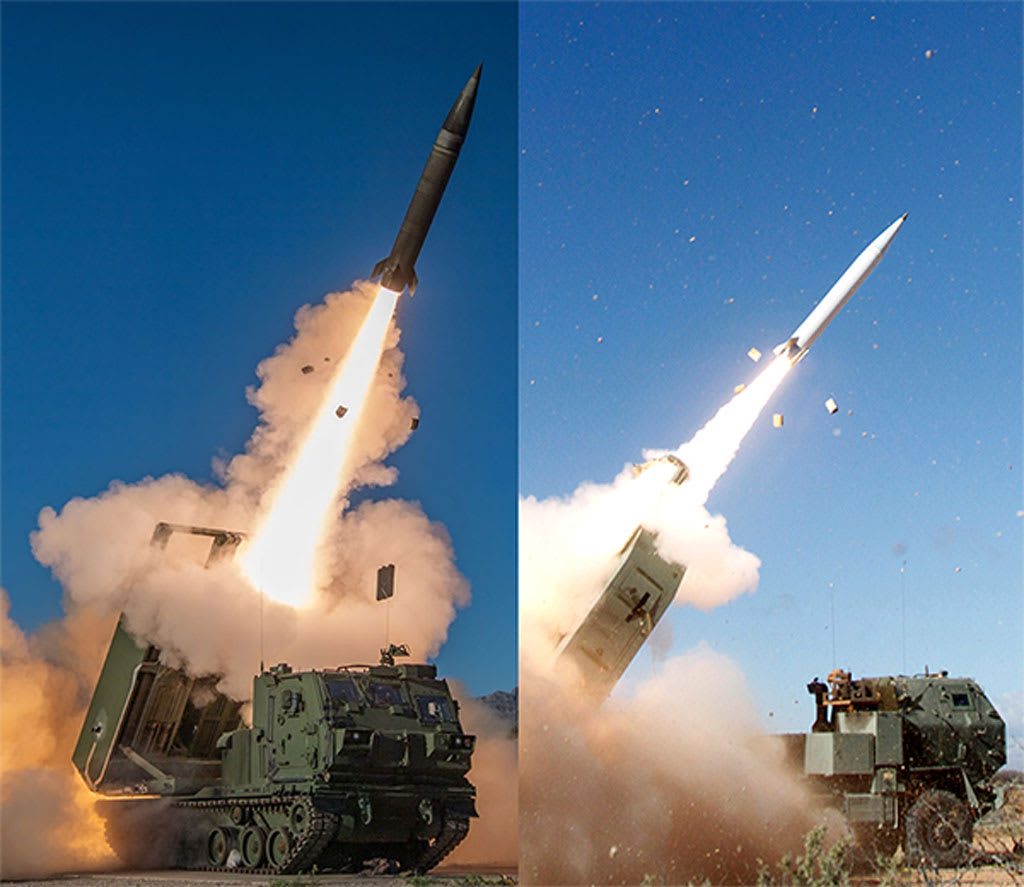
Army-wide initiatives like Project Convergence and transforming in contact fuel rapid prototyping and iterative feedback loops with Soldiers and industry. Demonstrations during military exercises like Valiant Shield and Talisman Sabre , as well as soldier-led tests showcase the joint-team’s commitment to innovating and rapidly delivering lethal capability to the warfighter.
The program’s industrial objective includes serving U.S. forces and allies. In July 2025, Australia launched its first PrSM strike—hitting a target over 300 km away at Mount Bundey – two years ahead of schedule . Concurrently, the U.S. and Australia signed a Memorandum of Understanding exploring co-development, sustainment and technology sharing. This growing collaboration positions PrSM as a model for international industrial integration and workforce agility.
Rigorous testing underpins production credibility. Highlights include:
- June 2024 – Moving Maritime Target Engagement: Demonstrated guidance capability against dynamic sea targets during the Valiant Shield exercise.
- December 2024 – First Soldier-Led Limited User Test: Gave soldiers firsthand control of PrSM, providing critical insights and ensuring the missile meets warfighter needs.
- April 2025 – Production Qualification Test: Used production-level components to verify PrSM’s design performance.
- July 2025 – Australian Live Fire: Validated interoperability and performance in allied operational contexts.
PrSM's baseline systems already deliver ranges in the 400+ km class. But planned increments aim beyond 1,000 km , integrating advanced seekers for moving targets and new payloads.
Achieving this requires a highly responsive industrial chain , digital engineering and agile processes—consistent with Army guidance on modernization and battlefield innovation.
More From SAE Media Group
Defense INSIDER
Army Receives First Next Generation Precision Strike Missile
Aerospace & Defense Tech Briefs
BlueHalo Completes Test of Next Generation C-UAS Missile
Aerospace & Defense Tech Briefs
Precision Strike Missile Increment 1 Achieves Milestone C Approval

Defense INSIDER
PAC-3 Missile Successfully Intercepts Cruise Missile Target



Defense INSIDER
Patriot Missile Hits Target in Test of Upgraded ICBS Radar
Defense INSIDER
Army to Test-Fire Tactical Missile System
Defense INSIDER
Navy Proves Cold-Gas Approach in Hypersonic Launch Test
Aerospace INSIDER
Navy Selects Lockheed Martin and Raytheon to Develop Hypersonic Missile
Aerospace & Defense Tech Briefs
Missile Defense System
Aerospace Manufacturing and Machining INSIDER
Army Launches $50 Million Advanced Manufacturing Initiative for Aviation and Weapon Systems
Aerospace INSIDER
ATHENA Sensor Brings Generational Leap to Airborne MANPAD Protection



Aerospace & Defense Tech Briefs
Factory-as-a-Service for Missile Production
Aerospace Manufacturing and Machining INSIDER
Lockheed Martin Breaks Ground on New Missile Facility
Defense INSIDER
Anduril Becomes Third US Supplier of Solid Rocket Motors
Defense INSIDER
Army Aviation Team Achieves Software Success in Live Fire Test
Aerospace & Defense Tech Briefs
Smarter Pyrovalve Alternatives for Modern Missile and Munition Launcher Applications
Aerospace & Defense Tech Briefs
Missile Protection System
Aerospace & Defense Tech Briefs
Tactical Combat Missiles
Aerospace INSIDER
UK Selects Companies for New Domestic Hypersonic Development Framework
Defense INSIDER
U.S. Army Orders Next-Generation Missile Warning Systems


Top Stories
NewsRF & Microwave Electronics
 Microvision Aquires Luminar, Plans Relationship Restoration, Multi-industry Push
INSIDERAerospace
 A Next Generation Helmet System for Navy Pilots
INSIDERDesign
 New Raytheon and Lockheed Martin Agreements Expand Missile Defense Production
INSIDERMaterials
 How Airbus is Using w-DED to 3D Print Larger Titanium Airplane Parts
NewsPower
 Ford Announces 48-Volt Architecture for Future Electric Truck
ArticlesAR/AI

Webcasts
Electronics & Computers
 Cooling a New Generation of Aerospace and Defense Embedded...
Automotive
 Battery Abuse Testing: Pushing to Failure
Power
 A FREE Two-Day Event Dedicated to Connected Mobility
Unmanned Systems
 Quiet, Please: NVH Improvement Opportunities in the Early Design Cycle
Automotive
 Advantages of Smart Power Distribution Unit Design for Automotive &...
Energy
 Sesame Solar's Nanogrid Tech Promises Major Gains in Drone Endurance