




Piasecki's KARGO UAV Program: Enabling Uncrewed Logistics
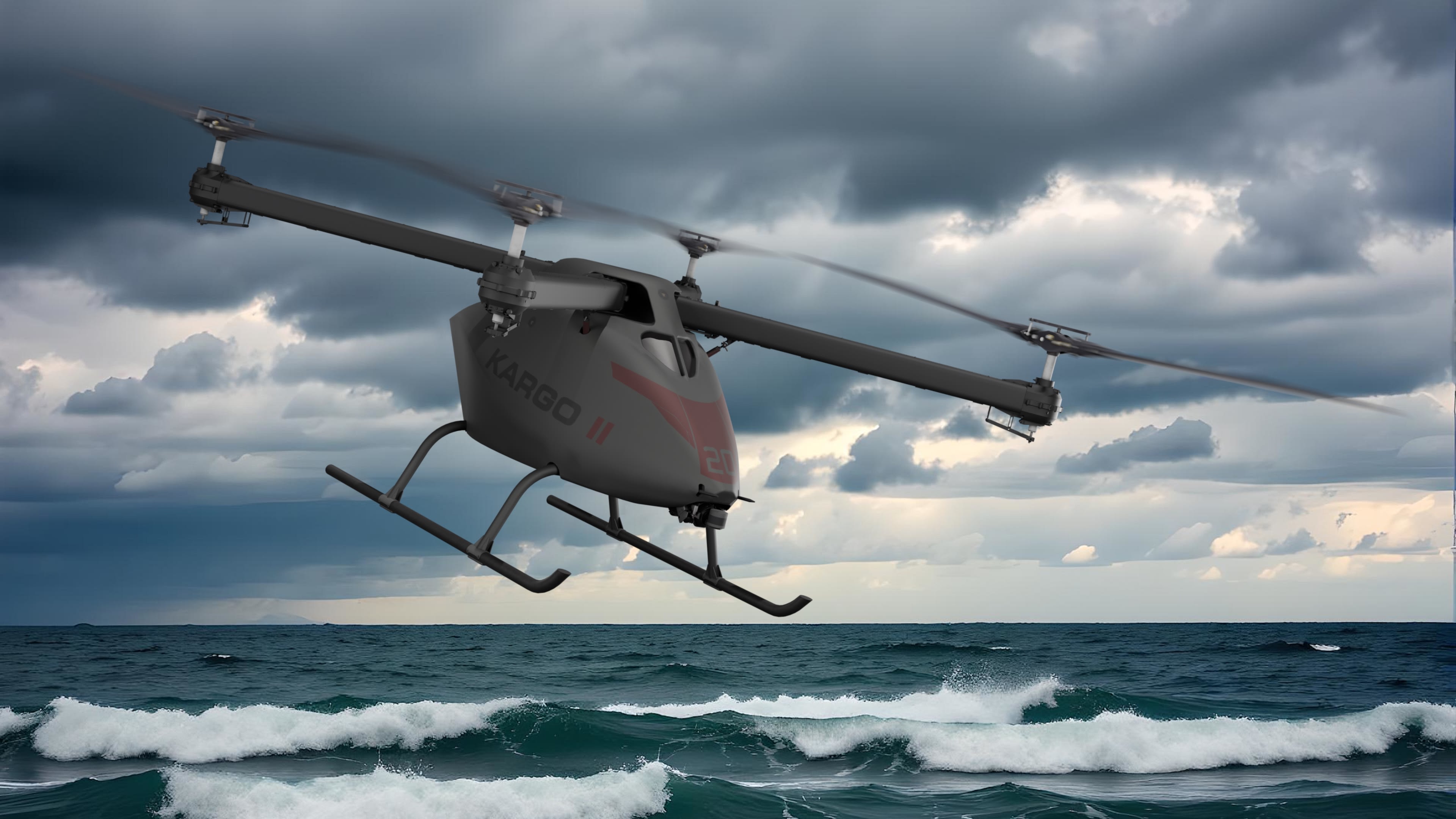
Piasecki Aircraft Corporation acquired the KARGO UAV program from Kaman Air Vehicles in April, and recently launched a new upgraded variant of the medium-lift autonomous uncrewed aerial vehicle, the KARGO II.
The KARGO II is a larger capacity version of the KARGO UAV with increased payload capacity "from approximately 500-800 lbs. (227-363kg) to over 1,500lbs (680kg)," according to the company's August 12 announcement about the upgrade. The original version of the UAV completed several flight testing and demonstration milestones under U.S. Army and Marine Corps contracts, prior to Piasecki's acquisition of the program in April.
Piasecki plans to manufacture the KARGO II at its Heliplex facility in Coatesville, Pennsylvania, and expects to add new program partners and suppliers over the next year. The company expects the production version of the KARGO II to become available by 2027.
John Piasecki, CEO of Piasecki Aircraft Corporation, is the guest on this episode of the Aerospace & Defense Technology podcast to discuss the future of the KARGO UAV program.
Subscribe to the Aerospace & Defense Technology podcast on Apple Podcasts or Spotify .
More From SAE Media Group
Aerospace INSIDER
WATCH: Air Force Research Lab's First Flight of XQ-67A Drone
Aerospace INSIDER
MQ-1C Completes First Air-Launched Effect Flight Demonstration
Defense INSIDER
AFWERX Tests Alternative Navigation System on Osprey MK III
Aerospace INSIDER
BAE Systems Acquires Developer of Electric Heavy Lift Quadcopters
Aerospace INSIDER
German Air Force Starts Flight Testing New Heron ISR Drone
Aerospace Manufacturing and Machining INSIDER
Small Low-Cost Engines for Drones and Collaborative Combat Aircraft
Aerospace & Defense Tech Briefs
Reconnaissance Vehicle Sensor Suite Upgrade
Aerospace INSIDER
Two Startups Partner to Expand Hydrogen-Powered Drone Production
Tech Briefs
Autonomous Aircraft: See the XQ-67A Fly

Aerospace & Defense Tech Briefs
Aitech Defense Will Provide Data Interface Technology for Boeing’s Unmanned MQ-25 Refueling Platform
Aerospace & Defense Tech Briefs
AirMap and Skyguide Deploy Swiss National Flight Information Management System for Drones
Defense INSIDER
Sikorsky Converts Black Hawk into U-Hawk Autonomous Helicopter
Aerospace INSIDER
Quarterhorse Hypersonic Test Aircraft Completes First Flight
Aerospace INSIDER
Anduril Completes First Semi-Autonomous Flight of CCA Prototype

Aerospace & Defense Tech Briefs
GA-ASI Maximizes Fuel Capacity for MQ-25 Entry
Aerospace INSIDER
Hermeus Rolls Out First Quarterhorse Hypersonic Test Aircraft
Aerospace & Defense Tech Briefs
Vertical Takeoff and Landing Drone
Aerospace & Defense Tech Briefs
Boeing’s CAV Makes First Outdoor Flight
Aerospace & Defense Tech Briefs
Unmanned Aerial Vehicle
Aerospace & Defense Tech Briefs
Autonomous Aerial Refueling
Aerospace & Defense Tech Briefs
Sikorsky, NREC Partner for Matrix Application to Demonstrate U.S. Army Autonomous UGV Delivery
Aerospace INSIDER
GA-ASI Announces Gray Eagle 25M for Multi-Domain Operations
Top Stories
INSIDERWearables
 A Next Generation Helmet System for Navy Pilots
INSIDERWeapons Systems
 New Raytheon and Lockheed Martin Agreements Expand Missile Defense Production
NewsAutomotive
 Ford Announces 48-Volt Architecture for Future Electric Truck
INSIDERAerospace
 Active Strake System Cuts Cruise Drag, Boosts Flight Efficiency
ArticlesTransportation
 Accelerating Down the Road to Autonomy
NewsUnmanned Systems
 Microvision Aquires Luminar, Plans Relationship Restoration, Multi-industry Push
Webcasts
Electronics & Computers
 Cooling a New Generation of Aerospace and Defense Embedded...
Power
 Battery Abuse Testing: Pushing to Failure
Communications
 A FREE Two-Day Event Dedicated to Connected Mobility
Unmanned Systems
 Quiet, Please: NVH Improvement Opportunities in the Early Design Cycle
Transportation
 Advantages of Smart Power Distribution Unit Design for Automotive &...
Aerospace
 Sesame Solar's Nanogrid Tech Promises Major Gains in Drone Endurance