




Accelerating Materials Development with Quantum Computing
New quantum capabilities include enhanced molecular simulation, critical for simulating complex chemical processes. We’re on the cusp of the ability to innovate and develop materials at a much faster pace.
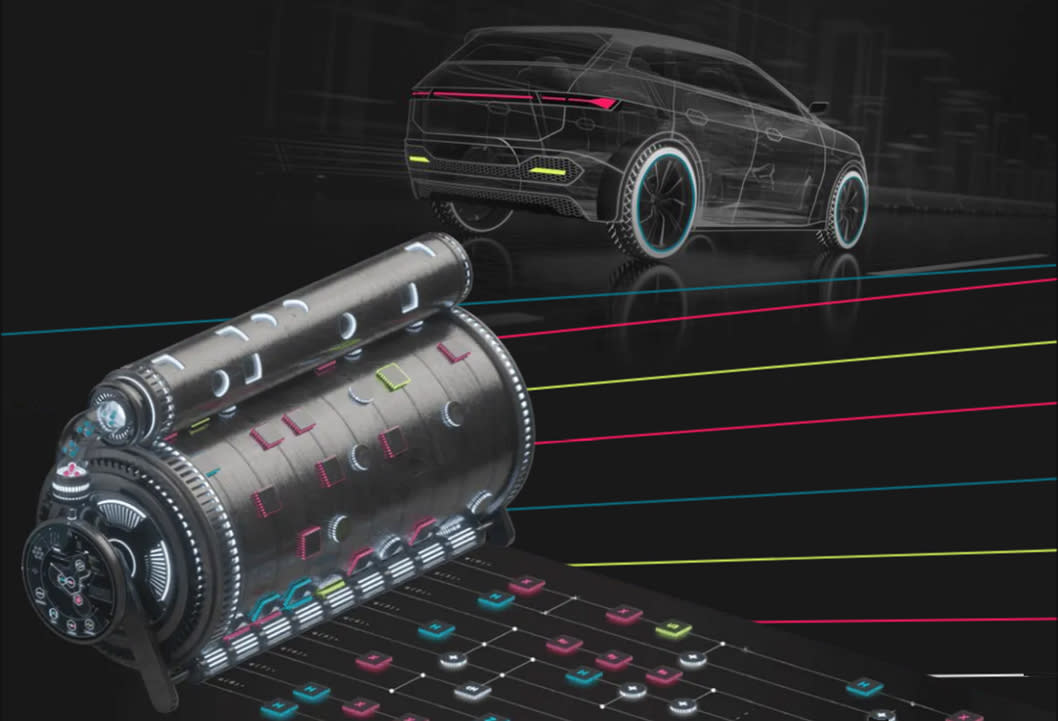
As most engineers pursue ways to improve material properties such as longevity, corrosion resistance and eco-friendliness, quantum computing is emerging as a groundbreaking technology to accelerate new material development.
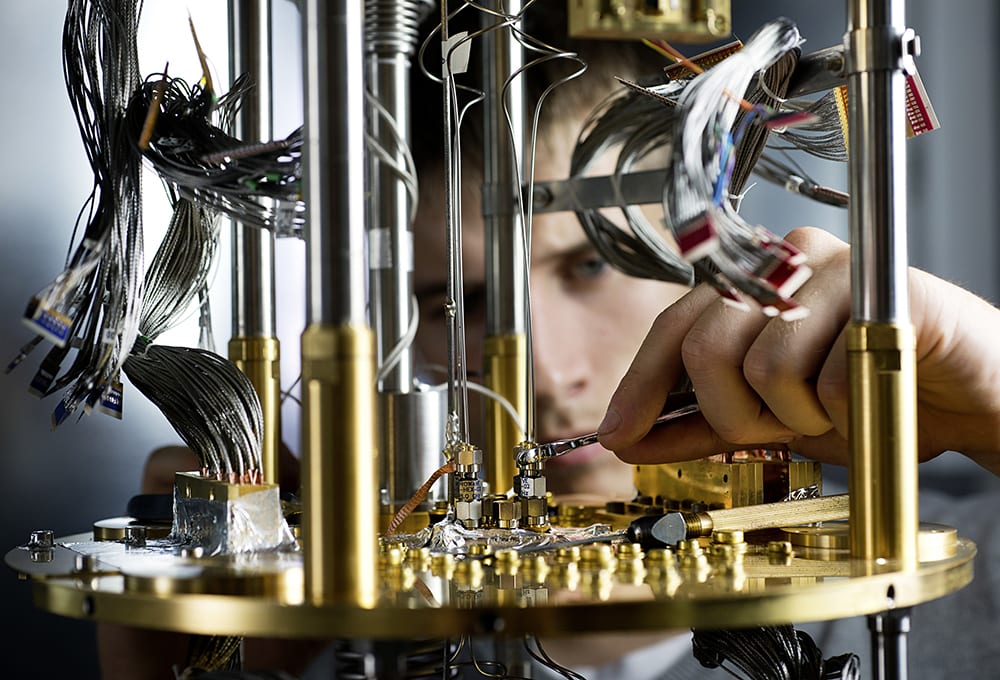
The automotive engineering industry relies heavily on materials, from the metals used in components and structural parts to the polymers in casings and specialty chemicals like paints and coatings that finish products. The performance and longevity of these materials directly influence the final machines' quality and sustainability. Imagine paints that adhere better or last longer, metals that resist corrosion more effectively, or batteries that store more energy and charge faster. These are not-so-distant realities with quantum computing.
Quantum computing operates on the principles of quantum mechanics, offering new computational capabilities beyond the scope of classical computers today. These new capabilities include enhanced molecular simulation which is critical for simulating complex chemical processes and which poses a significant challenge for traditional computational methods. For materials science, this means we’re on the cusp of the ability to innovate and develop materials at a much faster pace.
Because of this, one of the areas where quantum computing is expected to make a significant and immediate impact is the development of new materials, including green products and solutions that reduce environmental impact. For instance, the design of polymers that minimize the probability of causing microplastic pollution could assist the industry's approach to sustainability. Similarly, developing metals less prone to corrosion would enhance the durability and lifespan of vehicles, reducing waste and the need for frequent replacements.
Paint chemistry is another area suitable for innovation with quantum computing. By understanding the quantum mechanical interactions at play, researchers can develop formulations that last longer and offer improved adhesion, resistance to environmental damage and lower toxicity. These advancements would improve product aesthetics and durability and contribute to environmental sustainability.

Another example of quantum computing's potential in materials development is in the development of better energy storage through advanced battery chemistry. Enhanced battery technologies would directly impact electric vehicles, opening new possibilities for energy integration and efficiency. For instance, Volkswagen Group is using quantum computing to simulate and optimize battery materials, and BMW Group is using the technology to find the optimal architecture of electrical and mechanical systems (Classiq is collaborating with BMW).
It's essential, however, to acknowledge that the transition to quantum-enhanced materials is long. Quantum computing is an emerging field, with materials science expected to be among the first to benefit from its advancements. For automotive engineers and manufacturers, this brings promising future choices and opportunities for innovation.
In preparing for this quantum leap, automotive engineers must be informed and ready for the changes ahead. The growth of new material options powered by quantum computing will affect manufacturing processes and open new avenues for product differentiation and value creation.
Quantum computing promises to be a game-changer for materials development. By enabling the creation of materials with superior properties and environmental benefits, quantum computing will play a pivotal role in driving innovation, enhancing product quality and promoting sustainability in the automotive manufacturing industry. The future of materials science is quantum, paving the way for revolutionary advancements in automotive engineering.
Simon Fried is VP of marketing and business development at Classiq.
More From SAE Media Group
Aerospace & Defense Tech Briefs
SAE International Extends Call for Abstracts, Seeks Submissions for AeroTech Conference
Automotive Engineering
Novelis Creates First Aluminum Sheet Battery Enclosure for Mass Electric Vehicle Production
Automotive Engineering
Demand up for Composite-Grade, High-Performance Plastics Across Aerospace, Automotive
Automotive Engineering
Tenneco Tech Center Expands NVH Capabilities with New Materials Lab
Automotive Engineering
Lightweight Steel on a (Cold) Roll
Off-Highway Engineering
Breakthroughs in 3D-Printing Give Way for Promising Textile Lithium Battery Technology

Off-Highway Engineering
NASA Highlights Material and Coating Technology Ready for Commercial Applications
Medical Manufacturing and Machining
Hybrid Technique Aims to Produce Stronger, Corrosion-Resistant Nickel
Automotive Engineering
Constellium Develops New Alloys for EV Battery Enclosures
Battery & Electrification Technology
Cobalt-Free Batteries Could Power EVs of the Future
Automotive Engineering
Getting a Grip on EV Fasteners
Battery Technology
Hybrid Membrane Doubles the Lifetime of Rechargeable Batteries
Automotive Engineering
Static Testing of EV Components
Aerospace & Defense Tech Briefs
Metal-Plated, High-Temperature Plastics


Automotive Engineering
Casting Around for Lightweighting Solutions
Automotive Engineering
Battle for the Box
Automotive Engineering
EMBATT Technology Could Double the Driving Range of EVs
Battery Technology
Low-Cost, Fast Production of Solid-State Batteries
Tech Briefs
New Fluids Coming for EV Thermal Management
Automotive Engineering
Launching Aerospace Battery Tech for EVs
Tech Briefs
Products of Tomorrow

Aerospace & Defense Tech Briefs
Unlocking the Potential of 3D-Printed Polymers in Aerospace and Defense
Medical Design Briefs
‘Candy Cane’ Polymer Weave Could Power Future Functional Fabrics and Devices

Battery & Electrification Technology
New Polymer Coating Could Boost EV Batteries
Aerospace & Defense Tech Briefs
Aircraft Maintenance Technicians Seek Simplified, Portable, Fast Aviation Eddy Current Testing
Top Stories
NewsSensors/Data Acquisition
 Microvision Aquires Luminar, Plans Relationship Restoration, Multi-industry Push
INSIDERRF & Microwave Electronics
 A Next Generation Helmet System for Navy Pilots
INSIDERWeapons Systems
 New Raytheon and Lockheed Martin Agreements Expand Missile Defense Production
NewsAutomotive
 Ford Announces 48-Volt Architecture for Future Electric Truck
INSIDERAerospace
 Active Strake System Cuts Cruise Drag, Boosts Flight Efficiency
ArticlesTransportation

Webcasts
Aerospace
 Cooling a New Generation of Aerospace and Defense Embedded...
Energy
 Battery Abuse Testing: Pushing to Failure
Power
 A FREE Two-Day Event Dedicated to Connected Mobility
Automotive
 Quiet, Please: NVH Improvement Opportunities in the Early Design Cycle
Electronics & Computers
 Advantages of Smart Power Distribution Unit Design for Automotive &...
Unmanned Systems
 Sesame Solar's Nanogrid Tech Promises Major Gains in Drone Endurance