




AxleTech Develops Electric Independent Suspension Concept for Vehicles Up to 58,000-lb GCWR
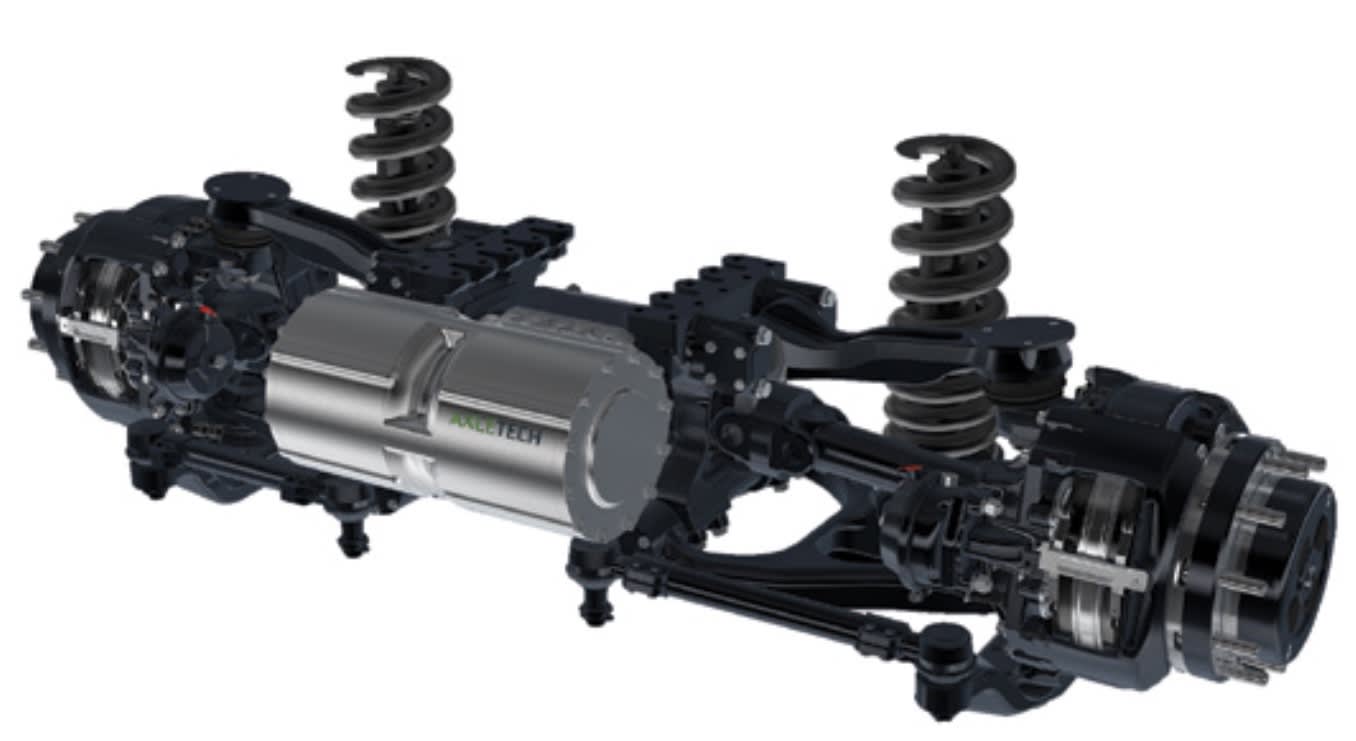
Intended for a range of vehicle types — full battery electric vehicles, fuel cell range-extender EVs, and internal combustion engine or turbine generator range extenders — the 5000 Series electric independent suspension axle system (eISAS) recently revealed by AxleTech serves as a complete electric powertrain. As such, the next-generation concept can eliminate the need for a traditional drivetrain, including engine, transmission, and gearboxes — the result being reduced weight and maintenance costs, according to the Troy, Mich.-based technology company.
“We have spent the last two years developing our line of electric powertrain systems for on- and off-highway vehicles,” Bob Nichols, Senior Manager, Sales, Electric Vehicle Systems at AxleTech, told Truck & Off-Highway Engineering. “The eISAS concept is a result of our ongoing efforts to lead the electrification of drivetrain and powertrain systems, while commonizing our axle product families.”
In developing the 5000 Series eISAS concept, engineers considered the modernization of military fleets and the enhanced performance such vehicles require. Nichols noted the system can offer improved stealth characteristics, lower heat signatures, and improved fuel savings to logistics vehicles, tactical vehicles, and armored personnel carriers.
“As with any new product development program, there are many challenges and hurdles, and we address everything through a systems-engineering approach,” he said. “The team worked on providing a system that addresses optimal efficiency and packaging while taking into consideration the vehicle’s requirements and duty cycles.”
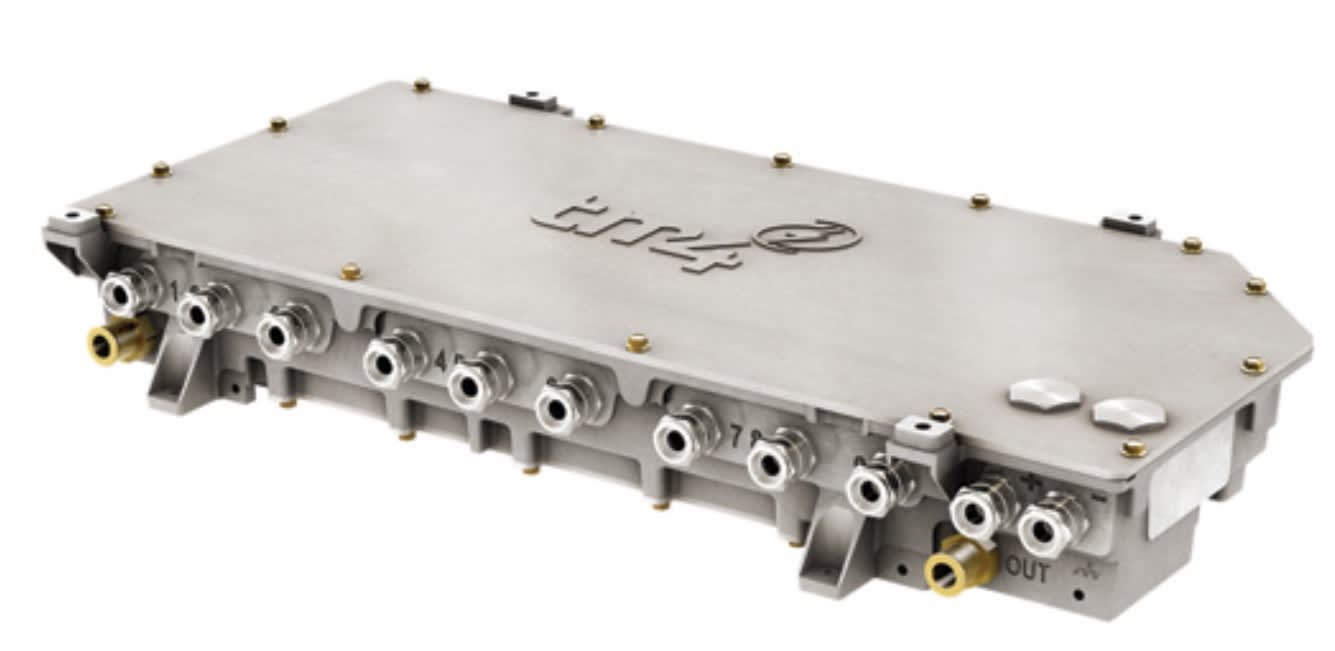
The concept consists of a standard independent suspension axle, a custom-designed motor or motors (depending on the vehicle application), and proprietary helical gearing design suitable for electric powertrain systems that maximizes regenerative braking. The complete eISAS would also include one or more inverters, depending on the application.
AxleTech partnered with TM4 on the motor and inverter development, and tapped its global supply chain, “which includes new and current suppliers,” for the system concept, Nichols said.
When produced, the eISAS concept axle will feature parallel axis gearing, instead of traditional bevel gearing, to maintain the axle ground clearance and allow for maximum torque to the wheels. All Nichols would offer when asked to provide more details on the proprietary gearing was, “It’s an optimized strategy that comes from our systems-engineering approach.”
The 5000 Series eISAS concept is intended for vehicles with a gross combination weight rating (GCWR) up to 58,000 lb (26.3 metric ton) capacity. AxleTech intends to develop similar propulsion concepts for lighter load vehicles as part of its overall electrification strategy. The timeline for production of these eISAS concepts will be driven by customer demand, Nichols said.
“All AxleTech electric axle product offerings are engineered for both commercial and military applications. We are developing solutions for on- and off-highway applications, such as buses, trucks, heavy lift trucks, and others,” he said.
The company has supplied independent suspension systems to the military for more than 25 years and has over 60 fielded vehicle programs for its ISAS products.
More From SAE Media Group
Off-Highway Engineering
EV Startup Prepares to Enter Commercial Market with Novel EAxle
Off-Highway Engineering
Eaton and BAE Gear up a New Electrified Truck

Off-Highway Engineering
Developing for Defense
Automotive Engineering
E-Axles Speed Electrification
Automotive Engineering
Making the Case for In-Wheel Motors
Automotive Engineering
Engineering Flexibility into EV Powertrains
Tech Briefs
EV vs. ICE: How Does Wire Harness Design Differ?
Automotive Engineering
Gearing Dana for the EV Future
Off-Highway Engineering
Turntide Cuts Time to Market for Electric Construction Equipment
Off-Highway Engineering
REE Unveils P7-C Chassis Cab at ACT Expo
Automotive Engineering
Q&A: What It Takes to Add an E-Axle
Off-Highway Engineering
Electrification Not a One-Size-Fits-All Solution
Automotive Engineering
SAE Launches New Standards Document to Rate Power of Electrified Vehicles

Off-Highway Engineering
Regulatory Landscape Challenges Commercial-Vehicle Engine Development
Off-Highway Engineering
ZM Trucks Starts Production in Fontana, California
Off-Highway Engineering
Truckin’ on Hydrogen
Battery & Electrification Technology
Ultracapacitor Solutions to Address Energy-Storage Needs of Vehicles
Off-Highway Engineering
Electrification’s Impact on Commercial-Vehicle Chassis Design
Automotive Engineering
Bosch’s EV Efficiency Upgrade: Continuously Variable Transmissions
Automotive Engineering
BMW Brings EV Motor Production to Steyr in Austria
Autonomous Vehicle Engineering
Autonomy and Electrification: A Perfect Match?
Off-Highway Engineering
Transmissions, Axles Aid in Fuel Conservation for Commercial Vehicles
Off-Highway Engineering
ZF Premieres AxTrax 2 Electric Axle Platform at ACT Expo
Automotive Engineering
Gearing Up Drive Axle Innovations
Automotive Engineering
Electrifying the Two-Wheeler
Automotive Engineering
ZF Introduces Complete E-Drive System for Passenger, Commercial Vehicles
Automotive Engineering
Prodrive Helps Fast-Track Ford’s New PHEV Van Program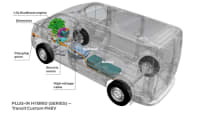
Top Stories
NewsRF & Microwave Electronics
 Microvision Aquires Luminar, Plans Relationship Restoration, Multi-industry Push
INSIDERAerospace
 A Next Generation Helmet System for Navy Pilots
INSIDERDesign
 New Raytheon and Lockheed Martin Agreements Expand Missile Defense Production
INSIDERMaterials
 How Airbus is Using w-DED to 3D Print Larger Titanium Airplane Parts
NewsPower
 Ford Announces 48-Volt Architecture for Future Electric Truck
ArticlesAR/AI

Webcasts
Electronics & Computers
 Cooling a New Generation of Aerospace and Defense Embedded...
Automotive
 Battery Abuse Testing: Pushing to Failure
Power
 A FREE Two-Day Event Dedicated to Connected Mobility
Unmanned Systems
 Quiet, Please: NVH Improvement Opportunities in the Early Design Cycle
Automotive
 Advantages of Smart Power Distribution Unit Design for Automotive &...
Energy
 Sesame Solar's Nanogrid Tech Promises Major Gains in Drone Endurance