




Transmissions, Axles Aid in Fuel Conservation for Commercial Vehicles
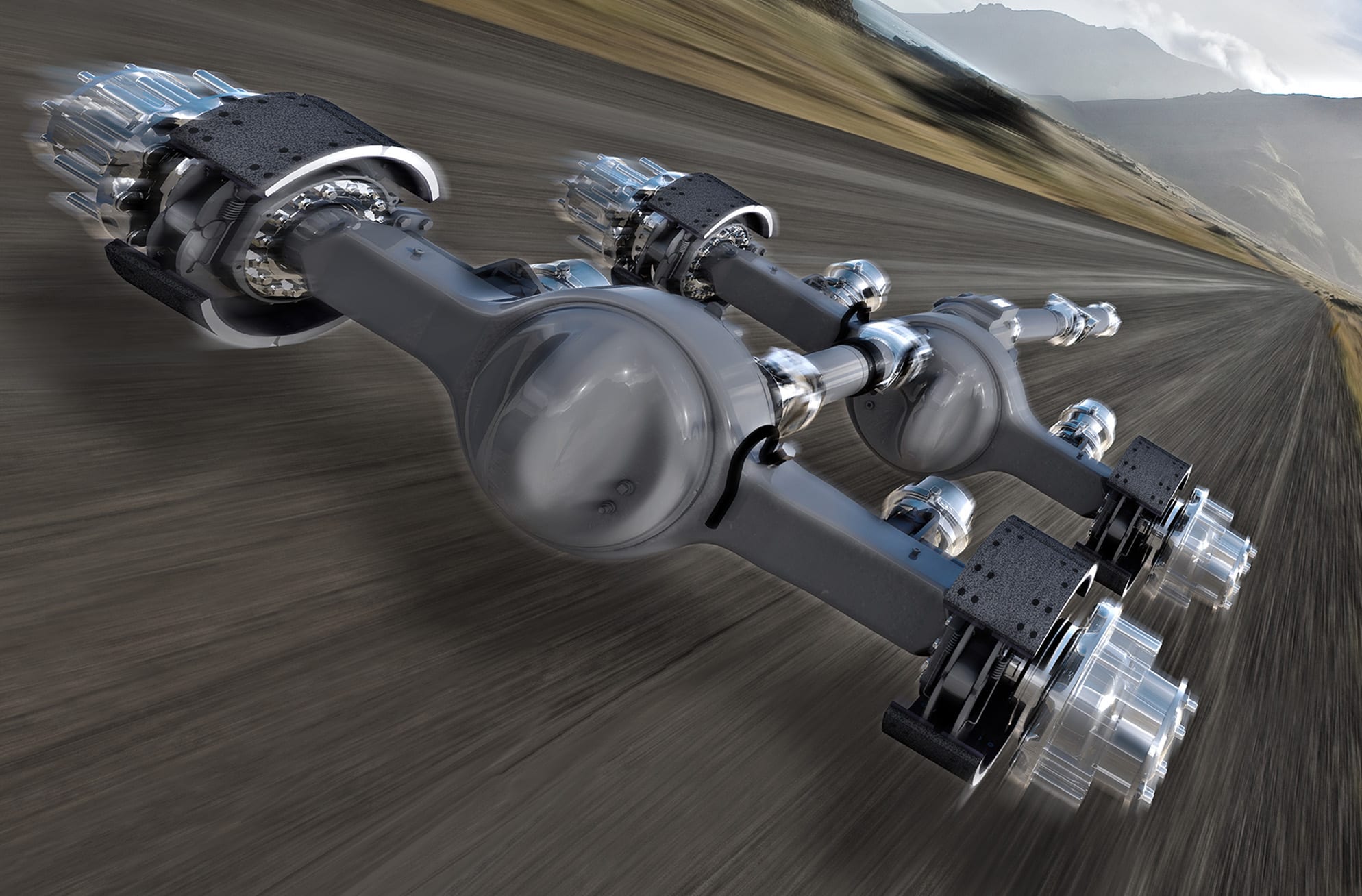
Transmissions and axles are evolving rapidly as powertrain design teams push to reduce fuel consumption. Intelligent transmission controls are communicating with engines to improve efficiency, while some of the engine’s workload is being shifted to electrified axles.
Engines continue to advance. The Detroit Integrated Powertrain Transmission is using sensors and controllers to lighten the load on the engine. Functions such as eCoast, skip shift, descent control, and driveline protection all help engine controls produce power more efficiently.
“eCoast can sense when load and terrain conditions are suited to reduce engine rpm until power is demanded again,” said Brian Daniels, manager of Detroit Powertrain and Components product marketing. “Skip shift can select the correct gear to start in based on the vehicle conditions and to reduce the time it takes to get up to speed. Powertrain down-speeding is allowing the rear axle to have faster ratios, which allow the engine to operate at lower rpm.”
Axle ratios are changing as technology advances. These changes are part of a more holistic approach to vehicle design. When strategic planners and design teams look at all parameters in the powertrain and overall vehicle, they can push specifications to new limits.
“We’ve got an axle that has a 1.59:1 ratio—it’s the fastest axle ratio on the market,” said Steve Mastroianni, senior manager, drive axle product planning, at Dana. “This axle ratio enables engine down-speeding, allowing a slower engine rpm rate at highway speeds.”
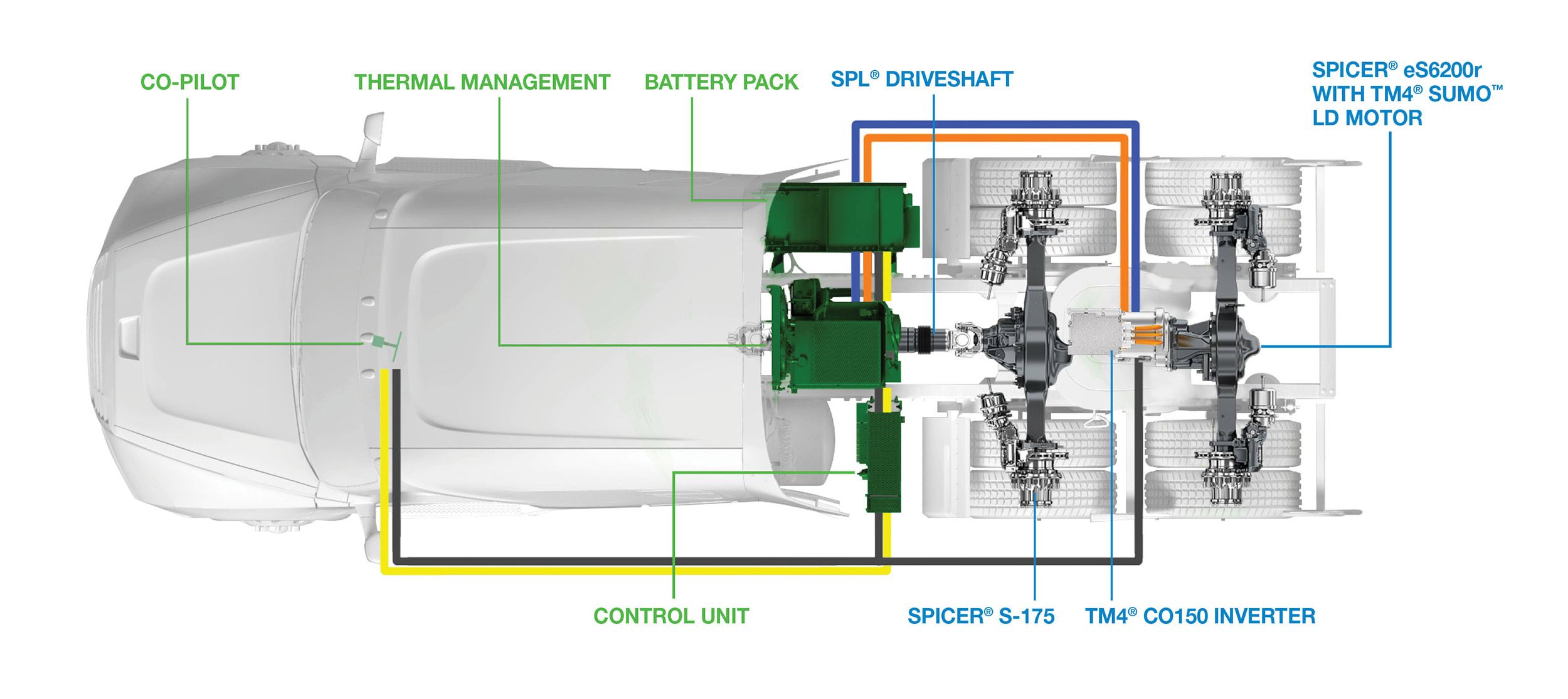
Axle suppliers are also following the electrification path, adding motor/generators and inverters to offload engines. Dana’s Spicer electrified e-Axle supplies 139 kW (189 hp) of continuous power and 193 kW (262 hp) at peak power, letting medium-sized mining trucks and large lift trucks reduce engine size or move to alternate fuels.
“Engine downsizing and moving to alternate fuels like compressed natural gas reduce engine performance,” said Harry Trost, senior manager of product planning at Dana. “Adding an electrified axle lets companies regain the performance they lose with downsized diesels.”
Earlier this year, Allison Transmission unveiled the AXE Series electric powertrain, which integrates an electric motor and a multi-speed transmission. A dual-motor axle provides continuous power of 536 hp (400 kW) and peak output power of 738 hp (550 kW).
More From SAE Media Group
Off-Highway Engineering
Hybrids Are Having a Moment
Automotive Engineering
Do AWD EVs Need Two Motors? GKN Does the Math.
Off-Highway Engineering
Truckin’ on Hydrogen
Off-Highway Engineering
Detailing Kenworth’s Sleek SuperTruck 2
Automotive Engineering
Orbis Says HaloDrive Axial-Flux Motor Available for In-Wheel, Other Uses
Off-Highway Engineering
Hybrid Powertrains in the Product Mix
Off-Highway Engineering
Deutz Equips Telehandlers with Hybrid and Fully Electric Powertrains
Off-Highway Engineering
Hexagon Agility Partners with Brudeli for Hybrid CNG Truck Powertrains
Off-Highway Engineering
HD Hyundai Rolls out a Slew of New Machines
Off-Highway Engineering
FPT Tech Day Reveals Cursor X Concept, Other 4.0 Innovations
Off-Highway Engineering
Caterpillar Reveals Next-Gen Dozers, Excavators, Motor Graders
Off-Highway Engineering
Medium-Duty Engines, Transmissions Shift Focus to Software
Off-Highway Engineering
Transmission Talk: Eaton Discusses Its Portfolio of Commercial Gearboxes
Off-Highway Engineering
Hydrogen ‘Inevitable’ for Commercial Vehicles
Automotive Engineering
Making over the World’s Leading Hybrid
Off-Highway Engineering
Volvo CE Previews ConExpo 2023 Display
Off-Highway Engineering
Eaton and BAE Gear up a New Electrified Truck
Automotive Engineering
Mahle Reveals ‘Fits All’ Modular and Scalable Integrated Hybrid Powertrain
Off-Highway Engineering
Hyliion, Cummins Collaborate on Electric and NG Range-Extender
Automotive Engineering
Suppliers Prepare for a Drop in EV Market Share
Off-Highway Engineering
Starship Road Trip
Off-Highway Engineering
Shell’s Starship 3.0 NG Shines a Bright Light on Efficient Powertrain and Aero Tech
Off-Highway Engineering
ZF Premieres AxTrax 2 Electric Axle Platform at ACT Expo
Automotive Engineering
SAE WCX 2022: Driveline Flexibility Is Key for Electrification
Automotive Engineering
BorgWarner Demos Next-Step Electrification Components
Off-Highway Engineering
Propane Powers Ahead for Medium Duty Sector
Automotive Engineering
Millbrook’s New California EV Testing Facility
Automotive Engineering
Q&A: What It Takes to Add an E-Axle
Off-Highway Engineering
Fuel-Cell Power for Monster Mining Trucks in GM, Komatsu Deal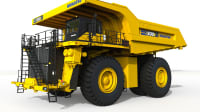
Automotive Engineering
Toyota Punches up the Prius
Top Stories
NewsSensors/Data Acquisition
 Microvision Aquires Luminar, Plans Relationship Restoration, Multi-industry Push
INSIDERRF & Microwave Electronics
 A Next Generation Helmet System for Navy Pilots
INSIDERWeapons Systems
 New Raytheon and Lockheed Martin Agreements Expand Missile Defense Production
NewsAutomotive
 Ford Announces 48-Volt Architecture for Future Electric Truck
INSIDERAerospace
 Active Strake System Cuts Cruise Drag, Boosts Flight Efficiency
ArticlesTransportation

Webcasts
Aerospace
 Cooling a New Generation of Aerospace and Defense Embedded...
Energy
 Battery Abuse Testing: Pushing to Failure
Power
 A FREE Two-Day Event Dedicated to Connected Mobility
Automotive
 Quiet, Please: NVH Improvement Opportunities in the Early Design Cycle
Electronics & Computers
 Advantages of Smart Power Distribution Unit Design for Automotive &...
Unmanned Systems
 Sesame Solar's Nanogrid Tech Promises Major Gains in Drone Endurance