




BMW Brings EV Motor Production to Steyr in Austria
The new Gen6 e-engine, designed for 800-volt architectures, started production this month.
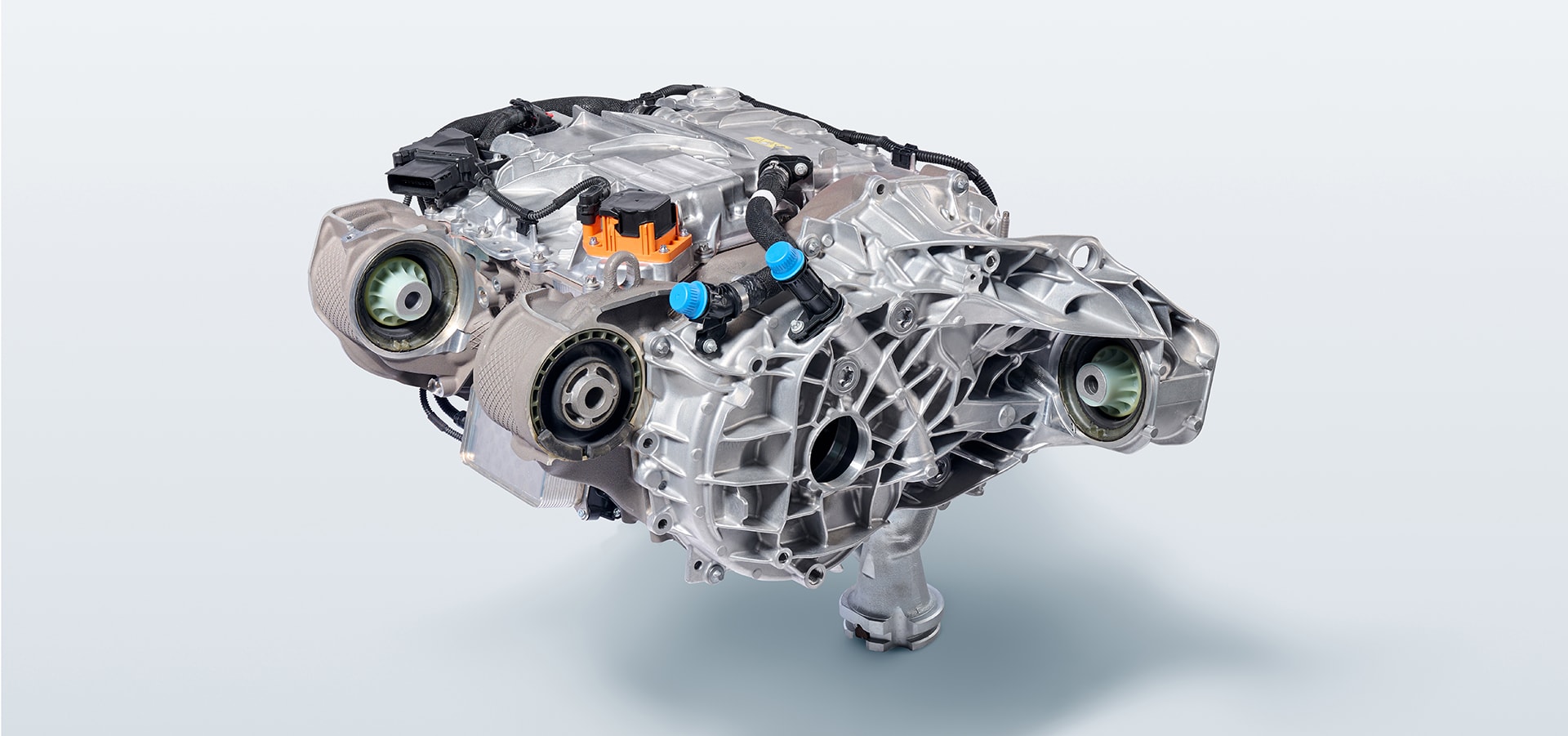
In August, the BMW Group's Plant Steyr in Austria started producing the electric motors for its Neue Klasse EVs. The sixth-generation BMW eDrive is the first all-electric drivetrain that will be built at Steyr, and Steyr is BMW’s first production site for the Gen6 electric motor. In preparation, BMW announced in 2022 that, by 2030, the automaker would invest over a billion euros in the Steyr location to expand development and production expertise for electric motors.

“Three years ago, we announced that we would build this electric motor in Steyr. Today, we are proud to deliver it,” said Klaus von Moltke, SVP of engine production for BMW AG and plant director at Steyr, said in a statement. “What we are launching here today is more than just a production ramp-up. It is a firm commitment to Europe, to technology and to the future.”
BMW has, unsurprisingly, improved the tech in the sixth-generation BMW eDrive (Gen6) for the EVs that will use the company’s new 800-volt vehicle architecture. There’s an updated silicon carbide (SiC) power converter integrated into the electric motor housing and the two-stage spur gearbox was improved with a physical redesign, better cooling and reduced friction.
“Energy loss is reduced by 40%, costs by 20%, and weight by 10%. All this makes a significant contribution to the approximately 20% increase in overall vehicle efficiency”, Martin Kaufmann, SVP of global powertrain development at BMW AG, said in a statement.“ The efficient design of the powertrain, together with the high energy content of the high-voltage battery, enable a range of up to 800 km (WLTP, 497 miles) in the BMW iX3, the first model of the Neue Klasse.”

BMW will make the rotor, stator, transmission, and power converter for the new Gen6 motor at Plant Steyr. BMW needed to create a new in-house clean-room environment at Steyr to build the power converters. Meanwhile, the housings for the electric motor are cast at the BMW Plant Landshut aluminum foundry.
Almost 5,000 people work at Plant Steyr, which opened its doors over 40 years ago and has built around half of the engines used in all BMW and MINI vehicles today. To prepare for the Neue Klasse’s electric engine production, BMW upgrades Plant Steyr by modernizing buildings and re-engineering its processes. The automaker said around 1,000 employees will work in the new electric engine assembly section, but if EV demand remains strong enough, half of Steyr’s workforce could shift over to e-mobility efforts in the medium term. BMW said Plant Steyr will continue to make diesel and gasoline engines alongside the new Gen6 motors.
“Technology openness is our strength,” Klaus von Moltke, head of engine production at BMW AG and plant director at Steyr, said in a statement. “It gives us the necessary flexibility to secure long-term jobs. Steyr will remain the heart of our drivetrain expertise, both for combustion engines and electromobility.”
More From SAE Media Group
Automotive Engineering
SAE WCX 2022: Driveline Flexibility Is Key for Electrification
Automotive Engineering
Porsche Names First-Ever Electric Car: ‘Taycan’
Off-Highway Engineering
Mercedes-Benz Details All-New Platform for EV Vans
Automotive Engineering
BorgWarner Demos Next-Step Electrification Components
Automotive Engineering
Electrification Brings Supplier Value Closer to Home
Automotive Engineering
CES 2021: Magna Execs Warn of Impending EV Complexities
Automotive Engineering
Schaeffler Heads Back to CES with New Acquisition, Capabilities
Automotive Engineering
BorgWarner Integrated Drive Module in Testing Phase
Automotive Engineering
Making the Torque-Transfer Transition
Automotive Engineering
Tuning the 2024 Corvette E-Ray for Exceptional Drivability
Automotive Engineering
Schaeffler ‘On a Journey’ of Propulsion Transformation
Automotive Engineering
GKN Demos ETwinster, World’s-First 2-Speed Torque-Vectoring BEV Transmission
Automotive Engineering
Mazda’s 2024 CX-90 Offers Turbo I-6, PHEV Propulsion
Automotive Engineering
Suppliers Prepare for a Drop in EV Market Share
Automotive Engineering
The EV Tech of BMW’s Neue-Klasse IX3
Automotive Engineering
Mahle Prepares for First Passenger Car E-Motor Application
Automotive Engineering
Mercedes-Benz EQS Concept: The S-Class of Electric Vehicles?
Automotive Engineering
Hyundai Details First EV-Dedicated Vehicle Architecture
Automotive Engineering
ZF Introduces Complete E-Drive System for Passenger, Commercial Vehicles
Off-Highway Engineering
Hybrids Are Having a Moment
Automotive Engineering
Jeep Engineers a Wrangler EV with Manual Gearbox
Automotive Engineering
E-Axles Speed Electrification
Automotive Engineering
Bosch’s EV Efficiency Upgrade: Continuously Variable Transmissions
Automotive Engineering
Schaeffler Debuts New Mover Concept at Detroit Symposium
Automotive Engineering
ZF Shifts EV Transmission Efficiency up a Gear
Automotive Engineering
SAE Launches New Standards Document to Rate Power of Electrified Vehicles
Automotive Engineering
Extending the ICE Age: FCA’s Micky Bly Is Amped on Electrification
Automotive Engineering
Do AWD EVs Need Two Motors? GKN Does the Math.
Automotive Engineering
Mahle Shows Urban Mobility Concept
Off-Highway Engineering
Truckin’ on Hydrogen
Top Stories
NewsRF & Microwave Electronics
 Microvision Aquires Luminar, Plans Relationship Restoration, Multi-industry Push
INSIDERAerospace
 A Next Generation Helmet System for Navy Pilots
INSIDERDesign
 New Raytheon and Lockheed Martin Agreements Expand Missile Defense Production
INSIDERMaterials
 How Airbus is Using w-DED to 3D Print Larger Titanium Airplane Parts
NewsPower
 Ford Announces 48-Volt Architecture for Future Electric Truck
ArticlesAR/AI

Webcasts
Electronics & Computers
 Cooling a New Generation of Aerospace and Defense Embedded...
Automotive
 Battery Abuse Testing: Pushing to Failure
Power
 A FREE Two-Day Event Dedicated to Connected Mobility
Unmanned Systems
 Quiet, Please: NVH Improvement Opportunities in the Early Design Cycle
Automotive
 Advantages of Smart Power Distribution Unit Design for Automotive &...
Energy
 Sesame Solar's Nanogrid Tech Promises Major Gains in Drone Endurance