




Automotive Engineering - March 2018
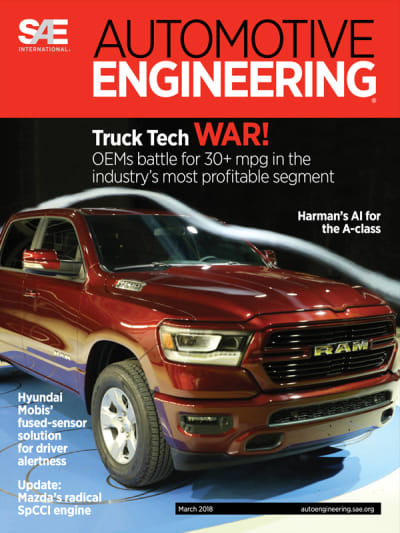
Inside this issue
Supplements

Overview
The March 2018 issue of Automotive Engineering presents a comprehensive overview of the latest trends, technologies, and insights in the automotive industry. This issue is particularly focused on advancements in automated driving technology, the integration of innovative components like heads-up displays (HUDs), and the role of multiphysics simulation in enhancing vehicle safety and performance.
Editorial Insights: The editorial section, led by Bill Visnic, emphasizes the importance of hands-on experience with the latest vehicles to understand the rapid advancements in automated driving technologies. The editorial team, including Lindsay Brooke and Ryan Gehm, highlights the ongoing evolution in automotive engineering and the need for professionals in the field to stay informed about these changes.
Key Features: One of the standout features of this issue is the exploration of heads-up displays (HUDs) and their critical role in improving driver safety. HUDs project essential information directly onto the windshield, allowing drivers to access data without taking their eyes off the road. This technology is particularly relevant as the industry moves towards higher levels of automation, where maintaining driver awareness is crucial.
The issue delves into the technical aspects of HUDs, focusing on the use of MEMS (Micro-Electro-Mechanical Systems) micromirrors. These components are vital for the effective functioning of HUDs, as they enable precise control of light and image projection. The article discusses how multiphysics simulation plays a significant role in the design and optimization of these micromirrors, taking into account various factors such as thermal effects and viscous damping. This simulation process ensures that the micromirrors perform optimally under different conditions, enhancing the overall effectiveness of HUDs.
Industry Trends: The magazine also covers broader industry trends, including the push towards electrification and the development of autonomous vehicles. As manufacturers strive to meet regulatory requirements and consumer demand for greener technologies, the shift towards electric vehicles (EVs) is becoming more pronounced. The issue discusses the challenges and opportunities associated with this transition, including battery technology advancements and the infrastructure needed to support EVs.
Additionally, the magazine highlights the importance of collaboration between automotive manufacturers and technology companies. As vehicles become more connected and automated, partnerships with tech firms are essential for developing the software and hardware needed to support these innovations. The issue features insights from industry leaders on how these collaborations are shaping the future of automotive engineering.
Safety and Regulations: Safety remains a top priority in the automotive industry, and this issue addresses the regulatory landscape surrounding automated driving technologies. As more vehicles are equipped with advanced driver-assistance systems (ADAS), regulatory bodies are working to establish guidelines that ensure these technologies are safe and effective. The magazine provides an overview of current regulations and discusses the implications for manufacturers as they develop new technologies.
Reader Engagement: The magazine encourages reader engagement by inviting feedback and comments on its content. The editorial team expresses appreciation for reader input, emphasizing the importance of community in the automotive engineering field. This approach fosters a collaborative environment where professionals can share insights and experiences.
Conclusion: In summary, the March 2018 issue of Automotive Engineering serves as a valuable resource for professionals in the automotive industry. It provides in-depth coverage of the latest technologies, industry trends, and regulatory developments, with a particular focus on the role of HUDs and MEMS micromirrors in enhancing driver safety. The issue underscores the importance of staying informed and engaged in a rapidly evolving field, making it a must-read for anyone interested in the future of automotive engineering.
Features
Regulars
-
Supplier Eye
-
What We're Driving
-
Technology Reports
California ZEV Law Gets Simpler, More Challenging
Saving EV Transmission Energy and Costs
Stories
-
News
Rolls-Royce Sees a Future in Connected Engines
Muñoz, 2018 SAE Foundation Honoree, Discusses Importance of STEM Education
-
Features
Bioprivacy: Designing for a Moving Target
Reinventing the Automobile’s Design
When Steering Isn’t Steering Anymore
Autonomy and Electrification: A Perfect Match?
Who’s Ahead in the Automated-Driving Race?
GM’s Self-Driving Car Strategy: Vertical Integration
Top Stories
INSIDERManufacturing & Prototyping
 How Airbus is Using w-DED to 3D Print Larger Titanium Airplane Parts
INSIDERManned Systems
 FAA to Replace Aging Network of Ground-Based Radars
NewsTransportation
 CES 2026: Bosch is Ready to Bring AI to Your (Likely ICE-powered) Vehicle
NewsSoftware
 Accelerating Down the Road to Autonomy
EditorialDesign
 DarkSky One Wants to Make the World a Darker Place
INSIDERMaterials
 Can This Self-Healing Composite Make Airplane and Spacecraft Components Last...
Webcasts
Defense
 How Sift's Unified Observability Platform Accelerates Drone Innovation
Automotive
 E/E Architecture Redefined: Building Smarter, Safer, and Scalable...
Power
 Hydrogen Engines Are Heating Up for Heavy Duty
Electronics & Computers
 Advantages of Smart Power Distribution Unit Design for Automotive...
Unmanned Systems
 Quiet, Please: NVH Improvement Opportunities in the Early Design...
