




BorgWarner Prepares Manual Gearchange for ADAS Vehicles
Can manual transmissions live with ADAS? BorgWarner engineers are hopeful they can.
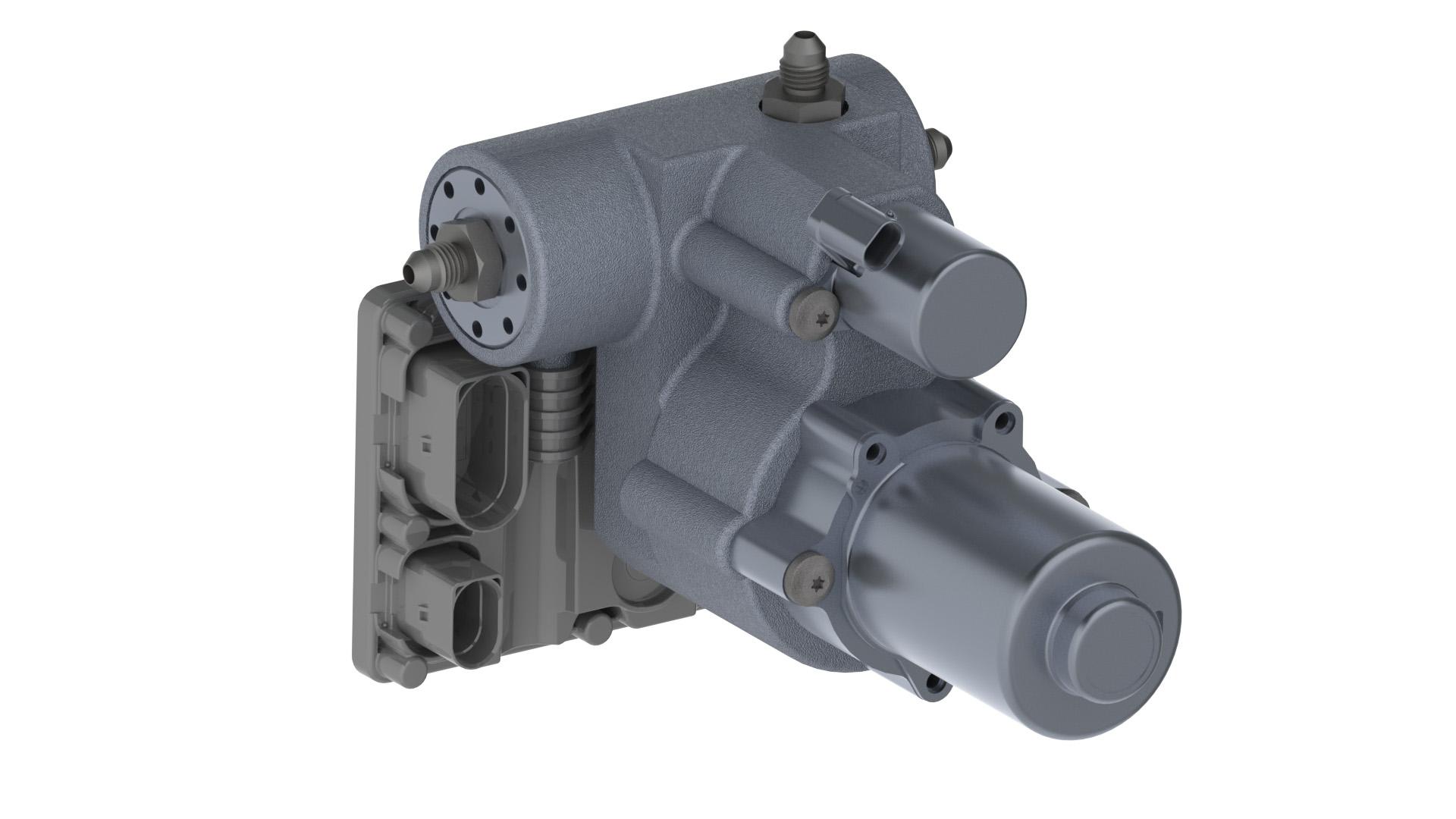
Electrification was supposed to spell death for the manual transmission. The same has been said for manuals and automated driving systems. But BorgWarner is in the final stages of developing a new clutch-automation technology that allows electrification with a Manual transmission.
Known as the Active Manual Transmission Clutch, or AMTC, the clever technology employs an actuator and electronic controls to provide “sailing” functionality for increased fuel economy and lower emissions without giving up the traditional-shift experience.

“We have demonstrator vehicles running around in Europe with such a system,” noted Brad LaFaive, Vice President, Sales, Transmission Systems. Some applications retain the clutch pedal and hydraulic operation. “But we have controls that override that for ‘sailing’ and for stop-start maneuvers, or to avoid wearing out your left leg in heavy stop-and-go traffic.”
He said BorgWarner has an OEM interested in the application and the system is currently in advanced development. Both wet and dry clutches are being evaluated.
BorgWarner is expected to show new propulsion technologies for combustion, hybrid and electric vehicles at the 2017 IAA in Frankfurt. The AMTC is among the company's new portfolio of electrified driveline technologies (see Positioning for Hybrid Growth).
Integrating a manual transmission for automated driver assistance systems, admittedly not a simple task, is also under development. “One of the beauties of the automated clutch is it can intervene in an emergency event; we’re in the process of trying to implement that,” reported Joel Maguire, the company's Director of Electrification, Advanced Engineering.
While the BorgWarner control algorithms and friction material will be necessarily sophisticated to enable features like sailing and automatic launches, Maguire noted that the system also needs to be “smart” and able to interface with the autonomous emergency braking system to open the clutch upon an emergency road event and allow the vehicle to be stopped safely, while allowing the driver to immediately drive out of harm’s way.
This same situation with a traditional manual transmission would have resulted in a stalled engine and a delay in restarting the engine in order to recover and move out of harm’s way.
Maguire said his engineers have "some interesting solutions" on the way.
More From SAE Media Group
Off-Highway Engineering
Forward-Looking Lidar Can Revolutionize Driver-Assistance Systems
Automotive Engineering
SAE Publishes Terminology Standard for Automated Driving Systems
Automotive Engineering
Integrated Electronic Stability Control

Off-Highway Engineering
Autonomous Trucking Tech Hits High Gear
Automotive Engineering
CES 2025 Preview: All the Tech That’s Fit to Print
Automotive Engineering
Cameras Are Focal Point at ZF TRW's New Global Tech Center in Michigan
Automotive Engineering
JLR Sheds Light on R&D Projects in Advanced HMI, Automated Driving
Automotive Engineering
Nissan's ProPILOT Assist Is More Than Lane-Keeping
Autonomous Vehicle Engineering
Platform-Agnostic Interface Aims to Accelerate Truck Autonomy
Automotive Engineering
Intel Inside the Cloud-Based Data Future
Off-Highway Engineering
Level 1 Automated Driving Coming to Class 8 Truck Fleets
Autonomous Vehicle Engineering
Predicting the Road to Efficiency
Off-Highway Engineering
Daimler Truck and Torc Intensify Pursuit of Autonomous Trucks
Automotive Engineering
Positioning for Hybrid Growth
Automotive Engineering
Harman Advanced Concept Brings Intuitive HMI to Automated Driving
Automotive Engineering
Nader: Are Glitch-Free Autonomous Vehicles Possible?
Automotive Engineering
Subaru Uses ANSYS Tools to Accelerate Hybrid Vehicle Design
Automotive Engineering
Sensor Fusion Expanding in Step with Advancing Vehicle Sophistication
Automotive Engineering
GKN's New Two-Speed EAxle Powers BMW I8
Automotive Engineering
BEV-Agnostic’ Systems Require Attention
Automotive Engineering
ZF and Hella Launch Sensor-Systems Development Partnership
Autonomous Vehicle Engineering
Why Car Washes Threaten Automated Vehicles
Off-Highway Engineering
Peloton Develops a Level 4 Automated Platooning System, but Keeps the Driver in Charge
ADAS & Autonomous Vehicle Engineering
Tesla’s FSD Recall Impacts AV Industry
Automotive Engineering
Powertrain Sensors Add Functions, Help Reduce Wiring
Automotive Engineering
Continental Demonstrates New Sensing Technologies for SAE Level 4 Capability
Automotive Engineering
Are Today’s Sensors Ready for Next-Level Automated Driving?
Automotive Engineering
AVSC Develops Best Practices for Traceable AV Safety Inspection Protocols
Automotive Engineering
Ford Scores Greater Autonomous Capability with New Velodyne Ultra Puck LiDAR
Top Stories
INSIDERManufacturing & Prototyping
 How Airbus is Using w-DED to 3D Print Larger Titanium Airplane Parts
INSIDERManned Systems
 FAA to Replace Aging Network of Ground-Based Radars
NewsTransportation
 CES 2026: Bosch is Ready to Bring AI to Your (Likely ICE-powered) Vehicle
NewsSoftware
 Accelerating Down the Road to Autonomy
EditorialDesign
 DarkSky One Wants to Make the World a Darker Place
INSIDERMaterials
 Can This Self-Healing Composite Make Airplane and Spacecraft Components Last...
Webcasts
Defense
 How Sift's Unified Observability Platform Accelerates Drone Innovation
Automotive
 E/E Architecture Redefined: Building Smarter, Safer, and Scalable...
Power
 Hydrogen Engines Are Heating Up for Heavy Duty
Electronics & Computers
 Advantages of Smart Power Distribution Unit Design for Automotive...
Unmanned Systems
 Quiet, Please: NVH Improvement Opportunities in the Early Design...
