




QinetiQ Technology the Driver Behind ESA Space Taxi

QinetiQ supplied the onboard computer that guided the European Space Agency’s IXV spaceplane safely back to Earth after its maiden test flight on February 11. The IXV (Intermediate eXperimental Vehicle) represents ESA’s goal to develop a reusable autonomous vehicle for future space transportation. IXV lifted off from Europe’s Spaceport in Kourou, French Guiana, atop a Vega rocket. It separated from Vega at an altitude of 340 km and continued up to 412 km.
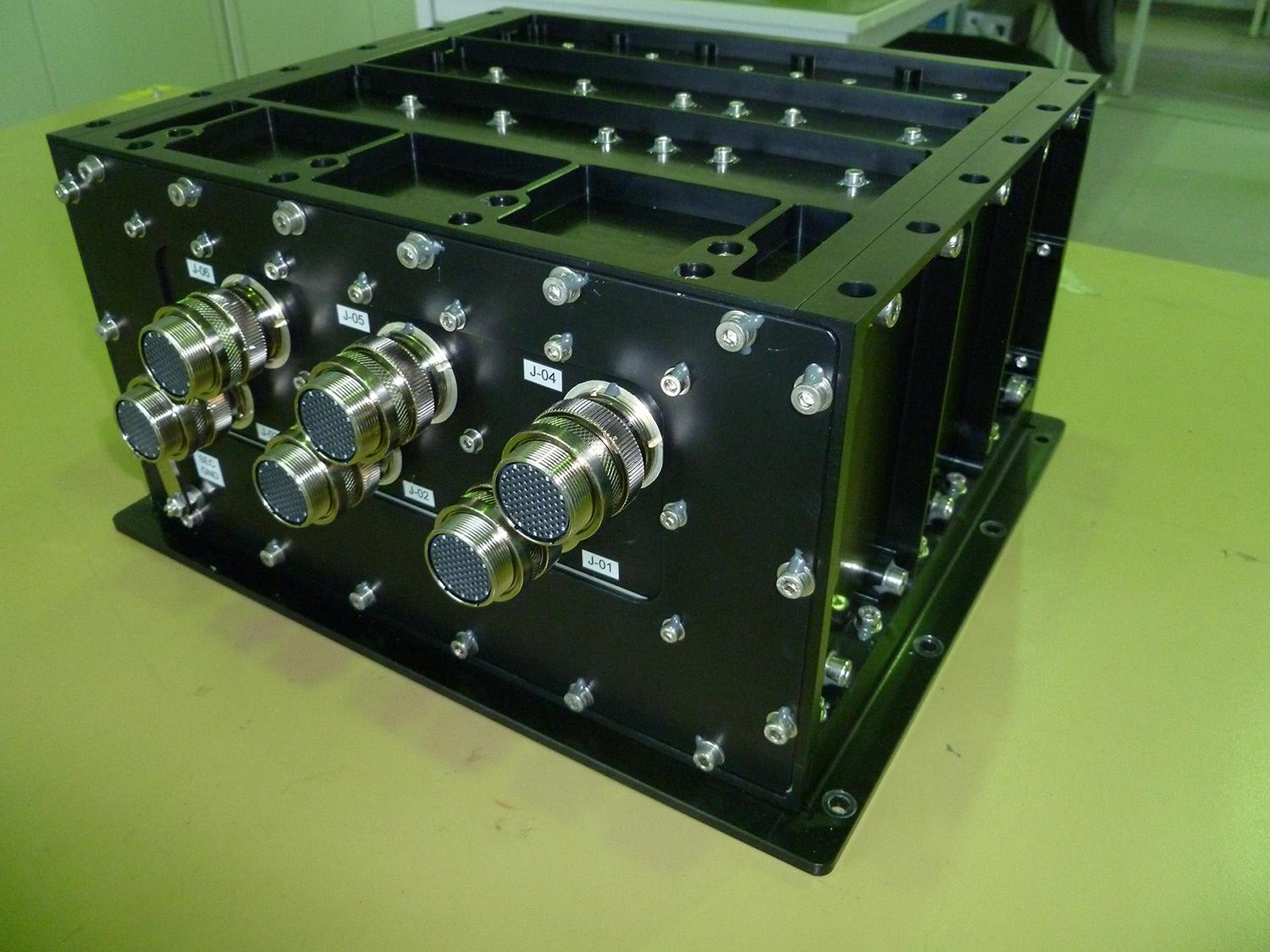
The flight control system provided the spacecraft with the intelligence necessary for a safe return flight, calculating the optimum angle for re-entering the atmosphere and making a controlled landing possible. QinetiQ was commissioned for the ESA project by the IXV's prime contractor, Thales Alenia Space.
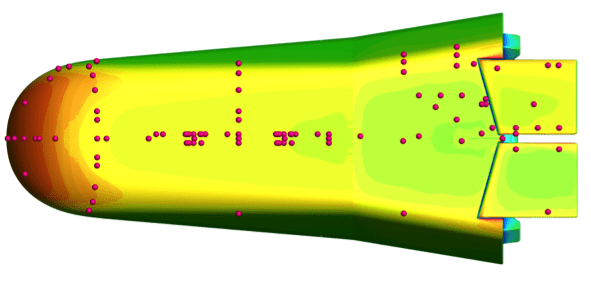

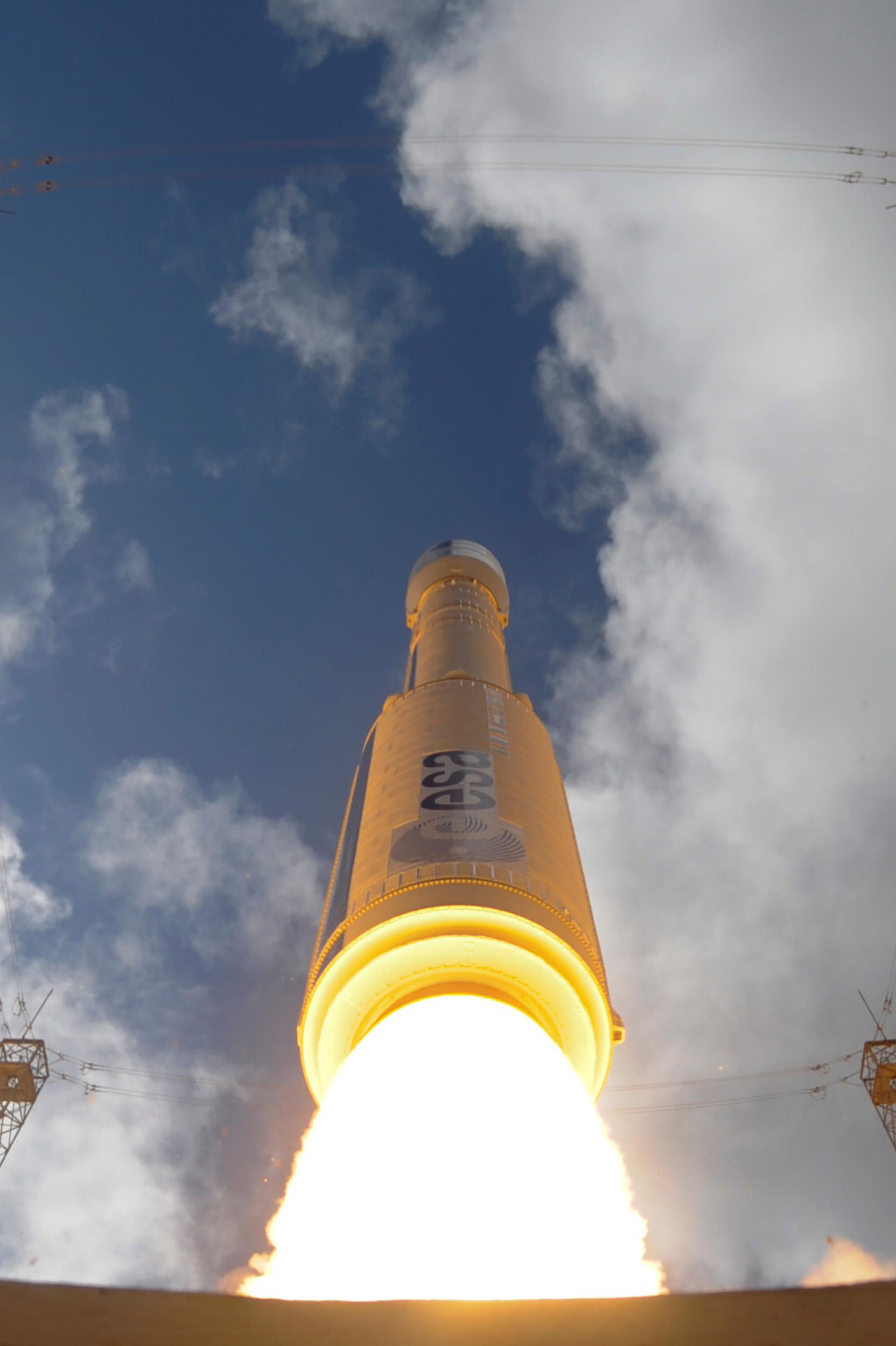
“We were selected thanks to our strong track record in the development of similar systems,” said Koen Puimège, Business Development Manager for QinetiQ’s space business. “Guiding a spacecraft through its critical re-entry phase is never a simple task. As it hits the atmosphere at 27,000 km/h, experiencing temperatures of up to 1800°C, the craft must maintain the perfect angle and trajectory or risk breaking into pieces. The parachute and flotation devices must deploy at the right times and valuable data must be collected, communicated, and stored.”
As it descended, the 5-m long, 2-t spacecraft maneuvered to decelerate from hypersonic to supersonic speed. A very high level of reliability was required to ensure the computer operated effectively throughout the mission.
“The mission’s short duration meant there would be no time to reconfigure mid-flight during critical phases, so we developed a computer with a reliability rate of 99.997%,” said Puimège. “It was also essential that the backup systems react quickly, so we ensured a reboot could take place in nine seconds, compared to the 60 seconds typical for the reboot of a satellite control system.”
Because the re-entry of the IXV through the atmosphere did not allow for the use of solar panels to generate power, all power for the 100-min flight had to be provided by a single pre-charged battery.
“To avoid draining the battery, the computer, which is always on throughout the entire mission, must work as efficiently as possible,” said Puimège. “We designed IXV’s [computer] to operate on just 7 W of power. To put this into context, a home computer typically consumes between 65 and 250 W and a standard computer for a big satellite around 30 W.”
Despite its low energy requirements, low mass, and small size, the IXV computer needed to produce enough calculating power to simultaneously coordinate many crucial tasks.
“A typical spacecraft computer processes 10 million instructions per second (10 MIPS), while the IXV computer ran at five times that, delivering 50 MIPS,” said Puimège. “The computer responsible for the early Apollo missions generated around 2 MIPS.”
For the Vega rocket to overcome the Earth’s gravitational pull and set IXV on its suborbital path, the mass of everything on that entailed the craft had to be kept to a minimum. “The IXV computer is based on technology we developed for ESA’s tiny Proba-2 satellite, meaning it weighs in at less than 7 kg,” said Puimège. “In addition, the IXV vehicle was designed, for cost efficiency reasons, to be approximately 10 times smaller than the U.S. Space Shuttle, so everything had to be scaled down to meet that objective.”
IXV could be a suitable alternative to expensive space missions in the future, transporting cargo as well as astronauts into space and back again. Possible future uses include increasing the lifespan of existing satellites, Earth monitoring, testing new technologies, and performing fundamental research in space.
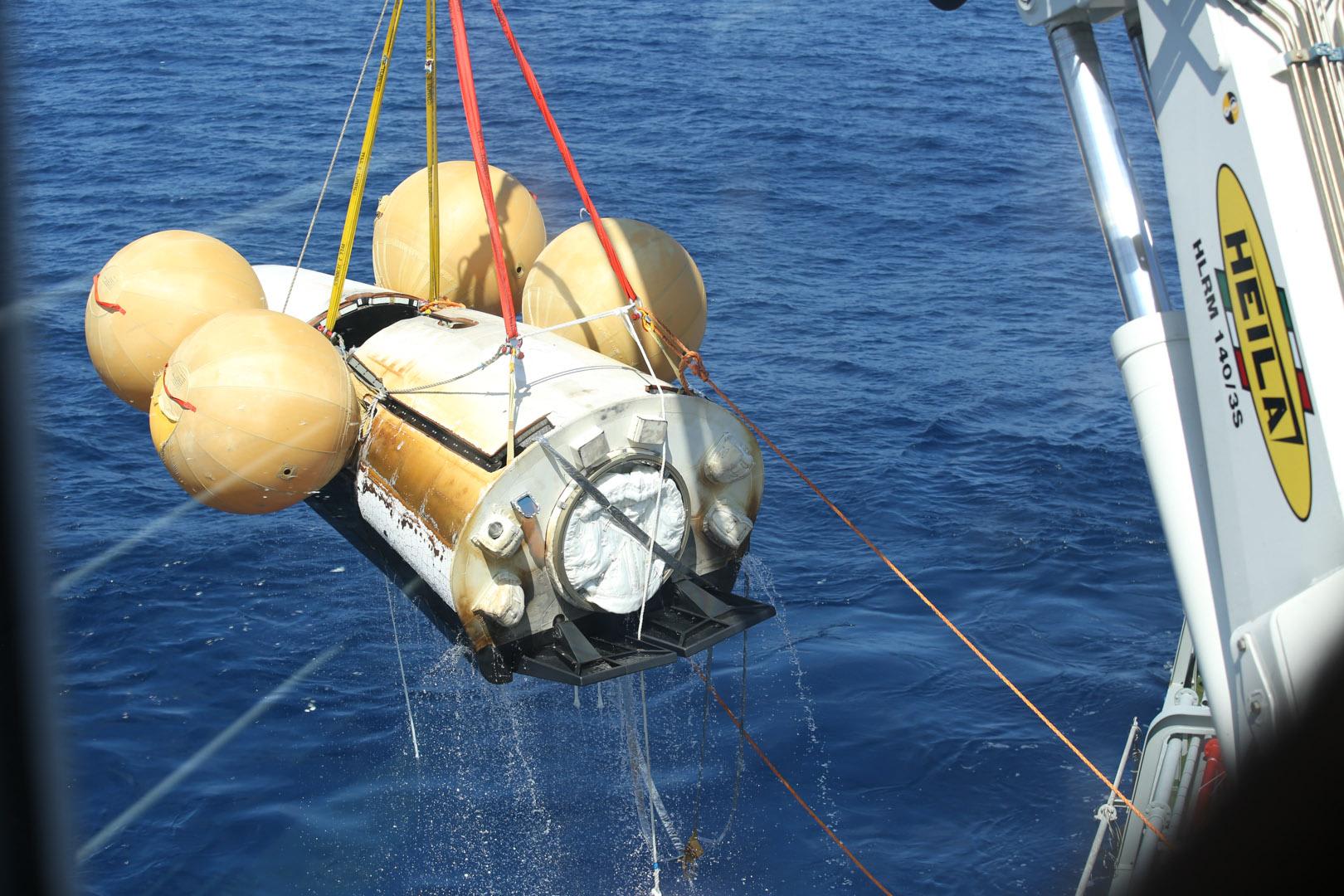
Upon re-entry, the IXV recorded a vast amount of data from more than 300 advanced and conventional sensors. The initial results from the flight are expected to be released sometime in April. It is expected the results will feature large in the Program for Reusable In-Orbit Demonstrator for Europe (PRIDE), which is being studied under funding approved at the Ministerial Conference in December 2014. The reusable PRIDE spaceplane would be launched on Vega, orbit, and land automatically on a runway. Early studies point to it having a winged body, making it guidable through various atmospheric environments.
More From SAE Media Group
Aerospace & Defense Tech Briefs
NASA Budget Amendment to Help Send Americans to Moon by 2024, Then Mars
Aerospace & Defense Tech Briefs
AVIO Engineers Evolve Vega Rocket Design, Enhance Avionics and Propulsion
Aerospace & Defense Tech Briefs
JAXA Launches HTV7 Unmanned Cargo Spacecraft on Resupply Mission to ISS
Aerospace & Defense Tech Briefs
Stratolaunch All-Composite Aircraft Achieves First Flight
Aerospace & Defense Tech Briefs
U.K. Space Agency Partners with Industry to Advance Spaceflight Program
Aerospace & Defense Tech Briefs
Orbex Debuts Innovative Smallsat Launch Vehicle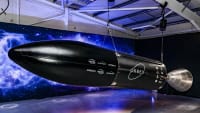
Aerospace & Defense Tech Briefs
New Zealand and LeoLabs Establish the First Low-Earth Orbit Regulatory Platform
Aerospace INSIDER
Boeing X-37B Latest Mission Tests Quantum Inertial Sensor in Space
Aerospace & Defense Tech Briefs
First Lockheed Martin-Built GPS III Ready for System-Level Testing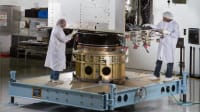
Aerospace & Defense Tech Briefs
Lockheed Martin Ships AEHF Satellite in Advance of ULA Rocket Launch
Aerospace & Defense Tech Briefs
Rocket Engine Technology
Aerospace & Defense Tech Briefs
NASA Invests in Aerospace Start-Up, University Projects on CubeSat Platform
Aerospace INSIDER
Euclid Space Telescope Begins Mission to Study Dark Energy and Matter
Tech Briefs
Building Technology to Clean Up Space
Aerospace & Defense Tech Briefs
Iridium, Aireon, SpaceX Celebrate Satellite Launch, System Deployment
Aerospace & Defense Tech Briefs
Lockheed Martin’s “Non-Operational” Space Fence Detects Indian Anti-Satellite Operations While Still in Test Mode
Aerospace & Defense Tech Briefs
In-Orbit Commercial Spacecraft Undocking
Aerospace & Defense Tech Briefs
Aircraft, Engine Orders Reach $98B, Focus on Flying Farther, Faster, Greener at Farnborough Airshow
Aerospace & Defense Tech Briefs
JAXA MINERVA-II1 Rovers Achieve Asteroid Landing, Autonomy, Image and Data Capture
Aerospace INSIDER
DARPA Teams With Industry to Create Spaceplane
Aerospace & Defense Tech Briefs
Three Times More Power Density the Charm for Lockheed Martin Cooling System
Aerospace & Defense Tech Briefs
Honeywell Acquires TruTrak and Expands General Aviation Avionics Portfolio
Aerospace & Defense Tech Briefs
Abaco’s FORCE2 Flight Computer Enables National and International Ground Control Station Certification
Aerospace & Defense Tech Briefs
Battery Technology Is Still the Key Barrier to Better Urban Air Mobility

Aerospace & Defense Tech Briefs
NASA, Boeing, SpaceX to Launch ‘New Era in Human Spaceflight’
Aerospace & Defense Tech Briefs
New Zealand Will Become a Testbed for Airbus Unmanned Aircraft and Space Technology
Tech Briefs
Spacecraft to Remove Orbital Debris
Top Stories
INSIDERManufacturing & Prototyping
 How Airbus is Using w-DED to 3D Print Larger Titanium Airplane Parts
INSIDERManned Systems
 FAA to Replace Aging Network of Ground-Based Radars
NewsTransportation
 CES 2026: Bosch is Ready to Bring AI to Your (Likely ICE-powered) Vehicle
NewsSoftware
 Accelerating Down the Road to Autonomy
EditorialDesign
 DarkSky One Wants to Make the World a Darker Place
INSIDERMaterials
 Can This Self-Healing Composite Make Airplane and Spacecraft Components Last...
Webcasts
Defense
 How Sift's Unified Observability Platform Accelerates Drone Innovation
Automotive
 E/E Architecture Redefined: Building Smarter, Safer, and Scalable...
Power
 Hydrogen Engines Are Heating Up for Heavy Duty
Electronics & Computers
 Advantages of Smart Power Distribution Unit Design for Automotive...
Unmanned Systems
 Quiet, Please: NVH Improvement Opportunities in the Early Design...
