




AT&T, Airbiquity Team up for Connected-Vehicle Services
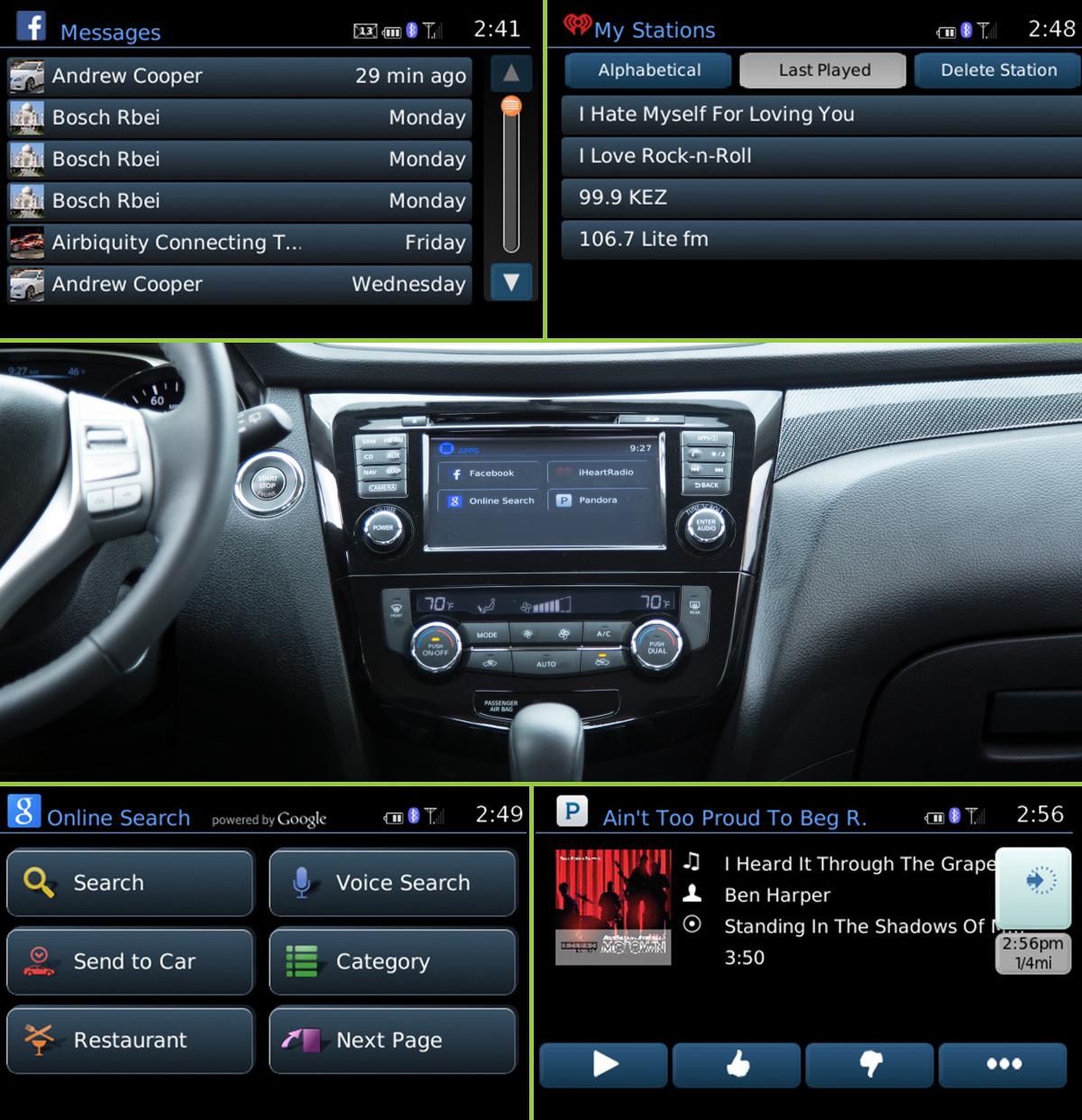
AT&T is broadening its efforts to tap into the burgeoning connected-car market by inking a multi-year agreement with Airbiquity. The union will help AT&T provide a single technology for global vehicles.
AT&T will use Airbiquity’s Choreo, a cloud-based services-delivery platform that facilitates end-user registration and device management. Choreo lets OEMs pick various telematics offerings to create a complete feature set, making it straightforward to develop a range of offerings for various vehicles and models.
The agreement highlights the role of globalization for the evolving telematics world. As connected vehicles become more common, automakers want to consolidate their offerings.
“Going forward, OEMs want to offer a worldwide footprint, not a number of regional options,” said David Jumpa, Chief Revenue Officer at Airbiquity. “Telematics developed so rapidly that decisions were often made regionally. One automaker has five suppliers for six regions. That makes it harder for them to provide support.”
Though Airbiquity is a small company compared to AT&T, it’s got a bigger footprint in automotive. Airbiquity works with OEMs including Nissan, Ford and Fiat Chrysler, and it has arrangements with a number of companies throughout the telematics field. Partnerships have become a major factor for connected vehicles, since no one company currently offers everything needed to address vehicle connectivity.
“The IT suppliers have no experience in connected vehicles, but they need to work with Tier 1s, wireless carriers, and the operating system guys,” Jumpa said. “We have experience that lets us compete with large companies like IBM; we have brought 5 million vehicles up.”
Global telematics revenues are predicted to soar to roughly $20 billion by 2018 after hitting $8 billion in 2013, according to Juniper Research.
More From SAE Media Group
Automotive Engineering
Sharpening the Focus on OBD-II Security
Automotive Engineering
SAE Publishes Terminology Standard for Automated Driving Systems
Automotive Engineering
Integrated Electronic Stability Control
Automotive Engineering
Broader Data Sharing for Connected Transportation Will Require Widespread Collaboration
Automotive Engineering
Autonomous Vehicle Challenge Ramps up Competition at Convergence
Automotive Engineering
CES 2017: Automotive Suppliers Eclipsing OEMs in Advanced Tech
Automotive Engineering
ZF and Hella Launch Sensor-Systems Development Partnership
Automotive Engineering
Ford Scores Greater Autonomous Capability with New Velodyne Ultra Puck LiDAR
Automotive Engineering
Nissan's ProPILOT Assist Is More Than Lane-Keeping
Automotive Engineering
OEMs Continue to Diversify MaaS, Expand UX
Off-Highway Engineering
Mercedes-Benz Bills 3rd-Gen Sprinter as First Holistic Mobility Solution
Automotive Engineering
SAE Convergence 2016: Automakers, Suppliers Firm That Autonomous Driving Not Decades Away
Automotive Engineering
Google Goes Hands- and Feet-Free in Pursuit of Driverless Cars
Automotive Engineering
Magna Safety Systems Give Parents "Eyes in the Back of Their Heads"
Automotive Engineering
NAIAS 2017: Yanfeng Shows Concept Interior for Autonomous Driving
Automotive Engineering
New Alliance to Bring Android Platform to the Car
Autonomous Vehicle Engineering
Why Car Washes Threaten Automated Vehicles
Automotive Engineering
Car Sickness, Occupant Seating and Politics Will Shape Autonomous Vehicle Interiors
Automotive Engineering
Chrysler 200 Sport Mode Balances Performance with Safety
Automotive Engineering
Ford SmartLink Brings Wireless Connectivity to Older-Model Vehicles
Automotive Engineering
Ford Expands ‘Split-View’ Camera Applications in SUVs, Trucks
Automotive Engineering
2017 Ford Escape Gains Major NVH, Powertrain, Connectivity Upgrades
Automotive Engineering
‘Supercars’ and Character Are Critical in the Autonomous Future
Automotive Engineering
J.D. Power Loud and Clear About Voice Recognition Technology's Flaws


Off-Highway Engineering
Forward-Looking Lidar Can Revolutionize Driver-Assistance Systems
Automotive Engineering
Daimler and Uber Team up to Bring More Self-Driving Cars to the Road
Off-Highway Engineering
Peloton Develops a Level 4 Automated Platooning System, but Keeps the Driver in Charge
Automotive Engineering
Ford Promises Full-Autonomous Car in 2021
Top Stories
INSIDERManufacturing & Prototyping
 How Airbus is Using w-DED to 3D Print Larger Titanium Airplane Parts
INSIDERManned Systems
 FAA to Replace Aging Network of Ground-Based Radars
NewsTransportation
 CES 2026: Bosch is Ready to Bring AI to Your (Likely ICE-powered) Vehicle
NewsSoftware
 Accelerating Down the Road to Autonomy
EditorialDesign
 DarkSky One Wants to Make the World a Darker Place
INSIDERMaterials
 Can This Self-Healing Composite Make Airplane and Spacecraft Components Last...
Webcasts
Defense
 How Sift's Unified Observability Platform Accelerates Drone Innovation
Automotive
 E/E Architecture Redefined: Building Smarter, Safer, and Scalable...
Power
 Hydrogen Engines Are Heating Up for Heavy Duty
Electronics & Computers
 Advantages of Smart Power Distribution Unit Design for Automotive...
Unmanned Systems
 Quiet, Please: NVH Improvement Opportunities in the Early Design...
