




New Alliance to Bring Android Platform to the Car

Audi, General Motors, Google, Honda, Hyundai, and Nvidia have joined together to form the Open Automotive Alliance (OAA), a global organization of technology and auto industry leaders committed to bringing Google's Android platform to cars starting in 2014. The OAA is dedicated to a common platform and open development model that, the companies say, will drive innovation and make technology in the car safer and more intuitive. Timing from each automaker will vary, but the first cars with Android integration are expected by the end of the year. “We see huge opportunities for the Android platform paired with OnStar 4G LTE connectivity in future Chevrolet, Buick, GMC, and Cadillac vehicles,” said Mary Chan, President of General Motors’ Global Connected Consumer unit. Said Jen-Hsun Huang, President and CEO of Nvidia: "The car is the ultimate mobile computer. With onboard supercomputing chips, futuristic cars of our dreams will no longer be science fiction. The OAA will enable the car industry to bring these amazing cars to market faster." The Android ecosystem includes more than a billion devices, many of which are powered by Nvidia's mobile processors.
More From SAE Media Group
Automotive Engineering
OEMs Continue to Diversify MaaS, Expand UX
Automotive Engineering
Sharpening the Focus on OBD-II Security
Automotive Engineering
CES 2017: Automotive Suppliers Eclipsing OEMs in Advanced Tech
Automotive Engineering
Nader: Are Glitch-Free Autonomous Vehicles Possible?
Automotive Engineering
Google Goes Hands- and Feet-Free in Pursuit of Driverless Cars
Automotive Engineering
Automakers and Suppliers Crank up Their Interest in Electric Bikes
Automotive Engineering
Car Sickness, Occupant Seating and Politics Will Shape Autonomous Vehicle Interiors
Automotive Engineering
Autonomous Vehicle Challenge Ramps up Competition at Convergence
Automotive Engineering
Nvidia Chipset to Enable Greater Autonomy
Automotive Engineering
2016 SAE Congress: Fear of the Driverless Car as 2020 Approaches
Automotive Engineering
BMW, Honda and Yamaha Form Connected Motorcycle Consortium
Automotive Engineering
‘Supercars’ and Character Are Critical in the Autonomous Future
Automotive Engineering
No Simple Roadmap to Autonomous Cars
Autonomous Vehicle Engineering
Why Car Washes Threaten Automated Vehicles
Automotive Engineering
Nissan's ProPILOT Assist Is More Than Lane-Keeping
Automotive Engineering
Integrated Electronic Stability Control
Automotive Engineering
Continental Shows Next-Generation Highly Automated Car
Automotive Engineering
AT&T, Airbiquity Team up for Connected-Vehicle Services
Automotive Engineering
SAE Convergence 2016: Automakers, Suppliers Firm That Autonomous Driving Not Decades Away
Automotive Engineering
Broader Data Sharing for Connected Transportation Will Require Widespread Collaboration
Automotive Engineering
SAE Publishes Terminology Standard for Automated Driving Systems
Automotive Engineering
Road Rules, a San Francisco Start-Up, Explores World of Car APIs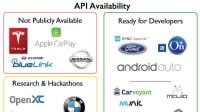
Automotive Engineering
Panasonic Enters Market with Reduced-Size Heads-Up Display
Automotive Engineering
SAE Eye on Engineering Quick Take: Selling Vehicle Data

Automotive Engineering
Voltage Spike at 2017 Frankfurt Auto Show
Automotive Engineering
Renault ARMs Its Twizy EV with Open-Source Architecture
Automotive Engineering
Daimler and Uber Team up to Bring More Self-Driving Cars to the Road
Automotive Engineering
Android, CarPlay Alter Taiwanese Companies' Strategies
Automotive Engineering
Hyundai Controls CO2 Level Inside Genesis Cabin
Top Stories
INSIDERManufacturing & Prototyping
 How Airbus is Using w-DED to 3D Print Larger Titanium Airplane Parts
INSIDERManned Systems
 FAA to Replace Aging Network of Ground-Based Radars
NewsTransportation
 CES 2026: Bosch is Ready to Bring AI to Your (Likely ICE-powered) Vehicle
NewsSoftware
 Accelerating Down the Road to Autonomy
EditorialDesign
 DarkSky One Wants to Make the World a Darker Place
INSIDERMaterials
 Can This Self-Healing Composite Make Airplane and Spacecraft Components Last...
Webcasts
Defense
 How Sift's Unified Observability Platform Accelerates Drone Innovation
Automotive
 E/E Architecture Redefined: Building Smarter, Safer, and Scalable...
Power
 Hydrogen Engines Are Heating Up for Heavy Duty
Electronics & Computers
 Advantages of Smart Power Distribution Unit Design for Automotive...
Unmanned Systems
 Quiet, Please: NVH Improvement Opportunities in the Early Design...
