




Trade-Off for Convenience of Voice Control Is Driver Distraction, Study Says
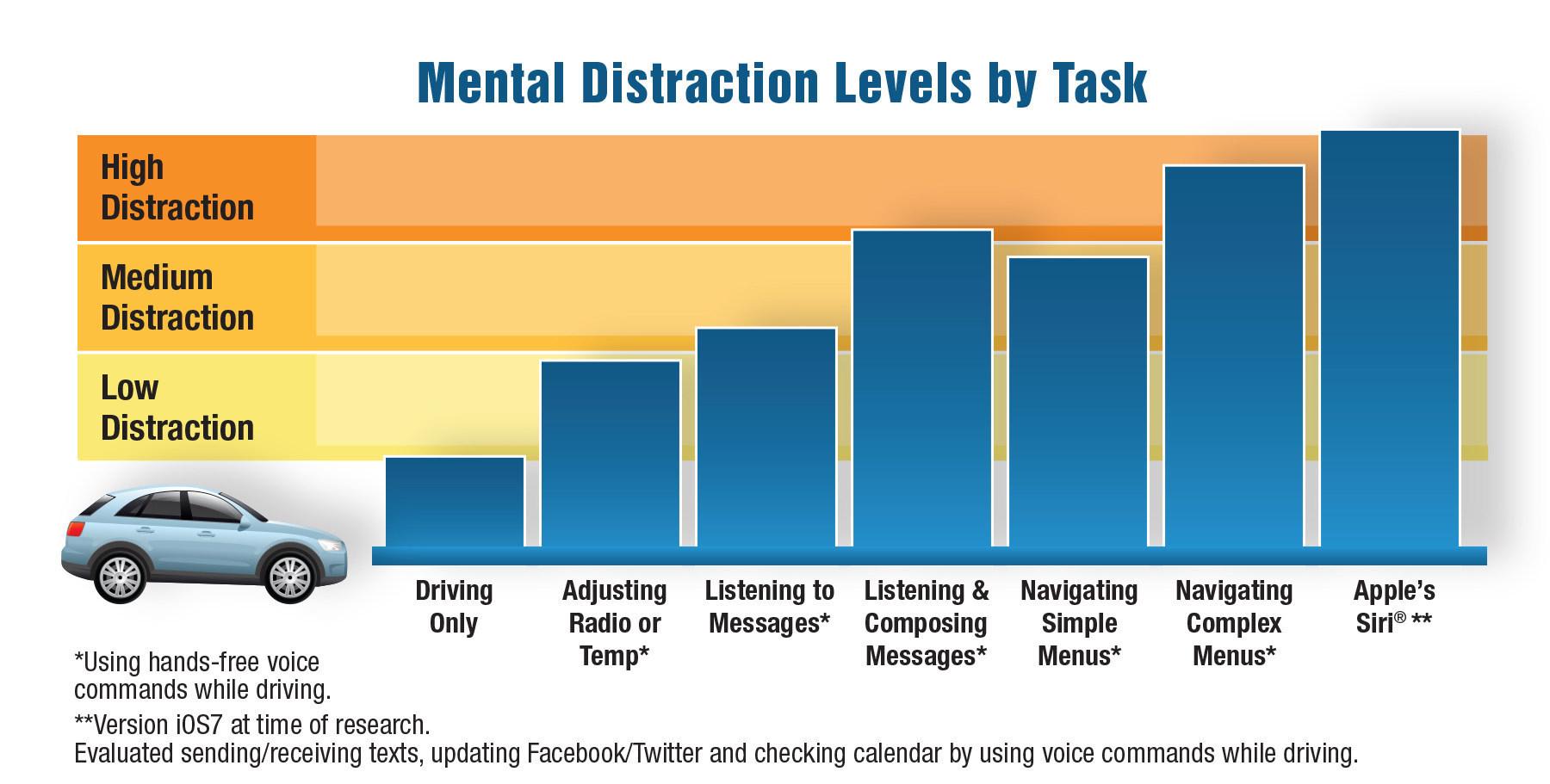
Not all hands-free technologies are alike, and poorly designed ones can increase driver distraction. That was one of the findings of an AAA Foundation for Traffic Safety study, the results of which it released Oct. 7. The good news for consumers, AAA says, is that "it is possible to design hands-free technologies that are less cognitively distracting." The research suggests that developers can improve the safety of their products by making them less complicated, more accurate, and generally easier to use. While automakers continue with efforts to develop and refine systems that reduce distractions, AAA encourages drivers to minimize cognitive distraction by limiting the use of most voice-based technologies. "We already know that drivers can miss stop signs, pedestrians, and other cars while using voice technologies because their mind is not fully focused on the road ahead," said Beth Mosher, Director of Public Affairs for AAA Chicago. "We now understand that current shortcomings in these products, intended as safety features, may unintentionally cause greater levels of cognitive distraction." Among the major findings:
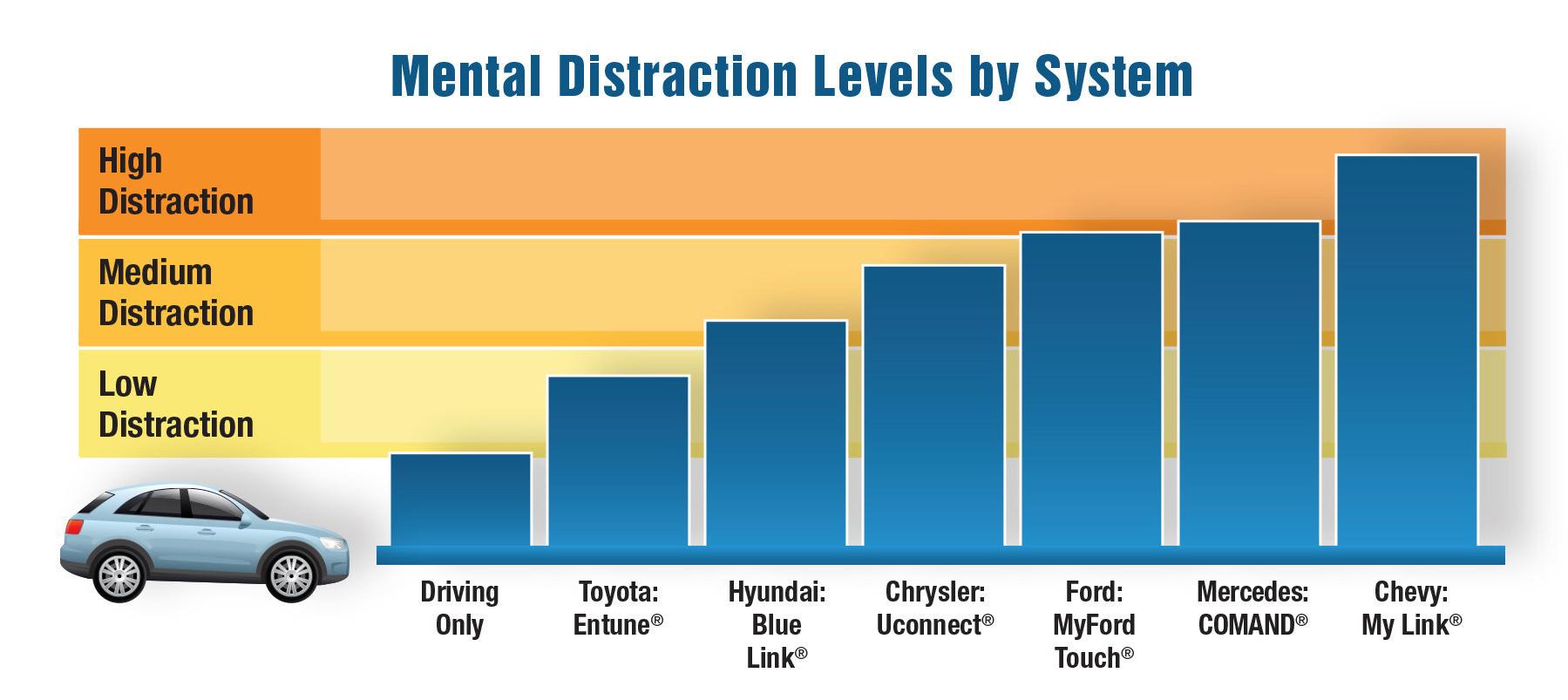
- The accuracy of voice-recognition software significantly influences the rate of distraction. Systems with low accuracy and reliability generated a high level of distraction (3 on a scale of 1-5, with 5 being the highest level of distraction).
- Composing text messages and emails using in-vehicle technologies was more distracting than using these systems to listen to messages (level 2).
- The quality of the systems' voice had no impact on distraction levels. Listening to a natural or synthetic voice both rated as level 2.
More From SAE Media Group
Off-Highway Engineering
Revolutionizing ADAS with Forward-Looking Lidar, Part I

Automotive Engineering
Autoliv, Seeing Machines Team up to Develop Driver Monitoring Systems
Automotive Engineering
Parsons New Smart City Challenge Aims to Reduce Intersection Congestion

Automotive Engineering
As V2I Evolves, Costs, Maintenance Concerns Emerge
Automotive Engineering
Toyota Ups Funding for Collaborative Safety Research Center
Automotive Engineering
Annual Traffic Safety Forum Looks at NHTSA Data, OE Teen Driving Aids
Automotive Engineering
U.K. Creates New "Route 66” for Connected-Vehicle Testing
Automotive Engineering
Toyota Beefs up Research on Connected- and Automated-Vehicle Safety
Off-Highway Engineering
Side-Object Detection for OTR Vehicles Displayed at Conexpo 2017
Automotive Engineering
For Future Vehicles, Communication Equals Trust
Automotive Engineering
Designing and Assessing Vehicle Safety Functions with a Use Case Approach
Automotive Engineering
Sound the Alarm
Automotive Engineering
HMI’s Simple Challenge: Control Everything Possible Without Any Difficulty
Automotive Engineering
Can Ads Help in Vehicle-To-Vehicle Rollout?
Automotive Engineering
Cybersecurity, Safety Issues Require Government/industry Cooperation
Automotive Engineering
NHTSA Seeks Answers as It Plans to Mandate V2V Technologies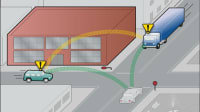
Automotive Engineering
J.D. Power Loud and Clear About Voice Recognition Technology's Flaws
Automotive Engineering
Insurers Define What They Want from an Automated Vehicle
Automotive Engineering
Xerox Eyes DSRC for Vehicle Infrastructure Support
Automotive Engineering
Uncertainty Surrounds Competition to Roll out Autonomous Vehicle
Aerospace & Defense Tech Briefs
Barker Approaches Aircraft as System of Systems in Latest SAE International Book
Automotive Engineering
Voice Recognition Draws High Interest but Disappointment in J.D. Power Survey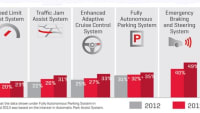
Automotive Engineering
Reality Check for Robot Cars
Automotive Engineering
Panasonic Enters Market with Reduced-Size Heads-Up Display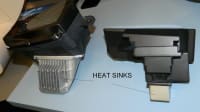
Automotive Engineering
Google's Krafcik Talks Self-Driving Vehicle Development
Automotive Engineering
Google Goes Hands- and Feet-Free in Pursuit of Driverless Cars
Automotive Engineering
Securing the Software-Defined Vehicle
Aerospace INSIDER
Time-Sensitive Networking for the Army’s HADES Jets
Top Stories
NewsSensors/Data Acquisition
 Microvision Aquires Luminar, Plans Relationship Restoration, Multi-industry Push
INSIDERRF & Microwave Electronics
 A Next Generation Helmet System for Navy Pilots
INSIDERWeapons Systems
 New Raytheon and Lockheed Martin Agreements Expand Missile Defense Production
NewsAutomotive
 Ford Announces 48-Volt Architecture for Future Electric Truck
INSIDERAerospace
 Active Strake System Cuts Cruise Drag, Boosts Flight Efficiency
ArticlesTransportation

Webcasts
Aerospace
 Cooling a New Generation of Aerospace and Defense Embedded...
Energy
 Battery Abuse Testing: Pushing to Failure
Power
 A FREE Two-Day Event Dedicated to Connected Mobility
Automotive
 Quiet, Please: NVH Improvement Opportunities in the Early Design Cycle
Electronics & Computers
 Advantages of Smart Power Distribution Unit Design for Automotive &...
Unmanned Systems
 Sesame Solar's Nanogrid Tech Promises Major Gains in Drone Endurance