




Viziblezone Enables Vehicle-To-Pedestrian Collision Avoidance Through Technology Already in Our Cell Phones
According to the World Health Organization, more than 1.5 million people were killed and more than 50 million injured in road accidents in 2018. More than 50 percent of these incidents involved pedestrians and cyclists – a number that tragically continues to grow. In Israel, authorities noted that there had been 43 pedestrian fatalities in the country since the beginning of 2019 alone.
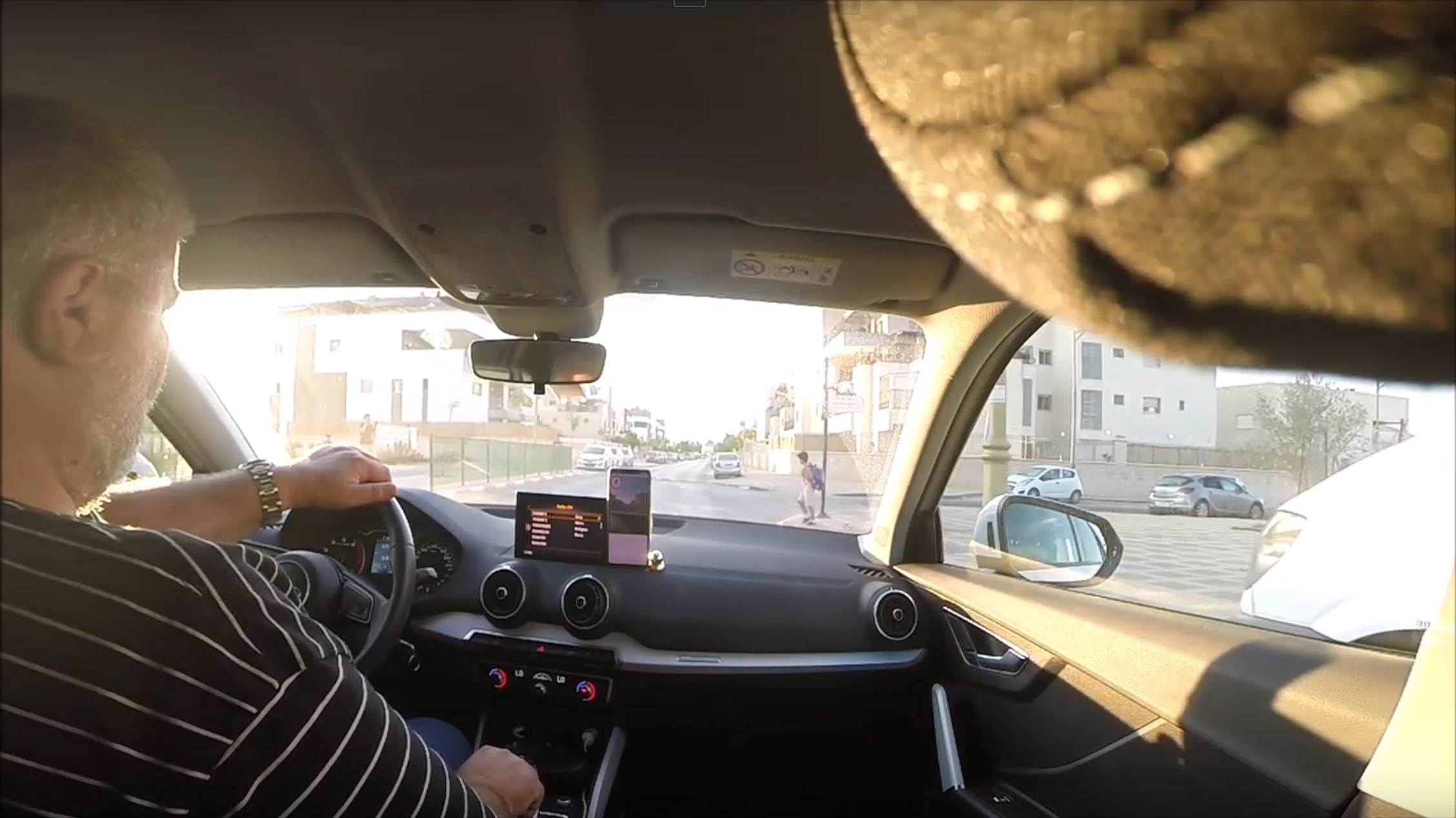
Viziblezone Ltd. ’s vehicle-to-pedestrian (V2P) solution to autonomous vehicles or “self-driving cars” is now capable of detecting pedestrians at distances of up to 150 meters (nearly 500 feet) – even when those pedestrians are standing behind objects that block line-of-sight. The company’s ready to launch V2P solution uses the radio frequency (RF) emitting components of mobile phones carried by pedestrians and a counterpart device embedded in a vehicle to help determine the likelihood of a potential impact.
While many technologies to mitigate vehicle-to-vehicle accidents have been developed in recent years, Jerusalem-based Viziblezone maintains that a significant lack of vehicle-to-pedestrian accident prevention systems exist. Meanwhile, with the growth of autonomously driven vehicles, and the expansion of technologies such as robo-taxis or self-driving rideshare vehicles, the risks to pedestrians are increasing exponentially at a rate that existing vehicle sensor systems can't effectively address.
William Kucinski is content editor at SAE International, Aerospace Products Group in Warrendale, Pa. Previously, he worked as a writer at the NASA Safety Center in Cleveland, Ohio and was responsible for writing the agency’s System Failure Case Studies. His interests include literally anything that has to do with space, past and present military aircraft, and propulsion technology.
Contact him regarding any article or collaboration ideas by e-mail at
More From SAE Media Group
Automotive Engineering
Automated Vehicle Safety Series Addresses Design, Testing, Verification, and Validation
Automotive Engineering
Department of Transportation Asks for Public Input Regarding Relaxing AV Regulations
Off-Highway Engineering
Peloton Develops a Level 4 Automated Platooning System, but Keeps the Driver in Charge
Off-Highway Engineering
USPS Tests Autonomous Semi-Trailers for Long-Haul Mail Logistics
Automotive Engineering
Elektrobit Lends Software to Baidu’s Apollo Autonomous Driving Project
Off-Highway Engineering
MOBI Rolls out the First Blockchain-Enabled Vehicle Identity (VID) Mobility Standard
Off-Highway Engineering
Beep and Bestmile Partner on Self-Driving Fleets in Florida

Automotive Engineering
Nvidia’s New Level 2+ Autonomy Platform Is Making Cars Safer Today

Off-Highway Engineering
Argus Makes Fleet Protection Cybersecurity Available to Both Automotive and Aircraft Fleets


Off-Highway Engineering
WCX 2019: IAMTS Association Will Establish Standardization and Testing for Connected Vehicles
Off-Highway Engineering
Europe’s Blockchain-Based Smart E-Mobility Challenge Will Conclude This May in Germany
Automotive Engineering
SAE Rolls out Introduction to Automated Vehicle Safety in Shanghai
Autonomous Vehicle Engineering
Purpose, Perceptions for Driver-Assist Tech Solidify
Off-Highway Engineering
DENSO Boosts Its Mobility-As-A-Service and Connected Technologies with New Seattle R&D Lab
Autonomous Vehicle Engineering
'Level 2+': Making Automated Driving Profitable, Mainstream
Off-Highway Engineering
WABCO Adds Autonomous Driving 'Building Blocks' to 2019 Portfolio
Automotive Engineering
Designing and Assessing Vehicle Safety Functions with a Use Case Approach
Automotive Engineering
NVIDIA's Next-Generation Autonomous Driving Platforms Use Macronix Secure Flash Memory

Aerospace & Defense Tech Briefs
SAE International Extends Call for Abstracts, Seeks Submissions for AeroTech Conference
Automotive Engineering
Parsons New Smart City Challenge Aims to Reduce Intersection Congestion
Off-Highway Engineering
ADAS Features Expand Role, V2V Looms
Automotive Engineering
Shanghai’s Human Horizons Unveils a 5G-V2X-Enabled Electric, Luxury SUV
Aerospace & Defense Tech Briefs
Boeing’s Next EcoDemonstrator Test Bed Will Be a 777
Automotive Engineering
Airbus’ Connected Cabin Concept Is Materializing with First Round of Partnerships
Top Stories
INSIDERWearables
 A Next Generation Helmet System for Navy Pilots
INSIDERWeapons Systems
 New Raytheon and Lockheed Martin Agreements Expand Missile Defense Production
NewsAutomotive
 Ford Announces 48-Volt Architecture for Future Electric Truck
INSIDERAerospace
 Active Strake System Cuts Cruise Drag, Boosts Flight Efficiency
ArticlesTransportation
 Accelerating Down the Road to Autonomy
NewsUnmanned Systems
 Microvision Aquires Luminar, Plans Relationship Restoration, Multi-industry Push
Webcasts
Electronics & Computers
 Cooling a New Generation of Aerospace and Defense Embedded...
Power
 Battery Abuse Testing: Pushing to Failure
Communications
 A FREE Two-Day Event Dedicated to Connected Mobility
Unmanned Systems
 Quiet, Please: NVH Improvement Opportunities in the Early Design Cycle
Transportation
 Advantages of Smart Power Distribution Unit Design for Automotive &...
Aerospace
 Sesame Solar's Nanogrid Tech Promises Major Gains in Drone Endurance