




Metal 3D Printer
ASTRO America
Bethesda, MD
This email address is being protected from spambots. You need JavaScript enabled to view it.
www.astroa.org
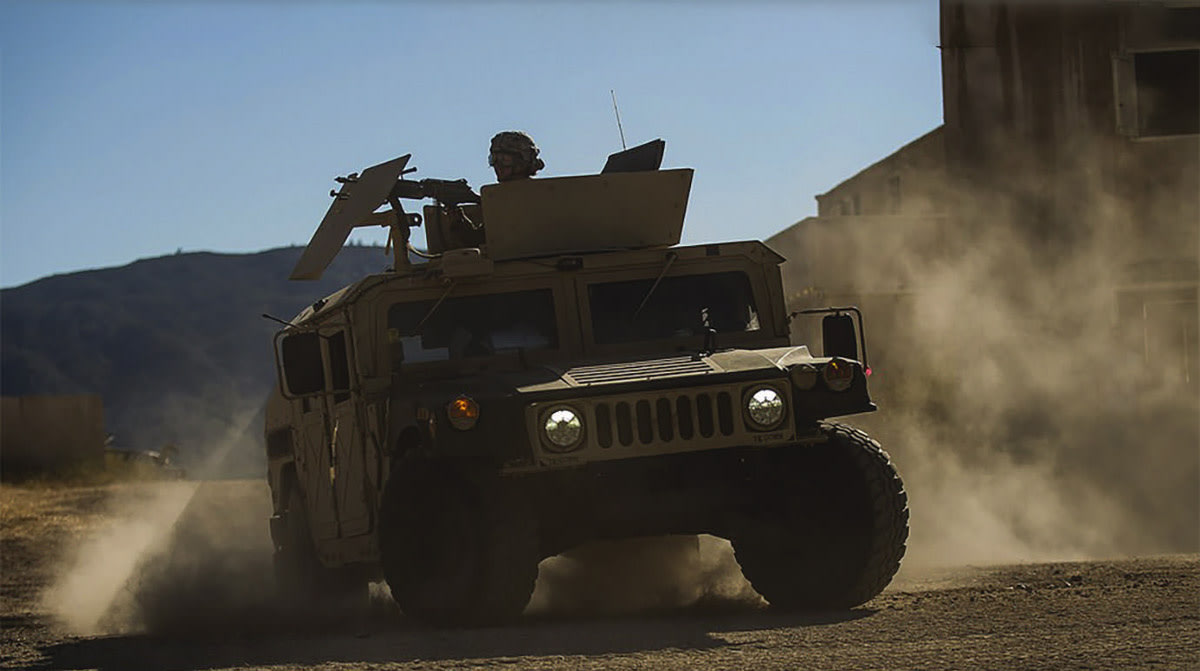
The Applied Science & Technology Research Organization, commonly known as ASTRO America, announced that it has been selected to manage a new U.S. Army initiative to develop and deliver a hull-scale tool using metal additive manufacturing technology. Known as the “Jointless Hull Project,” the effort aims to provide improved production speeds, reduced production costs, reduced vehicle weight, greater vehicle performance, and increased survivability.
“The mission is to develop a large-scale tool capable of producing single, jointless combat vehicle hulls at a near net size of 30 feet × 20 feet × 12 feet in size,” said Larry “LJ” Holmes, Principal Investigator at ASTRO America. "Additive manufacturing at a massive scale holds the potential to transform the way vehicles are built for the military while reducing supply chain fragility.”
The Jointless Hull Project is being contracted through LIFT, the Detroit-based, Department of Defense-supported national manufacturing innovation institute, while the Michigan-based U.S. Army Combat Capabilities Development Command Ground Vehicle Systems Center (DEVCOM GVSC) is directing the technical program. The Army's Rock Island Arsenal — Joint Manufacturing Technology Center is also a key partner on this project and will ultimately serve as the location for the operation of the new additive manufacturing platform. ASTRO America has already kicked off the project with an Industry Day featuring both prospective machine vendors and leading vehicle builders.
Monolithic hulls for combat vehicles have well-established advantages — especially in survivability and weight savings — but traditional manufacturing processes are not cost-effective or adaptable to full production, especially when multiple vehicle platforms are put into play.
Aaron LaLonde, Additive Manufacturing SME, U.S. ARMY - DEVCOM GVSC, and the Army TPOC for the Jointless Hull Project, commented, “Advanced manufacturing methods that are capable of enabling innovative part designs and concepts have tremendous value in achieving part, component and, ultimately, vehicle concepts to provide warfighters and systems with leading performance advantages. This project will scale the benefits of metal additive manufacturing to a size range that will allow the benefits of the technology to be realized on larger system scale parts and enable next-generation vehicle performance.”
“This is not a research project for either hardware, software or materials,” said Jason Gorey, ASTRO America's Executive Director. “This is a direct implementation project where we scale existing but advanced methodologies to the required hull-scale size. We will be working with equipment vendors as well as system integrators to deliver on this project.”
“As a national manufacturing innovation institute, we help advance technology from concept to use by the warfighter as quickly as possible,” said Nigel Francis, Chief Executive Officer and Executive Director, LIFT. “Developing the ‘jointless hull’ is also aligned with our mission of driving American manufacturing into the future by connecting materials to processes and to the systems involved.”
ASTRO America is a 501(c)(3) nonprofit organization that advances defense R&D to transition meaningful manufacturing technology into production through federally sponsored contracting, cooperative research, and other transactions. LIFT, operated by the American Lightweight Materials Manufacturing Innovation Institute, is a Detroit-based, public-private partnership between the Department of Defense, industry and academia, committed to the development and deployment of advanced manufacturing technologies, and implementing talent development initiatives to better prepare the workforce today and in the future. LIFT is funded in part by the Department of Defense with management through the Office of Naval Research.
For Free Info Visit Here
More From SAE Media Group

Aerospace & Defense Tech Briefs
SAE International Extends Call for Abstracts, Seeks Submissions for AeroTech Conference
Aerospace & Defense Tech Briefs
3D Printing Metal Parts on a Ship
Aerospace Manufacturing and Machining INSIDER
3D Printing in Combat Zones: A Paradigm Shift for Marine Corps Logistics
Aerospace & Defense Tech Briefs
SAE International Issues First Technical Standards for Aerospace Additive Manufacturing
Automotive Engineering
Lyten Says 3D Graphene Could Disrupt Racing, Automotive and Space
Medical Design Briefs
3D Printing Is Transforming the Medical Design Industry: Are You Ready?
Automotive Engineering
The Transformative Power of Large-Format Additive Manufacturing for Automotive
Aerospace & Defense Tech Briefs
Portable 3D Printing Factory
Automotive Engineering
Directing GM’s 3D-Printed Future

Aerospace Manufacturing and Machining INSIDER
Meeting the Demands of Defense Production and Sustainment Through Additive Manufacturing
Tech Briefs
New Printing Process Advances 3D Capabilities

Off-Highway Engineering
Additive Manufacturing Is Transforming Mobility Engineering, Driving the Factory of the Future
Aerospace Manufacturing and Machining INSIDER
Army Launches $50 Million Advanced Manufacturing Initiative for Aviation and Weapon Systems

Tech Briefs
Executive Roundtable: 3D Printing
Aerospace & Defense Tech Briefs
Unlocking the Potential of 3D-Printed Polymers in Aerospace and Defense
Aerospace Manufacturing and Machining INSIDER
Supernova to 3D Print Military Grade Energetic Materials
Aerospace & Defense Tech Briefs
Autonomous Navigation Kits
Aerospace & Defense Tech Briefs
Lockheed Martin and Arconic Collaborate on 3D Printing and Advanced Aerospace Materials
Aerospace Manufacturing and Machining
How Additive Manufacturing is Changing the Aerospace Industry
Automotive Engineering
Made in Space to Increase Material Portfolio After Two Years of Printing in Space
Off-Highway Engineering
3DEO Launches New Metal 3D-Printing Platform
Aerospace & Defense Tech Briefs
Evaluation of Additively Manufactured Ultrahard Steels
Aerospace Manufacturing and Machining INSIDER
How the US Navy Uses Organic Manufacturing to Combat Supply Chain Constraints
Aerospace INSIDER
A New Approach to 3D Printing Tool Recycling for Aerospace Manufacturers
Aerospace & Defense Tech Briefs
Aitiip Integrates Freeform Injection Molding to Lower Weight and Reduce Production Costs
Top Stories
NewsSensors/Data Acquisition
 Microvision Aquires Luminar, Plans Relationship Restoration, Multi-industry Push
INSIDERRF & Microwave Electronics
 A Next Generation Helmet System for Navy Pilots
INSIDERWeapons Systems
 New Raytheon and Lockheed Martin Agreements Expand Missile Defense Production
NewsAutomotive
 Ford Announces 48-Volt Architecture for Future Electric Truck
INSIDERAerospace
 Active Strake System Cuts Cruise Drag, Boosts Flight Efficiency
ArticlesTransportation

Webcasts
Aerospace
 Cooling a New Generation of Aerospace and Defense Embedded...
Energy
 Battery Abuse Testing: Pushing to Failure
Power
 A FREE Two-Day Event Dedicated to Connected Mobility
Automotive
 Quiet, Please: NVH Improvement Opportunities in the Early Design Cycle
Electronics & Computers
 Advantages of Smart Power Distribution Unit Design for Automotive &...
Unmanned Systems
 Sesame Solar's Nanogrid Tech Promises Major Gains in Drone Endurance