




Lightweight, Strong Metal Could Make Airplanes More Energy Efficient

Researchers have created a lightweight, but very strong, structural metal made of magnesium because it is a light metal with two-thirds the density of aluminum, is abundant on Earth, and is biocompatible. It was mixed with silicon carbide nanoparticles into a molten magnesium-zinc alloy that uniformly dispersed and stabilized the nanoparticles, making a super-strong and lightweight metal.
The silicon carbide nanoparticle-infused magnesium metal was substantially stronger than conventional metals that did not contain nanoparticles. The new metal potentially can make airplanes lighter and more fuel efficient without compromising strength and safety.
More From SAE Media Group
Aerospace & Defense Tech Briefs
Novel Chromium–Molybdenum Metal Alloy Withstands Extreme Conditions

Aerospace INSIDER
A New Platform for Developing Advanced Aerospace Metals at Scale
Aerospace INSIDER
Ceramic Matrix Composites Offer Lighter, More Durable Engine Parts
Tech Briefs
Copper Strengthens 3D-Printed Titanium

Aerospace & Defense Tech Briefs
Plasma Electrolytic Oxidation: The Future of Lightweight Designs in Aerospace and Defense
Aerospace & Defense Tech Briefs
Evaluation of Additively Manufactured Ultrahard Steels

Aerospace & Defense Tech Briefs
Aerospace Aluminum Laser Welding: Advancing Material Performance for the Future of Flight
Aerospace Manufacturing and Machining INSIDER
Superstrong Al Alloys May Change Aerospace Manufacturing Processes

Tech Briefs
Shear Assisted Processing and Extrusion
Aerospace & Defense Tech Briefs
Reducing the High Cost Of Titanium
Tech Briefs
Lighter Radiation Shielding for Electronics
Aerospace & Defense Tech Briefs
‘First of Its Kind’ Composite Material to Help Space Vessels Travel Longer Distances
Tech Briefs
Liquid Metal Lattice
Aerospace Manufacturing and Machining INSIDER
Can This Self-Healing Composite Make Airplane and Spacecraft Components Last for Centuries?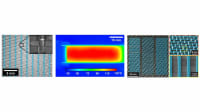
Aerospace & Defense Tech Briefs
New Copper Alloy Could Provide Breakthrough in Durability for Military Systems


Aerospace & Defense Tech Briefs
The Science of Joining Dissimilar Metals in Aerospace Manufacturing


Aerospace & Defense Tech Briefs
Finding the Perfect Aluminum for Additive Manufacturing

Aerospace & Defense Tech Briefs
Remanufacturing Reimagined: How Selective Electroplating Extends Service Life and Reduces the Cost of Aerospace Components


Top Stories
NewsSensors/Data Acquisition
 Microvision Aquires Luminar, Plans Relationship Restoration, Multi-industry Push
INSIDERRF & Microwave Electronics
 A Next Generation Helmet System for Navy Pilots
INSIDERWeapons Systems
 New Raytheon and Lockheed Martin Agreements Expand Missile Defense Production
NewsAutomotive
 Ford Announces 48-Volt Architecture for Future Electric Truck
INSIDERAerospace
 Active Strake System Cuts Cruise Drag, Boosts Flight Efficiency
ArticlesTransportation

Webcasts
Aerospace
 Cooling a New Generation of Aerospace and Defense Embedded...
Energy
 Battery Abuse Testing: Pushing to Failure
Power
 A FREE Two-Day Event Dedicated to Connected Mobility
Automotive
 Quiet, Please: NVH Improvement Opportunities in the Early Design Cycle
Electronics & Computers
 Advantages of Smart Power Distribution Unit Design for Automotive &...
Unmanned Systems
 Sesame Solar's Nanogrid Tech Promises Major Gains in Drone Endurance