




Delay and Extend and Rescope
Suppliers are learning several new and unwelcome lessons as the dynamics surrounding U.S. light vehicle trade and emissions legislation quickly shifts.
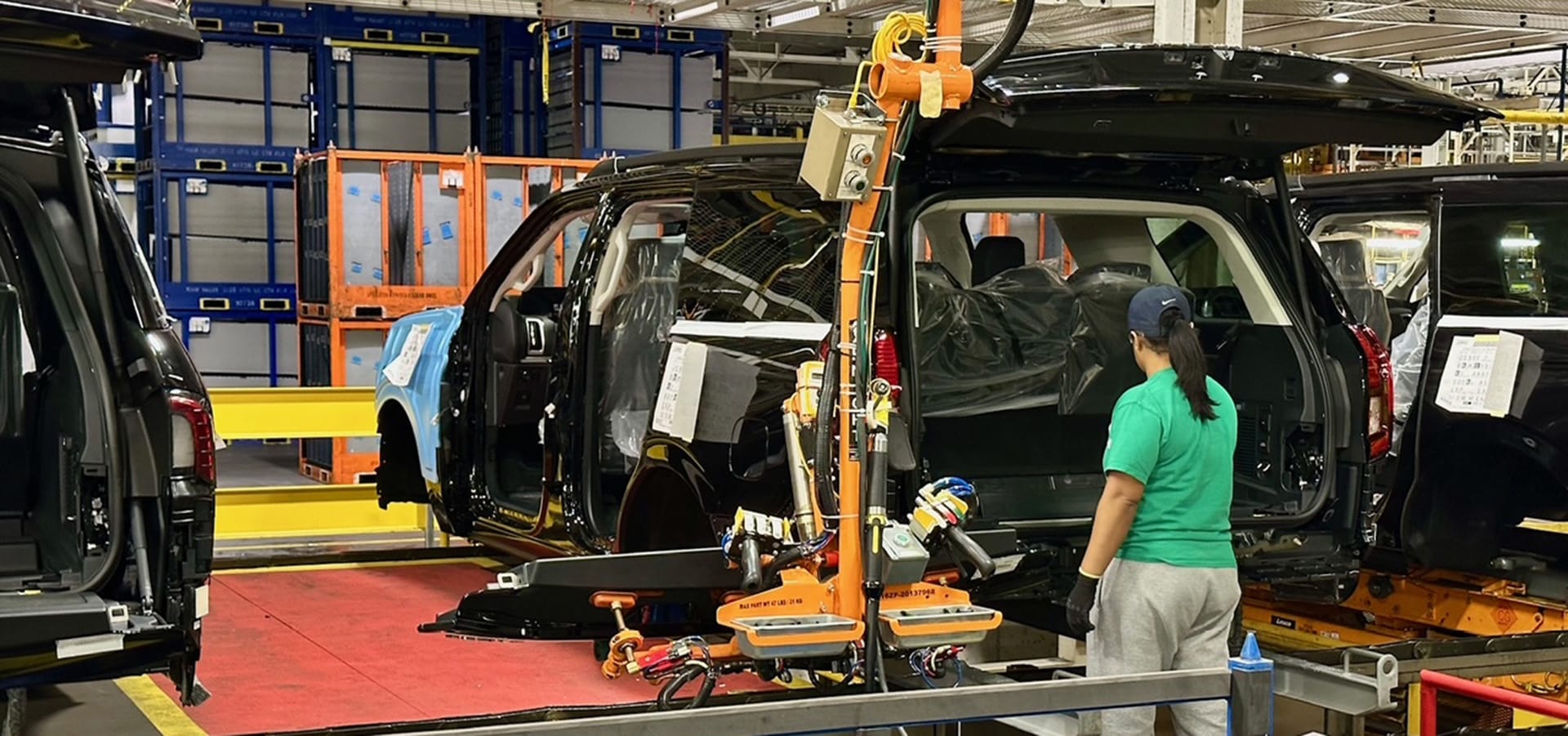
Suppliers are learning several new and unwelcome lessons as the dynamics surrounding U.S. light vehicle trade and emissions legislation quickly shifts. Two major issues are at play here. As the industry continues to feel the impact of reduced or eliminated battery electric vehicle incentives in several North American and European jurisdictions and governments are retrenching on light vehicle emissions legislation – OEMs are questioning the size of the near- and mid-term market. Similarly, as of this writing, the saga surrounding future vehicle and parts tariffs between the U.S. and its major automotive trading partners continues. This unfortunate combination has driven OEMs to delay, extend and rescope future product programs. This jams a stick in the financial spokes of the supply base.

Some context is in order. Like clockwork, in the highly competitive global light vehicle market, our industry was trained to expect a regular cadence for product renewals and product cycles. The combination of strong competition, emissions and safety regulations driving a constant stream of innovative technologies, and the need to improve fuel economy led the industry to adopt a regimented product cycle for most light vehicle segments. OEMs and suppliers alike assumed a 2.5-5-7.5-10-year cadence for future product revisions. This outlined that once an all-new vehicle was launched, one should expect a mid-cycle enhancement (MCE) at year 2.5 and a major revision at year 5. At year 7.5 another mid-cycle enhancement, then an all-new structure would follow for year 10. This sequence allowed for a healthy dose of new technology and styling to attract new/repeat customers and improve efficiency and an ever-stringent regulatory environment. While some vehicles strayed from this timing, most OEMs adopted it.
This brings us to the present. The aforementioned EV adoption slowdown that’s dogging several markets, combined with the trade-driven malaise, is causing most OEMs to rethink the approach. Several new EV programs are delayed or rescoped as OEMs rethink the size of the market and want to conserve capital for the future. Simultaneously, many ICE and hybrid programs are extended to fill the void, especially as regulations are relaxed and many OEMs are still on the right side of regulations.
The impact on the supply base is significant. Suppliers planning on replacing components they build at the 5-year mark (a major action) are now being asked to extend sourcing for a couple of extra years. Many times, this is unwelcome news as the supplier usually desires to replace the component with new, differentiating technology at an improved margin. These same suppliers are likely building the product as efficiently as possible after a half-decade run and the thought of building the same old part for a couple more years is not optimal.
When programs are delayed or extended, the impact can be worse. A supplier expecting to start production during a particular month may find that, despite all the preparation and capital outlay, production requirements can be delayed by a couple of months or rescoped out to a couple of years. Sitting on underutilized capital and people resources is not a recipe for financial success.
While one hopes that some normalcy descends upon the supply base in 2026, all industry players will be happy to place these delays, extensions and rescopes in the rearview mirror.
More From SAE Media Group
Automotive Engineering
The Battle over EV Value-Add Has Begun
Automotive Engineering
Extending the ICE Age: GM’s Ken Morris Lives the Real Pace of the Powertrain Revolution
Automotive Engineering
Sourcing the Multi-Energy Platform
Off-Highway Engineering
Regulatory Landscape Challenges Commercial-Vehicle Engine Development
Automotive Engineering
Architecting GM’s New EV Batteries
Off-Highway Engineering
SAE WCX 2022: The Road to Zero Emissions Has Many Lanes
Off-Highway Engineering
SAE International and Sustainable Mobility Solutions Recognized by White House
Automotive Engineering
Kymco’s New Ionex BMU, BaaS Will Boost Electric Scooter Adoption
Automotive Engineering
SAE Completes Next Step to Standardize Tesla-Developed EV Charging Connector
Automotive Engineering
Suppliers Prepare for a Drop in EV Market Share
Automotive Engineering
The Lesson of J3400: Move Fast and Fix Things
Off-Highway Engineering
Truck OEMs Invested in Infrastructure
Automotive Engineering
Schaeffler Debuts New Mover Concept at Detroit Symposium
Off-Highway Engineering
Nikola Producing Battery-Electric Trucks, Fuel-Cell EVs Coming
Off-Highway Engineering
ZF, Freudenberg Developing Integrated Fuel-Cell and E-Drive System
Automotive Engineering
Welcome to the Automotive Engineering Podcast
Automotive Engineering
Eaton CTO Assumes SAE VP Post
Automotive Engineering
Erratic Transition to the BEV Future
Automotive Engineering
GM Pushes for Industry Standards as It Readies More EVs, AVs
Automotive Engineering
Strategy Reset
Automotive Engineering
Time to Turn ‘BEV’ into a Verb
Battery & Electrification Technology
Managing the Evolution of the EV Charging Standard
Off-Highway Engineering
Propane Powers Ahead for Medium Duty Sector
Automotive Engineering
Planning with a Scenario Mindset
Battery & Electrification Technology
Upcycling Commercial Fleets into Circular EVs
Off-Highway Engineering
Hydrogen ‘Inevitable’ for Commercial Vehicles
Automotive Engineering
Electric-Vehicle Legislation in California – Third Time the Charm?
Automotive Engineering
SAE WCX 2022: Driveline Flexibility Is Key for Electrification
Automotive Engineering
Program to Train EV Charger Techs Graduates First Class in Detroit
Top Stories
NewsRF & Microwave Electronics
 Microvision Aquires Luminar, Plans Relationship Restoration, Multi-industry Push
INSIDERAerospace
 A Next Generation Helmet System for Navy Pilots
INSIDERDesign
 New Raytheon and Lockheed Martin Agreements Expand Missile Defense Production
INSIDERMaterials
 How Airbus is Using w-DED to 3D Print Larger Titanium Airplane Parts
NewsPower
 Ford Announces 48-Volt Architecture for Future Electric Truck
ArticlesAR/AI

Webcasts
Electronics & Computers
 Cooling a New Generation of Aerospace and Defense Embedded...
Automotive
 Battery Abuse Testing: Pushing to Failure
Power
 A FREE Two-Day Event Dedicated to Connected Mobility
Unmanned Systems
 Quiet, Please: NVH Improvement Opportunities in the Early Design Cycle
Automotive
 Advantages of Smart Power Distribution Unit Design for Automotive &...
Energy
 Sesame Solar's Nanogrid Tech Promises Major Gains in Drone Endurance