




Planning with a Scenario Mindset
Our rocky automotive environment demands a new approach..
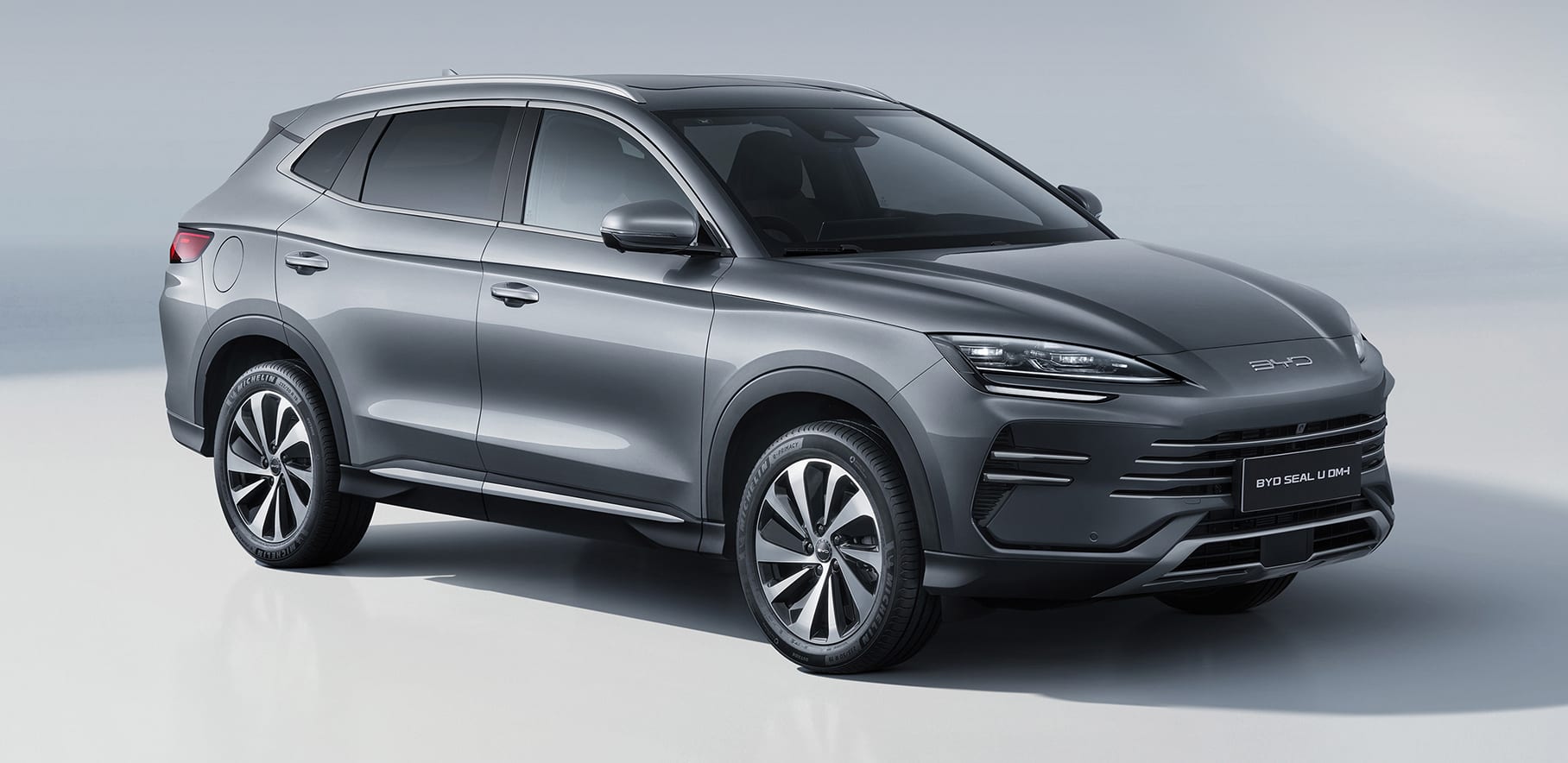
Across the industry, strategic planners from OEMs and suppliers alike are scratching their heads. The number of strategic directions they currently face is unprecedented. Combine global trade friction (China tariffs), high interest rates, a pausing EV transition, new OEM players and the U.S. political environment – one could build scenarios all day to cover the possibilities.

Given this rocky environment, a new approach is required. Trusting one base forecast as a basis for all strategic decisions may be inadequate in capturing the major vehicle market possibilities. A quick examination of the key variables underscores the challenge.
Variable 1: Outcome of the U.S. federal election in November
One can feel that there are several significant capital and strategic decisions that may alter the direction of several strategies. Additionally, it is not a case of whether the Democrats or the Republicans control the U.S. presidency, but how. Does the ruling party have a majority on both sides of Congress? What will U.S. foreign policy be from a tariff perspective? How will emissions and fuel economy legislation change, and when? What is the future of the California Air Resources Board (CARB) exemption? Lastly, what happens to commercial and consumer incentives under the Inflation Reduction Act (IRA)? Billions in capital hang in the balance and, as such, scores of decisions will wait until November.
Variable 2: EV growth rates
Partially dependent on variable 1, how will consumers and the industry adjust to EV acceptance that’s seemingly on the flat end of the ‘S’ curve? While any new technology experiences volume gyrations, the recent issues impacting EVs have been more extreme than expected. With many OEMs delaying EV introductions and capital outlays, suppliers are left in limbo. There are a couple of examples of viable internal combustion engine (ICE) and hybrid vehicle plants that have been idled for two-plus years as they wait to transition to producing EVs. Unheard of in our industry. Other decisions, such as continuing ICE vehicle output alongside new hybrids – plug-in or standard gas-electric models must be weighed. Can OEMs and suppliers cover the capital costs and outperform alternative strategies? How and at what rate will the industry drive scale in EVs to bring MSRPs down?
Variable 3: China’s growing BEV position
This one has several layers and is integrated into variables 1 and 2. Many Chinese OEMs have ramped up their EV design and production capabilities. Even a cursory view of the progress made with respect to cost, packaging, design and scale is head-snapping. While this author is apprised of most industry shifts and their relative impact, a recent review of the progress of Chinese-made EVs underscores the challenges the balance of the market faces. No matter what happens with tariffs or protectionist measures instituted by various governments, the competitive structure is set. As several Western OEMs have outlined, they need to learn to compete.
Variable 4: Relatively high interest rates and vehicle affordability challenges
While we have faced high interest rates before (these will eventually fall), experiencing these in the midst of several new EV offerings (with higher prices) has challenged retailers. Add in the lack of used vehicles coming off three-year leases thanks to the COVID impact and you can understand why OEMs will need to sharpen their pencil with respect to costs and incentives to drive volumes for the next couple of years.
There are more variables to consider. Some may be internal to a vehicle subsystem or a specific company. Whatever these are, suppliers need to start planning with a scenario mindset. Understanding the impacts of several “what ifs” may be more important than ever. Planning will require greater flexibility and speed. Welcome to the new automotive reality.
More From SAE Media Group
Automotive Engineering
Executive Insights: BorgWarner VP and CTO Hakan Yilmaz
Off-Highway Engineering
Hybrids Are Having a Moment
Automotive Engineering
SAE WCX 2022: ICE Won’t Melt amid Shift to EVs
Automotive Engineering
ICE and Hybrid-Electric Propulsion Show Staying Power
Automotive Engineering
Delay and Extend and Rescope
Automotive Engineering
Toyota, Mazda, Subaru Agree Carbon Is ‘Enemy' with Internal Combustion Engine Announcement
Automotive Engineering
Volvo XC90 Line-Up Keeps Hybrid Futures Safe
Off-Highway Engineering
Hybrid Powertrains in the Product Mix
Automotive Engineering
Handicapping the ‘Race Toward Zero’
Off-Highway Engineering
Regulatory Landscape Challenges Commercial-Vehicle Engine Development
Off-Highway Engineering
Zeroing in on Zero Emissions
Automotive Engineering
Toyota to Add Battery Lab at Michigan R&D Campus
Automotive Engineering
Orbis Says HaloDrive Axial-Flux Motor Available for In-Wheel, Other Uses
Off-Highway Engineering
Battery of Issues Surrounds Large-Vehicle Electrification
Automotive Engineering
Stellantis Goes All-In on EVs
Automotive Engineering
Extending the ICE Age: Ford’s Dave Filipe Has Some Powerful Choices to Make
Automotive Engineering
Volvo's Tricks of the EV Trade
Off-Highway Engineering
Mahle Amps up Its Electrification R&D
Off-Highway Engineering
Batteries Not the Only Route to EV Efficiency
Automotive Engineering
Charting the ICE Future with Mahle’s Martin Berger
Off-Highway Engineering
Hydrogen ‘Inevitable’ for Commercial Vehicles
Automotive Engineering
Proving Grounds Are the Hush-Hush Heroes of the Latest Automotive Test Technology
Automotive Engineering
Quicker Pathways to Reduce Transportation’s Climate Impact
Automotive Engineering
Extending the ICE Age: GM’s Ken Morris Lives the Real Pace of the Powertrain Revolution
Off-Highway Engineering
Volvo CE Not Letting up on Electric
Off-Highway Engineering
A Diversified Path for Sustainable Fleets
Off-Highway Engineering
Detailing Kenworth’s Sleek SuperTruck 2
Automotive Engineering
Hyundai Reveals Market-Sized 2022 Tucson SUV
Automotive Engineering
Mazda Details Electrification Strategy, Confirms Rotary Engine’s Return
Automotive Engineering
Sourcing the Multi-Energy Platform
Top Stories
NewsRF & Microwave Electronics
 Microvision Aquires Luminar, Plans Relationship Restoration, Multi-industry Push
INSIDERAerospace
 A Next Generation Helmet System for Navy Pilots
INSIDERDesign
 New Raytheon and Lockheed Martin Agreements Expand Missile Defense Production
INSIDERMaterials
 How Airbus is Using w-DED to 3D Print Larger Titanium Airplane Parts
NewsPower
 Ford Announces 48-Volt Architecture for Future Electric Truck
ArticlesAR/AI

Webcasts
Electronics & Computers
 Cooling a New Generation of Aerospace and Defense Embedded...
Automotive
 Battery Abuse Testing: Pushing to Failure
Power
 A FREE Two-Day Event Dedicated to Connected Mobility
Unmanned Systems
 Quiet, Please: NVH Improvement Opportunities in the Early Design Cycle
Automotive
 Advantages of Smart Power Distribution Unit Design for Automotive &...
Energy
 Sesame Solar's Nanogrid Tech Promises Major Gains in Drone Endurance