




Kymeta Chief Scientist Explains Breakthrough in Multi-Band Antenna Connectivity
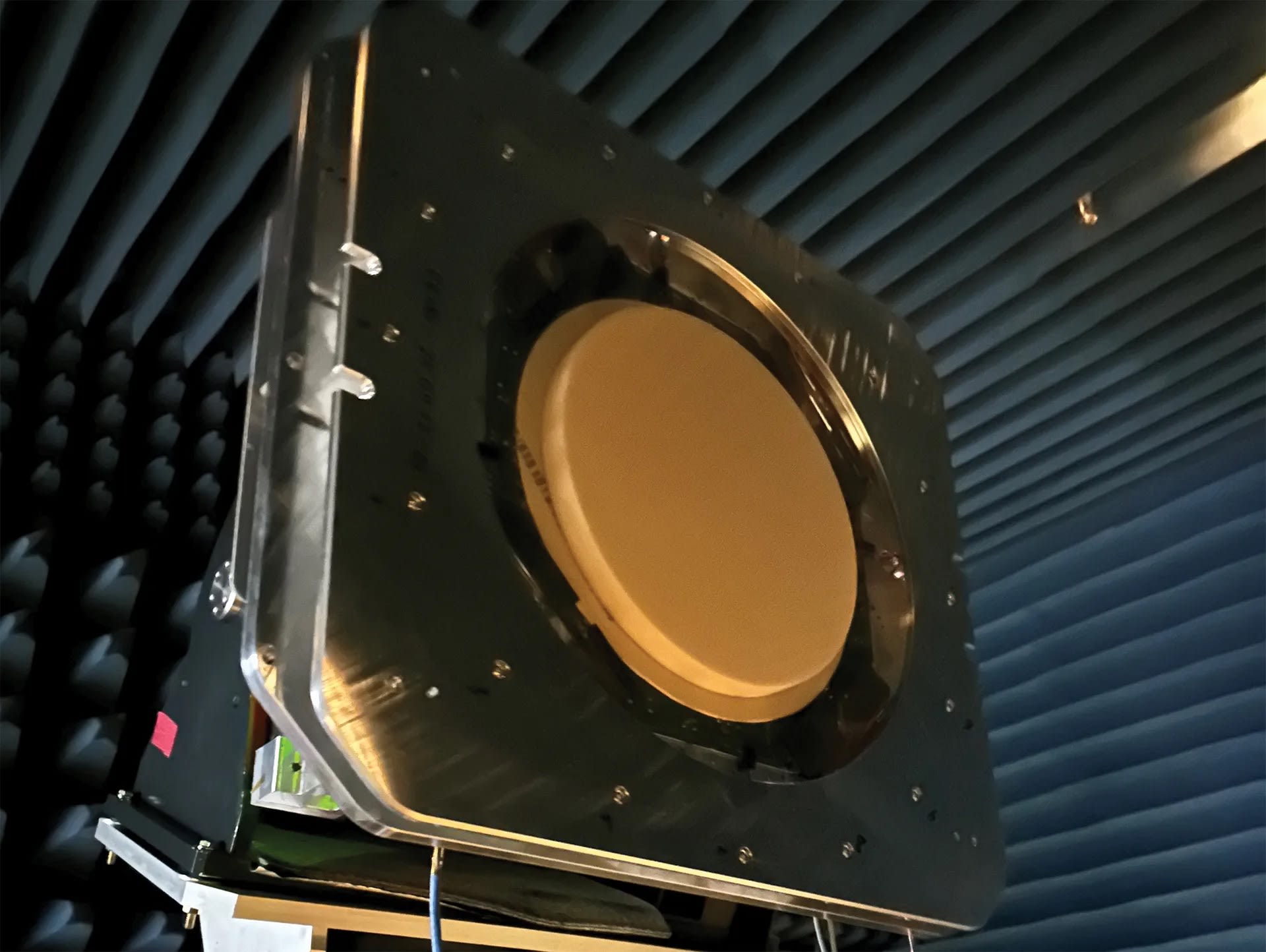
Kymeta achieved a major breakthrough for the satellite communications industry recently by connecting four concurrent beams in Ku- and Ka-band frequencies with a single antenna aperture during a demonstration in April.
Enabled by the company's unique metamaterials antenna surface, the technology was demonstrated and validated at Kymeta's headquarters in Redmond, Washington. Until this point, according to Kymeta, interoperability in the Ku and Ka bands has been possible only with Electronic Steered Antennas (ESA) using multiple physically separate antennas, which proves problematic due to the size and power usage required to operate.
Kymeta Chief Scientist Ryan Stevenson is the guest on this episode of the Aerospace & Defense Technology podcast to explain their multi-band antenna connectivity breakthrough.
Subscribe to the Aerospace & Defense Technology podcast on Apple Podcasts or Spotify .
Sponsored by Omniseal Solutions and Siemens.


More From SAE Media Group
Aerospace INSIDER
Metamaterials Antenna Makes Generational Leap in Multi-Band Connectivity

Aerospace & Defense Tech Briefs
New, Portable Antenna Could Help Restore Communication After Disasters
Defense INSIDER
Satellite Communications for the Army’s NGC2 Pilot
Aerospace & Defense Tech Briefs
Persistent Systems Auto-Tracking Antenna Adds Aircraft to Network, Enhances Data Sharing

Aerospace Manufacturing and Machining INSIDER
Airbus Developing New Laser Communication Terminal for Military Aircraft
Aerospace & Defense Tech Briefs
Army and Universities Deploy New Warfighter Communication Technology
Aerospace INSIDER
Vector Signal Generator
Aerospace & Defense Tech Briefs
Upmast Radar System
Defense INSIDER
Antenna Design Turns Entire Vehicles into Broadcasting Equipment
Aerospace & Defense Tech Briefs
SpaceRAN Demonstrator Will Test 5G Connectivity on Software-Defined Satellite

Aerospace & Defense Tech Briefs
Airborne Antenna Considerations for C-Band Telemetry Systems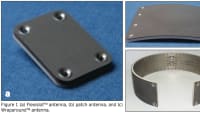
Aerospace & Defense Tech Briefs
50 GHz Handheld Combination Analyzer

Aerospace & Defense Tech Briefs
SIRE: A MIMO Radar for Landmine and IED Detection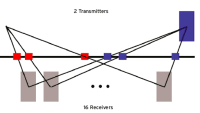
Defense INSIDER
Handheld Vector Network Analyzers
Aerospace INSIDER
Space Lasers: Aiming Towards Next Leap in Global Communications

Tech Briefs
New Phase Shifter to Reduce Antenna Signal Loss

Defense INSIDER
Antennaless RFID Tags Can Track Metal and Liquids
Tech Briefs
Conformal, Lightweight, Aerogel-Based Antenna
Aerospace & Defense Tech Briefs
Cellular Satellites: Joint Communications with Integrated Acquisition

Aerospace & Defense Tech Briefs
Combining Software and Hardware for Highly Specialized Multichannel Spectrum Monitoring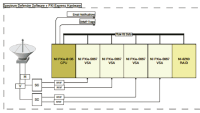

Defense INSIDER
Agile Aperture Antenna Tested on Aircraft
Top Stories
INSIDERDefense
 New Raytheon and Lockheed Martin Agreements Expand Missile Defense Production
NewsAutomotive
 Ford Announces 48-Volt Architecture for Future Electric Truck
INSIDERManufacturing & Prototyping
 Active Strake System Cuts Cruise Drag, Boosts Flight Efficiency
ArticlesTransportation
 Accelerating Down the Road to Autonomy
INSIDERMaterials
 How Airbus is Using w-DED to 3D Print Larger Titanium Airplane Parts
Road ReadyTransportation

Webcasts
Electronics & Computers
 Cooling a New Generation of Aerospace and Defense Embedded...
Power
 Battery Abuse Testing: Pushing to Failure
Connectivity
 A FREE Two-Day Event Dedicated to Connected Mobility
Automotive
 Quiet, Please: NVH Improvement Opportunities in the Early Design Cycle
Transportation
 Advantages of Smart Power Distribution Unit Design for Automotive &...
Aerospace
 Sesame Solar's Nanogrid Tech Promises Major Gains in Drone Endurance