




Simulating Space: Designing Satellites for Mission Success
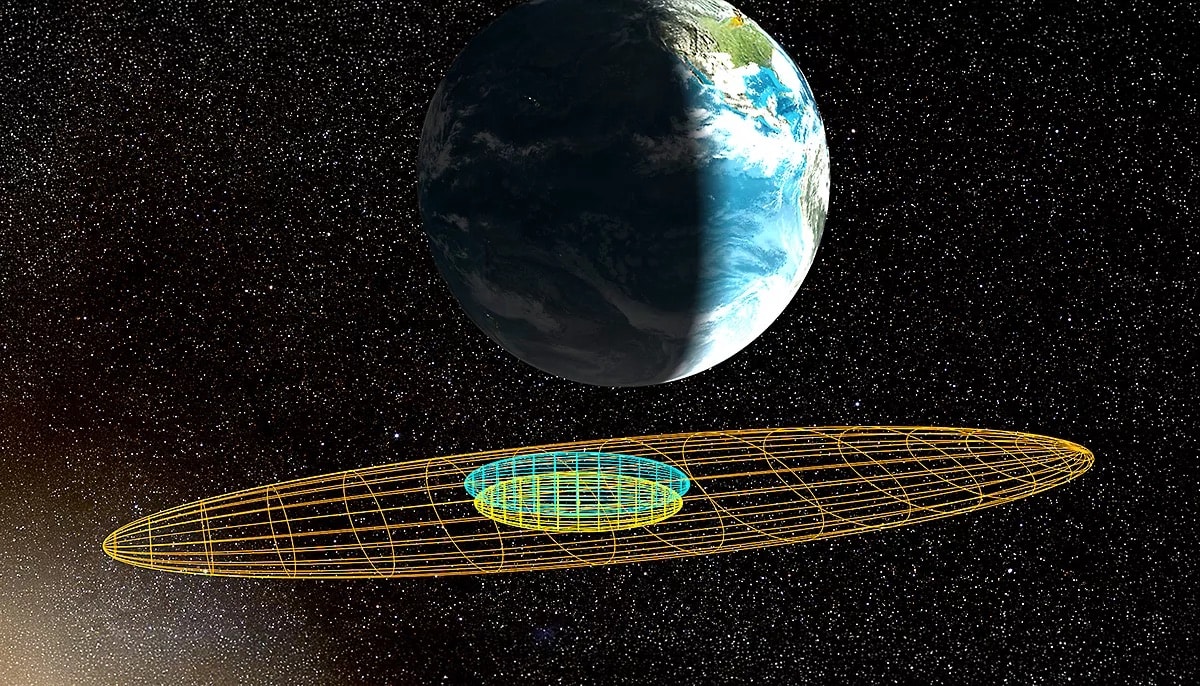
During his appearance at a Center for Strategic & International Studies (CSIS) event held in March, Major General Gregory Gagnon, a top U.S. Space Force official, said that the U.S. Space Force expects to launch more than 100 satellites in 2025.
Have you ever considered the challenges of operating in space that companies must address when designing satellites for military and non-military applications? In the latest issue of Ansys Advantage, simulation software provider Ansys outlined these considerations in their article "The State of Satellites: Applications, Challenges and Opportunities." According to Patrick North, Principal R&D Engineer, Ansys, "power, space, and weight" are the primary factors that systems engineers must consider when designing new satellites.
North is the guest on this episode of the Aerospace & Defense Technology podcast to explain how major aerospace and defense companies use their advanced simulation software and tools to design and model defense satellites for a wide variety of applications.
Subscribe to the Aerospace & Defense Technology podcast on Apple Podcasts or Spotify .
Sponsored by Omniseal Solutions and Siemens.


More From SAE Media Group


Aerospace INSIDER
Boeing to Develop New Space Force Nuclear Communications Satellites


Aerospace INSIDER
Boeing's New Approach to 3D Printing Solar Arrays for Satellites
Aerospace INSIDER
Aitech’s New Palm-Sized Satellite Enables Space-Based AI Processing

Aerospace & Defense Tech Briefs
How the US Space Force is Leveraging Commercial Antennas for Defense Applications




Podcasts
What Is Generative AI at the Edge?
Aerospace & Defense Tech Briefs
New Zealand and LeoLabs Establish the First Low-Earth Orbit Regulatory Platform
Aerospace & Defense Tech Briefs
Techstars and Starburst Start New Space Technology Business Accelerator
Aerospace INSIDER
Vulcan Rocket Completes First National Security Launch for Space Force
Aerospace INSIDER
Are Defense Satellites Ready for Space-Based Laser Communications?


Aerospace INSIDER
Boeing X-37B Latest Mission Tests Quantum Inertial Sensor in Space

Aerospace INSIDER
Paris Air Show: New Aerospace Technologies, Updates and Research

NASA Spinoff
Make Way for Satellites

Top Stories
INSIDERManufacturing & Prototyping
 How Airbus is Using w-DED to 3D Print Larger Titanium Airplane Parts
INSIDERManned Systems
 FAA to Replace Aging Network of Ground-Based Radars
NewsTransportation
 CES 2026: Bosch is Ready to Bring AI to Your (Likely ICE-powered) Vehicle
NewsSoftware
 Accelerating Down the Road to Autonomy
EditorialDesign
 DarkSky One Wants to Make the World a Darker Place
INSIDERMaterials
 Can This Self-Healing Composite Make Airplane and Spacecraft Components Last...
Webcasts
Defense
 How Sift's Unified Observability Platform Accelerates Drone Innovation
Automotive
 E/E Architecture Redefined: Building Smarter, Safer, and Scalable...
Power
 Hydrogen Engines Are Heating Up for Heavy Duty
Electronics & Computers
 Advantages of Smart Power Distribution Unit Design for Automotive...
Unmanned Systems
 Quiet, Please: NVH Improvement Opportunities in the Early Design...
