




Wrecking Ball
It seems the chaos is just starting as the industry tries to stay on track despite chaotic moves by a new United States presidential administration.

It is a fool’s errand to make timely comments – in print! – about our current political turmoil. Even so, it feels important to place a marker in the sand to note the ongoing political reign of tariff threats, the upheaval potential of a demolished regulatory state affecting road and vehicle safety, and the damage that cuts to electric vehicle support might do to American automakers attempting to keep technological pace with their global automaker peers. It’s a lot.
The mainstream press is reporting the broad strokes of the industry’s reaction to the new president. Ford CEO Jim Farley said Trump’s erratic threats and changes are adding “a lot of cost and a lot of chaos” to the automotive industry and that a 25% tariff would “blow a hole in the U.S. industry that we've never seen.” Volvo Cars CEO Jim Rowan said that profitability would suffer under any tariffs, whether those are the general 25% tariffs on Canada and Mexico (now seemingly canceled after Trump backed down), just-announced 10% tariffs on steel and aluminum or some yet-to-be-spoken-aloud new tariff concept. Industry analyst Sam Fiorani told The Independent the obvious truth that “raising the price of what is among the most important components of the vehicle is only going to raise the prices of an already expensive product.”
It’s a lot.

We all know ─ because we hear it all the time, because it’s true ─ that changes take time in the automotive industry. Pushed by competition and customers, OEMs are discovering just how much faster they can develop new models and technologies. An administration tossing landmine after landmine in their path isn’t going to help.
And what happens in the R&D spaces? How does one accurately make engineering decisions given this level of tumult? Do certain advances in steel technology, for example, have to be postponed because of high supply costs? The industry ─ and consumers ─ saw what happened when chips became difficult to get during the pandemic, but who knows what might happen?
Preparing for an unknown future is part and parcel of designing a vehicle, but I’ve got to imagine that engineering offices around the U.S. are having interesting discussions about what to do that we haven’t seen in ages. If you’ve been in any of these meetings and want to share your thoughts (not trade secrets), please reach out, even anonymously.
I ask for your comments because from what we can tell right now, the people creating the chaos won’t notice or do much to fix problems that may hit the industry. Legendary tech journalist Kara Swisher has covered Silicon Valley and ostensible automotive CEO Elon Musk better than most anyone for the past decade. Asked to assess the potential carnage coming to the American scene, not just the auto industry, she said, “[People like Musk and Trump] don’t care about the consequences of damage. They do not care. They don’t anticipate it.”
‘They don’t care for you,” she added. “You are nothing.”
What is nothing’s response?
Sebastian Blanco is editor-in-chief of Automotive Engineering.
More From SAE Media Group
Automotive Engineering
Martinrea's New Tech Center Focuses on Subframe Innovation
Automotive Engineering
Tesla Casts a New Strategy for Lightweight Structures
Automotive Engineering
Steel Targets EV Structures, Battery Boxes

Automotive Engineering
Altair Honors Weight-Saving Innovations
Automotive Engineering
Suppliers Face the Electrified Future
Automotive Engineering
Toyota Improves ‘Little Things’ to Refine 2020 Highlander Manufacturing
Automotive Engineering
2022 Honda Civic Hatchback Enjoys Premium Assembly, Weight-Cutting Measures
Autonomous Vehicle Engineering
Budget Airline Car Concept Is the Short-flight Alternative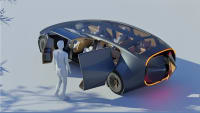
Automotive Manufacturing and Machining
Aluminum’s Rising Star
Automotive Engineering
Engineering a ‘Beast’ of an Electric SUV
Off-Highway Engineering
Stronger, Quieter Cabs
Automotive Engineering
Acura TLX Is Honda’s New Body-Build Benchmark
Automotive Engineering
Top Mass-Cutting Innovations Receive Altair Enlighten Awards
Off-Highway Engineering
The Economics of Lightweighting in Heavy-Duty Vehicles
Automotive Engineering
Blazer EV Is a Steel-Intensive Showcase
Off-Highway Engineering
Electric-Truck Battery Enclosures Balance Demands
Off-Highway Engineering
Yokohama Rolls out Latest Off-Highway Radial

Automotive Engineering
Shifting Focus to Rising Costs
Aerospace & Defense Tech Briefs
Tooling Decisions Play Major Role in Cost, Turnaround Time
Automotive Engineering
Cutting Weight Seen as less Important in Automated and Shared Vehicles
Off-Highway Engineering
Racket Busters
Automotive Engineering
Suppliers Struggling to Keep Pace with Faster Product Cycles, Says IHS
Automotive Engineering
An OBE for the SAE
Automotive Engineering
Taiwan Suppliers Look Around the World for Solutions
Automotive Engineering
ZF's CEO Talks About Lightweight Vehicle Applications
Automotive Engineering
2021 Jeep Grand Cherokee L Grows All Around
Automotive Engineering
Peer-Reviewed Study: Steel-Intensive Vehicles Emit Lower GHG Emissions over the Lifecycle
Automotive Engineering
Tesla’s Cybertruck Is Audaciously Austenitic
Top Stories
NewsAutomotive
 Microvision Aquires Luminar, Plans Relationship Restoration, Multi-industry Push
INSIDERDesign
 A Next Generation Helmet System for Navy Pilots
INSIDERWeapons Systems
 New Raytheon and Lockheed Martin Agreements Expand Missile Defense Production
NewsPower
 Ford Announces 48-Volt Architecture for Future Electric Truck
INSIDERAerospace
 Active Strake System Cuts Cruise Drag, Boosts Flight Efficiency
ArticlesTransportation

Webcasts
Aerospace
 Cooling a New Generation of Aerospace and Defense Embedded...
Test & Measurement
 Battery Abuse Testing: Pushing to Failure
Internet of Things
 A FREE Two-Day Event Dedicated to Connected Mobility
Transportation
 Quiet, Please: NVH Improvement Opportunities in the Early Design Cycle
Electronics & Computers
 Advantages of Smart Power Distribution Unit Design for Automotive &...
Aerospace
 Sesame Solar's Nanogrid Tech Promises Major Gains in Drone Endurance