




AI-Powered Radar Warning Receiver for Fourth Generation Aircraft
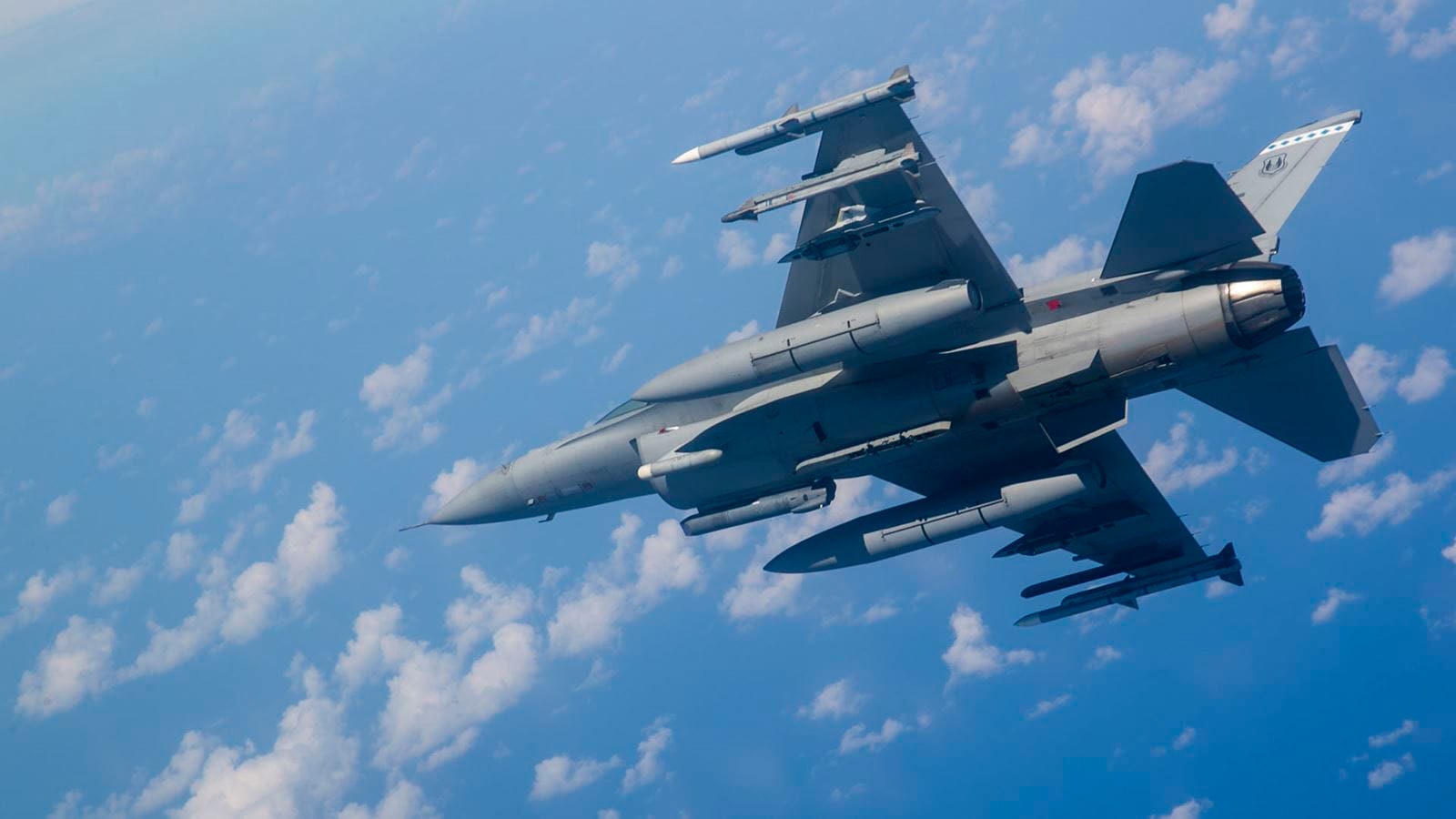
Raytheon has completed flight testing on its first-ever artificial intelligence/machine learning (AI/ML)-powered Radar Warning Receiver (RWR) system for a fourth-generation aircraft.
The Cognitive Algorithm Deployment System, known as CADS, combines the latest Embedded Graphics Processing Unit with Deepwave Digital's computing stack, enabling AI models to be integrated into Raytheon's legacy RWR systems for AI/ML processing at the sensor. This integration allows CADS to employ cognitive methods to sense, identify and prioritize threats. With the CADS capability, the enhanced RWR will increase aircrew survivability while facilitating the rapid and cost-effective mass deployment of modern AI/ML capabilities.
"The advantages of AI in defense systems are extensive, and our recent CADS test demonstrates how commercially available products, paired with advanced algorithms and cognitive methods, can help the U.S. and its allies outpace peer threats," said Bryan Rosselli, President of Advanced Products and Solutions at Raytheon. "CADS' ability to quickly process data and run third-party algorithms that prioritize threats, with almost no latency will significantly enhance survivability for military personnel."
Initial CADS hardware and cognitive radar processing capabilities were tested on Raytheon's flight test aircraft. CADS performed successfully during additional flight testing and demonstrations on an F-16 at the Air National Guard's test range near Tucson, Arizona in December. The flight tests incorporate containerized AI/ML techniques from the Georgia Tech Research Institute, Vadum, Inc., and Raytheon's cognitive electronic warfare team.
CADS is expected to begin being procured across multiple platforms in early 2025.
More From SAE Media Group
Aerospace INSIDER
The Future of Avionics: Machine-Learned and Certified
Aerospace INSIDER
Germany's New Military Surveillance Jet Completes First Flight
Aerospace & Defense Tech Briefs
A Perspective on GVSC Crewstation Development and Addressing Future Ground Combat Vehicle Needs
Aerospace INSIDER
Northrop's New Multifunction Active Electronically Scanned Array
Aerospace Manufacturing and Machining INSIDER
Army Launches CMOSS Prototyping Competition for Computer Chassis and Cards
Aerospace INSIDER
First F-15Es Equipped With EPAWSS Ready for Flight
Aerospace INSIDER
L3Harris Starts Low Rate Production Of New F-16 Viper Shield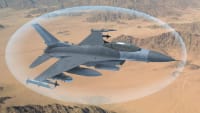
Defense INSIDER
New Combat Pod System Wakes Up with Software Updates



Aerospace & Defense Tech Briefs
Electronic Warfare Development Targets Fully Adaptive Threat Response Technology

Aerospace INSIDER
A-10 Warthog to Get New Mission Computer


Aerospace & Defense Tech Briefs
Counter Unmanned Aircraft System

Aerospace INSIDER
Time-Sensitive Networking for the Army’s HADES Jets
Aerospace & Defense Tech Briefs
New Products
Defense INSIDER
Artificial Intelligence Helps Soldiers Learn Faster
Aerospace & Defense Tech Briefs
The Marines New Installation Counter UAS System
Aerospace & Defense Tech Briefs
AIA Predicts Flying Air Taxis, Supersonic Air Travel, and Space Industry for 2050
Aerospace INSIDER
Osprey MK III Completes First Autonomous Flight
Aerospace INSIDER
Northrop Grumman to Develop Prototype Artificial Intelligence Assistant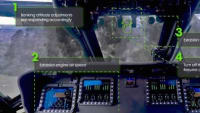

Aerospace & Defense Tech Briefs
AI Co-Pilot Enhances Human Precision for Safer Aviation
Aerospace & Defense Tech Briefs
Certified Machine Learning-Based Avionics
Top Stories
NewsSensors/Data Acquisition
 Microvision Aquires Luminar, Plans Relationship Restoration, Multi-industry Push
INSIDERRF & Microwave Electronics
 A Next Generation Helmet System for Navy Pilots
INSIDERWeapons Systems
 New Raytheon and Lockheed Martin Agreements Expand Missile Defense Production
NewsAutomotive
 Ford Announces 48-Volt Architecture for Future Electric Truck
INSIDERAerospace
 Active Strake System Cuts Cruise Drag, Boosts Flight Efficiency
ArticlesTransportation

Webcasts
Aerospace
 Cooling a New Generation of Aerospace and Defense Embedded...
Energy
 Battery Abuse Testing: Pushing to Failure
Power
 A FREE Two-Day Event Dedicated to Connected Mobility
Automotive
 Quiet, Please: NVH Improvement Opportunities in the Early Design Cycle
Electronics & Computers
 Advantages of Smart Power Distribution Unit Design for Automotive &...
Unmanned Systems
 Sesame Solar's Nanogrid Tech Promises Major Gains in Drone Endurance