




Environmental Testing Preps for Tighter Regulations
Weiss Technik uses patented LEEF standard, using R449A, to make chambers compliant with future regulations.
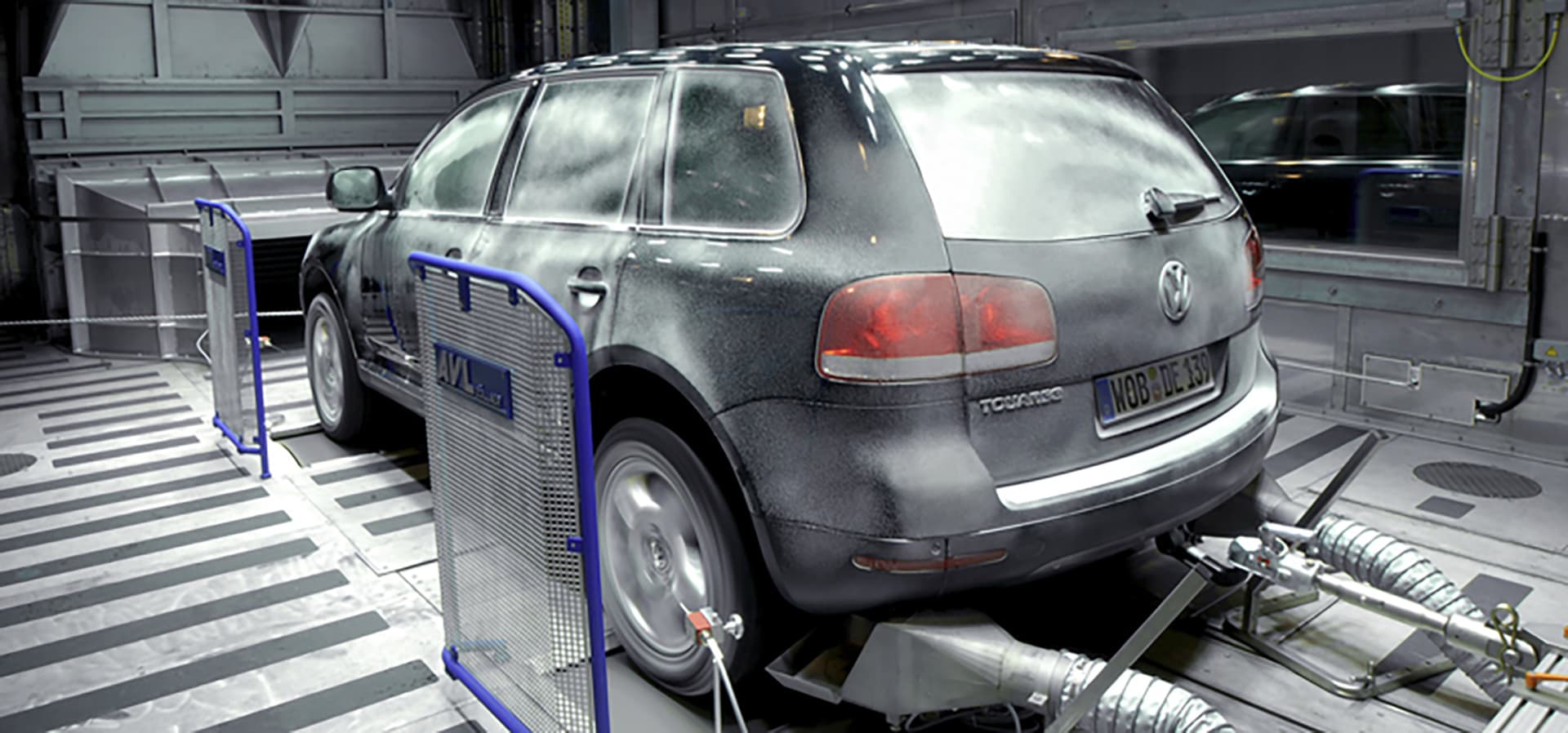
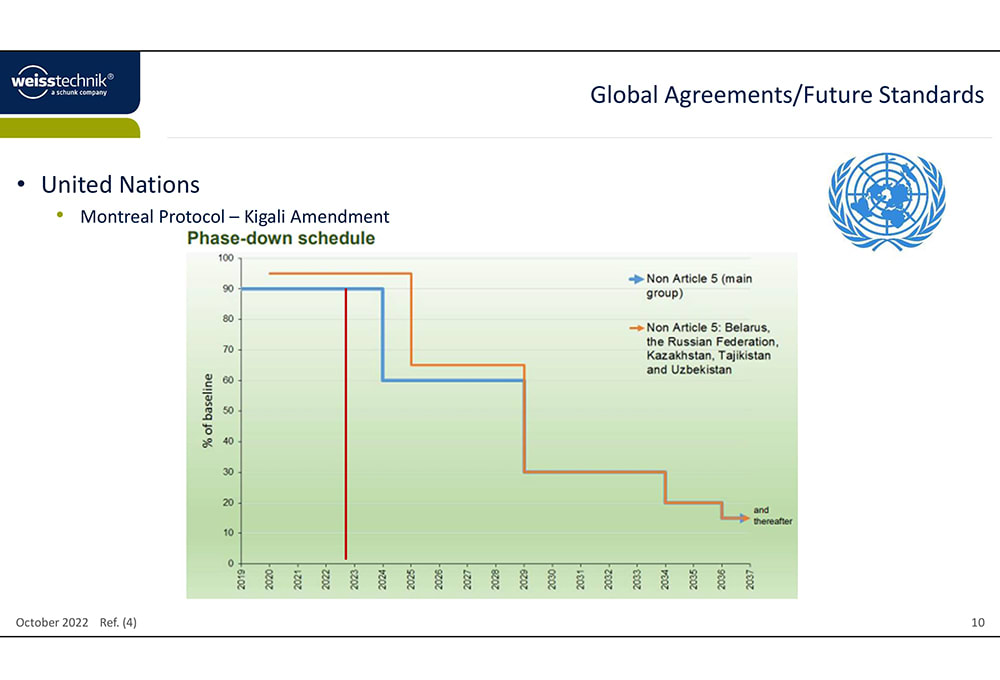
Most engineers are used to the steady winds of change in refrigerant regulations as global agreements lead to new standards from the U.S. EPA and its counterparts in Europe and Asia. At the 2022 Automotive Testing Expo in Novi, Mich., one environmental-testing-chamber company gave an overview of its new technology that uses R449A to meet the looming standards. Beginning in 2024, Montreal Protocol A2, which includes the U.S. and most developed countries, calls for hydrofluorocarbon (HFC) use to drop from 90% of a baseline set 10 years ago all the way to 60%.
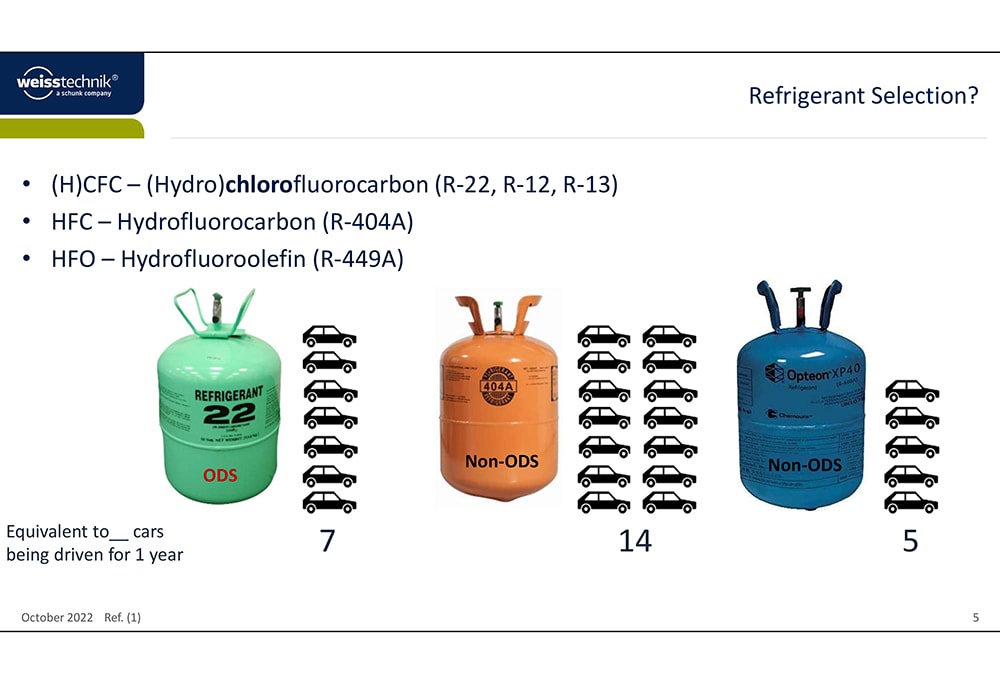
The move toward new refrigerant is being driven by a focus on ozone depleting substances (ODS) that has largely driven those with that classification out of use. Instead, the emerging focus is on a refrigerant’s global warming potential (GWP). For instance, R404A, commonly used in medium and low temperature refrigeration applications, has a GWP of 3,922. R409A, originally developed as a replacement for R12, has a GWP of 1,585. It is used in walk-in coolers and supermarket refrigeration systems.


“We essentially resolved the ODS issue, and GWP is the new focus,” said Taylor Felton, a product engineer with Weiss Technik North America, a test-chamber manufacturer based in Kentwood, Mich.
A number of common refrigerants, including R404A, R134A, R410A and R407C are among the high-GWP refrigerants that are affected. Felton underscored that R404A is already banned in Europe, and a phase-down in U.S. production in 2024 is required by the American Innovation and Manufacturing (AIM) Act of 2020. Reducing production by 30% would meet that 2024 requirement.
“Test chambers are a long-term investment,” Felton said. “Will the refrigerant you’re using now even be available in 20 years?” Weiss Technik’s patented LEEF (leading energy-efficient footprint) technology allows a faster ramp rate to cooler chamber temps, more precise control and lower overall operating costs, the company claims, while using R-449A, which is low-GWP certified at 1,397.

“LEEF technology became a reality after pairing optimally sized compressors, using 449A as a low-GWP refrigerant, and thousands of hours of research,” Felton said. “A powerful controller was needed for this application, but we achieved success with the end result.”
“LEEF technology gives us a jump-start to peak power use and also gets us to the set temperature faster. Peak power consumed is also lower than our classic refrigeration standard, which is two cascaded 30-hp compressors.” “If you’re running them 24 hours a day, and you have a large test facility, there would be huge savings,” he said. For low-stage chambers that are cooled to -70C (-94 F), Felton said the company uses R508B, which is still unregulated (only high-stage uses are currently regulated). “But we are already looking to the next low-stage refrigerant, because the current refrigerant has a lot of room for improvement at 13,000 GWP,” he said. “It will be regulated, it’s just a matter of when.” Because test chambers are often in use for 20 years or more, and are thus a long-term investment, Felton urged companies to begin planning for the sustainable future no matter how recently they purchased new equipment. “Is sustainability a core value of your business?” he asked. “Are you prepared?”
More From SAE Media Group
Off-Highway Engineering
SAE WCX 2022: All Transportation Modes Targeting Alternative Fuels

Aerospace & Defense Tech Briefs
Boeing Reports on Its Environmental Efforts

Off-Highway Engineering
Addressing Electromagnetic Compatibility in the Context of Aircraft Electrification
Automotive Engineering
SAE International Releases New Process for Measuring Aerosols in Aircraft Exhaust
Off-Highway Engineering
SAE WCX 2022: The Road to Zero Emissions Has Many Lanes
Automotive Engineering
WCX 2025: Dumarey Launches U.S. Subsidiary for Better ICEs
Automotive Engineering
EPA to Lighten Obama-Era Vehicle Emissions Standards
Aerospace & Defense Tech Briefs
Rolls-Royce Starts Lean-Burn Combustion Engine Icing Tests
Off-Highway Engineering
Realizing Software-Defined Commercial Vehicles
Off-Highway Engineering
Commercial Vehicles Begin Shift to R-1234yf Refrigerant
Off-Highway Engineering
Study: Excessive Real-World NOx Emissions from HD Diesel Pickups
Off-Highway Engineering
Perkins Tackles Decarbonization of Off-Highway Machines
Off-Highway Engineering
Zeroing in on Zero-Carbon Fuels
Automotive Engineering
Engineering Sustainability
Automotive Engineering
Electric-Vehicle Legislation in California – Third Time the Charm?
Automotive Engineering
Fuels to Transition the Global Legacy Fleet
Off-Highway Engineering
Kubota Engine High on HVO, Hydrogen and Hybrids
Off-Highway Engineering
Off-Highway Emissions Set to Get Stricter
Off-Highway Engineering
Emissions Reductions Continue to Disrupt CV Industry
Automotive Engineering
Powertrain Analyst: Light-Vehicle Fleet Needs Big Gains to Meet Tightening Emissions Regs
Off-Highway Engineering
Allison Builds a Testing Powerhouse
Automotive Engineering
GM Pushes for Industry Standards as It Readies More EVs, AVs
Off-Highway Engineering
Advancing Aftertreatment
Automotive Engineering
‘They’ Said It Couldn’t Happen: A Possible Retrofit for Automotive R-134a Refrigerant
Off-Highway Engineering
Cleaner Trucks Initiative Starts NOx-Reduction Journey
Automotive Engineering
Suppliers Prepare for a Drop in EV Market Share
Off-Highway Engineering
Propane Powers Ahead for Medium Duty Sector
Off-Highway Engineering
Maintaining Protection for Next-Gen HD Engine Lubricants
Top Stories
INSIDERManufacturing & Prototyping
 How Airbus is Using w-DED to 3D Print Larger Titanium Airplane Parts
INSIDERManned Systems
 FAA to Replace Aging Network of Ground-Based Radars
NewsTransportation
 CES 2026: Bosch is Ready to Bring AI to Your (Likely ICE-powered) Vehicle
NewsSoftware
 Accelerating Down the Road to Autonomy
EditorialDesign
 DarkSky One Wants to Make the World a Darker Place
INSIDERMaterials
 Can This Self-Healing Composite Make Airplane and Spacecraft Components Last...
Webcasts
Defense
 How Sift's Unified Observability Platform Accelerates Drone Innovation
Automotive
 E/E Architecture Redefined: Building Smarter, Safer, and Scalable...
Power
 Hydrogen Engines Are Heating Up for Heavy Duty
Electronics & Computers
 Advantages of Smart Power Distribution Unit Design for Automotive...
Unmanned Systems
 Quiet, Please: NVH Improvement Opportunities in the Early Design...
