




Autonomous-Vehicle Ridesharing Remains in Uber’s Sightlines
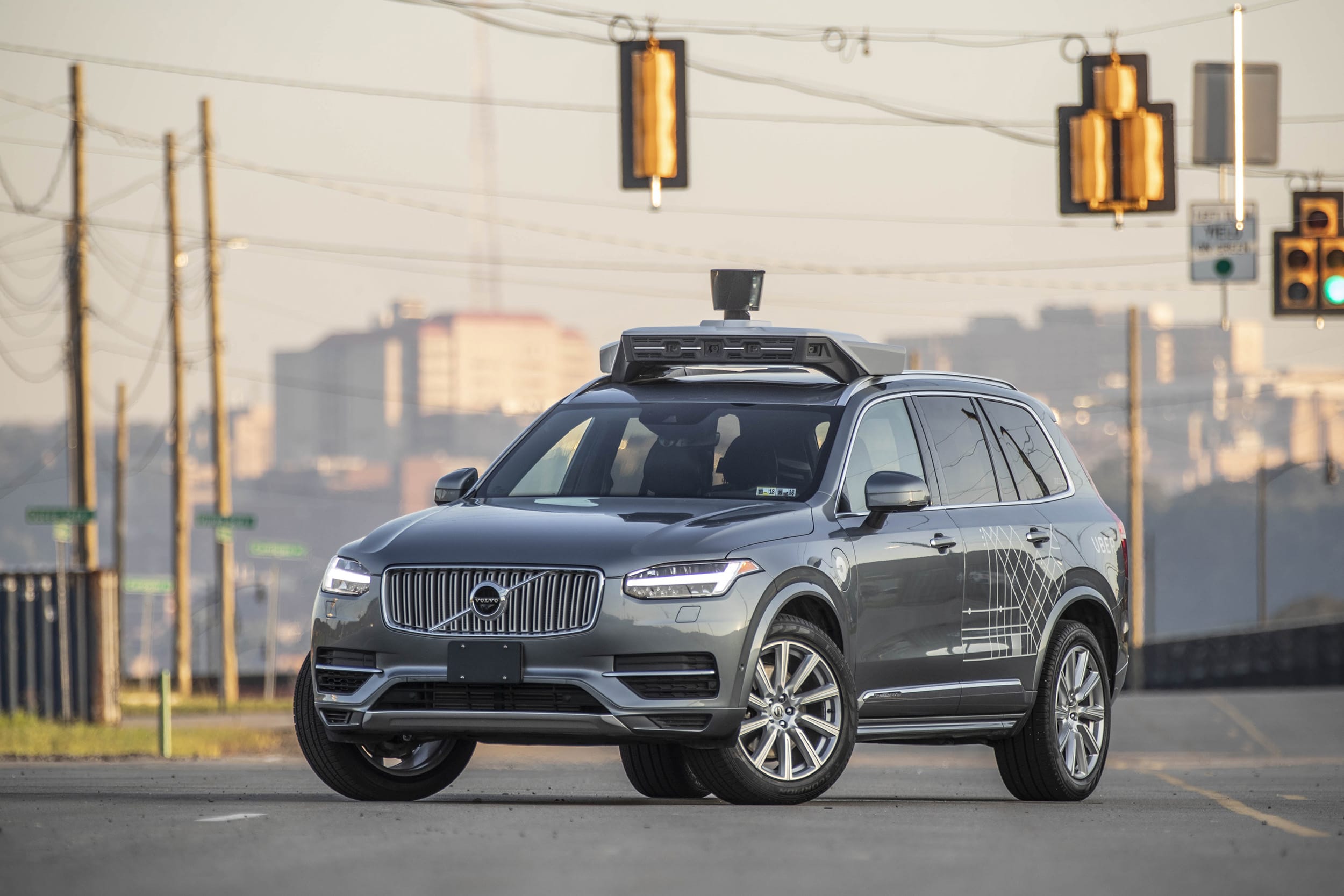
Uber hasn’t set a timeline for deploying autonomous vehicles (AVs) on its worldwide ridesharing network, but plenty has happened since the company began development work in 2015. The rideshare company restarted AV test drives on select public roads in December 2018, nine months after one of its self-driving Volvo development vehicles was involved in a pedestrian fatality in Tempe, Arizona.
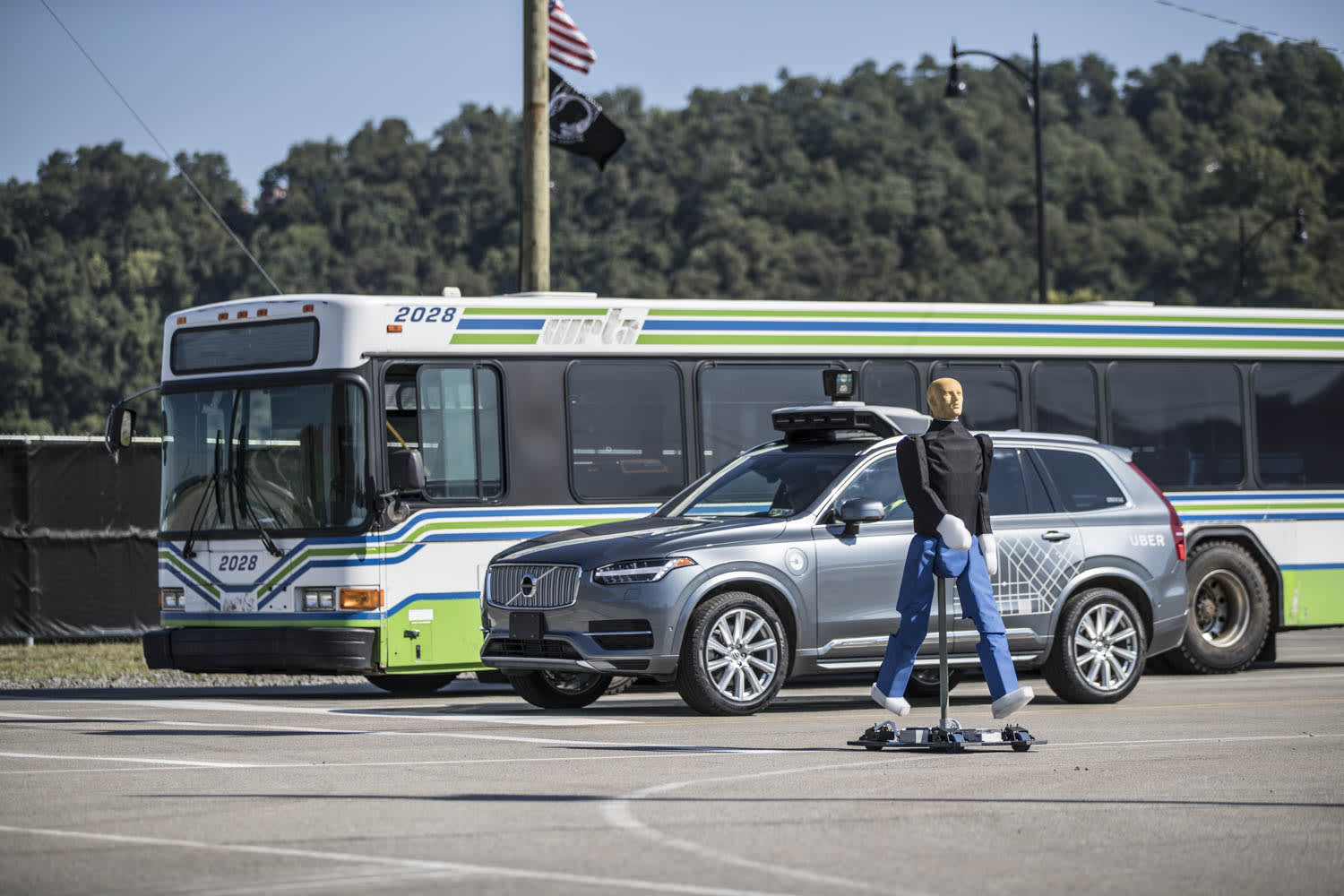
“A larger and larger amount of our testing is now being accomplished with simulation. We’re also now concentrating our physical resources more on the test track, or on very specific road tests that can prove out things that we’ve already checked in simulation and on the track,” Stephen Lesh, Head of Hardware Engineering & Vehicle Programs for Uber’s Advanced Technologies Group (ATG), said in an interview with SAE's Autonomous Vehicle Engineering at the recent M:bility Detroit conference.

More than 1,000 engineers and other specialists are working at Uber ATG hubs in Pittsburgh, San Francisco and Detroit, as well as in Toronto for R&D projects. Volvo XC90 SUVs have been Uber’s autonomous-driving test fleet mainstay, but other vehicles are slated to join the development program.
Uber and Toyota announced a deeper AV collaboration in August 2018. Each company’s technologies will be integrated into purpose-built Toyota vehicles with the initial Autono-MaaS (autonomous mobility as a service) fleet based on the Toyota Sienna minivan platform. According to a Toyota Research Institute spokesperson, vehicle deliveries are slated for 2021. Said Lesh, “We plan to work with multiple OEMs now and in the future. Although we’ve announced some collaborations and partnerships, we haven’t announced everything.”
Technology-acquisition options
Uber’s test vehicles are retrofitted with DC-DC converters and other off-the-shelf hardware, but not all of the needed technologies are commercially available—or available from a supplier. “If a technology doesn’t exist, we design it. If a technology partially exists, we partner to develop it,” said Lesh, noting that companies developing the next generation of sensing and compute technologies are among Uber’s supplier partners.
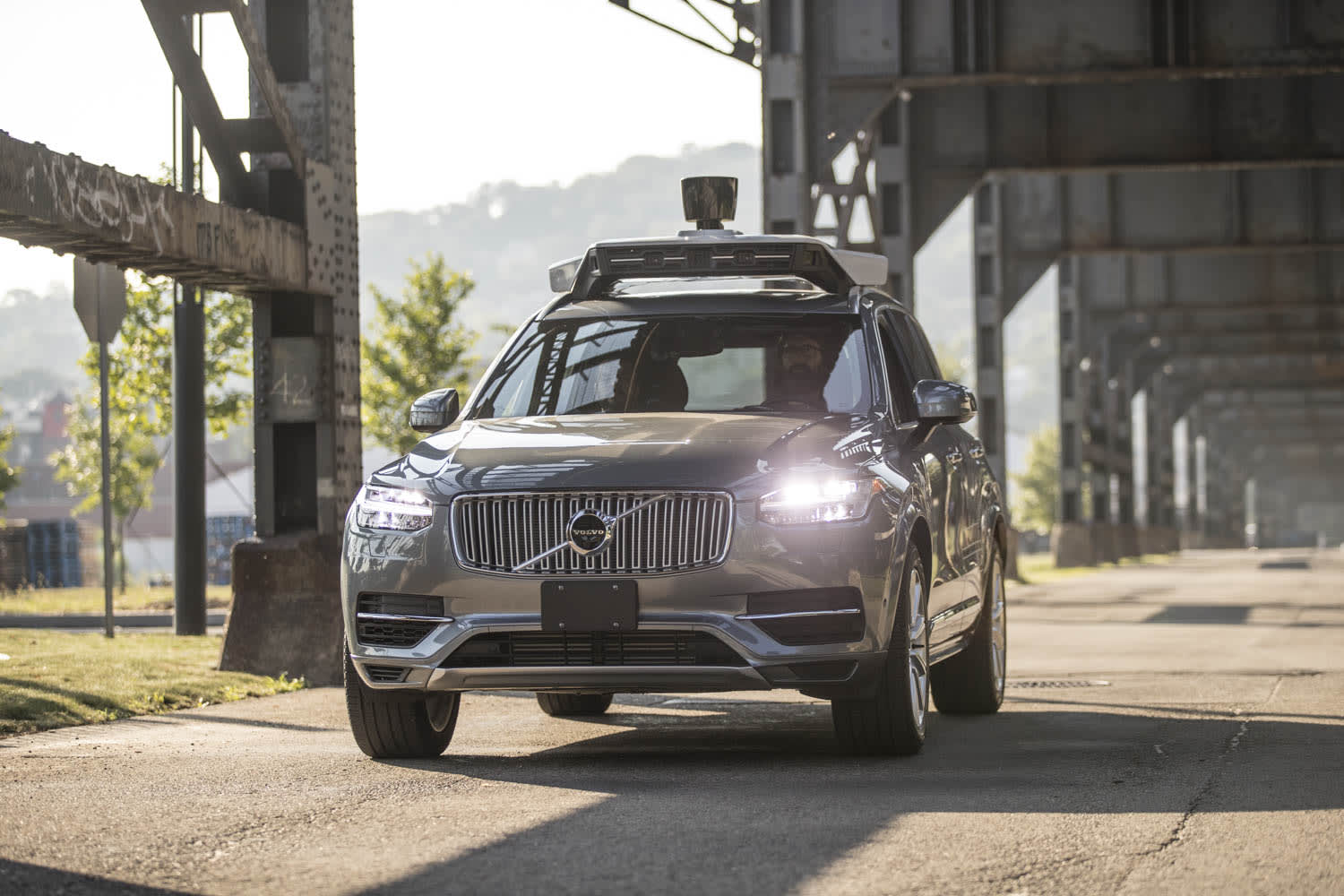
Virtually all development projects at Uber have a tandem focus. “We work on both the hardware and the software as a single engineering team—and we think that’s one of the advantages that Uber has versus companies that are just doing software and then buying a hardware kit,” Lesh said.
Field-of-vision studies for sensors using Computer-Aided Engineering (CAE) analysis is a prime point of investigation. “Compared to designing human-driver sightlines via the seating position and pillar locations, we need autonomous rideshare vehicles to be set up with all the sensors having an optimum field-of-view to the surroundings. That’s why we’re doing a lot of work relating to the lines of sight,” Lesh said.
Every day around the world, Uber drivers complete 15 million rideshare trips. “We want autonomous vehicles to supplement that network, not replace it.,” Lesh said. Today, there aren’t any Uber network trips with AVs. “It’s hard to predict timing, but regulatory actions need to occur and the public needs to trust that the autonomy is verified and that it’s safe. Those factors will drive our network rideshare deployment,” Lesh maintained.
More From SAE Media Group
Autonomous Vehicle Engineering
Platform-Agnostic Interface Aims to Accelerate Truck Autonomy
Automotive Engineering
As Early Autonomy Questions Roil the Industry, Toyota Hews to Driver-Enhancement Philosophy
Autonomous Vehicle Engineering
Silicon Valley Summit Refines Autonomous Safety Thinking
Autonomous Vehicle Engineering
May Mobility Starts ADA-Compliant AV Transit for Rural Area
Automotive Engineering
Autonomous Transit Bus Nears Its First Year of Operation
Off-Highway Engineering
Arctic Autonomy
Automotive Engineering
Preview: SAE 2021 WCX
Off-Highway Engineering
Autonomous Trucking Hits Rocky Road
Autonomous Vehicle Engineering
Horiba MIRA’s Vision for World-Class AV Testing
Off-Highway Engineering
Daimler Truck and Torc Intensify Pursuit of Autonomous Trucks
Automotive Engineering
MOIA’s L4 ID. Buzz AVs Starting Service Next Year
Autonomous Vehicle Engineering
Building Geofences to Speed AV Adoption
Autonomous Vehicle Engineering
Origin of the Species
Off-Highway Engineering
WCX 2021: Top Engineers Talk Industry Transformation
Automotive Engineering
Intel’s New U.S. Study Claims Autonomous Vehicles Expected to Be Common in 50 Years
Autonomous Vehicle Engineering
Navigating the Language of Vehicle Autonomy
Automotive Engineering
Toyota Chairman Akio Toyoda on Mobility, Sustainable Cities, and Rockets
Automotive Engineering
Talking SDVs and Zonal Architecture with TE Connectivity
Automotive Engineering
Uber, Toyota Suspend AV Testing After Arizona Fatality
Automotive Engineering
Hyundai Reveals Market-Sized 2022 Tucson SUV
Autonomous Vehicle Engineering
Hot New ‘Hands-On’ Turn in ADAS Safety Research
Automotive Engineering
WCX 2019: The AV “Money Race” Is On
Autonomous Vehicle Engineering
Extending EV Range with AV Programming
Autonomous Vehicle Engineering
Going the Last Mile
Automotive Engineering
Tactile Data for Autonomous Driving Recognized with TU-Automotive Award
Automotive Engineering
WCX 2019: Validation Can’t Replace Roadway Tests
Automotive Engineering
StreetDrone Proposes Top 10 Safety Rules for AV Developers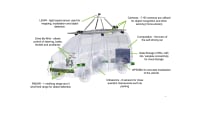
Automotive Engineering
Volvo EX90 Uses AI, NVIDIA SoC to Make Automated Driving Safer
Automotive Engineering
Toyota Unveils Autonomous E-Commerce Concept Vehicle, Development Alliance
Automotive Engineering
Autonomy, Connectivity to Radically Change Vehicle Design, Ownership
Top Stories
NewsSensors/Data Acquisition
 Microvision Aquires Luminar, Plans Relationship Restoration, Multi-industry Push
INSIDERRF & Microwave Electronics
 A Next Generation Helmet System for Navy Pilots
INSIDERWeapons Systems
 New Raytheon and Lockheed Martin Agreements Expand Missile Defense Production
NewsAutomotive
 Ford Announces 48-Volt Architecture for Future Electric Truck
INSIDERAerospace
 Active Strake System Cuts Cruise Drag, Boosts Flight Efficiency
ArticlesTransportation

Webcasts
Aerospace
 Cooling a New Generation of Aerospace and Defense Embedded...
Energy
 Battery Abuse Testing: Pushing to Failure
Power
 A FREE Two-Day Event Dedicated to Connected Mobility
Automotive
 Quiet, Please: NVH Improvement Opportunities in the Early Design Cycle
Electronics & Computers
 Advantages of Smart Power Distribution Unit Design for Automotive &...
Unmanned Systems
 Sesame Solar's Nanogrid Tech Promises Major Gains in Drone Endurance