




Autonomy, Connectivity to Radically Change Vehicle Design, Ownership
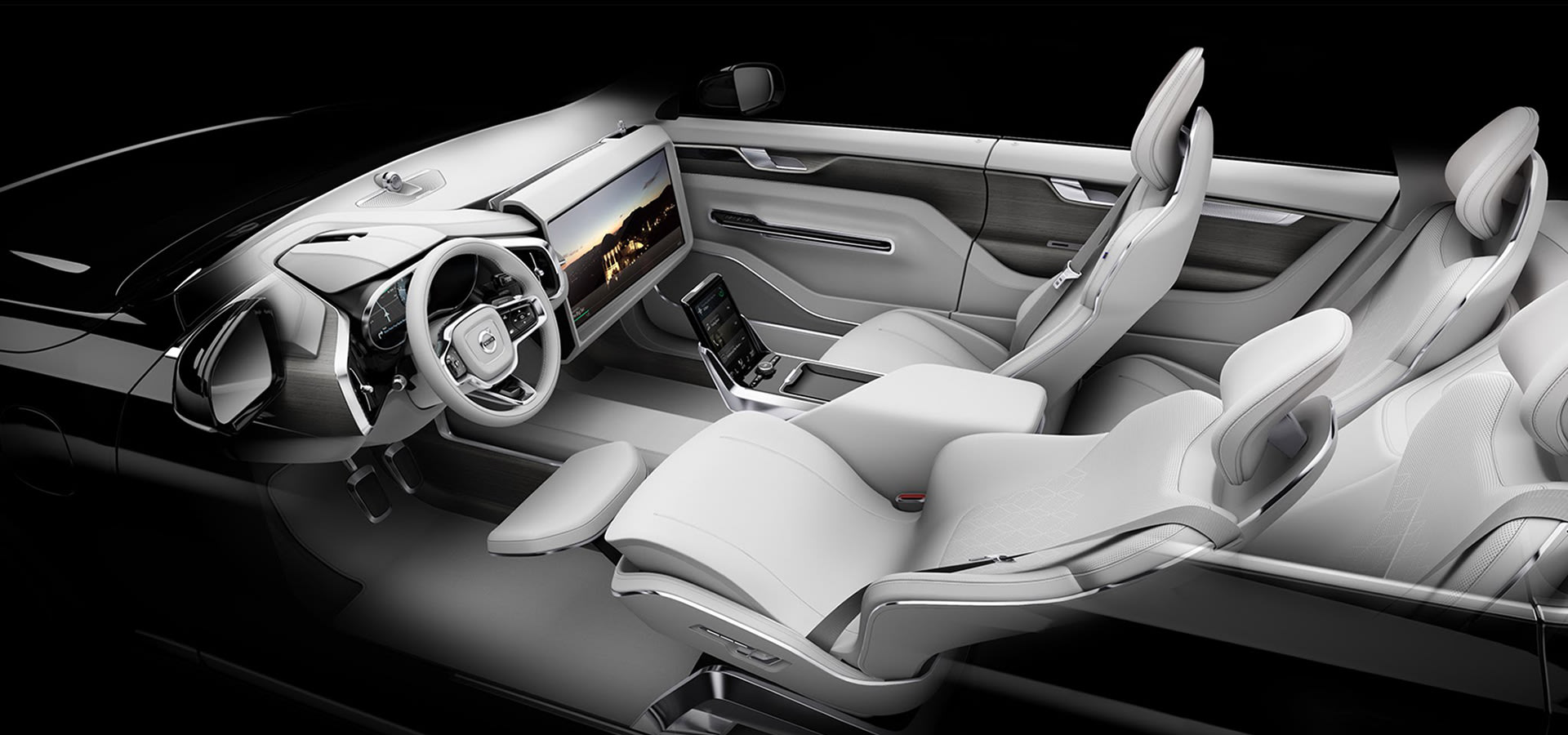
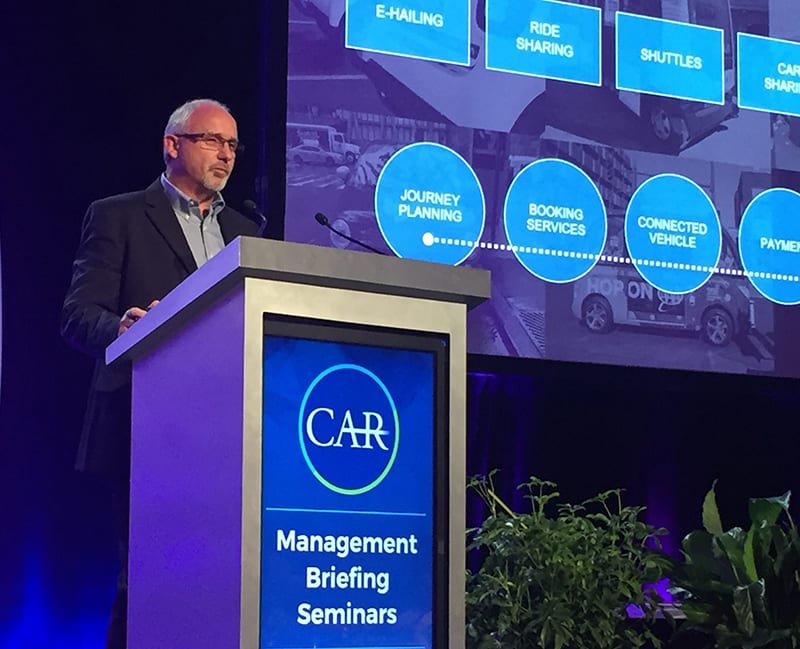
Speakers at a session at the 2018 Management Briefing Seminars in Traverse City, Mich. on how autonomy developments will affect the design and use of personal vehicles agree that profound changes are coming—although some undoubtedly faster than others.
Seat maker Adient’s Dr. Detlef Juerss, VP of engineering and chief technology office, said, “For a very long time, there will be very traditional cars,” but added that increasing levels of driver-assist and autonomous features will enhance the comfort, convenience and safety of even everyday vehicles.
Dr. RJ Scaringe, founder and CEO of Rivian, a startup aiming to produce an all-new electric-vehicle architecture for SUVs and pickup trucks—as well as its own “self-driving system”—takes a more sweeping view, however, calling today’s ownership model for personal vehicles “fundamentally flawed” and that “new (transportation) consumption models will have a profound impact on our business.”
Scaring said personal-ownership of vehicles isn’t efficient and will tail off as automated driving functionality and the resultant mobility-as-a-service (MaaS) business models become the more financially attractive option. “Once we allow the vehicle to operate itself,” he said, society will be able to re-evaluate the ownership model.
Location-based use
Adient’s Juerss seems to describe a transportation progression towards something resembling the vision of Scaringe, describing three “emergent” mobility types that he believes will largely define the market’s transformation:
Shared vehicles will operate mostly in mega-cities and congested areas and be based on a model of high utilization, urban space efficiency (i.e. comparatively small footprints) and increased safety.
Owned autonomous vehicles will be most prevalent in medium-sized cities, Juerss said, and offer increased comfort and functional safety for long-distance drives. And there will remain traditional and vintage vehicles that are owned by individuals and used recreationally and for special purposes.
Ian Simmons, VP of business development, corporate engineering and R&D for Magna (right), agreed with Juerss that “There are going to be vehicles you own for many years to come,” adding that he believes the mobility future lies in multi-modal solutions that may take many forms.
To support his multi-modal view, Simmons presents the example of a recent study that examined the time required to travel 1 mile (0.6 km) in central London. The trip took 17 minutes, 41 sec. by car, 7 minutes and 15 sec by motorcycle—and the fastest trip was by bicycle.
The multi-modal view is leading Magna, Simmons said, to orient its vehicle-structure development towards modular architectures that can address various use cases for a wide variety of potential end users. Flexible architectures, he said, will enable the manufacture of vehicles to suit purposes that range from consumer transportation to commercial uses that range from private mobility to delivery and other services.
More From SAE Media Group
Automotive Engineering
Toyota Unveils Autonomous E-Commerce Concept Vehicle, Development Alliance
Automotive Engineering
Making the Case for In-Wheel Motors
Autonomous Vehicle Engineering
Far and Away: Remote Drivers Monitor Autonomous Vehicles
Off-Highway Engineering
WCX 2021: Top Engineers Talk Industry Transformation
Off-Highway Engineering
Platooning Still Promising for Trucking
Autonomous Vehicle Engineering
Extending EV Range with AV Programming
Automotive Engineering
Nvidia’s New Level 2+ Autonomy Platform Is Making Cars Safer Today
Autonomous Vehicle Engineering
May Mobility Starts ADA-Compliant AV Transit for Rural Area
Off-Highway Engineering
Autonomous Trucking Hits Rocky Road
Off-Highway Engineering
ZF Premieres AxTrax 2 Electric Axle Platform at ACT Expo
Automotive Engineering
New-Mobility Visionary Burns: Automated Driving ‘Getting Close’
Off-Highway Engineering
‘Heavy’ Topics on Tap for WCX18
Autonomous Vehicle Engineering
Platform-Agnostic Interface Aims to Accelerate Truck Autonomy
Autonomous Vehicle Engineering
Hopeful but Closer Scrutiny for SAE Level 4 Automation
Autonomous Vehicle Engineering
BMW 7-Series Drives Itself Through Own Assembly
Off-Highway Engineering
USPS Tests Autonomous Semi-Trailers for Long-Haul Mail Logistics
Automotive Engineering
Wireless Road Charging for EVs to Debut in 2023
Off-Highway Engineering
Peloton CEO Talks Level 4 ‘Automated Following’
Off-Highway Engineering
Peloton Develops a Level 4 Automated Platooning System, but Keeps the Driver in Charge
Autonomous Vehicle Engineering
The ‘Buzz’ in Driverless Shuttling
Automotive Engineering
Department of Transportation Asks for Public Input Regarding Relaxing AV Regulations
Off-Highway Engineering
Kodiak Robotics Begins Deliveries Using Self-Driving Long-Haul Trucks
Off-Highway Engineering
First Drive: REE’s Electrifying P7 Delivery Chassis
Off-Highway Engineering
Rearview Cameras for CVs Edge Closer to Regulatory Approval
Autonomous Vehicle Engineering
Delivering on Autonomous Transport
Autonomous Vehicle Engineering
Building Geofences to Speed AV Adoption
Automotive Engineering
Bob Lutz at SAE WCX 2018: ‘It’s All Over’ for Brands, Driving Pleasure
Off-Highway Engineering
Daimler Shows It's Serious About Electric and Automated Truck Development
Off-Highway Engineering
WABCO Adds Autonomous Driving 'Building Blocks' to 2019 Portfolio
Off-Highway Engineering
Teleoperations Will Keep Humans in the AV Loop
Top Stories
NewsSensors/Data Acquisition
 Microvision Aquires Luminar, Plans Relationship Restoration, Multi-industry Push
INSIDERRF & Microwave Electronics
 A Next Generation Helmet System for Navy Pilots
INSIDERWeapons Systems
 New Raytheon and Lockheed Martin Agreements Expand Missile Defense Production
NewsAutomotive
 Ford Announces 48-Volt Architecture for Future Electric Truck
INSIDERAerospace
 Active Strake System Cuts Cruise Drag, Boosts Flight Efficiency
ArticlesTransportation

Webcasts
Aerospace
 Cooling a New Generation of Aerospace and Defense Embedded...
Energy
 Battery Abuse Testing: Pushing to Failure
Power
 A FREE Two-Day Event Dedicated to Connected Mobility
Automotive
 Quiet, Please: NVH Improvement Opportunities in the Early Design Cycle
Electronics & Computers
 Advantages of Smart Power Distribution Unit Design for Automotive &...
Unmanned Systems
 Sesame Solar's Nanogrid Tech Promises Major Gains in Drone Endurance