




Automotive Engineering - July/August 2019
Inside this issue
Supplements
Overview
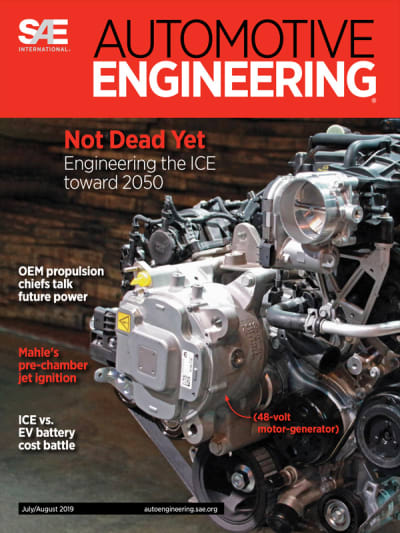
The July/August 2019 issue of Automotive Engineering presents a comprehensive overview of the current trends and challenges in the automotive industry, particularly focusing on the transition towards electrification and advanced vehicle technologies. The issue features insights from industry leaders, highlights technological advancements, and discusses the strategic planning necessary for Original Equipment Manufacturers (OEMs) and suppliers.
Key Themes and Insights
-
Supplier Strategic Planning: Michael Robinet, Managing Director at IHS Markit, emphasizes the urgent need for suppliers to adapt their strategies in response to significant structural changes in the automotive industry. With increasing global competition, trade tensions, and political risks, suppliers must navigate a complex landscape. Collaboration is highlighted as essential for meeting stringent emission standards across various regions, including China, the EU, and North America. The shift towards electrified propulsion and automated driving technologies is reshaping the industry, necessitating a balance between short-term profitability and long-term innovation.
-
Challenges in Vehicle Development: Ken Morris, GM’s VP of Global Product Integrity, discusses the pressing concerns in the current automotive landscape. He notes that internal combustion engines (ICE) will continue to fund the development of battery electric vehicles (BEVs) and autonomous vehicles (AVs). Morris stresses the importance of making ICE vehicles as fuel-efficient as possible while maintaining profitability to support future technologies. He acknowledges the momentum behind traditional vehicles, despite the industry's shift towards electrification.
-
Technological Advancements: The issue covers various technological innovations, including the development of advanced battery technologies crucial for the success of electric vehicles. Analysts point out that for BEVs to gain a competitive edge, battery technology must advance more rapidly than oil industry developments. The magazine also highlights the importance of lightweight materials and efficient design in vehicle production, which are critical for enhancing performance and meeting regulatory standards.
Collaboration and Partnerships: The proposed merger between FCA and Renault is discussed as a strategic move to access technology and expand scale in the electrification space. Similarly, partnerships like that of VW and Ford aim to leverage shared resources to enhance their electric and autonomous vehicle offerings. The issue underscores the importance of collaboration among OEMs and suppliers to navigate the evolving market dynamics effectively.
-
Future of Motorsports: The magazine features a segment on the future of motorsports, particularly focusing on the transition to electric racing. The Audi e-tron FE05, a battery-electric race car, is highlighted as a symbol of this shift. The coverage of the FIA Formula E championship illustrates how the motorsport industry is adapting to new technologies and consumer expectations for sustainability.
-
Emerging Technologies: The issue also explores innovations in engine technology, such as Mahle's pre-chamber combustion technology, which promises to enhance the efficiency of gasoline engines. This reflects a broader trend of optimizing existing technologies while developing new solutions for future mobility.
-
Market Dynamics: The magazine provides a snapshot of the current market dynamics, noting that the automotive industry is experiencing a significant transformation. The shift towards electrification, coupled with changing consumer preferences and regulatory pressures, is reshaping how vehicles are designed, produced, and marketed. The urgency for OEMs and suppliers to adapt to these changes is palpable throughout the issue.
-
Regulatory Environment: The regulatory landscape is a recurring theme, with manufacturers facing increasing pressure to meet stringent emission standards. The issue discusses how these regulations impact vehicle design and production strategies, pushing companies to innovate and invest in cleaner technologies.
Conclusion
The July/August 2019 issue of Automotive Engineering encapsulates the critical challenges and opportunities facing the automotive industry as it transitions towards a more electrified and automated future. Through expert insights and discussions on technological advancements, the magazine provides a valuable resource for industry professionals seeking to understand the evolving landscape. The emphasis on collaboration, innovation, and strategic planning underscores the necessity for OEMs and suppliers to remain agile and forward-thinking in a rapidly changing environment. As the industry moves towards sustainability and advanced technologies, the insights shared in this issue will be instrumental in guiding stakeholders through the complexities of the automotive revolution.
Features
-
Articles
Regulars
-
Technology Reports
Nexcel Project Turns Christmas Trees, Chewing Gum and Flashlight Batteries into Engine Oil
Stories
-
News
SAE Rolls out Introduction to Automated Vehicle Safety in Shanghai
Mercedes Reveals Its Experimental Safety Vehicle 2019 – Mobile Robot Included
Department of Transportation Asks for Public Input Regarding Relaxing AV Regulations
EnginSoft Bringing Crash Simulation Forward with New Model-Design Programs
Is Hydrogen the Future for Trucking?
Gordon Murray Reveals Lightweight T.50 Supercar: V12, Ground-Effects Fan, .5-Million Pricetag
Tactile Data for Autonomous Driving Recognized with TU-Automotive Award
DIN and SAE International Release a Primer for Automated Vehicle Terminology
Canadian Automotive Manufacturers Support Aligning Canadian and U.S. Vehicle Emissions Standards
-
Features
The Sensitive Side of Autonomous Vehicles
Autonomous-Vehicle Ridesharing Remains in Uber’s Sightlines
German University Installing Advanced Simulator to Study Autonomous-Vehicle Handover
5G Cellular-Enabled Test Infrastructure for Autonomous Vehicles Launched at U.K.’s Millbrook
Hot New ‘Hands-On’ Turn in ADAS Safety Research
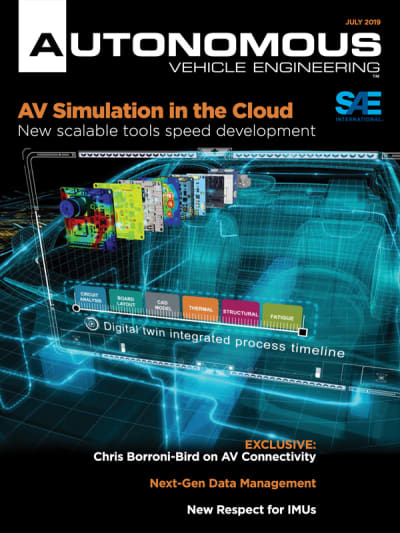
Complexity of Autonomous-Systems Simulation, Validation Soars to the Clouds
The Rodney Dangerfield of Automated-Driving Sensors?
What M&E Can Teach the AV Industry About Data
Delivering on Autonomous Transport
Data Management and Storage for Autonomous-Vehicle Developers
Top Stories
NewsRF & Microwave Electronics
 Microvision Aquires Luminar, Plans Relationship Restoration, Multi-industry Push
INSIDERAerospace
 A Next Generation Helmet System for Navy Pilots
INSIDERDesign
 New Raytheon and Lockheed Martin Agreements Expand Missile Defense Production
INSIDERMaterials
 How Airbus is Using w-DED to 3D Print Larger Titanium Airplane Parts
NewsPower
 Ford Announces 48-Volt Architecture for Future Electric Truck
ArticlesAR/AI

Webcasts
Electronics & Computers
 Cooling a New Generation of Aerospace and Defense Embedded...
Automotive
 Battery Abuse Testing: Pushing to Failure
Power
 A FREE Two-Day Event Dedicated to Connected Mobility
Unmanned Systems
 Quiet, Please: NVH Improvement Opportunities in the Early Design Cycle
Automotive
 Advantages of Smart Power Distribution Unit Design for Automotive &...
Energy
 Sesame Solar's Nanogrid Tech Promises Major Gains in Drone Endurance