




Waymo’s End Game: Beat Conti, Delphi and Valeo in Self-Driving Tech?
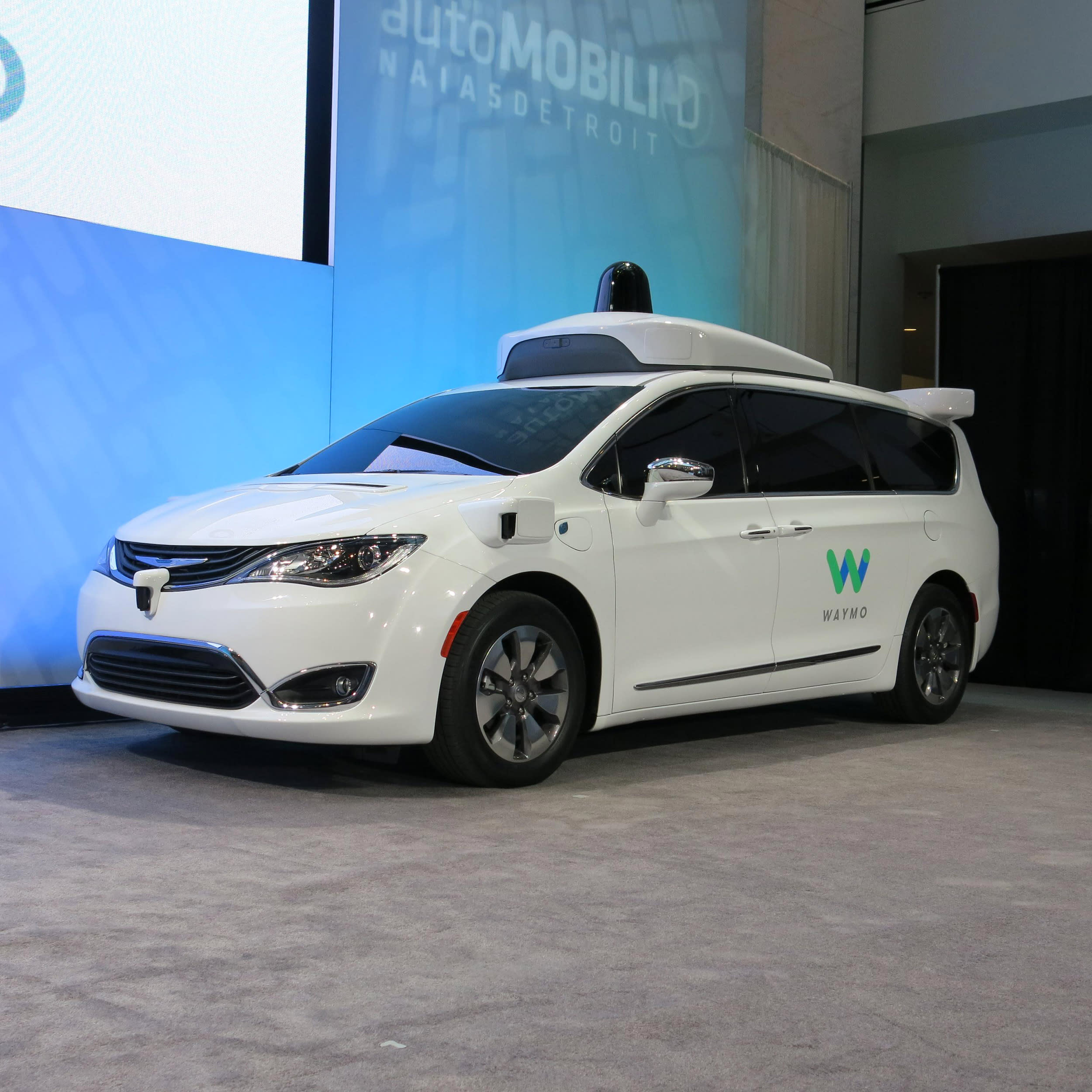
What does Waymo, formerly Google’s self-driving car project and now a standalone company, want to be when it grows up?
It doesn’t want to be an automaker—CEO John Krafcik said that during his speech at the Automobili-D conference running concurrently with the 2017 Detroit auto show. Industry analysts seem to concur. Rather, Krafcik said Waymo will be a technology licenser. But the development progress reported by the former Hyundai executive and Ford engineer could lead some to conclude that it's aiming at the full-systems autonomous driving space currently dominated by global Tier 1s Continental, Delphi and Valeo.

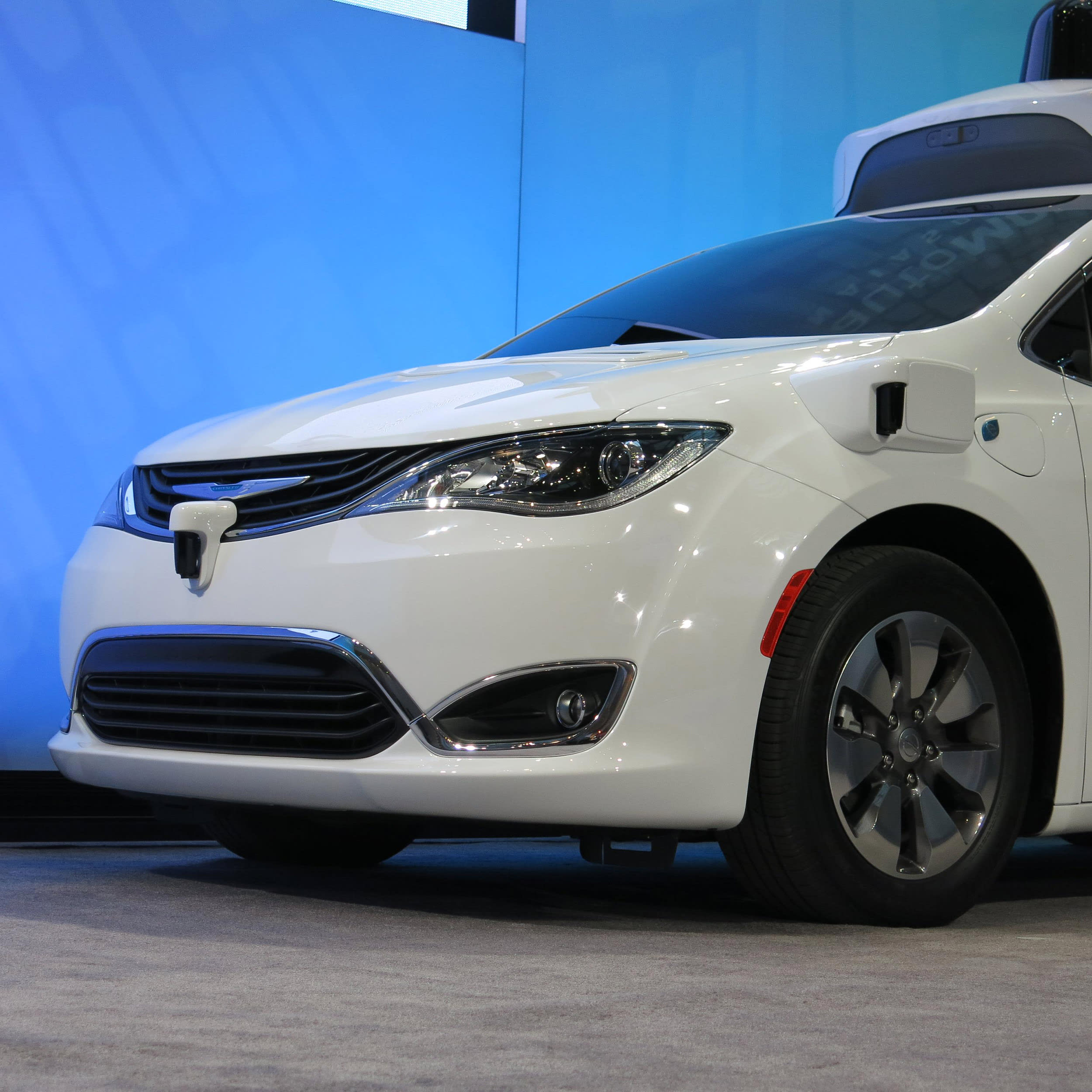
“We’re building our own hardware suite with a fully top-to-bottom, full-stack approach,” Krafcik told the audience. That approach—classic auto industry vertical integration—includes all vision sensors, radars and LiDAR. The company also is producing its related “AI compute” artificial-intelligence platform in-house.
The comprehensive technology suite has been fitted to 100 Chrysler Pacifica hybrids Waymo purchased from FCA, which Krafcik said can deliver SAE Levels 4 and 5 (semi- and fully autonomous) driving and will soon serve as development vehicles on Arizona and California roads.
“We’re bringing a self-driving technology platform to market,” said Krafcik. “To be serious about creating fully self-driving cars that can help millions, we have to oversee both the self-driving hardware and software.”
Waymo’s design/engineering progress includes lowering the cost of its in-house LiDARs by 90%--to about $7,500 each—compared with the LiDARs that Google purchased a few years ago for use in early autonomous-vehicle testing, he claimed. Those units cost approximately $75,000 each.
Waymo’s approach to date runs counter to the industry trend of partnering—OEMs with Tier 1s, Tier 1s with subtiers and with emerging start-ups—as well as outright company acquisitions. All have been necessary for companies to build the technology resources required for taking fully validated and robust autonomous driving systems to production.
“By controlling the entire ‘stack’ they can optimize the software to 'plug holes’ in their hardware performance while it’s evolving and improving—and to optimize the entire system,” observed Sam Abuelsamid, a technology analyst with Navigant Research. “I don’t think they’re looking to sell systems a la Conti and Delphi.”
A veteran OEM technology-strategy executive who requested anonymity agrees. “I’m not convinced that Waymo will be able to produce the tens (or hundreds) of thousands of units that the automakers will want to contract for at the desired prices,” the executive added. “Conti and the others have worked successfully in that realm for decades. Also it’s likely that automakers would go with a trusted supplier.
"Right now, Waymo’s only ‘customer’ is FCA,” the executive noted. “When it’s all done, Waymo will be a software supplier to the others.”
Waymo has run 2.5 million miles of public-roads SAE Levels 4 and 5 testing to date, and expects to reach 3 million miles by May, Krafcik said. System and component reliability and scalability are the top focus for engineers, he noted.
More From SAE Media Group

Automotive Engineering
Integrating a Plug-In Hybrid Jeep
Automotive Engineering
Chrysler Group LLC and Messring Partner to Create Crash Test Facility (Video)
Automotive Engineering
Tenured Production CEO Leading VW’s U.S. Electrified Manufacturing Push
Autonomous Vehicle Engineering
AV Powers Bring May Flowers
Automotive Engineering
Innovative ‘Afreecar’ Wins SAE’s 2021 Create the Future Design Award
Autonomous Vehicle Engineering
ADAS Over the Horizon
Automotive Engineering
Magna Prepared for AV “Marathon”
Automotive Engineering
Systems-engineering a New 4x4 Benchmark
Automotive Engineering
SAE WCX 2022: OEM Learnings from Level 2 ADAS
Off-Highway Engineering
Israeli Startup REE Reinvents the Wheel with a Modular Approach to Future EV Design
Automotive Engineering
Subaru Uses ANSYS Tools to Accelerate Hybrid Vehicle Design
Automotive Engineering
Hyundai Enters the Metaverse Via Its PnD Technology
Automotive Engineering
Lexus Unveils Concept Flagship Crossover
Automotive Engineering
Engineers Clamor for More Techniques to Make Vehicles Quieter
Automotive Engineering
Mobileye, VW Gearing Up for 100,000 AVs by 2033
Automotive Engineering
Debating Government's Role in V2X
Aerospace & Defense Tech Briefs
AeroMobil Debuts Special Edition Sky Dragon Personal Transport Aircraft Targeted at Fast-Growing Market in China
Autonomous Vehicle Engineering
Horiba to Expand Virtual AV Vetting with Physical-Body Testing
Automotive Engineering
Toyota Tops 2021 OEM-Supplier Relations Study

Automotive Engineering
Nvidia’s New Level 2+ Autonomy Platform Is Making Cars Safer Today

Automotive Engineering
WCX 2025: Nira Dynamics’ Sensor-Free Tire Pressure Tech Eyes New Opportunities
Automotive Engineering
Nvidia Partners with AdaCore to Secure Self-Driving Firmware
Automotive Engineering
Engineering the 2022 Toyota Tundra
Automotive Engineering
Growing Lidar for North America

Automotive Engineering
Mercedes Unveils S-Class Amidst Celebrating 140 Years
Top Stories
INSIDERDefense
 New Raytheon and Lockheed Martin Agreements Expand Missile Defense Production
NewsAutomotive
 Ford Announces 48-Volt Architecture for Future Electric Truck
INSIDERManufacturing & Prototyping
 Active Strake System Cuts Cruise Drag, Boosts Flight Efficiency
ArticlesTransportation
 Accelerating Down the Road to Autonomy
INSIDERMaterials
 How Airbus is Using w-DED to 3D Print Larger Titanium Airplane Parts
Road ReadyTransportation

Webcasts
Electronics & Computers
 Cooling a New Generation of Aerospace and Defense Embedded...
Power
 Battery Abuse Testing: Pushing to Failure
Connectivity
 A FREE Two-Day Event Dedicated to Connected Mobility
Automotive
 Quiet, Please: NVH Improvement Opportunities in the Early Design Cycle
Transportation
 Advantages of Smart Power Distribution Unit Design for Automotive &...
Aerospace
 Sesame Solar's Nanogrid Tech Promises Major Gains in Drone Endurance