




NASA Takes a Respectable-Sized Step Toward Supersonic Flight
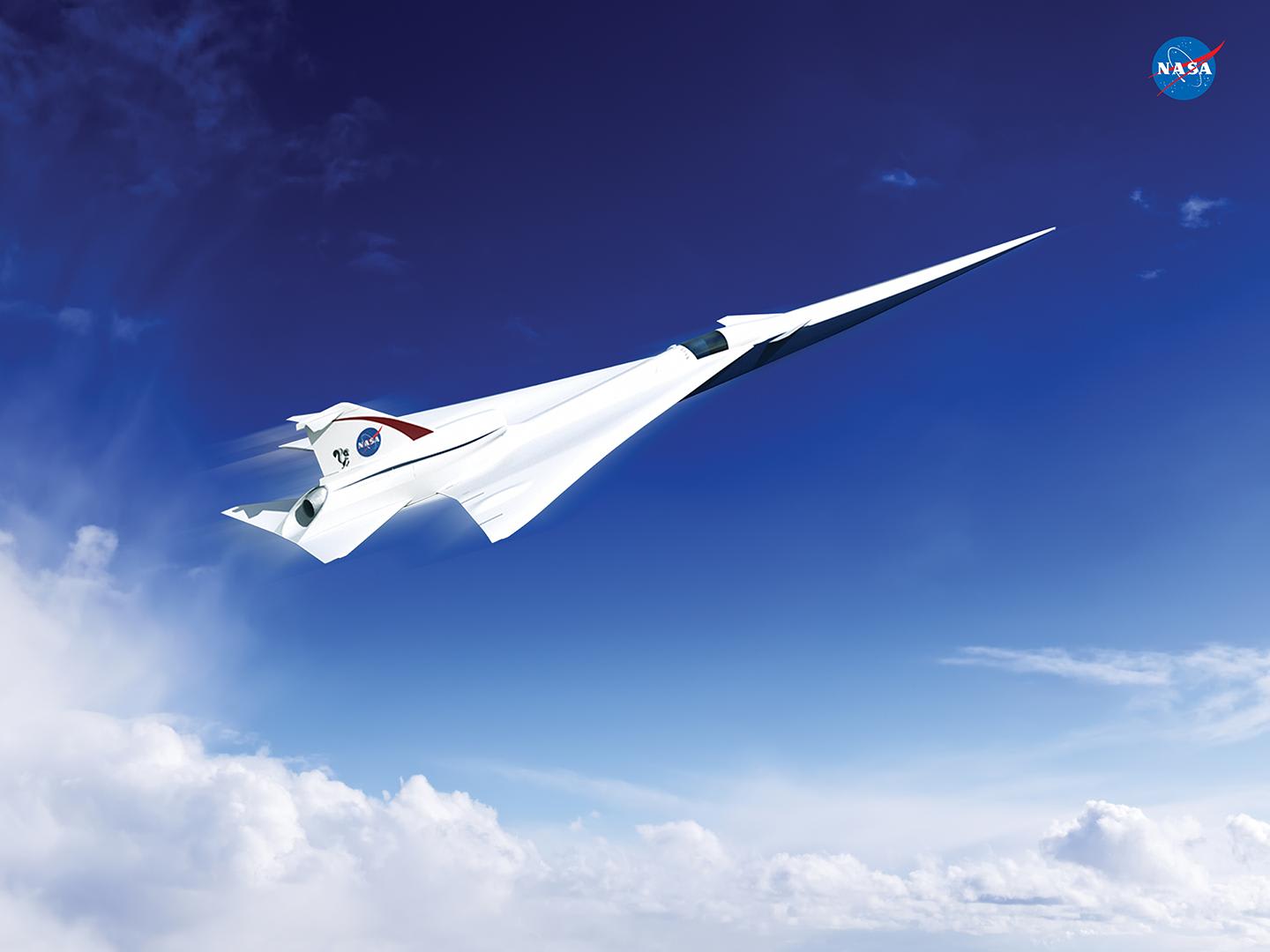
Research on supersonic flight has quietly been infiltrating the desks of a variety of engineering work stations, verified by NASA's recent contract award for the preliminary design of a flight demonstration aircraft with a low boom profile. This is the first in a series of X-planes in NASA's New Aviation Horizons initiative, introduced in the agency’s Fiscal Year 2017 budget.
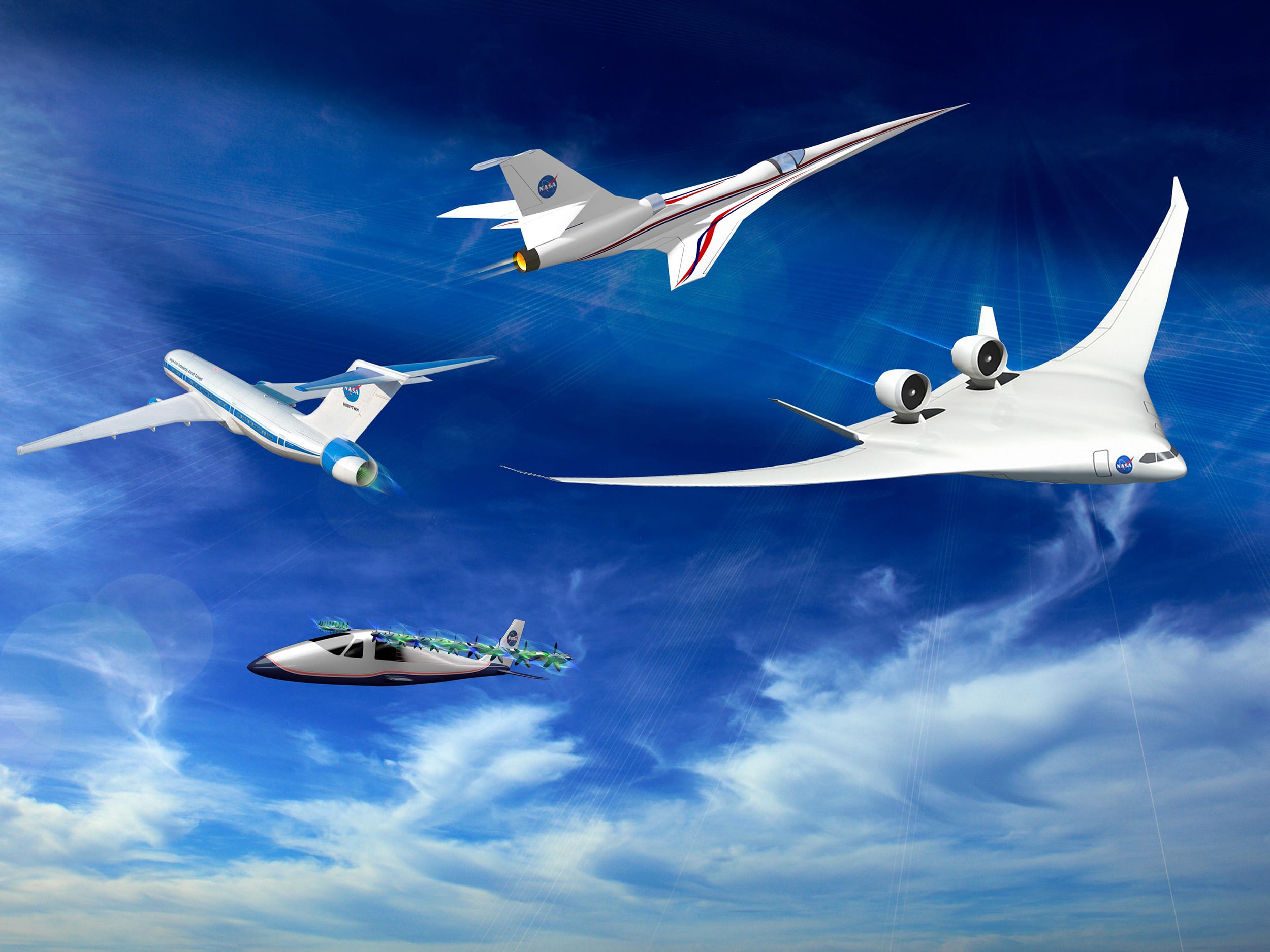
“NASA is working hard to make flight greener, safer, and quieter—all while developing aircraft that travel faster, and building an aviation system that operates more efficiently,” NASA Administrator Charles Bolden said recently. “It’s worth noting that it's been almost 70 years since Chuck Yeager broke the sound barrier in the Bell X-1. Now we’re continuing that supersonic X-plane legacy with this preliminary design award for a quieter supersonic jet with an aim toward passenger flight."
To that end, NASA selected a team led by Lockheed Martin Aeronautics to complete a preliminary design for Quiet Supersonic Technology (QueSST). The work will be conducted under a task order against the Basic and Applied Aerospace Research and Technology (BAART) contract at NASA's Langley Research Center in Virginia.
Prior to going out to industry, NASA conducted feasibility studies to better understand acceptable sound levels across the country. It then asked industry teams to submit design concepts for a piloted test aircraft that can fly at supersonic speeds, creating what it describes as a "supersonic heartbeat"—a soft thump rather than the window-shaking boom most often associated with supersonic flight.
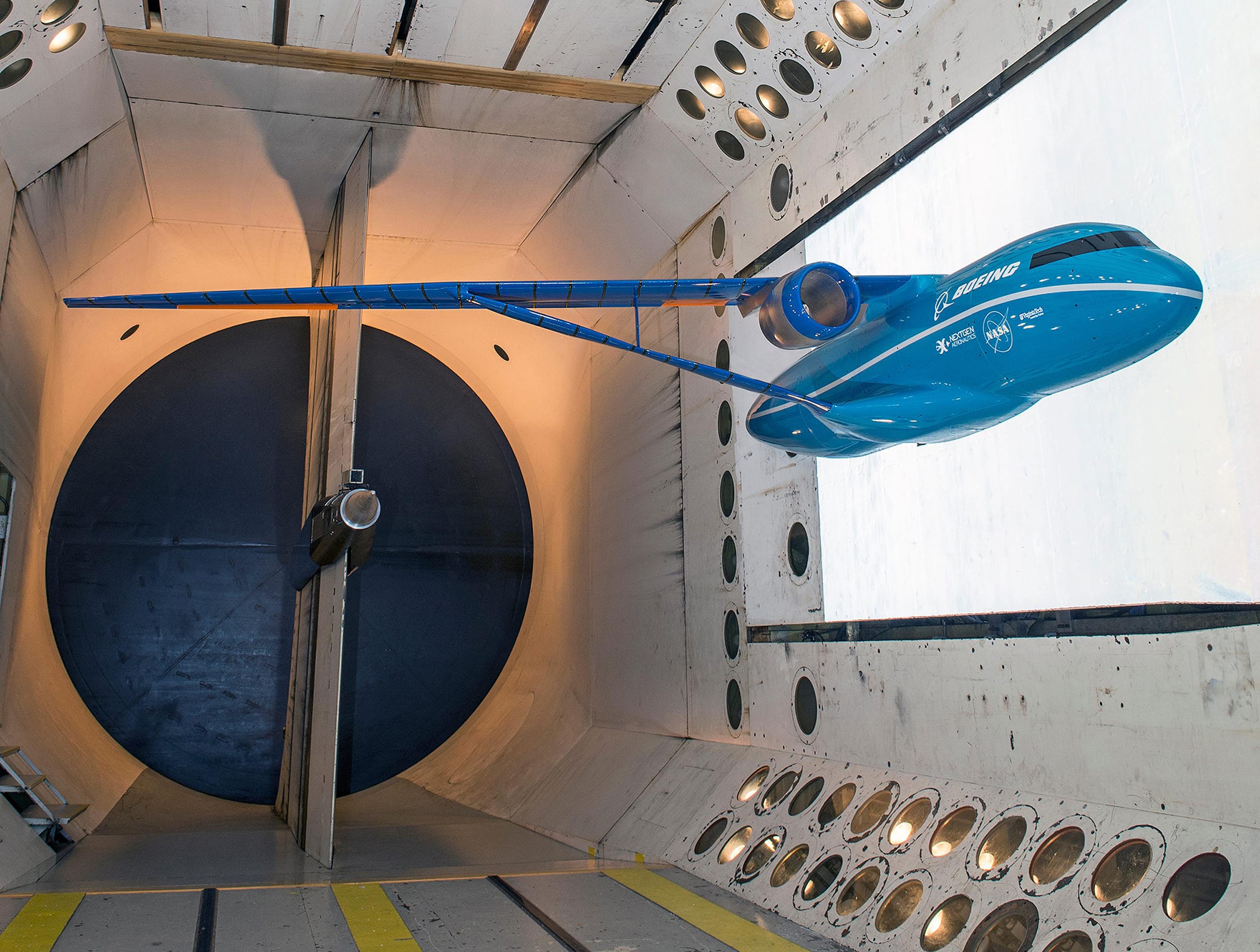
Lockheed Martin will receive about $20 million over 17 months for QueSST preliminary design work. GE Aviation and Tri Models are also part of the team, which will develop baseline aircraft requirements and a preliminary aircraft design, with specifications, and provide supporting documentation for concept formulation and planning. This documentation will be used to prepare for the detailed design, building, and testing of the QueSST jet. Performance of the preliminary design also must undergo analytical and wind tunnel validation.
Lockheed is not a newcomer to the study of supersonic flight, having worked on the NASA N+2 program some years ago. In that concept not only was a "totally new kind of propulsion system developed," but the company also explored "new techniques for low noise jet exhaust, integrated fan noise suppression, airframe noise suppression, and computer customized airport noise abatement," according to Micheal Buonanno, Lockheed Martin's Manager of that N+2 program.
It was his team that developed the "tools and codes that allow engineers and designers to accurately predict the loudness of a plane's sonic boom."
This initial Low Boom Flight Demonstration phase of the project also will include validation of community response to the new, quieter supersonic design. The detailed design and building of the QueSST aircraft will fall under a future contract competition.
NASA’s 10-year New Aviation Horizons initiative is built around reducing fuel use, emissions, and noise through innovations in aircraft design that departs from the conventional tube-and-wing aircraft shape. The X-planes that come out of the initiative will typically be about half-scale of a production aircraft and likely are to be piloted. Design-and-build will take several years with aircraft starting their flight campaign around 2020, depending on funding.
More From SAE Media Group
Aerospace & Defense Tech Briefs
NASA Partners with ONERA on Low-Boom Supersonic Flight
Aerospace & Defense Tech Briefs
Boom Aims to Conquer Concorde by 2023
Motion Design INSIDER
Tailless Jet Flies Free with Novel Control Technique

NASA Spinoff
Flying (Not Quite) Blind
Aerospace & Defense Tech Briefs
NASA to Test Quiet Thump Supersonic Propulsion Technique, Measure Sound Levels and Community Response
Aerospace & Defense Tech Briefs
NASA Vocal About Sharing Technologies to Reduce Noise, Emissions
NASA Spinoff
Artificial Eyes Give Pilots a New Worldview
Aerospace & Defense Tech Briefs
Lockheed Martin Skunk Works Begins Manufacturing X-59 Supersonic Aircraft Parts

Aerospace & Defense Tech Briefs
Additive Manufacturing, Composites Help Grow Global Electric Aircraft Market
Aerospace & Defense Tech Briefs
Air Mobility Innovations Take Center Stage at Aerospace Systems and Technology Conference

Aerospace INSIDER
Quarterhorse Hypersonic Test Aircraft Completes First Flight

Aerospace & Defense Tech Briefs
Probing Ways to Dampen Sonic Boom
Aerospace & Defense Tech Briefs
Aurora Developing Distributed Hybrid-Electric Propulsion System for VTOL X-Plane
Aerospace & Defense Tech Briefs
GE, Lockheed Martin Commit to Aerion's Supersonic Bizjet
Aerospace & Defense Tech Briefs
Boeing Completes Assembly of the First 777X
Aerospace & Defense Tech Briefs
GE Aviation’s AiRXOS Launches New Air Mobility Portfolio and Management Tools Purpose Built for the Urban Air Mobility Market
Aerospace & Defense Tech Briefs
AirMap and Skyguide Deploy Swiss National Flight Information Management System for Drones
Aerospace & Defense Tech Briefs
Aerion AS2 Supersonic Bizjet on Track for Trans-Atlantic Crossing in 2023
Aerospace & Defense Tech Briefs
NASA’s Next X-Plane Passes Major Review
Aerospace & Defense Tech Briefs
Aerion Progresses on the AS2 with Help from Airbus, and Announces First Fleet Customer
Aerospace INSIDER
Autonomous Black Hawk® Flies Missions Without Pilots on Board
Aerospace Manufacturing and Machining INSIDER
NASA’s Supersonic X-59 QueSST Being Built at Famed Factory
Aerospace INSIDER
BAE Systems Acquires Developer of Electric Heavy Lift Quadcopters
Aerospace & Defense Tech Briefs
Russia to Develop Supersonic Passenger Jet
Aerospace & Defense Tech Briefs
Connected Aircraft Technologies Benefit Manufacturers, Airlines, and Travelers
Top Stories
NewsSensors/Data Acquisition
 Microvision Aquires Luminar, Plans Relationship Restoration, Multi-industry Push
INSIDERRF & Microwave Electronics
 A Next Generation Helmet System for Navy Pilots
INSIDERWeapons Systems
 New Raytheon and Lockheed Martin Agreements Expand Missile Defense Production
NewsAutomotive
 Ford Announces 48-Volt Architecture for Future Electric Truck
INSIDERAerospace
 Active Strake System Cuts Cruise Drag, Boosts Flight Efficiency
ArticlesTransportation

Webcasts
Aerospace
 Cooling a New Generation of Aerospace and Defense Embedded...
Energy
 Battery Abuse Testing: Pushing to Failure
Power
 A FREE Two-Day Event Dedicated to Connected Mobility
Automotive
 Quiet, Please: NVH Improvement Opportunities in the Early Design Cycle
Electronics & Computers
 Advantages of Smart Power Distribution Unit Design for Automotive &...
Unmanned Systems
 Sesame Solar's Nanogrid Tech Promises Major Gains in Drone Endurance